Crepe e cedimenti nel calcestruzzo possono distruggere i progetti. Molti trascurano il ruolo delle armature finché non sorgono problemi. Scopri come il tondo per cemento armato garantisce più sicurezza, più forte, e strutture più durature in tutto il mondo.
Che cos'è Rebar e perché è essenziale nella costruzione? Armatura, abbreviazione di barra d'armatura, è una barra d'acciaio utilizzata all'interno del calcestruzzo per aumentare la resistenza alla trazione. Il calcestruzzo da solo resiste alla compressione ma è debole in tensione. L'armatura compensa questa debolezza, prevenendo crepe e cedimenti strutturali. Garantisce durabilità, sicurezza, e capacità portante negli edifici, ponti, e altre costruzioni in cemento.
Ora che sappiamo cos'è l'armatura, esploriamo i suoi tipi, differenze, usi, e principali preoccupazioni per gli acquirenti.
Qual è la differenza tra barra d'acciaio e armatura per cemento armato?
Barra d'acciaio e ARBARO ACCIAIO sono correlati ma non uguali. Molti acquirenti li confondono perché entrambi assomigliano a lunghe aste di acciaio utilizzate nelle costruzioni.
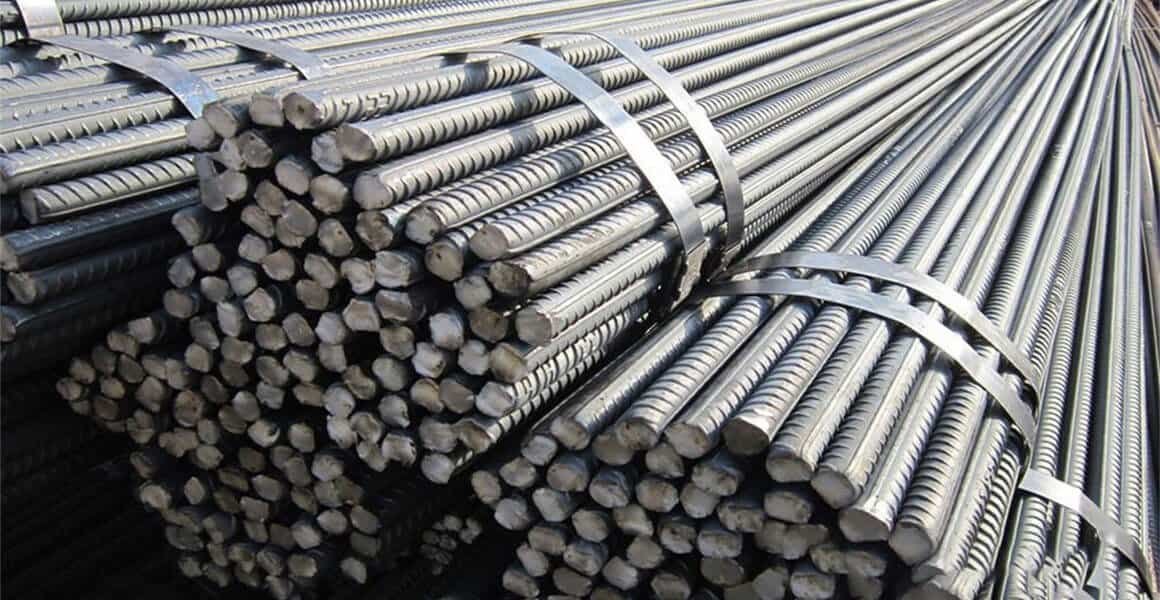
Barra d'acciaio è un prodotto siderurgico generale, mentre il tondo per cemento armato si riferisce alle barre di acciaio utilizzate per rinforzare il calcestruzzo. L'armatura ha nervature superficiali che la aiutano a legarsi al calcestruzzo.
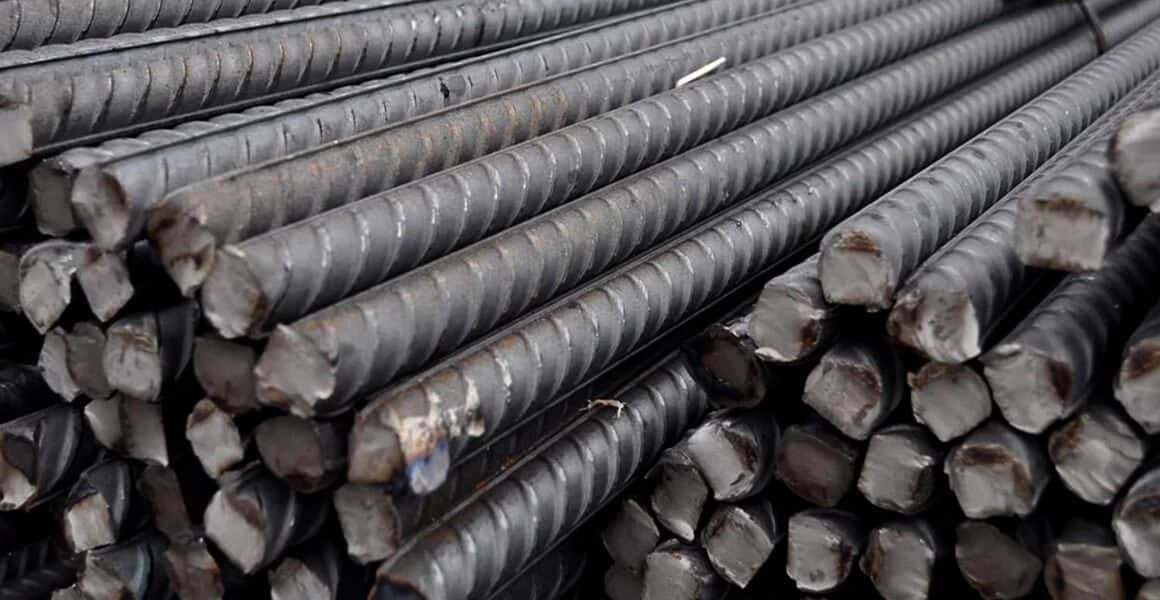
La definizione di armatura enfatizza il suo ruolo nella resistenza alla trazione, mentre barra d'acciaio è un termine più ampio che può riferirsi a barre lisce utilizzate in macchinari o altri processi produttivi. Un sinonimo di armatura è “acciaio di rinforzo.” Le barre d'acciaio possono essere tagliate e saldate per soddisfare varie esigenze di fabbricazione, ma le armature sono progettate con nervature o deformazioni per evitare scivolamenti all'interno del calcestruzzo. Gli acquirenti che guardano le immagini delle armature spesso notano le creste, che sono la principale distinzione dalle barre lisce.
Come funziona l'armatura per cemento armato all'interno del calcestruzzo?
Quando le forze di trazione vengono applicate solo al calcestruzzo, diventa fragile e si rompe facilmente. È qui che l'armatura diventa fondamentale.
L'armatura si lega al calcestruzzo, ottenendo un materiale composito con resistenza a compressione e trazione. Questa sinergia garantisce una lunga durata, strutture resistenti alle crepe.
La risposta alla domanda “In che modo l'armatura rinforza il calcestruzzo??” è dovuto alla sua capacità di legame. Le forme dell'armatura increspata si incastrano con il calcestruzzo indurito per distribuire i carichi in modo uniforme. Gli ingegneri analizzano la distribuzione delle sollecitazioni per determinare quando utilizzare l'armatura nei muri di cemento, travi, e lastre. Per esempio, l'utilizzo dell'armatura nella progettazione dei muri di cemento riduce le crepe verticali e migliora la resistenza ai terremoti. Disegni accurati delle armature e dettagli dell'armatura assistere i lavoratori nel posizionamento preciso dell'acciaio, garantire che la struttura funzioni come previsto.
Quali sono i principali tipi di armature per cemento armato?
Il tondo per cemento armato non è un prodotto adatto a tutti; ne esistono diverse varietà adatte a diverse applicazioni.
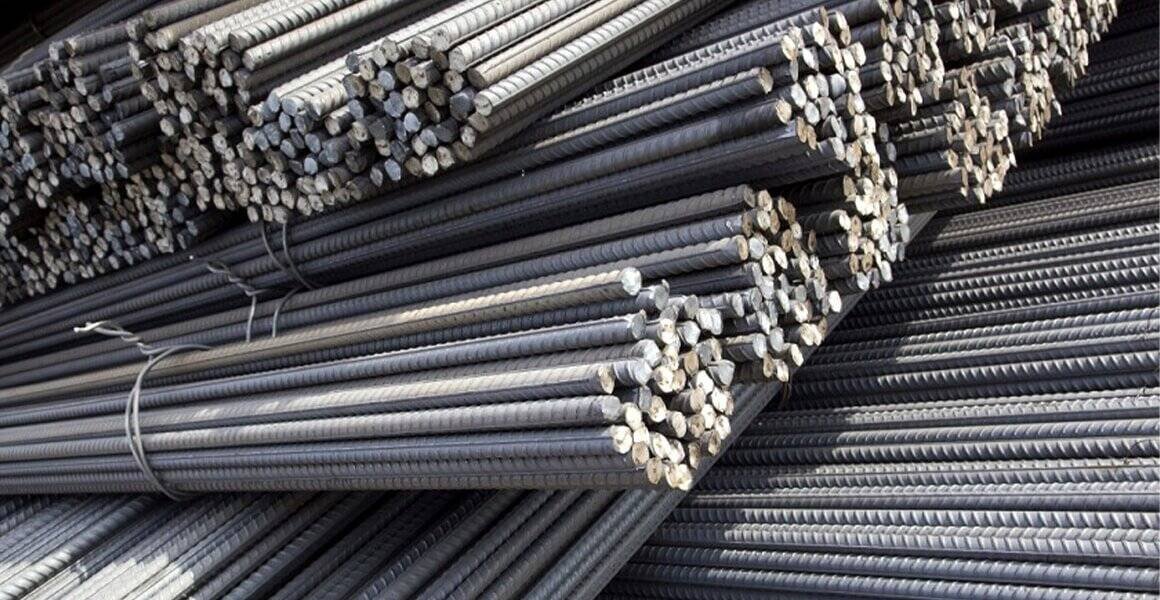
I tipi comuni di armature per cemento armato includono l'acciaio al carbonio, acciaio inossidabile, rivestimento epossidico, e zincato. Ognuno raggiunge un equilibrio unico tra forza, Resistenza alla corrosione, e costo.
- Le armature in acciaio al carbonio sono le più utilizzate, offrendo convenienza e ottime prestazioni.
- L'armatura in acciaio inossidabile viene scelta per ambienti con elevata umidità o esposizione al sale, come i ponti costieri.
- Le armature con rivestimento epossidico resistono alla corrosione ma possono subire danni durante la movimentazione.
- L'armatura zincata fornisce un rivestimento di zinco per una maggiore durata.
Gli ingegneri prendono spesso decisioni basate sui prezzi delle armature e sulla durabilità a lungo termine. Anche i tipi di forme delle armature variano: diritte, piegato, staffe, o maglia. Comprendere i diversi tipi di acciaio utilizzati nelle costruzioni consente ai project manager di ottimizzare costi e prestazioni.
Qual è la differenza tra tondo per cemento armato e bobina d'acciaio?
Gli acquirenti a volte confondono ciò che è un tondo per cemento armato con una bobina d'acciaio, ma i due hanno scopi molto diversi.
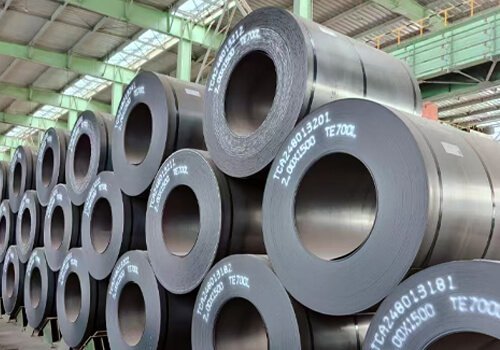
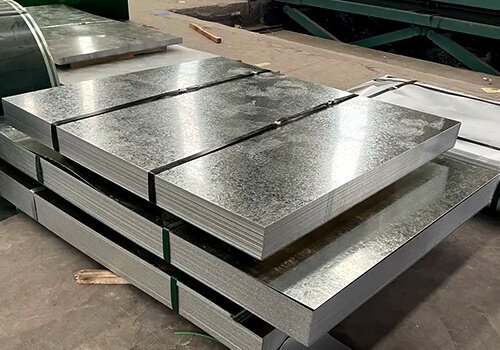
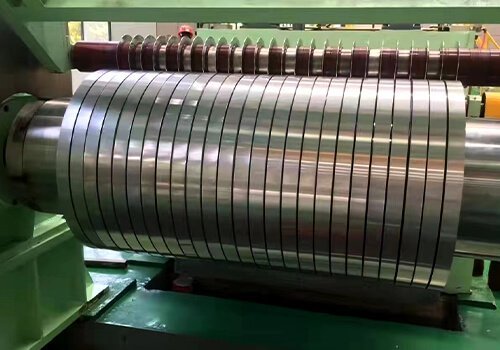
L'armatura rinforza il calcestruzzo, mentre i coils di acciaio sono prodotti laminati piatti utilizzati nelle lamiere, condutture, e produzione.
Bobine in acciaio sono formati in pannelli, copertura, e condutture, mentre l'armatura è incorporata nel calcestruzzo. Il loro utilizzo delle armature è esclusivamente strutturale, mentre le bobine sono più versatili nella produzione. Per gli esportatori, distinguere tra questi due prodotti aiuta ad evitare costosi ordini errati. Le dimensioni dell'armatura sono misurate in diametro (per esempio. #3, #4, #5), mentre le bobine sono misurate in spessore e larghezza.
Quanto durerà l'armatura nel calcestruzzo?
Quando si parla di progettazione di edifici e infrastrutture, la longevità è fondamentale.
Se installato correttamente, le armature di alta qualità possono durare 50-100 anni nel cemento, soprattutto quando vengono utilizzati gradi resistenti alla corrosione.
La durata della vita delle armature in acciaio è determinata dalla sua esposizione all'ambiente. In strutture interne asciutte, l'armatura può durare per secoli. Tuttavia, l'esposizione a cloruri o ambienti marini accelera la corrosione. Gli ingegneri utilizzano spesso rivestimenti protettivi, miscele di calcestruzzo migliorate, e tondo per cemento armato inossidabile per garantire la durata. I dettagli accurati delle armature riducono al minimo i punti di esposizione. Gli acquirenti che valutano di cosa sono fatte le armature dovrebbero essere consapevoli che il contenuto di carbonio e i rivestimenti protettivi hanno un impatto significativo sulla durata della vita.
Qual è uno svantaggio del tondo per cemento armato?
Anche se l'armatura è un materiale resistente, non è perfetto.
Lo svantaggio principale è la corrosione. La ruggine indebolisce l'armatura, si espande nel calcestruzzo, e provoca crepe o scheggiature.
Questa debolezza implica che le strutture potrebbero richiedere riparazioni costose. Mentre esistono soluzioni avanzate, hanno un costo più elevato. Le opzioni rivestite o in acciaio inossidabile raggiungono un equilibrio tra durata e prezzo. Gli appaltatori dovrebbero considerare il valore a lungo termine quando valutano i prezzi del tondo per cemento armato, piuttosto che un semplice risparmio iniziale. Per esempio, pagare di più in anticipo per le armature in acciaio inossidabile può far risparmiare denaro sulla manutenzione futura.
È difficile tagliare l'armatura?
Le modifiche vengono spesso apportate durante i progetti di costruzione, che include il taglio dell'armatura in loco.
L'armatura è forte, ma non impossibile da tagliare. Smerigliatrici angolari, frese per armature, e le seghe lo rendono più gestibile.
La difficoltà dipende dalle dimensioni e dalla forma delle barre d'armatura. Le barre più piccole possono essere tagliate con utensili manuali, ma le armature più grandi possono richiedere frese idrauliche. Lavorare con l'armatura comporta diversi rischi, comprese le scintille, polvere, e calore. Le lunghezze di taglio sono generalmente indicate sui disegni delle armature, consentendo ai lavoratori di pianificare in modo più efficiente.
Puoi saldare il tondo per cemento armato?
Molti clienti si chiedono se le armature possano essere saldate come gli altri prodotti in acciaio.
Alcuni tipi di armature sono saldabili, mentre altri perdono resistenza quando saldati. La certificazione deve dimostrare l'idoneità.
La saldatura delle armature richiede esperienza. Alcuni tipi di forme di armature consentono connessioni di saldatura, mentre altri dovrebbero essere giuntati meccanicamente. I dettagli delle armature garantiscono la conformità al codice. Gli ingegneri scelgono spesso accoppiatori o giunti sovrapposti per l'affidabilità strutturale. Se si tenta di saldare, È necessario seguire linee guida rigorose per evitare di indebolire l'armatura d'acciaio.
Perché la qualità delle armature è importante per la sicurezza delle costruzioni?
La qualità dei materiali determina l’integrità di una struttura.
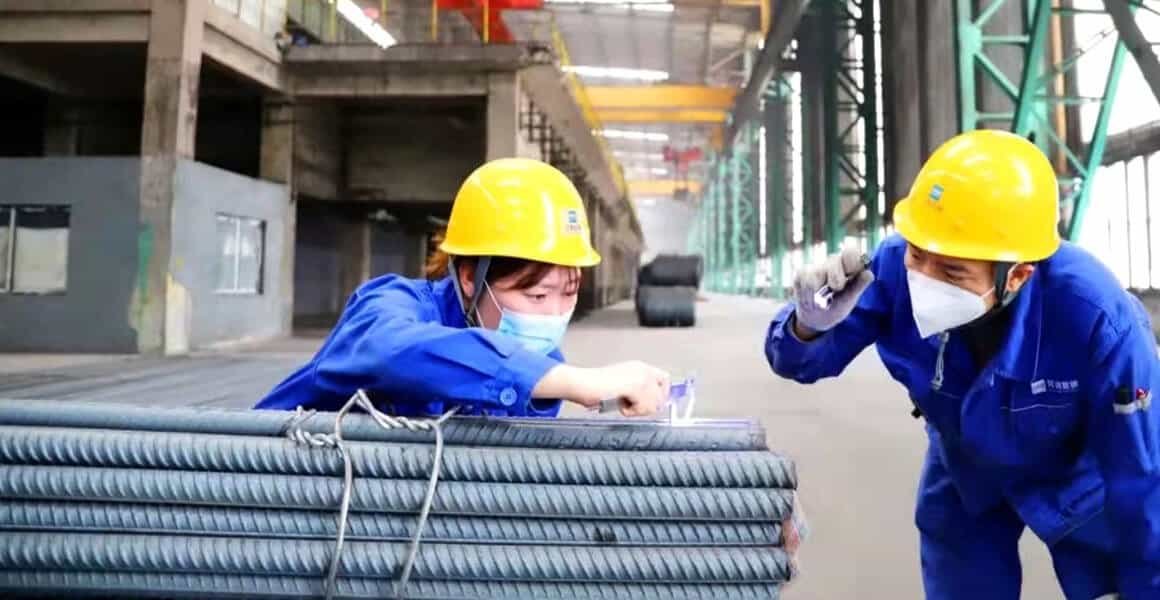
Certificato, l'armatura di alta qualità resiste alla ruggine, mantiene la forza, e fornisce stabilità per decenni.
Buyers should request mill certificates and international standards such as ASTM or ISO. Substandard products can jeopardize safety, resulting in collapses or costly rebuilds. Clear rebar drawings and inspections verify that the supplied rebars meet specifications. Finally, understanding what is rebar used for demonstrates why quality should never be compromised.
How Can Buyers Avoid Problems When Sourcing Rebar Internationally?
Global sourcing creates both opportunities and risks.
Reliable exporters offer timely delivery, certificazione, and secure payment terms.
Delays or poor-quality shipments can result in missed construction deadlines. Buyers should work with fornitori who have extensive experience in steel rebar exports. Checking rebar images, comparing rebar definitions to international standards, and reviewing sample rebar drawings are all helpful. L'utilizzo di metodi di pagamento sicuri e di partner logistici garantisce che le transazioni si svolgano senza intoppi.
Riepilogo
L'armatura rinforza il calcestruzzo e garantisce sicurezza. Gli acquirenti possono assicurarsi prodotti durevoli, costruzione economicamente vantaggiosa in tutto il mondo imparando a conoscere i suoi tipi, durata, e pratiche di approvvigionamento.