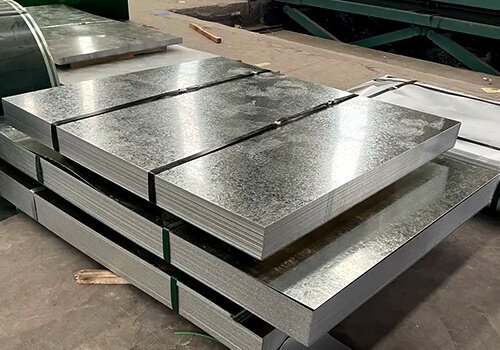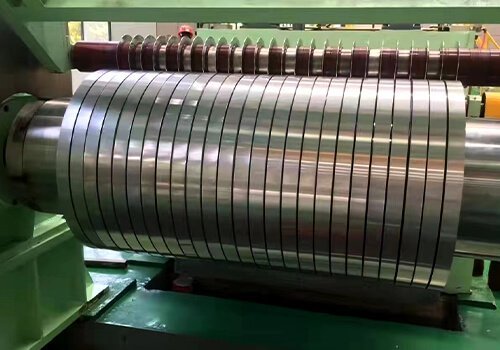

If your business requires materials that endure extreme conditions, galvanized steel is the solution. Known for its long-lasting protection against corrosion, galvanizing offers durability and cost efficiency, making it a go-to choice across multiple industries.
What is galvanized steel used for? Galvanized steel is a type of steel coated with a protective layer of zinc to resist corrosion. It’s commonly used in construction, automobilistico, and manufacturing sectors for its ability to withstand harsh environments. Learn more about the uses for galvanized steel and its various benefits.
Let’s explore in detail how galvanized steel is applied across industries and its key advantages.
What Are the Key Benefits of Galvanized Steel?
The unique benefits of acciaio zincato stem from its galvanized steel characteristics—from superior corrosion resistance to long-term durability. But there’s more to it than just resistance to rust.
One of the primary benefits of galvanized steel is its high resistance to corrosion. The galvanized steel is coated with a thin layer of zinc, which serves as a sacrificial anode. This means that the zinc corrodes instead of the underlying steel, keeping it from rusting. This makes galvanized steel ideal for outdoor applications like fencing, copertura, and industrial infrastructure, where exposure to the elements is unavoidable.
Another significant advantage is galvanizing’s cost-effectiveness. Galvanizing steel is a less expensive corrosion-resistant solution than other options such as acciaio inossidabile. Galvanized steel is less expensive than other materials, making it a popular choice in a variety of industries. Inoltre, galvanized steel properties provide a durable, long-lasting material with low maintenance requirements, lowering the overall cost of ownership.
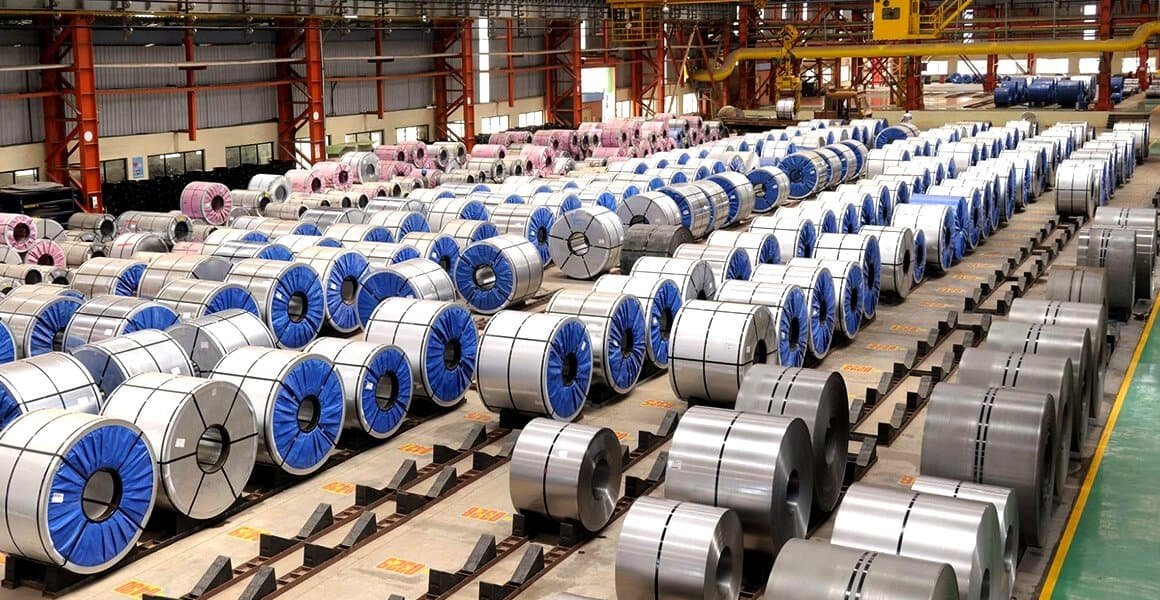
What Industries Use Galvanized Steel?
Galvanized steel is used in a variety of industries, including construction and automotive. Let us look at the specific applications in each of these sectors.
Galvanized steel is used extensively in the construction, automobilistico, e industrie manifatturiere. It is used in construction for roofing, structural supports, and fencing, as well as in automobile manufacturing for body panels and exhaust systems.
Galvanized steel is important in construction because of its ability to withstand environmental conditions. It’s commonly used for structural framing, copertura, and outdoor fencing. Buildings in coastal areas, for example, rely on galvanized steel to resist rust caused by salty air and water.Galvanized metal is used in automotive parts that are subjected to harsh conditions, such as exhaust systems, telaio, and undercarriages. These components require moisture protection, and galvanized steel is an effective solution due to its superior galvanized steel properties.
Inoltre, galvanized steel vs acciaio inossidabile is a popular comparison in the automotive industry. While stainless steel has excellent corrosion resistance, galvanized steel is often preferred for its low cost, particularly in non-structural applications. Galvanizing is an affordable way to protect steel parts without sacrificing durability or quality.
What Is the Downside of Galvanized Steel?
While galvanized steel has many advantages, there are some disadvantages. Understanding these challenges is critical when determining whether it is the best material for your project.
The main disadvantage of galvanized steel is that it is prone to damage during installation. If the coating is scratched or damaged, it can result in premature corrosion. Inoltre, it may not be suitable for use in extreme temperatures.
Despite its excellent corrosion resistance, galvanized steel can face some challenges. Per esempio, the galvanized steel coating may be damaged during installation or handling, leaving exposed areas prone to rusting. If galvanized steel is used in high-abrasion areas, the protective layer may be scratched, resulting in early corrosion.
Another disadvantage is the material’s performance at extreme temperatures. Galvanized steel may not perform as well as stainless steel in environments with high temperatures or cold. While galvanized steel is resistant to rust, it can lose its protective layer when exposed to high temperatures, reducing its corrosion resistance. This makes it unsuitable for high-temperature environments such as industrial furnaces or areas with frequent thermal cycling.
Is Galvanized Steel OK for Outdoor Use?
SÌ, galvanized steel is ideal for outdoor applications. Its corrosion resistance makes it an excellent choice for exposed structures, but how does it perform in extreme outdoor conditions?
Galvanized steel has high resistance to weathering and corrosion, making it ideal for outdoor applications such as fences, copertura, and structural supports.
Galvanized steel is primarily used for outdoor applications. The galvanized steel metal is zinc-coated, providing a protective barrier against environmental elements such as rain, snow, and humidity. This makes it ideal for exterior structures such as fences and roofing.
Galvanized metal is commonly used in outdoor furniture and garden tools due to its resistance to the elements. The coating protects the steel from rusting even in harsh environments. While the debate between galvanized iron and galvanized steel is common, galvanized steel performs better in outdoor environments due to its superior corrosion resistance. Per esempio, galvanized steel is a popular choice for coastal buildings because salty air can quickly corrode untreated metal.
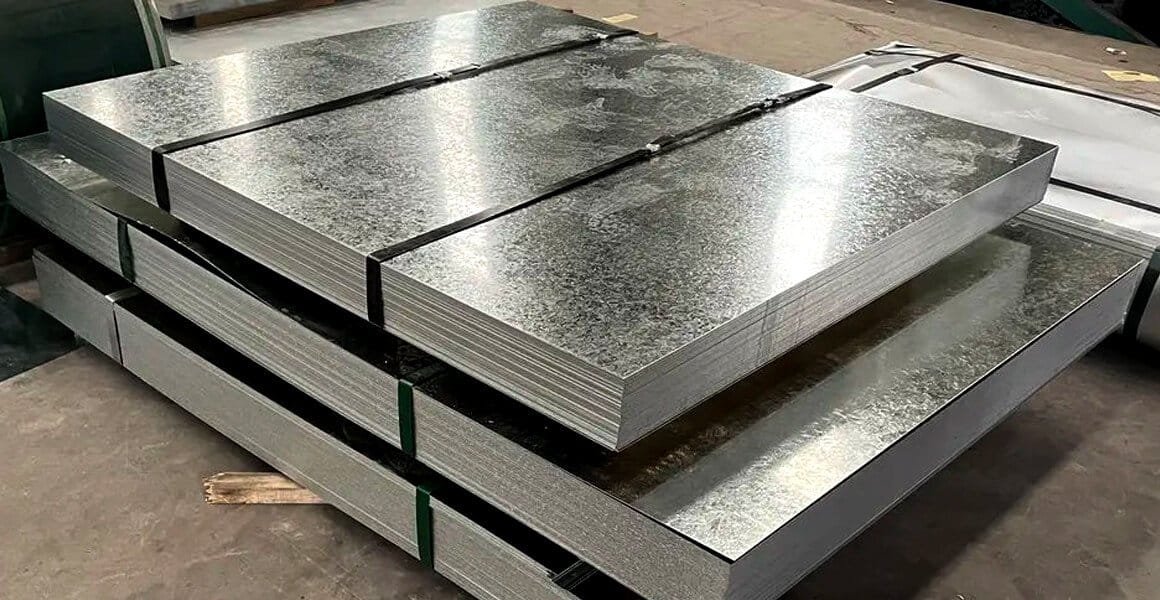
When Should Steel Be Galvanized?
While not all steel requires galvanization, knowing when to galvanize steel can provide long-term protection and reduce unnecessary maintenance costs.
Steel should be galvanized when it is exposed to moisture, harsh chemicals, or extreme weather conditions. Common applications include construction, agriculture, and outdoor infrastructure.
Steel should be galvanized when exposed to environments that cause rapid corrosion. Galvanized steel is commonly used in outdoor infrastructure such as street signs, utility poles, and bridges because it is resistant to moisture and weathering. Galvanization is critical in extending the life of these structures because the protective zinc coating prevents rust and reduces maintenance costs.
Galvanizing is also beneficial for agricultural equipment and construction materials. These materials are subjected to harsh weather conditions, prodotti chimici, and constant use, making galvanizing necessary to maintain the steel’s integrity. The use of galvanized steel in these industries ensures that materials last longer and do not require frequent repairs or replacement.
How Long Will Galvanized Steel Last Before It Rusts?
One of the most appealing aspects of acciaio zincato is its long life. But how long will it last before showing signs of corrosion?
With proper care, galvanized steel can last 20 A 50 years before rusting. The life span is largely determined by the environment and the thickness of the zinc coating.
Galvanized steel can resist rusting for up to 50 years under ideal conditions. Life expectancy is affected by environmental factors such as humidity, chemical exposure, and moisture levels. Galvanized steel may need to be replaced sooner in coastal areas where saltwater is prevalent due to the salt’s corrosive effects. Tuttavia, in more moderate climates, the material can last for decades.The thickness of the zinc coating also influences the lifespan of galvanized steel; thicker coatings provide greater corrosion resistance.
What Not to Use with Galvanized Steel?
Although galvanized steel is long-lasting, it’s important to understand which materials and conditions can weaken its protective coating.
Avoid using galvanized steel with highly acidic or alkaline materials, as these can degrade the zinc coating and cause premature corrosion.
Certain materials, particularly those that are highly acidic or alkaline, can corrode the protective layer of galvanized steel. Chemicals such as ammonia, bleach, and hydrochloric acid can degrade the zinc coating, leaving the steel susceptible to rust. Another point of comparison is galvanized iron versus galvanized steel; while both materials have comparable corrosion resistance, galvanized steel is more resistant to chemical damage due to the zinc coating.
If you intend to use galvanized steel in harsh chemical environments, proper handling and maintenance are essential to prevent zinc layer degradation. Regular cleaning and protective coatings can help increase the material’s lifespan.
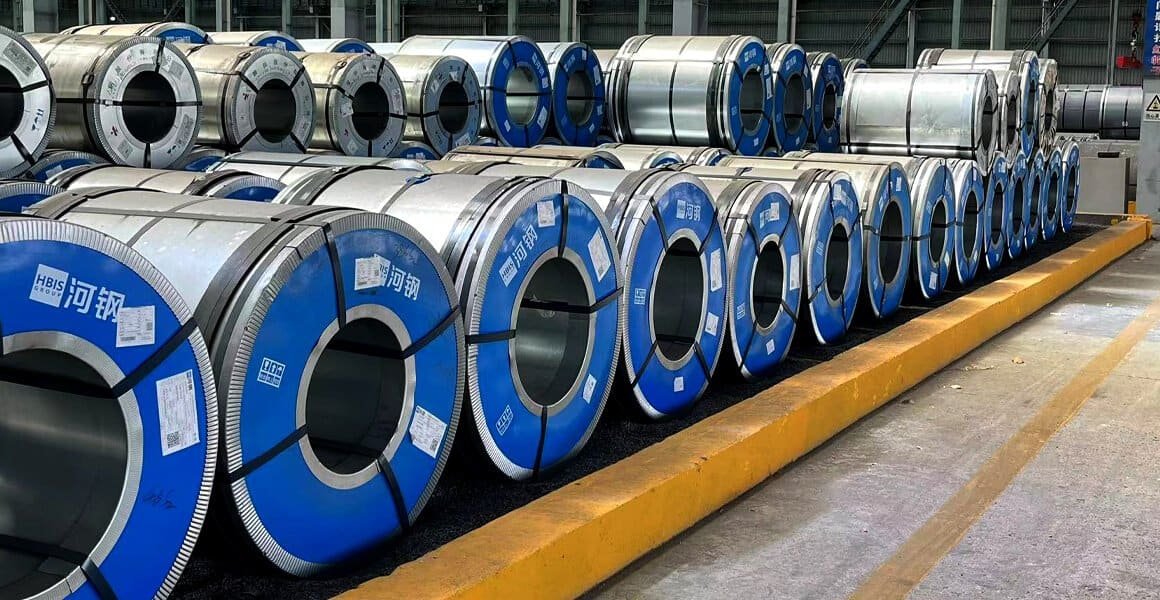
What Is the Best Coating for Galvanized Steel?
While galvanizing provides excellent corrosion resistance, additional coatings can improve the performance of galvanized steel in harsh environments.
Coatings such as epoxy or polyurethane can be applied to galvanized steel to increase its resistance to harsh chemicals, UV damage, and extreme temperatures.
Epoxy and polyurethane coatings are frequently applied to galvanized steel to provide additional protection. These coatings provide an additional layer of protection against environmental factors like moisture, prodotti chimici, and UV rays. Epoxy coatings are ideal for areas exposed to harsh chemicals, whereas polyurethane coatings are highly resistant to UV damage and abrasion.
These additional coatings increase the overall durability of galvanized steel, making it ideal for industrial and marine applications where corrosion is a major concern.
Riepilogo
Galvanized steel is an excellent choice for a variety of applications, thanks to its low cost and superior corrosion resistance. It provides long-lasting protection in even the most demanding environments.