
Choosing the wrong steel can ruin your project. Many builders face corrosion, forza, and cost issues. This guide reveals the real truth behind galvanized steel vs stainless steel strength.
Which is stronger: galvanized steel vs stainless steel strength? When comparing stainless steel vs galvanized steel strength, stainless steel is stronger and more corrosion-resistant due to its chromium composition. Al contrario, galvanized steel gains protection from a zinc coating, offering cost-effective resistance for less demanding applications. If you need maximum durability and tensile strength, stainless steel is the superior choice.
Let’s explore the difference between galvanized and stainless steel in strength, cost, durata, and application performance.
Quali sono gli svantaggi dell'acciaio zincato?
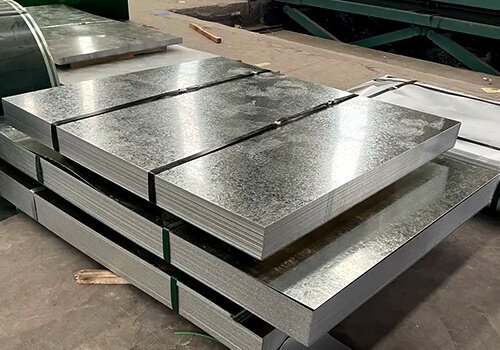
Clarifying the benefits and drawbacks of galvanized steel requires an understanding of what it is. It is ordinary steel that has been zinc-coated to stop rust. It has significant disadvantages despite being affordable and adaptable.
Although sturdy, galvanized steel is not unbeatable. It is easily scratched, leaving the base metal vulnerable to rust. Its employment in long-term or marine projects is further constrained by its weight and poor performance in harsh settings.
In mild settings, the zinc coating on acciaio zincato helps prevent corrosion for 20 A 50 years when compared to stainless steel. Tuttavia, rust spreads quickly as the covering wears off.Stainless steel vs galvanized steel shows clear advantages for structures exposed to salt, humidity, or acid rain. Inoltre, high-end architectural aesthetics could not be satisfied by galvanized treatments.
How Long Will Galvanized Steel Last before It Rusts?
Exposure and coating quality determine durability. How long can galvanized stainless steel components tolerate corrosion before rusting appears? This is a common question from builders.
Galvanized steel typically lasts 20 A 50 years before deteriorating. Zinc degradation reduces lifespan to 10–20 years in industrial or coastal environments. Life expectancy can be increased with proper care and avoiding continuous moisture exposure.
There are significant differences in lifetime between galvanized and stainless steel. Zinc coatings cannot spontaneously regenerate when scratched, whereas the chromium oxide film on stainless steel may. Rust swiftly seeps into the basic steel once the zinc is gone. Perciò, although the cost of galvanized steel is more than that of stainless steel, the latter has a longer lifespan, particularly for outdoor building and marine items.

What Is the Downside of Stainless Steel?
There are flaws in even the best materials. Decisions whether galvanized or stainless steel are frequently based more on cost and practicality than on performance.
The two biggest drawbacks of stainless steel are its cost and workability. It is more difficult to mill or weld and costs four to five times as much as stainless steel that has been galvanized. In salty settings, it may also experience pitting caused by chloride.
While stainless steel vs galvanized steel strength clearly favors stainless, its density and hardness can raise the cost of production. Welding gasses and specialized equipment are required. Even premium stainless grades like 304 O 316 can acquire surface patches in humid, chlorine-containing regions. This restricts its application to low-cost or decorative projects where galvanized or stainless steel could be too expensive.
Which Is More Expensive, Galvanized or Stainless Steel?
When comparing galvanized and stainless steel, cost is a major factor. To calculate value, engineers weigh lifetime and investment.
Compared to galvanized steel, stainless steel is four to five times more expensive. Although the initial cost of galvanized steel is higher than that of stainless steel, stainless steel frequently turns out to be less expensive over decades due to its low maintenance and replacement requirements.
Budgeting may be impacted by pricing disparities between galvanized and stainless steel for large-scale structures. Per esempio, stainless tanks and railings don’t need to be painted for decades, whereas galvanized models require recurrent coating. For severe or humid conditions, long-term life-cycle cost analysis frequently indicates that acciaio inossidabile is a better investment, lowering overall ownership costs.
Is Galvanized or Stainless Steel Better for Outdoor Use?
Outdoor projects evaluate a material’s performance in the actual environment. Builders argue over whether galvanized or stainless steel is a better choice for outdoor applications.
In outdoor settings, stainless steel performs better than galvanized steel, especially in coastal, wet, or chemically rich locations. While galvanized and stainless steel coatings deteriorate over time when exposed to UV and salt, its passive oxide layer constantly repairs itself.
Stainless steel continues to outperform galvanized steel in terms of corrosion resistance. Although they corrode more quickly in sea air, galvanized coatings perform well inland. Tuttavia, galvanized vs stainless steel is still a workable compromise that strikes a balance between cost-effectiveness and protection for temporary buildings or projects with tight budgets.

How Does Galvanized Steel Compare to Stainless Steel in Weight?
Installation and design are impacted by weight. For structural and transportation calculations, the weight difference between galvanized and stainless steel is important.
Stainless steel is slightly heavier than galvanized steel due to higher density. This contributes to its exceptional strength and rigidity in demanding applications, but it also has an impact on handling and shipping costs.
When comparing galvanized with stainless steel, the strength-to-weight ratio frequently favors stainless. Without sacrificing load capacity, it permits thinner sections. Tuttavia, due to its lower bulk and simpler installation, galvanized steel may be a better option than aluminum for lightweight structures like roofs.
How Do the Costs of Galvanized and Stainless Steel Compare?
Let’s examine overall costs that go beyond the purchase price in more detail. Installation, upkeep, and life expectancy are all included in the cost comparison between galvanized and stainless steel.
Because galvanized steel is less expensive up front, it’s perfect for applications with tight budgets. Tuttavia, studies between stainless and acciaio zincato show that stainless has lower lifetime costs due to its higher durability and fewer maintenance requirements.
Many consumers overlook long-term repair costs in favor of just the initial price. Galvanized versus stainless steel shows how the initial premium is offset by fewer replacements. Stainless provides a higher return on investment if your project is exposed to severe weather. Tuttavia, the choice of stainless steel or galvanized steel for interior or rural applications is primarily based on cost rather than performance.
How Does Aluminum Compare to Galvanized and Stainless Steel?
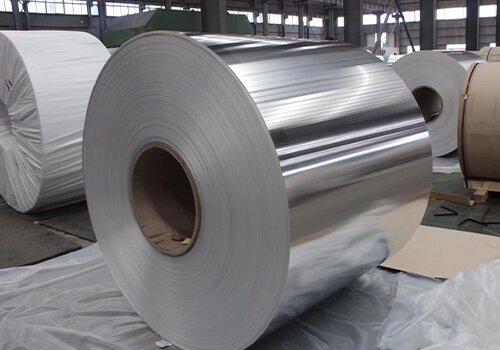
Although aluminum is weaker than both steels, it is lighter and inherently resistant to corrosion. While stainless steel excels in strength and endurance, galvanized stainless steel combinations provide mid-range performance.
Every metal has a certain purpose. Alluminio is a great material for lightweight buildings and roofing. Mid-budget construction is compatible with galvanized. Industries like food processing and marine engineering that require durability and hygienic conditions are dominated by stainless steel. When comparing galvanized steel vs stainless steel strength, aluminum cannot compete in load-bearing roles.

What’s the Difference Between Galvanized Steel and Carbon Steel?
The fundamentals of carbon steel are essential to comprehending the distinction between galvanized and stainless steel.
Carbon steel that has been coated with zinc is known as galvanized steel. This zinc layer prevents oxidation, while stainless steel’s chromium alloy structure provides internal corrosion resistance.
This clarifies the distinction between stainless steel and galvanized steel: the former depends on alloy chemistry, while the latter depends on surface protection. Galvanizing slows down corrosion, but carbon steel rusts more quickly. But even after decades, stainless steel remains rust-free, demonstrating that the term “galvanized stainless steel” is misleading because its composition is essentially different.
Which One Should You Choose for Your Project?
Costo, forza, peso, corrosion, and look are just a few of the numerous aspects that must be considered when deciding between galvanized and stainless steel.
If you want the highest strength, resistance to corrosion, and long-term dependability, go with stainless steel. For projects that are less expensive, transient, or exposed, go for galvanized steel. The best option is determined by the project’s duration and the surrounding environment.
Always take exposure, load, and maintenance into account when comparing galvanized vs stainless steel for structural projects. Stainless steel or galvanized for outdoor use in humid climates? Stainless prevails. Galvanized steel is still used for inside framing, ducting, and fences. The top engineers employ both materials strategically rather than solely in modern construction.
Riepilogo
Stainless steel offers higher strength and corrosion resistance, while galvanized steel delivers cost efficiency. The right choice depends on budget, ambiente, and lifespan goals.