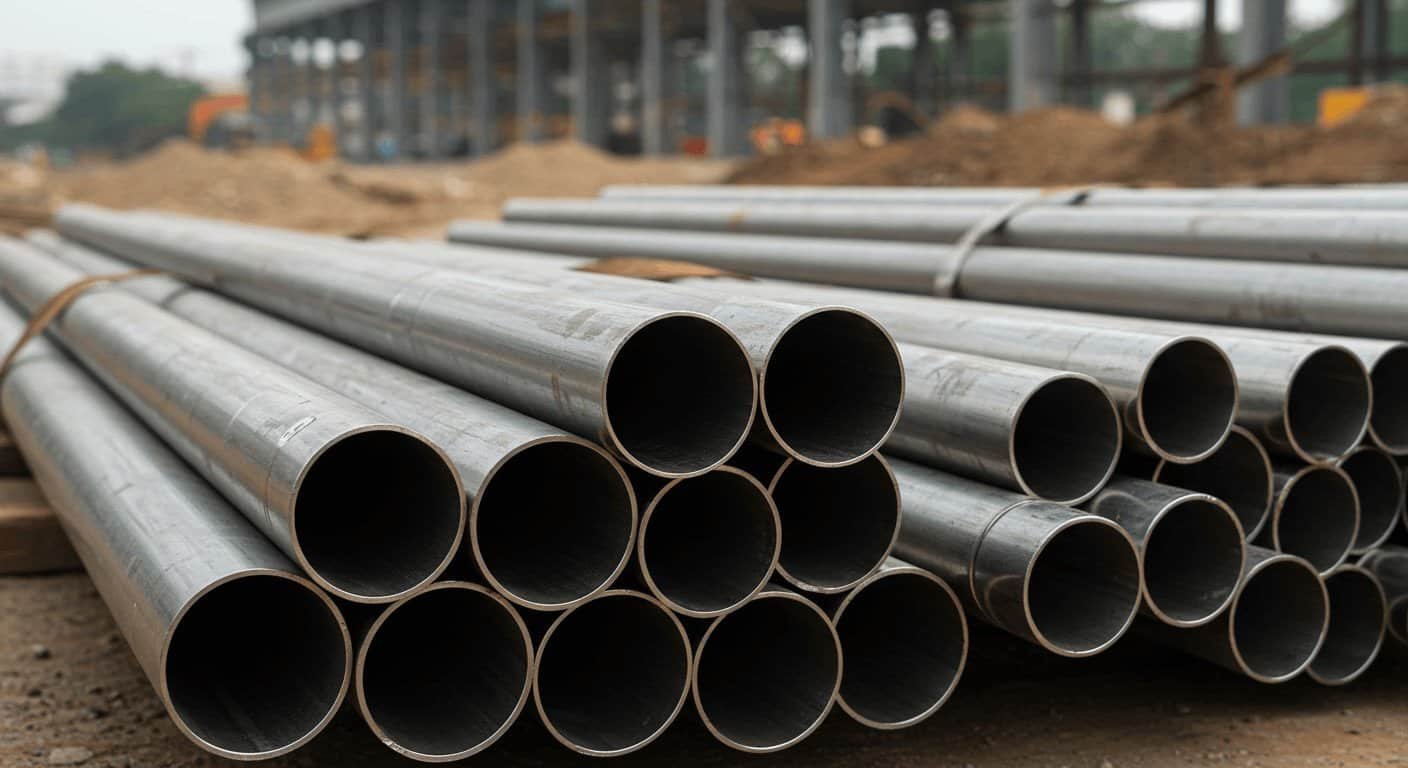
Choosing the wrong steel can lead to corrosion, ritardi, or extra costs. Understanding the difference between galvanized steel and stainless steel ensures you select the right material for your projects.
What is the difference between galvanized steel and stainless steel? The main difference between galvanized steel and stainless steel lies in composition and protection. Galvanized steel has a zinc coating for corrosion resistance, while stainless steel contains chromium alloy for durability. Consider environment, forza, cost, and maintenance when choosing between galvanized vs stainless steel to ensure project success.
Let’s dive deeper into how stainless steel vs galvanized materials compare across manufacturing, prestazione, and cost considerations.
How Are Galvanized Steel and Stainless Steel Made?
Buyers like Tony can evaluate quality and forecast performance in many applications by knowing how stainless steel and acciaio zincato are made.
Galvanized steel is created by electro-galvanizing or hot-dipping carbon steel with zinc. At least 10.5% chromium is melted and alloyed into stainless steel to prevent corrosion. Costo, saldabilità, and durability are all directly impacted by manufacturing procedures.
By submerging steel in molten zinc, hot-dip galvanizing creates a barrier that stops rust. The zinc layer is uniformly thinner after electro-galvanizing. D'altra parte, the chromium component in stainless steel forms a passive oxide layer that shields the steel from internal damage. When comparing galvanized and stainless steel for use in construction, export projects, and high-strength applications, these distinctions are critical.
Which Has Better Corrosion Resistance in Real Applications?
When choosing between galvanized and acciaio inossidabile, corrosion resistance is crucial, particularly for outdoor or industrial applications.
Because of its layer of chromium oxide, stainless steel typically has better corrosion resistance. Because of its zinc coating, galvanized steel is resistant to corrosion, but it may eventually deteriorate in hostile situations. Galvanized versus stainless steel performance needs to be carefully considered for long-term durability.
Materials with exceptional corrosion resistance are frequently needed for industrial pipes, outdoor buildings, and maritime equipment. While stainless steel can endure harsh weather, high humidity, or chemicals, galvanized steel is best suited for milder environments. Comprehending the endurance of stainless steel versus galvanized steel guarantees adherence to safety and quality standards and helps consumers avoid expensive maintenance.

What Is the Cost Difference Between Galvanized Steel and Stainless Steel?
For importers purchasing stainless steel or galvanized goods from China or other developing nations, cost is always a major concern.
Initially, galvanized steel is usually less expensive than stainless steel, but over time, replacement and maintenance expenses may rise. Buyers can make more informed investment decisions by comparing the costs of galvanized and stainless steel.
For South American trade enterprises that sell steel, price sensitivity up front is crucial. Longer service life and fewer repairs could make up for the greater cost of stainless steel. To find the most economical choice, comparisons of galvanized and stainless steel should take into account both material and operating costs.
Which Material Is Better for Construction Projects?
The decision between galvanized and stainless steel is vital because construction projects require a balance between strength, durata, e costo.
Stainless steel is appropriate for high-exposure locations that need longevity, while galvanized steel is frequently chosen for affordable constructions. Optimizing material selection is aided by steel vs galvanized steel factors.
Depending on the environment and project duration, galvanized stainless steel may be used for scaffolding, roofing sheets, and structural beams. While galvanized steel works well for interior or less crucial exterior applications, acciaio inossidabile offers corrosion resistance for coastal or humid environments. When purchasing materials, engineers and CEOs like Tony consider strength, durata, e costo.
How Do They Perform in Welding and Fabrication?
Galvanized steel and stainless steel have quite different fabrication techniques, which have an impact on production efficiency and usability.
Because of the zinc vapor, galvanized steel must be welded carefully, but stainless steel welds cleanly when done correctly. Learning the strength differences between stainless and galvanized steel aids in safe manufacturing planning.
Galvanized steel welding can release toxic vapors; thus, ventilation and safety precautions are necessary. Although stainless steel is simpler to weld, certain filler metals may be required to keep it resistant to corrosion. Project schedules and total costs are impacted by fabrication efficiency and safety regulations, particularly for large-scale industrial or export-oriented operations.

Which One Is Better for High-Temperature Environments?
When contrasting stainless and galvanized materials for industrial or energy projects, temperature tolerance is a crucial consideration.
High temperatures can cause the zinc coating on galvanized steel to deteriorate, whereas stainless steel retains its strength and resistance to corrosion. The choice between galvanized and stainless steel is based on the operational environment.
Because stainless steel can withstand high temperatures, it is frequently used in heat exchangers, furnaces, and chemical facilities. To prevent coating deterioration, galvanized steel can only be used at moderate temperatures. Longer-lasting and safer installations are ensured by knowing how stainless steel and galvanized steel behave under heat.
What Are the Differences in Maintenance and Service Life?
When choosing between galvanized and stainless steel, lifespan and maintenance requirements are critical factors that affect overall cost and operational dependability.
In general, stainless steel has a long service life and requires little upkeep. Periodic examination and re-coating of galvanized steel may be necessary. Lifecycle expenses should be taken into account when deciding between stainless steel and galvanized steel.
Frequency of maintenance affects resale value and customer satisfaction for distributors and wholesalers. While stainless steel resists wear and lowers repair costs, galvanized steel corrodes more quickly in outdoor installations or humid areas. Projects stay profitable and long-lasting when stainless steel or galvanized steel is evaluated for outdoor use.
Which Steel Is More Suitable for Outdoor Use?
Stainless steel or galvanized material for outdoor use is crucial because outdoor exposure poses problems like humidity, UV rays, and pollution.
Because stainless steel naturally resists corrosion, it performs well outside. While galvanized steel does well in milder climates, it can degrade in harsher ones. The climate and longevity requirements determine whether to use stainless steel or galvanized steel.
Rain-, sun-, and air pollution-resistant steel is frequently used for urban, agricultural, and infrastructure applications. Comparing stainless steel and acciaio zincato aids engineers and purchasing managers in determining the appropriateness of materials. Stainless steel is especially popular in coastal areas to prevent rust and increase service life.
How Do Certifications and Standards Differ?
When exporting galvanized or stainless steel goods to South America and other areas, quality control is essential.
ASTM, ISO, or EN standards are followed by galvanized and stainless steel. Certificates guarantee conformity, material strength, e resistenza alla corrosione. Certifications for stainless steel versus galvanized steel affect consumer confidence.
Exporters are required to submit accurate test results and compliance records. Tensile strength, coating quality, and confirmation of origin are frequently demanded by governments and business clients. Assessing the certificates for stainless steel against galvanized steel for Tony’s purchase guarantees a consistent supply and reduces disagreements.
How Should Buyers Choose Between Galvanized Steel and Stainless Steel?
When choosing between galvanized and stainless steel, it’s important to weigh project requirements, prestazione, cost, and the environment.
Purchasers should evaluate the project’s duration, environmental impact, budget, and type. While stainless steel gives durability, galvanized steel is more reasonably priced. Analysis of galvanized versus stainless steel guarantees well-informed purchases.
Knowing the strength, Resistenza alla corrosione, and cost differences between galvanized and stainless steel is crucial for trading companies who import steel to countries like Brazil, Cina, o nel sud-est asiatico. Final decisions are also influenced by certification, logistica, and delivery speed. Profits are increased, maintenance is decreased, and delays are avoided with careful analysis.
Riepilogo
Knowing the differences between galvanized and stainless steel enables purchasers to select materials that meet environmental, financial, and durability standards, guaranteeing successful, economical, and long-lasting steel projects.