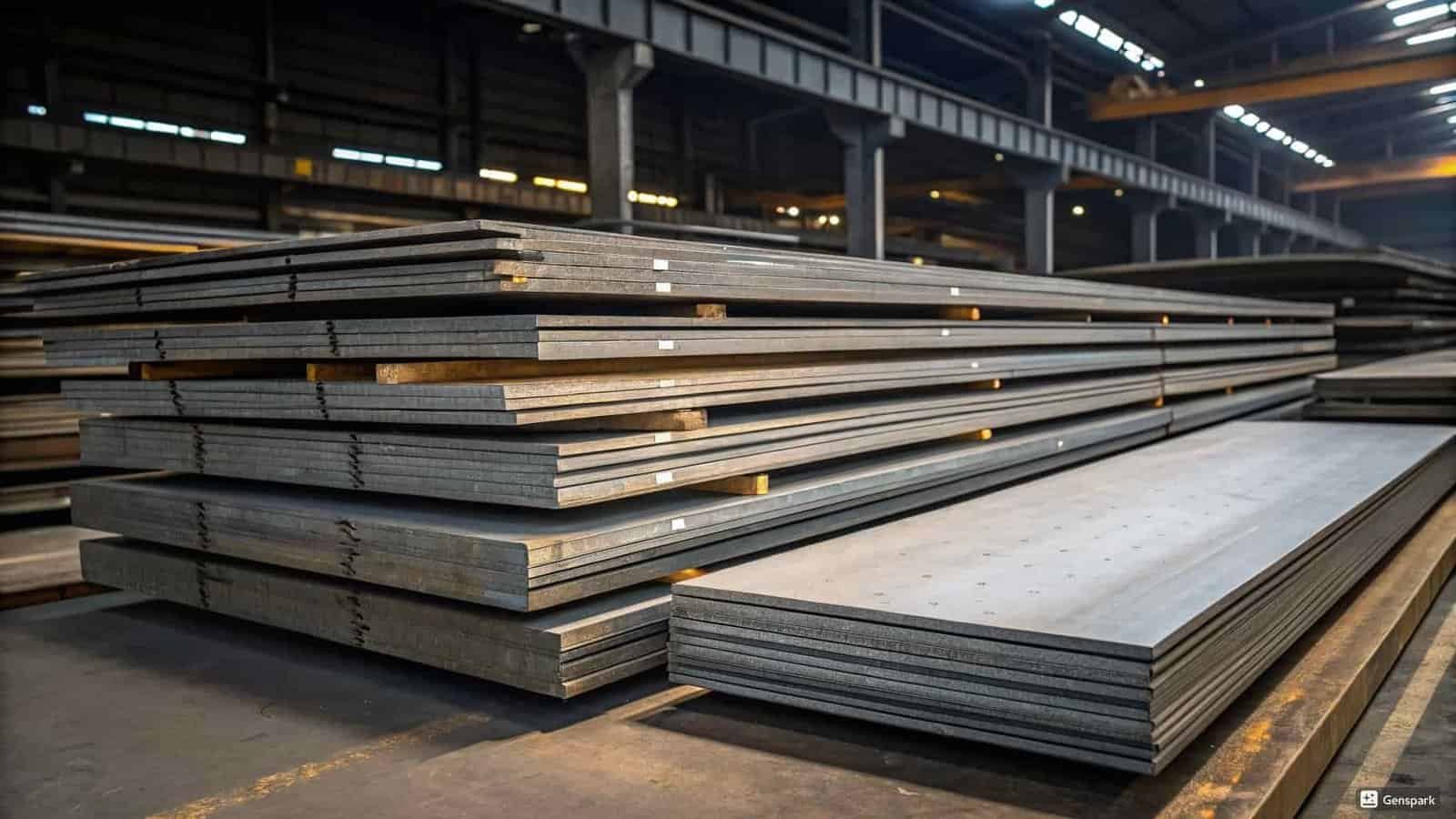
Unexpected steel weight mistakes can increase freight costs and delay projects. Buyers who misunderstand sheet steel weights often lose time, profit, and customer trust.
How heavy is sheet steel? Sheet steel’s weight depends on thickness, dimensions, and material density. Carbon steel typically weighs about 40.8 pounds per square foot per inch of thickness. Accurate calculations help buyers reduce shipping costs, improve purchasing decisions, and optimize international steel logistics for construction and manufacturing projects.
Understanding steel sheet weight helps buyers avoid costly purchasing and shipping mistakes.
What Factors Affect the Weight of Sheet Steel?
Although a number of technical issues can significantly impact project planning and shipping costs, many steel buyers assume that all steel sheets have identical weights.
kapal, sheet dimensions, steel grade, material density, and surface coating are the primary determinants of steel sheet weight. Shipment weight can be greatly increased by even minor specification modifications.
Thickness is the primary element influencing sheet steel weights.
Naturally, a thicker sheet is heavier since it contains more steel. A 10 mm steel sheet, halimbawa, weighs significantly more than a 2 mm sheet of the same size.
Dimensions are the second crucial component. The overall material volume is increased by broader and longer steel sheets. Custom sizes are frequently needed for large industrial projects, which has an immediate effect on the final weight of steel shipments.
Density of material is also important. The densities of carbon steel, hindi kinakalawang na asero, aluminum, and galvanized steel vary. Because of its alloy composition, stainless steel often weighs a little bit more than carbon steel. Aluminum sheets are perfect for lightweight industrial applications since they are significantly lighter.
The final steel sheet weight calculation is also impacted by surface treatments. The zinc coating on galvanized steel improves corrosion resistance while slightly increasing overall weight.
Bago ipadala, professional purchasers should always ask for mill specs and thoroughly check dimensions. In order to facilitate precise computations, reputable providers typically offer technical documentation and weight charts.
How Do You Calculate Sheet Steel Weight Accurately?
For overseas buyers, inaccurate steel weight calculations frequently result in freight issues, delays at customs, and unforeseen logistical costs.
Weight = Thickness × Width × Length × Density is the basic formula for steel weight. Precise outcomes in international steel trading depend on accurate unit conversion.
The answer to the question, “How heavy is sheet steel?” depends on how accurate the calculations are. For carbon steel, the most popular formula is:
kapal (mm) × Width (m) × Length (m) × 7.85 = Weight (kg)
The density of carbon steel in grams per cubic centimeter is 7.85.
Halimbawa:
- kapal: 5 mm
- Lapad: 1.5 m
- Haba: 6 m
Calculation:
- 5 × 1.5 × 6 × 7.85 = 353.25 kg
Buyers can use this method to evaluate warehouse capacity, container loading efficiency, and shipping costs.
A steel plate weight calculator is now widely used by importers to increase procurement accuracy. Online calculators make it easier to compare quotes from different providers and minimize human error.
International purchasers must be aware of unit systems. While some providers use pounds and inches, others use kilograms and meters.
Significant purchase errors might result from incorrect conversion.
Bilang karagdagan, precise computations enhance customs statements and lessen disagreements during shipment inspections.

How Heavy Is Carbon Steel Sheet Compared to Stainless Steel?
When choosing materials for manufacturing, building, or infrastructure projects, industrial purchasers often compare carbon steel versus stainless steel.
kasi hindi kinakalawang na asero includes more alloy elements with a higher density than carbon steel, stainless steel sheets are often slightly heavier.
Because of its exceptional strength and affordable price, carbon steel continues to be one of the most widely used industrial materials.
hindi kinakalawang na asero, sa kabilang banda, offers greater resistance to corrosion in challenging conditions.
Depending on the quality, stainless steel can have a density of up to 8.0 g/cm³, whereas carbon steel has a density of about 7.85 g/cm³. Because of this distinction, stainless steel often weighs a little bit more than identical carbon steel sheets.
Halimbawa, the stainless steel sheet can weigh several kilograms more even though the two sheets are the same size and thickness.
Gayunpaman, weight is only one factor during material selection. Buyers also evaluate:
- paglaban sa kaagnasan
- Weldability
- Mechanical strength
- Maintenance costs
- Product lifespan
Because corrosion is accelerated in salty environments, stainless steel is frequently preferred by construction companies in coastal areas. Carbon steel is still frequently utilized in structural projects where cost containment is crucial.
Skilled exporters assist purchasers in carefully comparing specifications to strike a compromise between budgetary constraints and performance needs.
Does Sheet Thickness Significantly Change Steel Weight?
In many multinational projects, steel thickness has a direct impact on industrial safety norms, freight costs, and structural performance.
Particularly for large-scale construction projects and bulk orders, even a slight increase in thickness can significantly increase the overall weight of steel.
One of the most significant factors influencing steel weight calculations is thickness. Significant variations in the overall bulk of the shipment can result from a little increase in thickness.
Halimbawa:
- A 1 mm sheet may weigh approximately 7.85 kg per square meter.
- A 10 mm sheet may weigh approximately 78.5 kg per square meter.
- Container loading and transportation planning are greatly impacted by this distinction.
Instead of using millimeters, many consumers employ gauge systems. Gayunpaman, different industries and regions have different gauge standards, which could lead to misunderstandings when doing business internationally. Expert vendors should always provide precise thickness measures.
Thicker steel sheets typically provide the following:
- Higher load-bearing capacity
- Better structural stability
- Increased durability
- Gayunpaman, they also increase:
- Ocean freight costs
- Port handling fees
- Warehouse requirements
- Crane lifting demands
Precise engineering estimates are frequently needed for large infrastructure projects in order to balance strength and weight efficiency.
Before production starts, buyers should properly convey technical needs.
How Much Does Galvanized Sheet Steel Weigh?
Because consumers require corrosion-resistant materials for roofing, building, and outdoor industrial applications, galvanized steel is still quite popular.
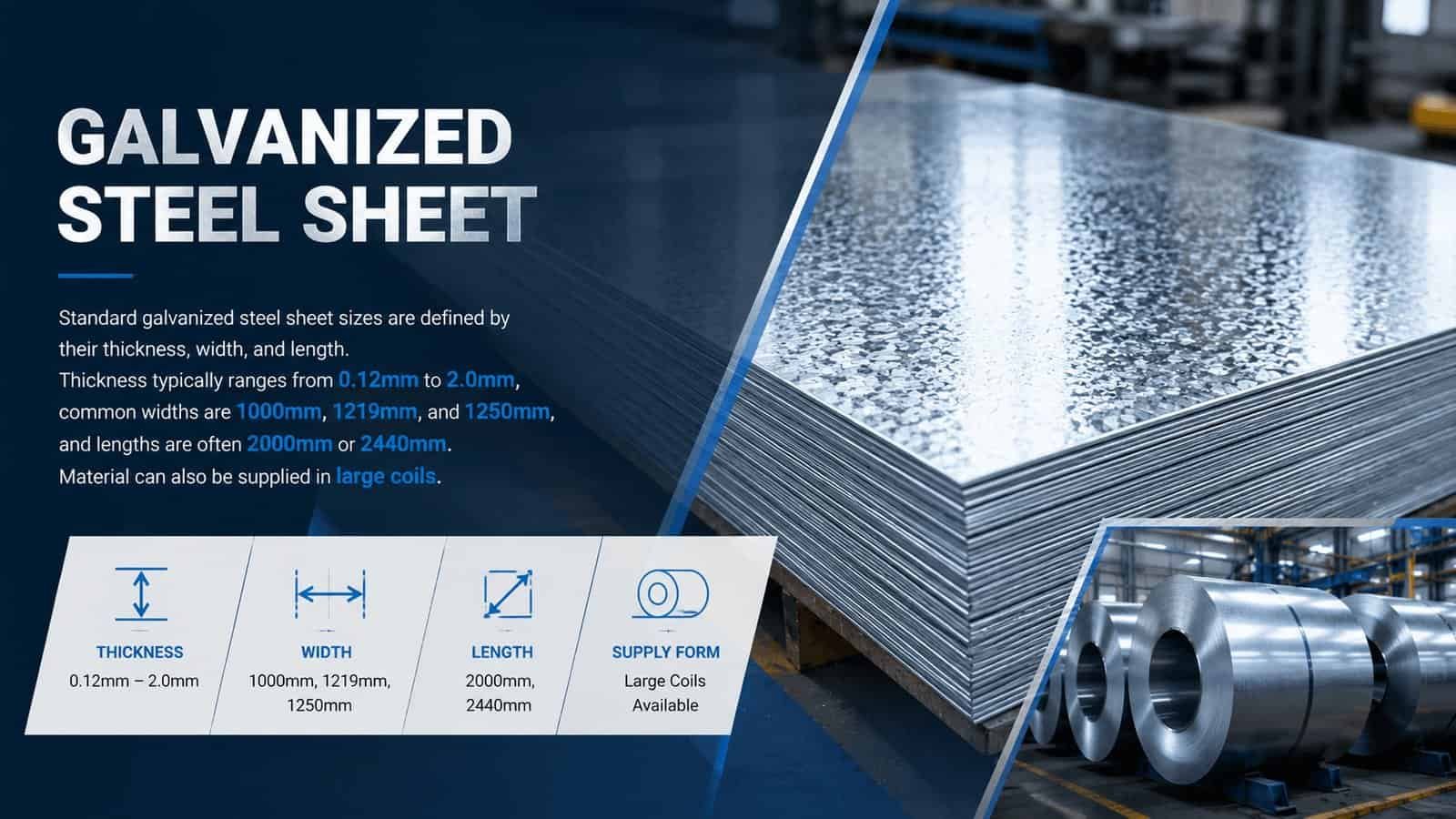
Because the zinc coating gives the steel’s surface more protection, galvanized sheet steel weighs a little bit more than ordinary carbon steel.
Carbon steel that has been coated with zinc to stop corrosion is known as galvanized steel. While prolonging service life, the zinc layer marginally raises total weight steel sheet values.
Hot-dip yero is widely used for:
- Roofing panels
- Industrial buildings
- Agricultural equipment
- Outdoor infrastructure
- Mga sistema ng HVAC
The overall weight is influenced by the coating thickness. Although heavier zinc coatings increase corrosion resistance, they also raise the cost of materials and the mass of shipments.
Because rust formation is frequently accelerated in humid areas, galvanized steel provides exceptional long-term value for buyers in South America, Southeast Asia, and the Middle East.
Reliable suppliers usually provide coating specifications such as the following:
- Z80
- Z120
- Z275
These figures represent the weight of zinc coating per square meter.
To guarantee adherence to regional building codes and project specifications, buyers should thoroughly check coating standards.
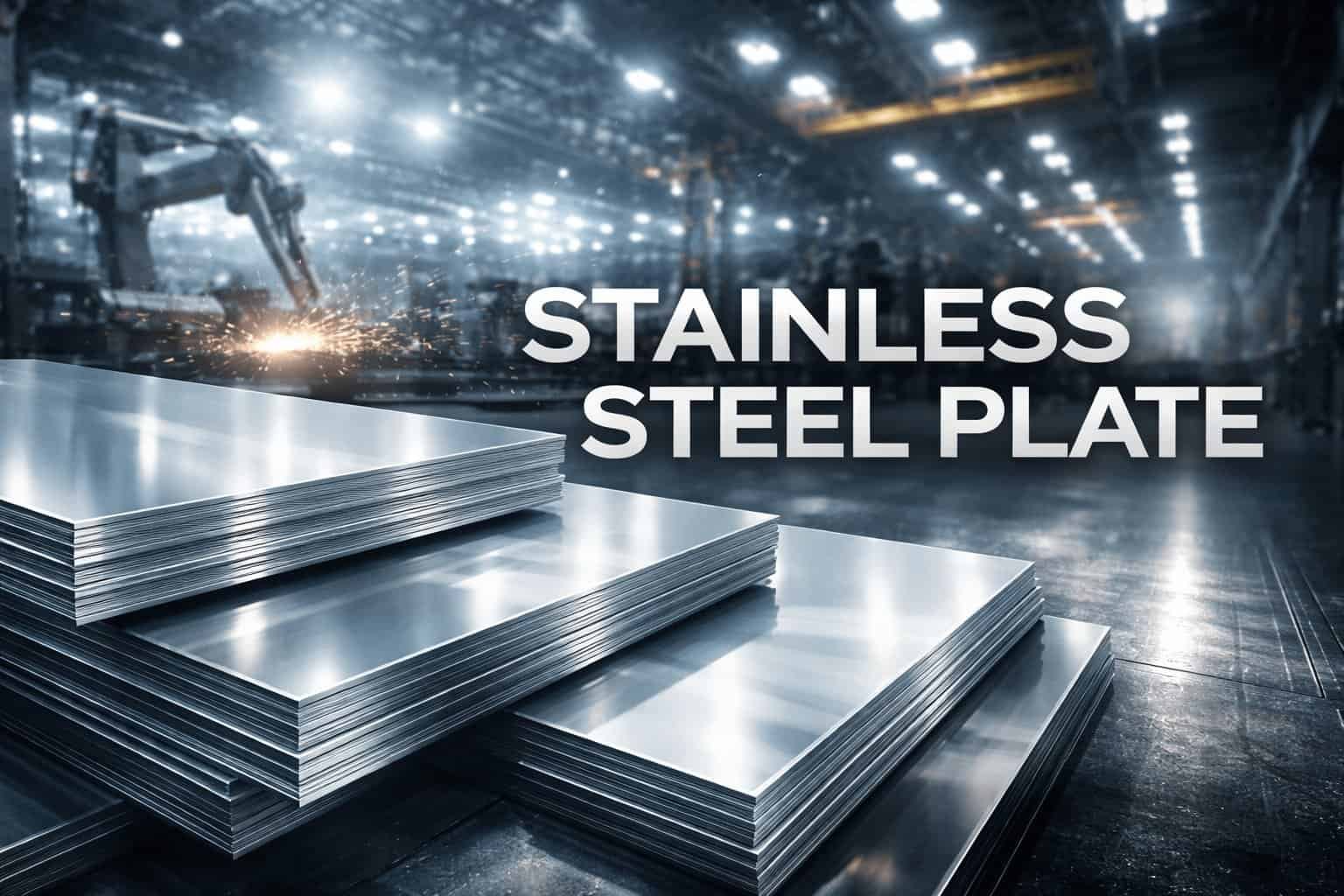
Why Is Accurate Steel Weight Important for International Shipping?
Because cargo weights are inaccurately approximated prior to container loading, international steel buyers frequently encounter unanticipated freight expenditures.
Accurate steel weight calculations eliminate international shipping risks, increase container utilization, save freight costs, and streamline customs clearance.
Accurate sheet steel weights are becoming more crucial for importers and distributors as shipping prices continue to rise globally.
Container weight restrictions are strictly enforced by ocean freight firms. Going above these boundaries could result in:
- Additional penalties
- Shipment delays
- Customs inspections
- Port storage fees
Halimbawa, a standard 20-foot container usually handles around 25 metric tons depending on local regulations.
Buyers who understand How heavy is sheet steel? can optimize loading plans and reduce transportation waste.
Accurate calculations also improve:
- Logistics scheduling
- Crane operations
- Truck transportation
- Warehouse management
Even minor computation errors might result in extra expenses of thousands of dollars in the international steel trade.
To facilitate effective logistics planning, experienced exporters frequently offer comprehensive packing lists and weight breakdowns.
What Are Standard Sheet Steel Sizes and Their Typical Weights?
Buyers can compare supplier quotes more quickly and prevent specification ambiguities during the procurement process by being aware of typical steel sheet sizes.
4 x 8 foot, 5 x 10 foot, and bespoke measurements are typical sheet steel sizes. Steel grade and thickness affect weight.
Depending on local manufacturing regulations, steel sheets come in a variety of standard sizes.
Popular dimensions include:
- 4×8 feet
- 5×10 feet
- 1,500 × 6,000 mm
- 2,000 × 6,000 mm
Weight changes according to thickness and material type. Halimbawa:
- 2 mm carbon steel sheet
- 4×8 feet
- Approximate weight: 100–110 kg
Before placing orders, a lot of buyers estimate the shipment requirements using a steel plate weight calculator.
Infrastructure projects and industrial industries frequently use customized steel sheets. Custom dimensions, gayunpaman, can lengthen lead times and reduce production efficiency.
Buyers should also confirm:
- Tolerance standards
- Surface finish
- Edge condition
- Packaging requirements
Clear technical communication helps avoid quality disputes and shipment delays.
How Can Buyers Reduce Steel Transportation Costs?
Steel importers are being forced to streamline purchasing tactics and enhance logistical efficiency due to the ongoing global increase in transportation costs.
By optimizing dimensions, maximizing container space, consolidating goods, and choosing appropriate steel standards, buyers can lower transportation costs.
Throughout the procurement process, careful planning is necessary to save shipping expenses.
Choosing the ideal sheet dimensions is one useful tactic. Appropriate size minimizes wasted volume and maximizes container space usage.
Balancing the criteria for thickness and strength is another crucial tactic. Steel that is too thick adds needless weight to shipments.
Professional suppliers also help buyers:
- Consolidate mixed products
- Improve packaging efficiency
- Reduce loading gaps
- Optimize container distribution
Accurate weight of steel calculations are essential for controlling freight budgets.
Some importers also combine steel products such as:
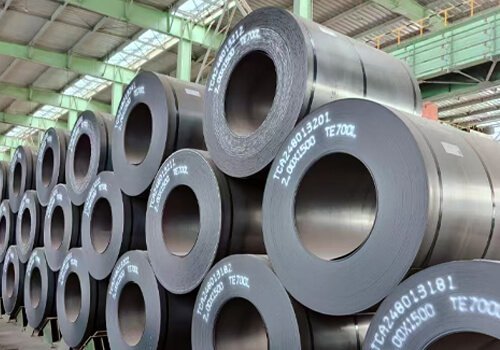
- Carbon steel coils
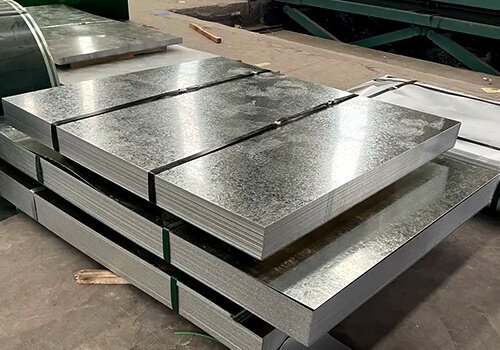
- Galvanized sheets
- Stainless steel products
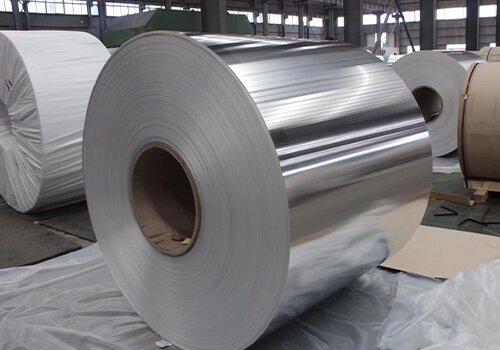
- Aluminum coils
This tactic lowers transportation expenses per unit while increasing shipment value.
During periods of high sales, effective supplier communication enhances scheduling and minimizes expensive delays.
What Certifications Should Steel Sheet Suppliers Provide?
Before finalizing purchases, professional steel buyers frequently need certifications to validate export compliance, manufacturing standards, and product quality.
When needed, reputable steel suppliers should offer international quality compliance documentation, ISO certifications, inspection reports, and mill test certificates.
In the global steel trade, quality control is essential. Bago ipadala, buyers should ask for the appropriate certification.
Common documents include:
- Mill Test Certificate (MTC)
- SGS inspection reports
- ISO certifications
- Pagsunod sa ASTM
- EN standards documentation
- These documents verify:
- Chemical composition
- Mechanical properties
- Coating thickness
- Production quality
Certification is required for many construction projects in order to comply with engineering safety regulations and receive government clearance.
Skilled vendors comprehend technological specifications and deliver paperwork promptly to facilitate seamless customs clearance.
Bilang karagdagan, purchasers can lower quality risks by using third-party inspections, particularly for large-volume orders.
Strict production control is maintained by dependable exporters to guarantee that each shipment satisfies customer requirements.
How Do You Choose the Right Sheet Steel for Your Industry?
Steel sheet specifications vary by industry based on long-term performance expectations, strength requirements, and environmental conditions.
For best outcomes, certain steel grades, thicknesses, and surface treatments are needed in the construction, sasakyan, pagmamanupaktura, and infrastructure sectors.
Technical performance and project budget must be balanced while selecting the appropriate steel sheet.
Construction companies often prioritize:
- Structural strength
- Weldability
Manufacturing industries may focus more on:
- Surface quality
- Precision dimensions
- Formability
Meanwhile, infrastructure projects frequently require heavy-duty steel capable of handling extreme weather conditions.
When evaluating suppliers, buyers should compare:
- Production capacity
- Delivery reliability
- Export experience
- Quality control systems
- Technical support
Knowing the weight of sheet steel? aids purchasers in choosing appropriate materials while managing operational effectiveness and shipping expenses.
Bilang karagdagan, skilled steel exporters offer tailored advice based on regional norms and industry applications.
Buod
Knowing steel sheet weight helps international buyers choose dependable materials for long-term project success, increases purchase accuracy, and lowers shipping costs.