Steel rusting too fast can ruin projects and profits. Delays, complaints, and losses follow. Understanding galvanized steel lifespan helps you avoid costly mistakes.
How long does it take for galvanized steel to rust in different environments? Karaniwan, galvanized steel lasts 20–50 years depending on the environment, coating thickness, and exposure conditions. In mild environments, it may exceed 50 taon, while in coastal or high-humidity areas, corrosion can begin within 10–20 years if not properly protected.
Let’s explore how different factors and environments affect galvanized steel performance.
What Affects How Long Galvanized Steel Takes to Rust?
Many buyers ask how long it takes for galvanized steel to rust, but the answer is not fixed. Several critical factors determine corrosion speed and long-term durability.
The thickness of the zinc coating, exposure to the environment, humidity, pollution, and upkeep all affect how long it lasts. The lifespan of galvanized steel is greatly increased by thicker coatings and cleaner surroundings.
You must be aware that galvanization functions as a protective zinc barrier when assessing how long it lasts. In order to safeguard the underlying steel, this coating sacrifices itself. Zinc intake is accelerated by chemical exposure in industrial or contaminated regions. Sa kaibahan, the coating might stay much longer in arid or rural areas.
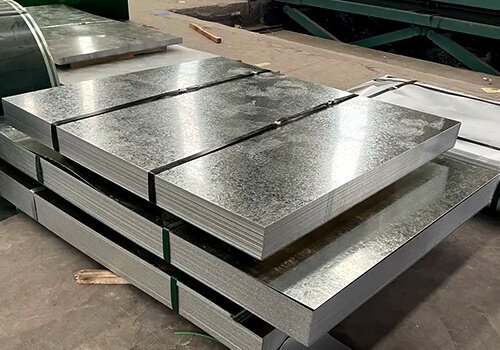
Halimbawa, durability can be significantly increased by a thick zinc layer (like G90 or Z275). For this reason, expert purchasers consistently ask for coating certificates and standards. Verify the zinc thickness whenever you source galvanized steel coil because it has a direct impact on lifecycle cost and long-term performance.
How Long Does Galvanized Steel Last in Outdoor Environments?
Outdoor exposure is one of the most common applications, yet many still wonder how long does galvanized steel lasts outside under normal weather conditions.
Depending on rainfall, air quality, and coating thickness, galvanized steel usually lasts 30 sa 50 years in ordinary outdoor situations before noticeable rust emerges.
The answer to the question of how long galvanized steel lasts outside is largely dependent on the climate. Galvanized steel works remarkably well in arid, inland regions, frequently surpassing expectations. Gayunpaman, the zinc coating may gradually deteriorate due to frequent rain and temperature changes.
Because of its endurance, galvanized steel is frequently used by construction businesses for structural elements, bubong, and fencing. Gayunpaman, routine examination is crucial. If left untreated, minor scratches or exposed areas could hasten localized deterioration.
Selecting the appropriate coating grade guarantees fewer complaints and a longer product lifespan in the final market for purchasers like Tony who resell steel abroad.

Does Galvanized Steel Rust Faster in Coastal Areas?
Coastal environments are harsh, and many importers worry about how long does it take galvanized steel to rust near the ocean.
Sa totoo lang, the exposure to salt causes galvanized steel to corrode more quickly in coastal places. Without further protection, corrosion could start in ten to twenty years.
Zinc corrosion is greatly accelerated by airborne salt particles. For this reason, coastal projects need more protective layers or thicker coatings. This becomes even more important if you’re exporting to nations like Chile or Brazil.
Many purchasers combine galvanization with painting or other coatings to increase longevity. Knowing how long it takes for galvanized steel to corrode under these conditions can assist in saving expensive replacements.
Talk to your provider about application situations at all times. Rather than only offering the lowest price, a trustworthy exporter would suggest the proper specification.
How Does Humidity Impact Galvanized Steel Corrosion?
Humidity is often underestimated, yet it plays a major role in determining how long does it take for galvanized steel to rust.
By keeping the surface moist, increasing the frequency of chemical reactions, and shortening the coating’s lifespan, high humidity speeds up corrosion.
Galvanized steel is exposed to moisture for long periods of time in tropical areas or during rainy seasons. Zinc oxidation is accelerated by this continuous moisture. Galvanizing thus has a shorter lifespan than anticipated.
Humidity must be taken into account when purchasing for buyers shipping to South America or Southeast Asia. Conditions of storage are also important. Early white rust formation may result from improper packaging during transportation.
Performance can be greatly enhanced and risk reduced by using moisture-proof packaging and enough ventilation.
Can Galvanized Steel Rust Indoors?
Is it true that yero never rusts indoors, despite what some people believe?
Galvanized steel can rust indoors, but it does so significantly more slowly. It might not corrode significantly for more than 50 years in dry, regulated conditions.
Steel is usually exposed to less moisture and contaminants in indoor settings like factories or warehouses. As a result, the zinc coating can last for decades.
Gayunpaman, corrosion can still result from specific interior factors like chemical exposure or inadequate ventilation. Buyers can make better choices for particular use cases by knowing how long galvanized steel lasts indoors.
Combining galvanization with protective coatings can improve performance even more if durability is important.

How Long Does Galvanized Steel Last Underground?
Underground use presents unique challenges, making many engineers question how long does it take galvanized steel to rust below the surface.
The average underground lifespan is between 15 at 50 taon, depending on the acidity, moisture content, and composition of the soil.
The state of the soil is very unpredictable. Zinc coatings can be rapidly degraded by saline or acidic soils. Sa kabilang banda, galvanized steel can be preserved for decades in neutral or dry soil.
Soil testing is highly recommended prior to employing steel underground. Because this step is neglected, many infrastructure projects collapse too soon.
Additional coatings or cathodic protection systems can be required if you want to increase lifespan.
Does Coating Thickness Affect Rust Time?
One of the most important yet overlooked factors is coating thickness when evaluating how long does galvanised steel last outside.
Sa totoo lang, rust is much delayed by thicker zinc coats. Longer protection and slower corrosion are associated with heavier coatings.
Zinc coating acts as a sacrificial layer. The thicker it is, the longer it takes to wear off. This directly answers how long does it take galvanized steel to rust.
Coating levels like G60 and G90 are defined by standards like ASTM A653. For your application, selecting the appropriate standard is essential.
Even if the initial cost is higher, thicker coatings should always be used for high-risk settings. It lowers replacement and maintenance costs over time.
What Happens When the Zinc Coating Wears Off?
The protective layer will eventually deteriorate, prompting questions about what will happen next.
The underlying steel is exposed and starts to rust quickly without protection once the zinc covering is removed.
This phase is crucial. Corrosion can develop swiftly and jeopardize structural integrity if left unchecked. Regular inspections are therefore required.
The product’s lifespan can be increased by using galvanized steel rust repair techniques, including re-coating or zinc-rich paints.
Buyers can plan maintenance cycles and prevent unplanned breakdowns by being aware of this phase.

How to Prevent Galvanized Steel from Rusting Faster?
For large-scale projects in particular, it is usually preferable to prevent corrosion rather than cure it.
Use stronger coatings, add protective layers, prevent scratches, and make sure storage and transit are done correctly to prolong lifespan.
Proactive steps are the key to preventing galvanized steel from rusting. Choose the appropriate coating specification first. Second, when handling, steer clear of mechanical damage. Third, keep materials dry and well-ventilated.
Additional coatings like paint or powder coating can provide extra protection in harsh environments.
You may greatly increase the lifespan of galvanized steel by taking these actions, which will improve ROI and customer satisfaction.
Is Galvanized Steel Better Than Stainless Steel for Rust Resistance?
When deciding between price and performance, buyers frequently evaluate materials.
Although hindi kinakalawang na asero is more resistant to corrosion, galvanized steel is more economical in many situations.
Chromium, a component of stainless steel, creates a protective layer that can mend itself. It is hence extremely resistant to corrosion. It is somewhat more costly, though.
Sa kabaligtaran, yero strikes a balance between price and functionality. It provides adequate durability at a reduced cost for the majority of industrial and construction applications.
Buyers like Tony can make well-informed sourcing decisions based on application requirements and budget by being aware of the trade-off.
Buod
Ang kapaligiran, coating, and maintenance all affect how long galvanized steel lasts. To optimize longevity and lower long-term expenses, select the appropriate specification and protection plan.