
Steel structures rust, projects get delayed, and maintenance costs rise unexpectedly. Many buyers lose profits due to corrosion and unreliable materials. Choosing the right solution changes everything.
How can galvanized coils improve construction durability while reducing long-term costs? Galvanized coils improve construction durability by applying a protective zinc coating that prevents corrosion, extends service life, reduces maintenance costs, and enhances structural reliability. High-quality galvanized steel coils—especially hot dipped galvanized coils—offer long-term cost efficiency, making them ideal for construction, roofing, infrastructure, and industrial applications in humid or coastal environments.
Let’s explore how galvanized coils deliver durability, cost savings, and supply reliability.
What Are Galvanized Coils and How Are They Manufactured?
We must comprehend what galvanized coils are and how the galvanizing process turns regular steel into a high-performance, corrosion-resistant building material before selecting materials for construction or resale.
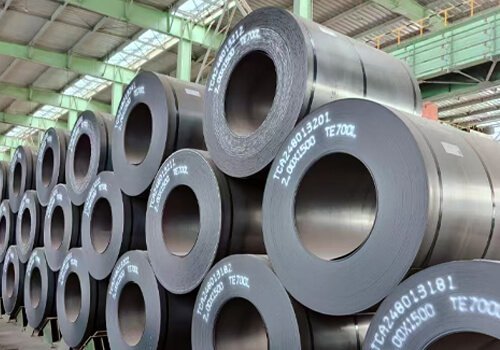
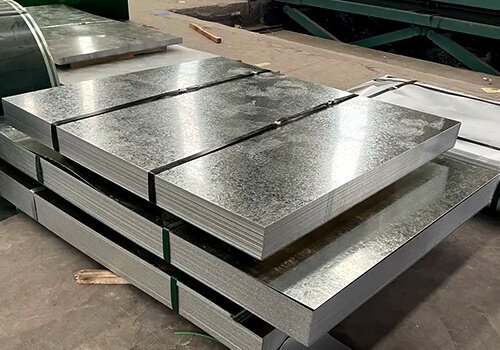
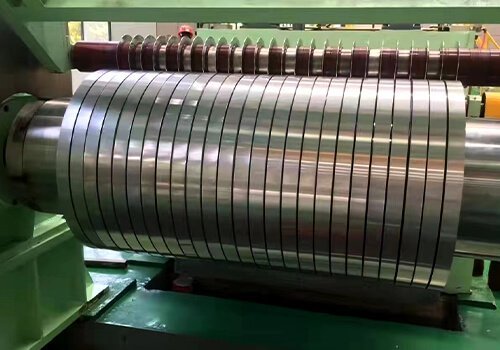
A steel coil that has been coated with zinc to prevent corrosion is known as a galvanized coil. The majority of items are produced via hot-dip galvanizing, which involves submerging steel in molten zinc to create a strong protective coating. Hot dipped galvanized steel, which is frequently used in manufacturing and construction, is produced via this technique.
To put it simply, a carbon steel substrate is the starting point for a galvanized steel coil. The hot-dip method involves cleaning, annealing, and then immersing the steel sheet in molten zinc. Zinc and steel form a metallurgical connection as a result.
Hot dipping and electro-galvanizing are the two popular techniques. Gayunpaman, because of their better corrosion resistance and thicker zinc coating, hot dipped galvanized coils are more widely used in construction.
These metal coils are subsequently turned into framing elements, duct systems, roofing panels, and structural components. Under the right circumstances, the protection lasts for decades since the coating integrates into the steel surface.
Why Are Galvanized Coils Highly Corrosion Resistant?
One of the largest risks to the profitability of construction is corrosion, particularly in humid and coastal countries like Brazil or Southeast Asia where steel deteriorates quickly in the absence of protection.
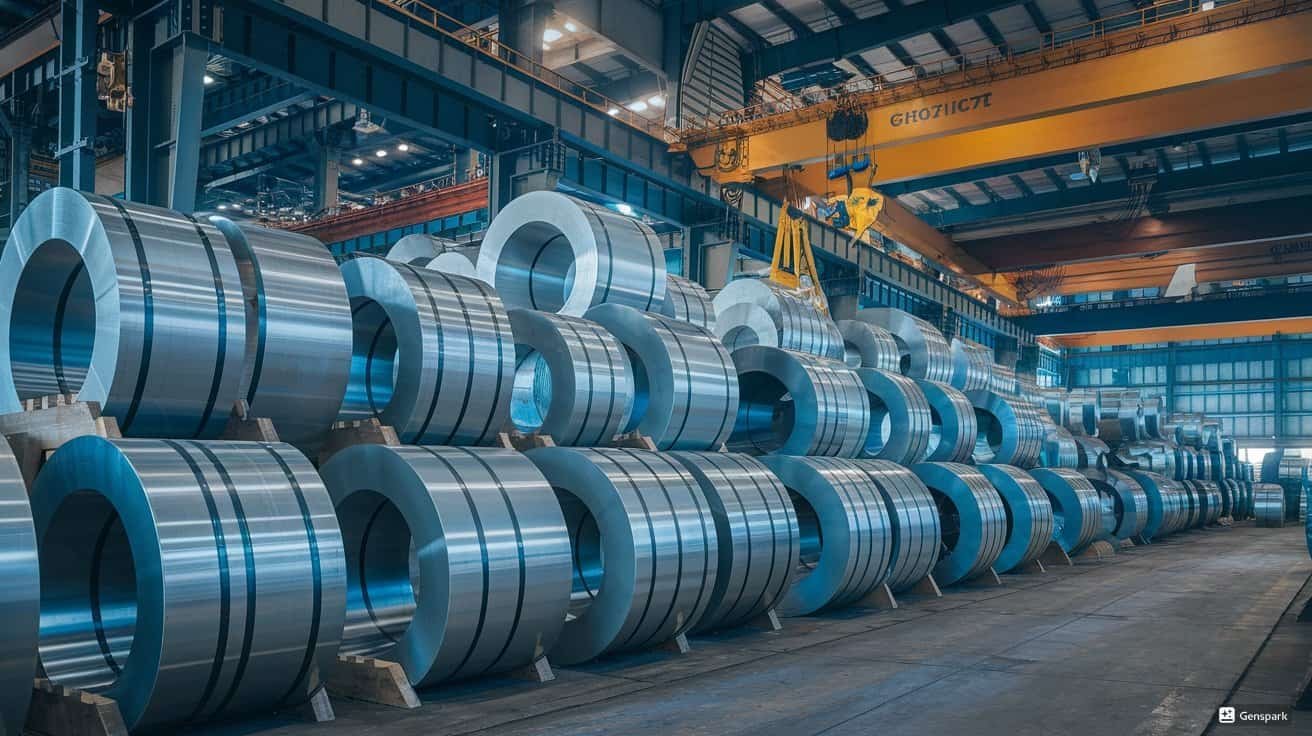
Because zinc serves as a sacrificial layer, galvanized steel coils are resistant to corrosion. Zinc corrodes first, shielding the steel underlying, even if the surface is scraped. When compared to uncoated steel sheet goods, this electrochemical treatment greatly increases service life.
The zinc coating serves two important purposes. It first establishes a physical barrier between steel and moisture. It also offers cathodic protection. Zinc continues to defend exposed regions in the event of damage.
This results in fewer warranty claims and less maintenance for distributors and construction companies. Depending on coating thickness and exposure to the climate, properly coated galvanized coils can last two to five times longer than untreated steel sheet.
For this reason, hot-dipped galvanized steel finds extensive application in ventilation ducts, agricultural structures, roofing systems, and structural frames.
How Long Do Galvanized Coils Last in Different Environments?
Because durability has a direct impact on resale profits, project guarantees, and long-term customer satisfaction in competitive construction marketplaces, buyers like Tony frequently inquire about service life.
The climate and coating thickness affect how long galvanized steel coils last. They might last more than 30 years in rural locations. High-quality hot dipped galvanized coils usually last 15 sa 25 years in metropolitan or coastal areas.
Zinc thickness is indicated by coating mass classifications like Z60, Z120, and Z275. Longer protection is associated with a higher coating weight.
For example:
- Z60 works well in dry indoor environments.
- Z120 is suitable for general construction.
- Z275 performs better in marine or high-humidity regions.
Determining the appropriate coating requires an understanding of steel coil applications. In comparison to interior framing in Mexico, roofing in coastal Chile requires a thicker finish.
Making the right choice lowers the need for replacements and boosts ROI. For trade enterprises that buy from poor nations and resell in markets with high demand, this is particularly crucial.
Are Galvanized Coils Cost-Effective Compared to Other Steel Products?
The initial cost of galvanized steel coils makes some purchasers hesitant, but wise procurement takes lifetime costs into account in addition to purchase price.
Even though galvanized steel coils cost more up front than black steel, they end up being more affordable over time due to their longer lifespan, reduced maintenance, and fewer replacements.
Let’s compare the overall expenses. Painting, rust treatment, or early replacement may be necessary for uncoated steel. That results in more work and downtime.
Galvanized coils, sa kabilang banda, require less upkeep. In many applications, the zinc coating replaces the requirement for further protective coatings.
When calculating profitability, consider:
- Initial material cost
- Maintenance cost
- Replacement frequency
- Project lifespan
For importers selling into Brazil or Argentina, reduced failure risk means fewer disputes and stronger reputation. That directly supports long-term profit margins.
What Quality Standards and Certifications Should You Check?
Particularly for CEOs and technical directors who prioritize certifications, testing reports, and adherence to global standards, quality inspection is essential.
Reputable producers of galvanized steel coils adhere to JIS, Sa, or ASTM standards. Before buying any galvanized steel coil, buyers should confirm the mill test certifications, mechanical characteristics, chemical composition, and zinc coating weight.
Key quality checkpoints include:
- Coating thickness test
- Surface inspection
- Tensile strength verification
- Yield strength confirmation
- Weight tolerance check
Comprehending the weight of steel coils is crucial for cost estimation and logistical planning. Issues with shipping and customs may arise from inaccurate weight documentation.
Additional assurance is offered by third-party inspection organizations like BV or SGS. Strict pre-shipment inspection lowers claims and improves relationship over the long run for exporters with 18 years of expertise.
How to Avoid Quality Problems When Importing Galvanized Coils?
When ordering from foreign vendors, delayed shipments and variable quality are frequent worries, particularly as peak sales seasons draw near.
Verify the supplier’s experience, ask for production images and inspection videos, validate packing specifications, and have third-party testing done before shipping to prevent problems while importing galvanized coils.
Here are practical steps:
- Audit the factory background.
- Confirm production capacity.
- Review previous export markets.
- Inspect packaging for moisture protection.
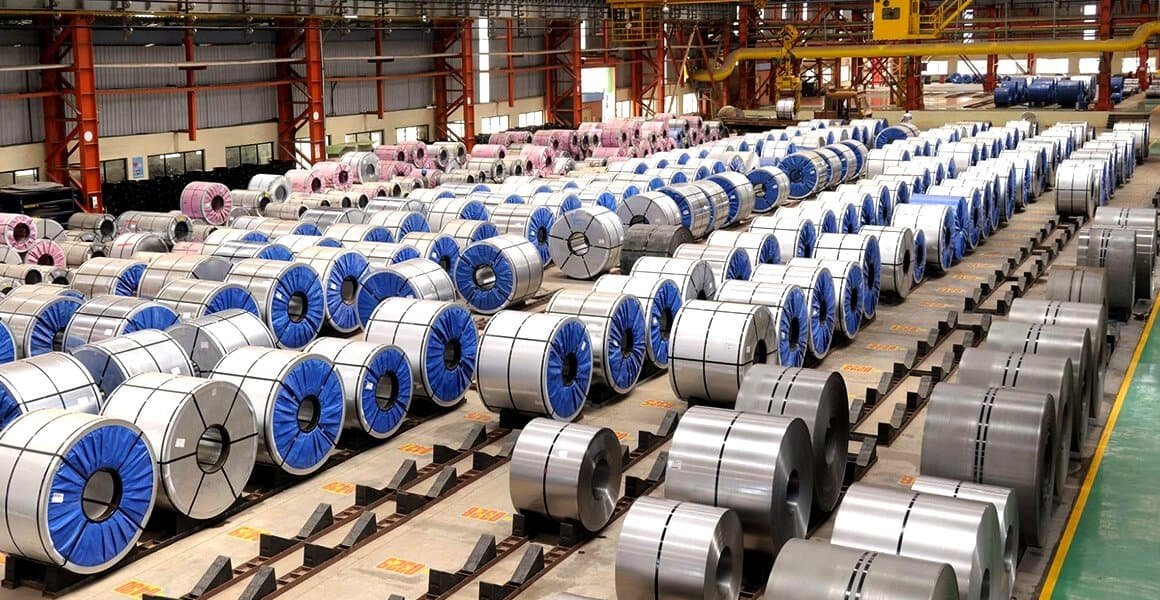
Seaworthy packing, which includes waterproof paper, steel strips, and protective outer wrapping for every coil of steel, is used by seasoned exporters.
Misunderstandings are avoided by communicating coating grade, thickness, and steel sheet requirements clearly. Shipments arrive before seasonal demand peaks thanks to effective coordination.
What Are the Common Applications of Galvanized Coils in Construction?
Understanding application scenarios helps buyers choose appropriate coating grades and specifications for different building and infrastructure projects.
Common steel coil uses include roofing panels, wall cladding, structural framing, HVAC duct systems, agricultural buildings, and light steel structures made from hot dipped galvanized steel.
Because of strength and corrosion resistance, galvanized steel coils are widely applied in:
- Residential housing
- Commercial warehouses
- Industrial plants
- Transportation infrastructure
Galvanized coils are utilized to make corrugated roofing sheets in several South American markets because they are inexpensive and long-lasting.
Large-scale building projects are supported by their exceptional formability and weldability, which make it simple to turn them into specific profiles.

How Does Zinc Coating Thickness Affect Performance?
The coating thickness directly affects corrosion resistance and overall service life, thus not all galvanized steel coils function equally.
Durability is increased with a heavier zinc coating. For instance, in humid or maritime situations, Z275 hot-dipped galvanized coils offer better corrosion protection than Z60 grades.
The circumstances of the project determine which specification is best.Thicker coating means:
- Longer lifespan
- Better resistance to scratches
- Higher material cost
Pricing and performance criteria for galvanized steel coils must be balanced. Before choosing a grade, technical purchasers should assess environmental exposure.
In competitive markets, investing in the right coating thickness guards against early rusting and preserves brand reputation.
What Logistics and Packaging Methods Prevent Shipment Delays?
Because shipment delays can lead to missed peak sales seasons and significant financial losses, effective logistics management is essential.
To guarantee secure maritime shipping and seamless customs clearance, expert exporters safeguard galvanized coils with waterproof packing, reinforced steel straps, and unambiguous labeling.
Every steel coil needs to be firmly coated in plastic film and anti-rust paper. Damage from loading and unloading is lessened with edge protectors.
Customs processes are accelerated by accurate documentation, such as the packing list, commercial invoice, and certificate of origin.
Knowing the weight of steel coils guarantees appropriate container loading schedules, avoiding overweight fines or port delays.
For distributors and construction firms, dependable logistics coordination reduces risk and maintains reliable supply chains.
How to Choose a Reliable Galvanized Coil Supplier from China?
In addition to product quality, choosing the correct supplier also affects competitive pricing, delivery dependability, and the stability of long-term partnerships.
Select seasoned producers of galvanized steel coils who have a track record of successful exports, stringent quality control procedures, clear pricing structures for galvanized steel coils, and excellent logistical coordination skills.
A reliable supplier should provide:
- 18+ years export experience
- Stable raw material sourcing
- Advanced galvanizing lines
- Third-party inspection support
- Flexible payment terms
Expert exporters are aware of the demands of global markets, particularly those in Southeast Asia, the Middle East, and South America.
They provide competitive pricing alternatives for galvanized steel coils without sacrificing quality. Mutual trust is increased and risk is decreased through sustained collaboration.
Buod
Long-term endurance, cost effectiveness, and corrosion resistance are all provided by galvanized coils. Construction projects around the world are certain to be profitable and dependable when the proper coating, supplier, and logistics partner are selected.