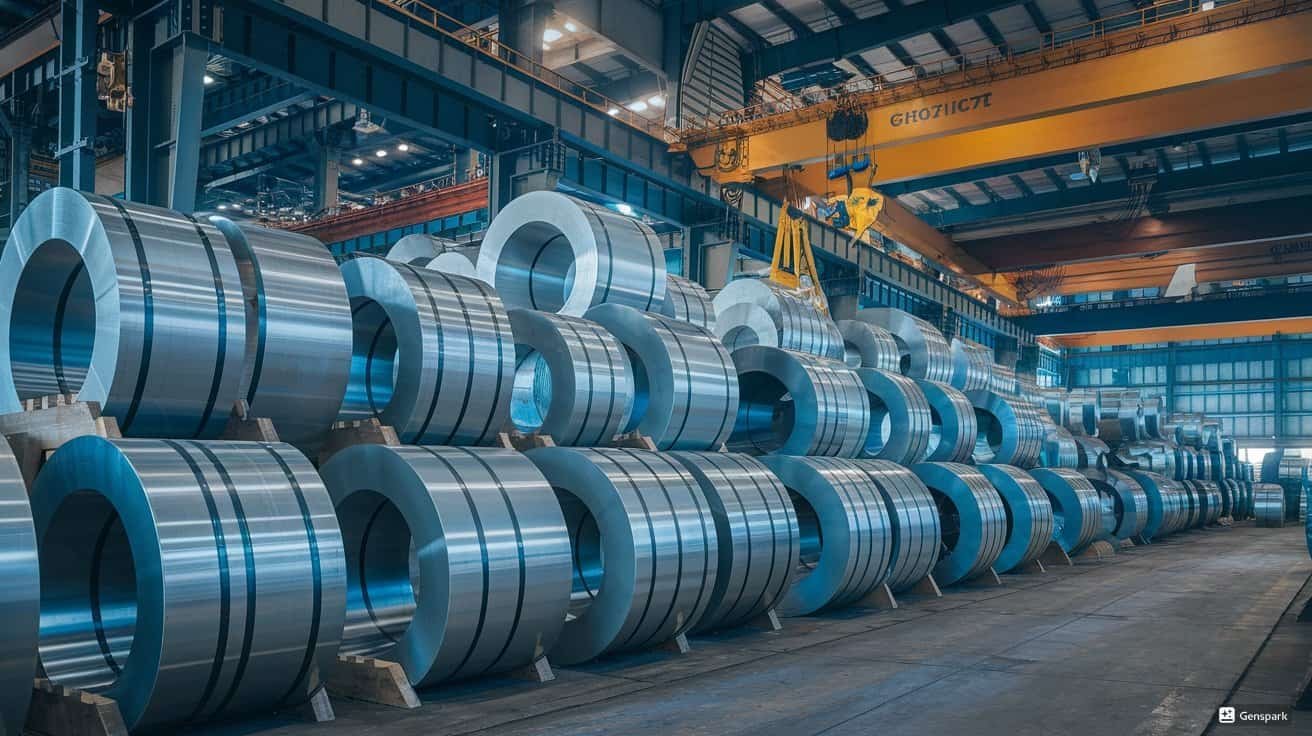
When choosing materials, many buyers feel lost between galvanized vs stainless steel. Both resist rust, yet their performance, price, and durability differ significantly. Let’s clear the confusion today.
The main difference between galvanised and stainless steel is their corrosion protection method. Galvanised steel is ordinary steel coated with zinc, while stainless steel is an alloy with chromium that prevents rust internally. Both are durable, but stainless steel excels in harsh environments, whereas galvanised steel provides cost-effective protection for general applications.
Let’s dive deeper into the detailed comparison of stainless steel vs galvanized to help you choose wisely for your project.
Which Is More Expensive, Galvanised or Stainless Steel?
When comparing galvanized steel vs stainless steel, engineers, purchasers, and construction firms frequently prioritize price. Budget and performance can be balanced with an understanding of costs.
Due to the sophisticated refining process and alloying ingredients like nickel and chromium, stainless steel is often four to five times more expensive than galvanized steel.
Galvanized steel is the more cost-effective choice for big infrastructure or industrial applications. For a far lower cost, it offers strong corrosion protection. Decisions for stainless steel or galvanized steel, sa kabilang banda, should take lifetime value into consideration because stainless requires less upkeep while galvanized may require re-coating. When comparing the costs of stainless and galvanized steel, stainless is more expensive at first but has a longer lifespan, which lowers replacement costs over time.
Which Is Stronger: Galvanised or Stainless Steel?
Where each material works best is determined by its strength. Knowing the strength differences between galvanized and stainless steel is essential for high weights, structural projects, or machinery.
Because stainless steel is alloyed with chromium, nickel, and occasionally molybdenum, it has a higher tensile strength and better structural stability.
Galvanized steel is just carbon steel that has been coated with zinc; its internal composition remains the same. Because of this, under stress, stainless steel and galvanized steel differ significantly. Results comparing stainless steel to galvanized rust in industrial or maritime settings reveal that stainless steel resists corrosion for a longer period of time and retains structural integrity even when exposed to chemicals.
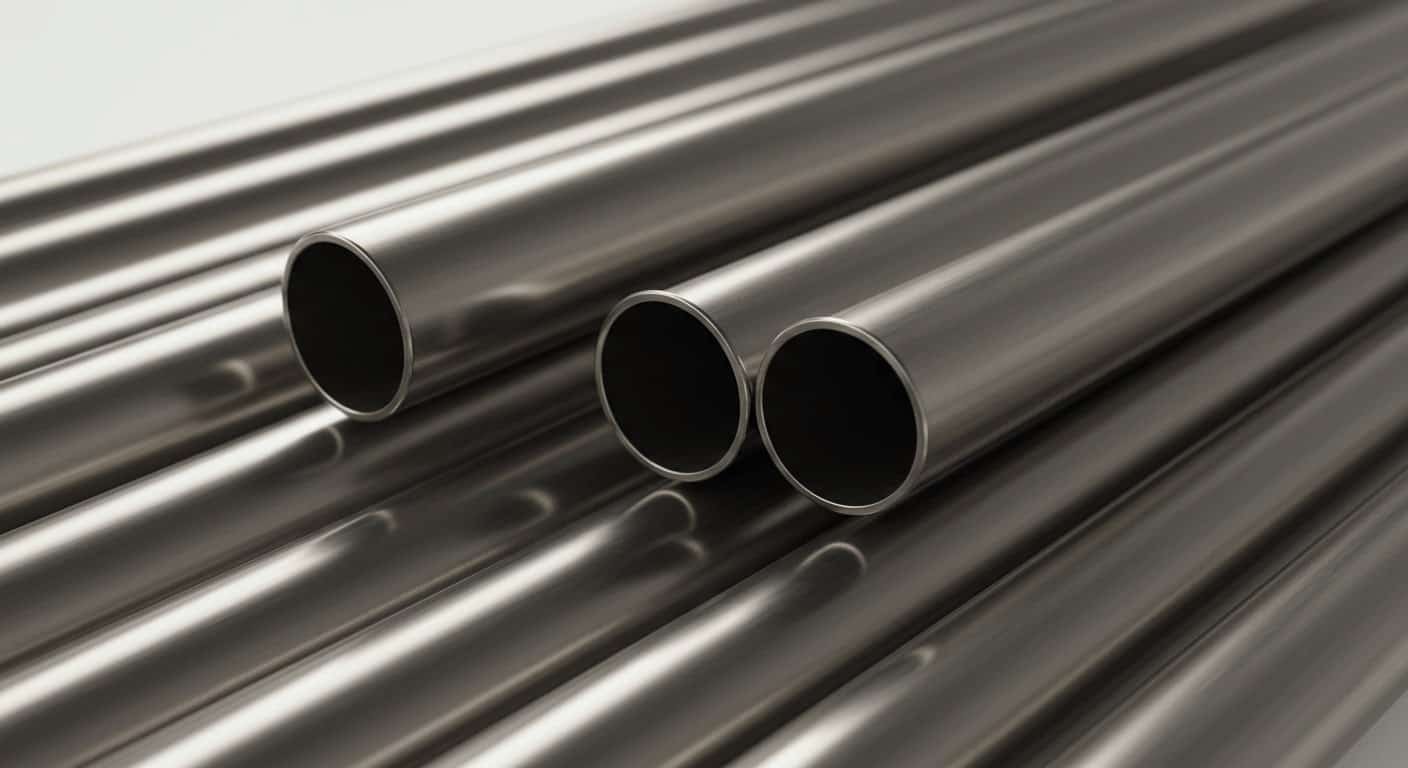
Which Steel Is Better for Outdoor Use?
Humidity, precipitation, salt, and temperature fluctuations are all important elements that influence the choice of stainless steel or galvanized for outdoor use.
Stainless steel outperforms galvanized steel in testing for high-humidity or coastal regions because of its internal rust resistance.
Nonetheless, both stainless and galvanized steel work well for outdoor projects. If regular maintenance is performed, galvanized steel offers dependable performance for outdoor structures, roofs, and fences. Re-galvanization can restore protection even if the zinc coating wears off. Depending on the area, stainless steel or galvanized steel may be used for inland projects; stainless steel should be used in coastal or marine zones.
What Are the Key Differences Between Galvanised and Stainless Steel Sheets?
Sheet metals are widely used in roofing, manufacturing, and construction. Buyers can make well-informed judgments by comparing the differences between galvanized and stainless steel sheets.
Stainless steel sheets are resistant to corrosion throughout the metal body, whereas galvanized sheets have an obvious zinc covering.
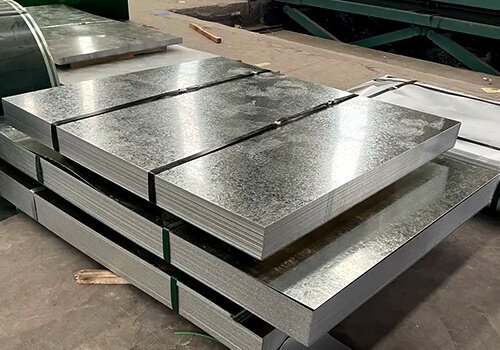
When comparing the appearance and texture of stainless steel and galvanized sheet, the former is smooth and shiny while the latter has a spangled pattern. Stainless steel is superior when hygienic or aesthetically pleasing factors are important, like in kitchens or architecture. Galvanized is the most economical option for ducting or roofing. Keep in mind that the decision between galvanized and stainless steel relies on the desired appearance, longevity, and exposure to the environment.
How Do Their Prices and Maintenance Costs Compare?
When choosing between galvanized and stainless steel, lifetime maintenance frequently determines true value, even when initial cost is important.
In contrast to galvanized steel, which may require touch-ups or recoating every ten years, stainless steel requires nearly no care, although it originally costs more.
In galvanized steel vs stainless steel cost, stainless steel’s longevity offsets its higher purchase price.For instance, a stainless steel structure might not need to be replaced for 50 years. Galvanized components may need to be inspected if they are frequently exposed to salt or rain. When deciding between stainless vs galvanized steel, long-term cost becomes more important than original cost.

Which Steel Should You Choose for Roofing or Exhaust Systems?
Certain performance levels are needed for many applications, particularly in situations involving heat or corrosion.
Tests comparing stainless steel and galvanized steel for roofing, ventilation, and exhaust systems reveal that stainless steel is more resilient to heat and chemical fumes.
But both stainless and galvanized steel have their uses. Galvanized roofing or warehouse ducts are suitable for those on a tight budget. Long-term, high-heat systems are compatible with stainless steel. In galvanized steel vs stainless steel, which is better? The answer depends on whether you prioritize longevity or affordability.
How Can You Tell the Difference Between Galvanised and Stainless Steel?
When both appear glossy or metallic, customers frequently mistake one for the other.
The fastest method is a magnet test; galvanized steel is typically magnetic, whereas stainless steel is frequently not.
Bilang karagdagan, you can examine the surface texture: stainless steel looks smooth, whereas galvanized stainless steel has apparent zinc patterns (spangles). Furthermore, changes can be seen by scratching the surface; hindi kinakalawang na asero retains consistency, whereas zinc coatings may flake. Knowing the difference between stainless steel and galvanized steel helps prevent supplier confusion or incorrect labeling.
Which Steel Is More Environmentally Friendly?
Sustainability and recyclability are key components of modern industries. Which substance, then, has a less environmental impact?
Both are recyclable, but stainless steel vs galvanized steel studies show stainless has a longer lifespan, reducing material waste.
Galvanized steel requires zinc coating, a process involving energy and chemicals. In contrast, hindi kinakalawang na asero or galvanized life-cycle assessments favor stainless because it’s 100% recyclable without re-coating. For green-certified construction, the stainless vs galvanized choice leans toward stainless due to lower lifecycle emissions.

Which Steel Is Easier to Weld and Fabricate?
For manufacturers, weldability determines productivity, cost, and safety.
Stainless steel vs galvanized comparisons show stainless is easier to weld safely, while galvanized releases zinc fumes when heated.
In stainless steel and galvanized steel fabrication, ventilation and safety precautions are vital. Galvanised steel can cause zinc oxide fumes during welding—requiring special care. Stainless steel vs galvanized rust also links to welding quality:Inadequate welds on galvanized components may reveal uncoated steel, hastening corrosion. Stainless is still the material of choice for durable joints and clean manufacturing.
When Should You Use Galvanised vs Stainless Steel in Construction?
Certain supplies are required for each construction scenario.
For temporary constructions, fencing, and general frameworks, use galvanized steel. For long-term outdoor, chemical, or marine situations, go for stainless steel.
Tests comparing stainless steel and galvanized corrosion show that stainless steel is more resilient to salt exposure in structures close to the seaside. In a single project, many contractors use both galvanized and stainless steel, using galvanized for basic framing and stainless for crucial parts. This hybrid approach successfully strikes a compromise between cost and performance.
Buod
Choosing between galvanized steel vs stainless steel depends on budget, environment, and durability. Go stainless if you want longevity; go galvanized if you want affordability. For best results, strike a balance between both.