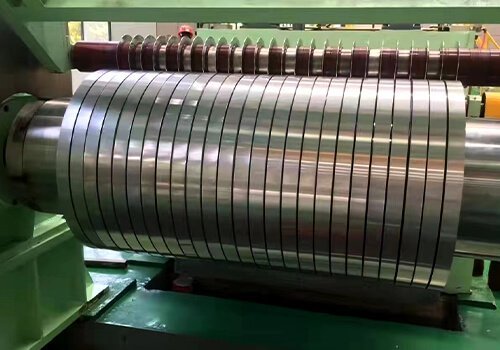

Many buyers worry about rust, shipment delays, and inconsistent quality. I highlight these concerns and reveal how understanding galvanized steel properties prevents costly mistakes.
The essential galvanized steel properties include corrosion resistance, долговечность, сила, weldability, coating thickness, and protective zinc behavior. These characteristics determine how galvanized steel metal performs in construction, machinery, infrastructure, and industrial parts. Knowing these material properties of galvanized steel helps buyers select the right grade, avoid failures, and improve long-term performance.
Let me walk you through the key galvanized steel characteristics and why they matter in real applications.
What Are the Properties of Galvanised Steel?
Many buyers want a thorough understanding of all key performance factors before deciding on galvanized metal. Understanding the full range of galvanized steel material properties allows you to avoid mismatched materials and expensive replacements.
Galvanized steel is defined by its corrosion resistance, долговечность, mechanical strength, weldability, coating adhesion, thermal behavior, and surface integrity. These galvanized steel properties come from the zinc coating that protects the underlying steel, making it suitable for harsh environments, long-term projects, and structural applications.
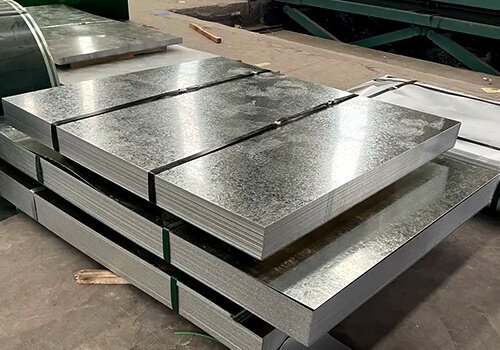
The zinc coating is the foundation for all оцинкованная сталь characteristics. It obstructs oxygen and moisture, slowing rust formation. It also provides sacrificial protection, which means zinc corrodes first rather than the underlying steel. This distinct behavior explains why “what is galvanized steel” remains a popular search topic. When buyers ask what is galvanized, they are essentially asking how zinc modifies galvanized steel material properties. Overall, these characteristics make galvanized steel one of the most durable and adaptable industrial materials.
Why Is Corrosion Resistance the Most Important Galvanized Steel Property?
Most importers are concerned about corrosion during sea transport, storage, or prolonged outdoor exposure. Rust can weaken structures, cause failures, and lower resale value, particularly for buyers in humid or coastal markets.
Corrosion resistance is critical because the zinc layer forms a physical barrier and provides sacrificial protection. This allows galvanized steel metal to withstand moisture, химикаты, and outdoor conditions significantly better than untreated steel.
Corrosion resistance varies with the coating thickness. Например, the properties of g30 galvanized steel properties differ significantly from those of g90 galvanized steel properties, with G90 providing approximately triple the corrosion resistance due to its thicker zinc coating. This is important when shipping to tropical or coastal regions. When comparing galvanized steel vs stainless steel, stainless outperforms galvanized in extreme corrosion conditions, but galvanized is still more cost-effective. Regardless of the market, corrosion resistance is the primary reason what is galvanized steel used for so widely.
How Does Coating Thickness Influence Galvanized Steel Performance?
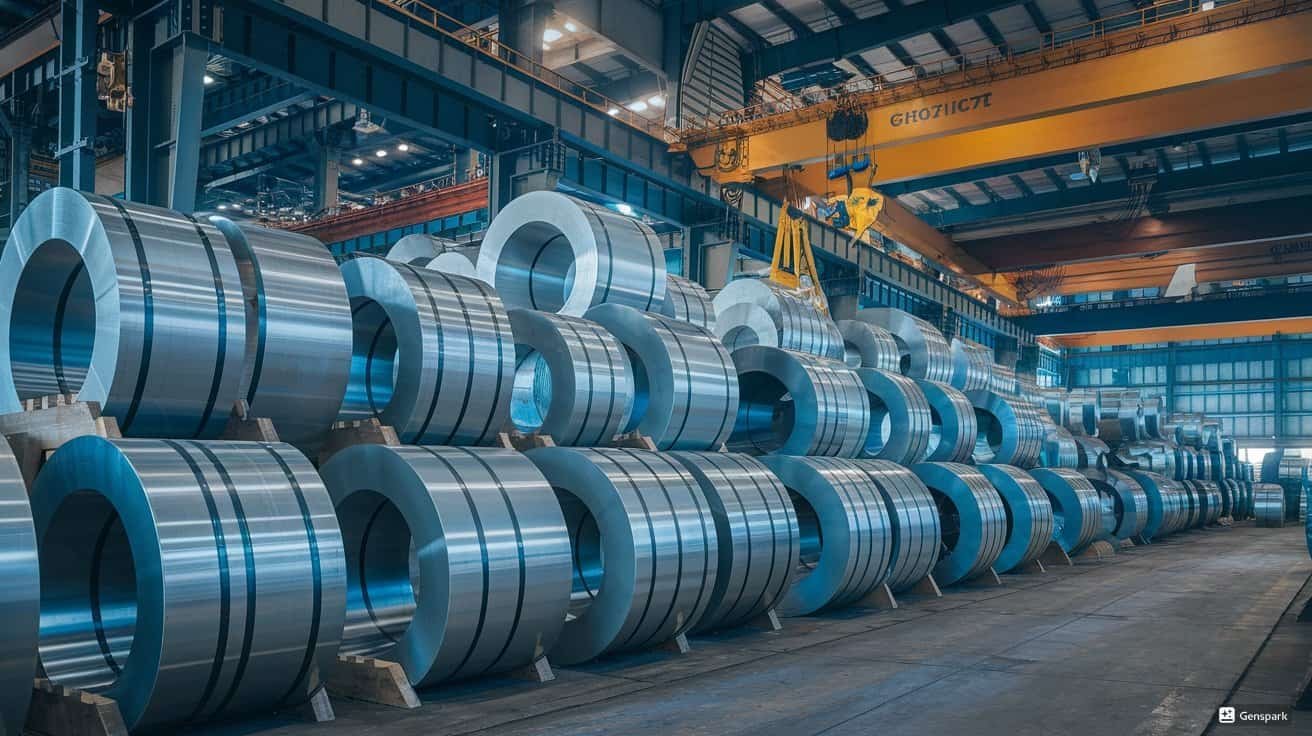
Many buyers specifically request coatings such as Z60, Z180, and Z275. These labels have a direct impact on durability, коррозионная стойкость, and long-term service life in demanding environments.
Thicker zinc coatings provide longer-lasting protection. Coating thickness determines corrosion resistance, долговечность, and performance in harsh environments. The higher the coating value, the stronger the protective barrier created by zinc.
Coating thickness is a key component of оцинкованная сталь standards like ASTM A653, В 10346, and JIS G3302. The thickness has a direct impact on galvanized steel prices, as more zinc means higher cost but a longer lifespan. The choice between g30 galvanized steel properties and g90 galvanized steel properties is determined by whether the steel will be used inland, near the sea, or outdoors. Thicker coatings are better for structural projects because they require less maintenance and provide long-term reliability.
What Mechanical Properties Determine the Strength of Galvanized Steel?
Strength is important for builders, fabricators, and engineers. Many of my clients are concerned about tensile strength, yield strength, and how galvanization affects mechanical behavior.
Key strength factors include galvanized steel yield strength, galvanized steel strength, tensile properties, hardness, and elongation. These determine how well the steel performs under load, bending, or force.
The zinc coating does not significantly reduce strength; the load capacity is determined by the base steel grade. Например, DX51D, SGCC, and Q235 each have unique material properties of galvanized steel. Because the zinc layer is thin, Density of galvanized steel that is nearly identical to regular steel. Buyers frequently compare galvanized steel vs stainless steel, but for heavy-duty strength, galvanized is usually adequate and far less expensive. Understanding these mechanical properties helps to ensure that the right material is used for the right application.
How Does Weldability Vary Among Galvanized Steel Types?
Weldability is a major concern for contractors and manufacturers because improper welding can damage the zinc coating and weaken the protective layer.
Weldability varies depending on zinc thickness and steel grade. Thicker coatings require more controlled welding to prevent zinc vaporization and maintain structural integrity.
Welding galvanized requires careful preparation, ventilation, and post-treatment. Because welding can produce fumes from the zinc layer, grinding, уборка, or specialized methods are commonly used. Even though welding changes some galvanized steel properties, proper technique maintains strength. Welding is also a consideration when evaluating оцинкованная сталь uses such as framing, ductwork, and machinery fabrication. Buyers should ensure that welders understand these issues prior to installation.
What Are the Thermal and Electrical Properties of Galvanized Steel?
Some industrial buyers must understand thermal conductivity, heat resistance, and electrical properties, particularly for automotive and HVAC applications.
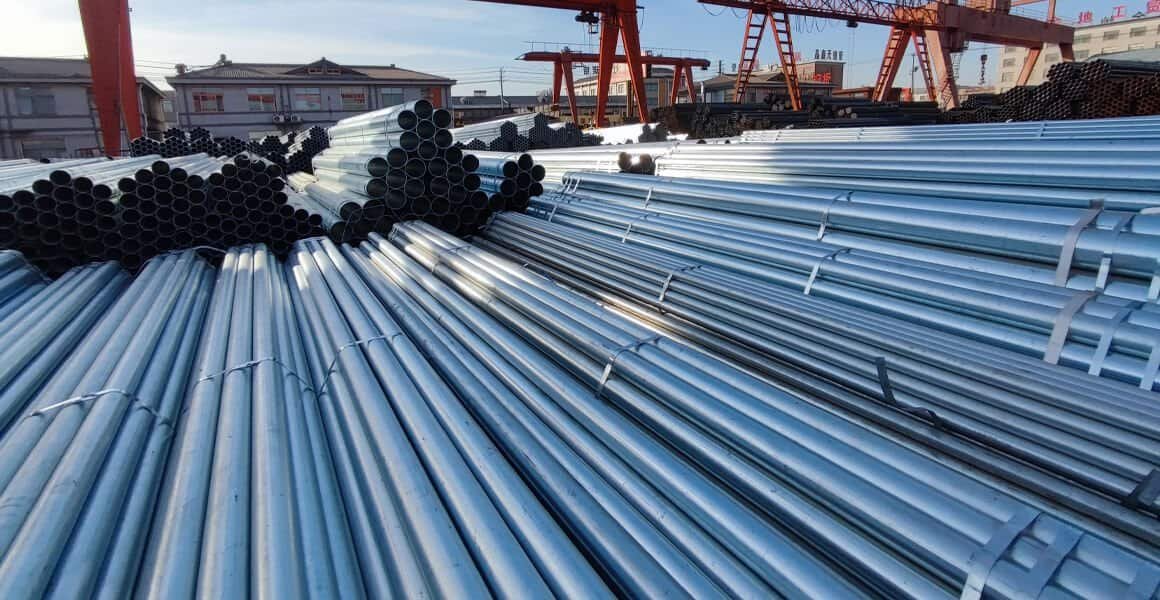
Galvanized steel maintains standard steel thermal behavior while zinc adds moderate heat reflection and low electrical conductivity. These factors influence how the material performs in heating environments.
Understanding what is the melting point of galvanized steel is critical. The steel core melts at temperatures ranging from 1370 to 1510°C, while zinc melts at around 420°C. Knowing this helps to avoid overheating while cutting or forming. Thermal behavior has a direct impact on galvanized steel paint performance, adhesion, and long-term durability. These characteristics also influence why galvanized steel is used in roof panels, автомобильные детали, ducts, and structural components.
How Does Durability Differ Between Hot-dip Galvanized and Electro-galvanized Steel?
Buyers frequently inquire about which type is better for long-term use: hot-dip galvanized (HDG) or electro-galvanized (EG). Each caters to different markets and budgets.
Hot-dip galvanized steel offers stronger corrosion resistance, while electro-galvanized steel provides a smoother appearance for indoor use. Durability varies based on zinc thickness and application environment.
HDG galvanized steel has the highest galvanized steel strength and durability because the zinc coating is thicker and forms intermetallic layers. EG is preferred when appearance and coating smoothness are more important than corrosion resistance. Construction projects frequently use HDG, whereas appliances and light applications prefer EG. Understanding these distinctions enables buyers to select materials based on their lifespan, cost, and installation requirements.
What Is the Advantage of Galvanized Steel?
Many buyers prefer galvanized steel because it strikes a balance between cost, производительность, и долговечность. Understanding the full benefits enhances material selection.
Advantages include strong corrosion resistance, long service life, affordability, low maintenance, versatility, and wide availability. These benefits make galvanized steel suitable for nearly all industries.
When compared to galvanized steel vs stainless steel, galvanized steel is significantly less expensive while still providing long-term protection. Other benefits include compatibility with galvanized steel paint, recyclability, and consistent galvanized steel prices in global markets. These factors explain why “what is galvanized steel used for” is such a popular question—its applications are nearly limitless.

What Are the Common Applications of Galvanized Steel in Construction and Industry?
Galvanized steel is used in almost every manufacturing and construction industry due to its durability and low cost.
Common applications include roofing, framing, fencing, ducts, machinery, автомобильные детали, infrastructure, electrical casings, и промышленное оборудование.
These applications emphasize the importance of galvanized steel properties, particularly corrosion resistance and strength.The wide range of galvanized steel uses includes bridges,склады, HVAC systems, road barriers, and water pipes. Many industries prefer galvanized steel because it can last for decades with little maintenance. From household appliances to large transportation projects, its versatility makes it one of the most dependable materials in global trade.
How Can Buyers Verify Galvanized Steel Quality before Shipping?
Importers face significant challenges due to shipment delays and poor quality goods. Verifying quality prior to shipping lowers risk and prevents unexpected losses.
Buyers can verify quality through coating thickness tests, mechanical inspections, certificates, third-party audits, and video inspections. These steps ensure the steel meets expected standards.
Checking galvanized steel standards like ASTM, В, and ISO ensures consistent performance. Coating thickness meters verify that zinc layers meet the specified level, whether G30 or G90. Video inspections help to confirm surface quality and avoid disputes. These methods assist buyers in avoiding common issues such as rust, mismatch, and coating failures. Quality assurance reduces long-term risk and fosters trust in the supply chain.
Краткое содержание
Understanding key galvanized steel properties enables buyers to select dependable materials, avoid costly issues, and ensure long-term performance across a wide range of industries.