Buyers face delays, unstable quality, and rising costs. These issues hurt profits and timelines. Choosing the right material, like stainless steel coils, can solve them.
The advantages of stainless steel coils include corrosion resistance, Высокая сила, long lifespan, and recyclability. These stainless steel coil products reduce maintenance costs, improve durability, and perform reliably in harsh environments, что делает их идеальными для строительства, производство, and global steel coil uses.
Now, let’s break down why stainless steel coils dominate global industrial applications.
Why Are Stainless Steel Coils Highly Resistant to Corrosion?
One of the key issues for steel purchasers is corrosion, particularly in humid, coastal, or chemical settings where conventional materials deteriorate rapidly and greatly raise maintenance costs.
Because chromium creates a protective oxide coating on the surface, катушки из нержавеющей стали are resistant to corrosion. They are perfect for demanding applications because of this coating, which prolongs their lifespan and prevents corrosion.
Corrosion resistance is frequently the most important benefit of stainless steel coils. Stainless steel naturally protects itself without the need for coatings, in contrast to carbon steel. This is particularly useful in sectors like chemical plants, food processing, and marine building. Because it lowers replacement frequency and maintenance costs, buyers like Tony who emphasize long-term performance frequently give this feature top priority. Более того, knowing the purpose of stainless steel coils makes it easier to comprehend why corrosion resistance is crucial in settings where chemicals, water, or salt are present.
How Does the Strength of Stainless Steel Coils Benefit Industrial Use?
Materials used in industrial applications must be able to withstand high loads, pressure, and mechanical stress without deteriorating or failing over time.
Stainless steel coils are ideal for heavy-duty applications, including construction frameworks, техника, and transportation equipment, because of their exceptional tensile strength and structural integrity.
When assessing the applications of steel coils, strength is a crucial consideration. Because stainless steel has a high strength-to-weight ratio, constructions made of it can sustain loads while being relatively light. When determining the weight of steel coils, this is particularly important for efficient shipping and installation. In addition to lowering safety risks, stronger materials address questions such as whether steel coils are hazardous—they are safe when handled correctly and produced in accordance with regulations. This implies improved long-term dependability and fewer failures for buyers.
Are Stainless Steel Coils Cost-Effective in the Long Term?
Потому что катушки из нержавеющей стали are more expensive up front, many consumers are hesitant and wonder if they are really more cost-effective than less expensive options.
Stainless steel may be more expensive initially, but over time, its longevity, low maintenance requirements, and resilience make it more economical.
Cost-effectiveness extends beyond the cost of acquisition. Repair, replacement, and downtime expenses are decreased with stainless steel coils. Stainless steel frequently performs better than carbon steel when consumers compare lifecycle costs. Кроме того, labor and materials are saved because fewer coatings and treatments are needed. Stable supply and consistent quality further increase value for foreign buyers purchasing from China. Из-за этого, seasoned importers view the benefits of stainless steel coils as a long-term investment rather than a temporary outlay.
What Makes Stainless Steel Coils Suitable for Harsh Environments?
Inadequate materials can be rapidly deteriorated by extreme temperatures, humidity, and chemical exposure, resulting in malfunctions and expensive downtime.
Because stainless steel coils are resistant to heat, corrosion, and oxidation, they function well in tough environments, guaranteeing stability and longevity under trying circumstances.
Materials that can withstand severe stress are necessary for applications including chemical factories, power plants, and offshore platforms. Even when exposed to harsh chemicals and temperature changes, stainless steel coils retain their qualities. Knowing how steel coils are used in these kinds of settings demonstrates their adaptability. Because of their reliable performance, these coils are the go-to option for international infrastructure projects.
How Do Stainless Steel Coils Improve Manufacturing Efficiency?
Manufacturers require materials that are simple to form, сваривать, and process without sacrificing quality or lengthening production times.
Because stainless steel coils are simple to cut, сваривать, and mold, manufacturing processes can produce goods more quickly and consistently.
Production is the first step towards efficiency. The versatility of нержавеющая сталь becomes clear when one understands how steel coils are manufactured. The rolling and finishing procedures used to create these coils guarantee consistent thickness and surface quality. Кроме того, since correct handling enhances throughput and lowers waste, understanding how steel coils are unrolled is crucial for manufacturing operations. This results in quicker turnaround times and lower labor costs for manufacturers.
Are Stainless Steel Coils Environmentally Friendly and Recyclable?
Sustainability is becoming a crucial consideration when choosing materials, particularly for businesses trying to comply with environmental laws and lower their carbon footprints.
Stainless steel coils are a sustainable option for contemporary enterprises aiming to cut waste and emissions because they are 100% recyclable and eco-friendly.
The recyclable nature of stainless steel coils is one of their neglected benefits. Because stainless steel may be recycled without losing its qualities, fewer raw materials are required. For industries looking to adhere to ESG guidelines, this is essential. Longer product lifespans also result in less trash being produced. Because stainless steel maintains great performance while being in line with global environmental goals, buyers that place a high priority on sustainability frequently choose it.
What Industries Benefit the Most from Stainless Steel Coils?
Selecting steel products that satisfy particular performance and durability standards is crucial since different sectors have different material requirements.
Because of its adaptability and durability, stainless steel coils are particularly useful in industries like construction, автомобильный, energy, food processing, и производство.
Stainless steel is particularly notable for its versatility when examining steel coil applications. It is utilized for structural elements and roofing in building. It improves safety and durability in the automotive industry. The food processing industries depend on its corrosion resistance and hygienic qualities. Buyers can make more educated sourcing decisions if they are aware of the various industries that employ stainless steel coils. One of the main causes of the ongoing increase in demand worldwide is this adaptability.
How Do Stainless Steel Coils Ensure Consistent Product Quality?
Customers place a high premium on quality control because inconsistent quality can result in project delays, safety hazards, and higher expenses.
Standardized production procedures, строгие проверки, and adherence to international standards guarantee constant quality in stainless steel coils.
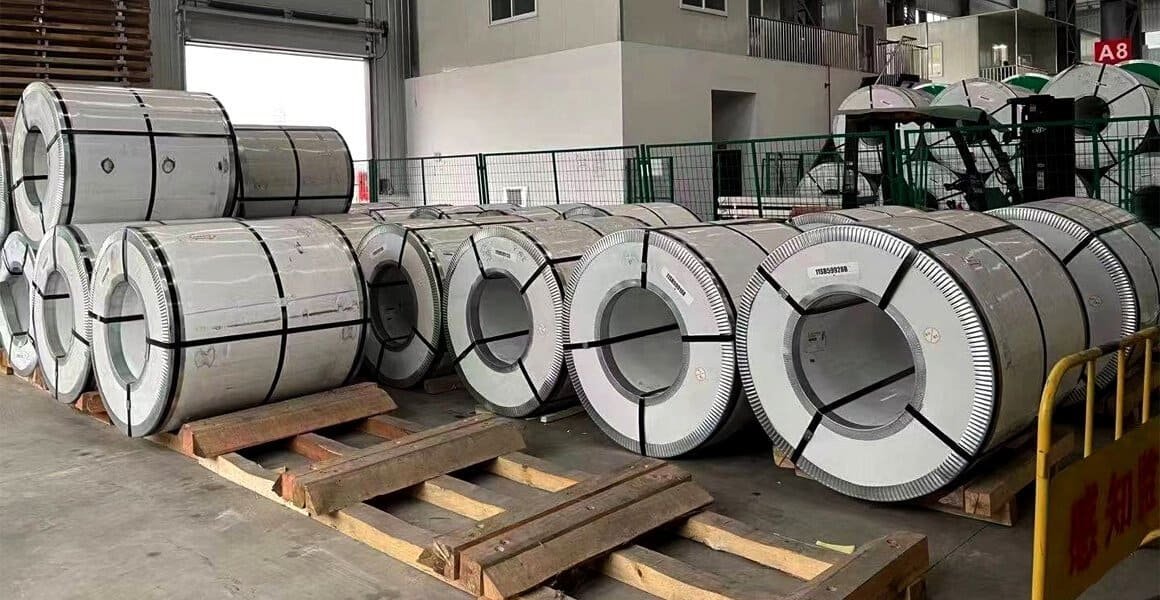
The manufacturing process is where quality consistency begins. Reliable providers adhere to stringent testing protocols and requirements. In order to ensure correct documentation and compliance during international trade, buyers should also be aware of categorization systems such as the HS code for stainless steel coils. Consistent quality guarantees that projects go without unanticipated material failures, lessens disagreements, and increases trust.
What Certifications Should Buyers Look for in Stainless Steel Coils?
Particularly in international trade, certifications are crucial for confirming product safety, quality, and adherence to international standards.
To make sure stainless steel coils fulfill quality, safety, and performance standards, buyers should search for certifications like ISO, АСТМ, and SGS.
Certifications provide as evidence of dependability. They attest to the coils’ compliance with particular mechanical and chemical requirements. For smooth logistics and customs clearance, overseas purchasers must have the right paperwork, including the stainless steel coil HS code. Assuring that supplies fulfill project requirements and lowering risks are two benefits of working with recognized suppliers.
How to Choose a Reliable Stainless Steel Coil Supplier?
Selecting the right supplier is crucial because doing so might result in delays, subpar work, and monetary losses.
In order to satisfy customer demands, a dependable supplier provides timely delivery, competitive steel coil pricing, стабильное качество, and robust technical support.
Покупатели должны учитывать опыт, production capacity, and export history when choosing a поставщик. Businesses that have been in the business for a long time—for example, eighteen years—are more likely to produce consistent quality. To prevent delays, logistics capability is also crucial. Purchasers should inquire about handling techniques, such as how steel coils are unrolled, and production procedures, such as how steel coils are created. Addressing safety issues like whether steel coils are hazardous also demonstrates the professionalism of the provider. In the end, long-term business success is guaranteed by a reliable partner.
Краткое содержание
For international consumers looking for quality, dependability, and sustainable performance, stainless steel coils are the best option since they offer long-term value, долговечность, and efficiency.