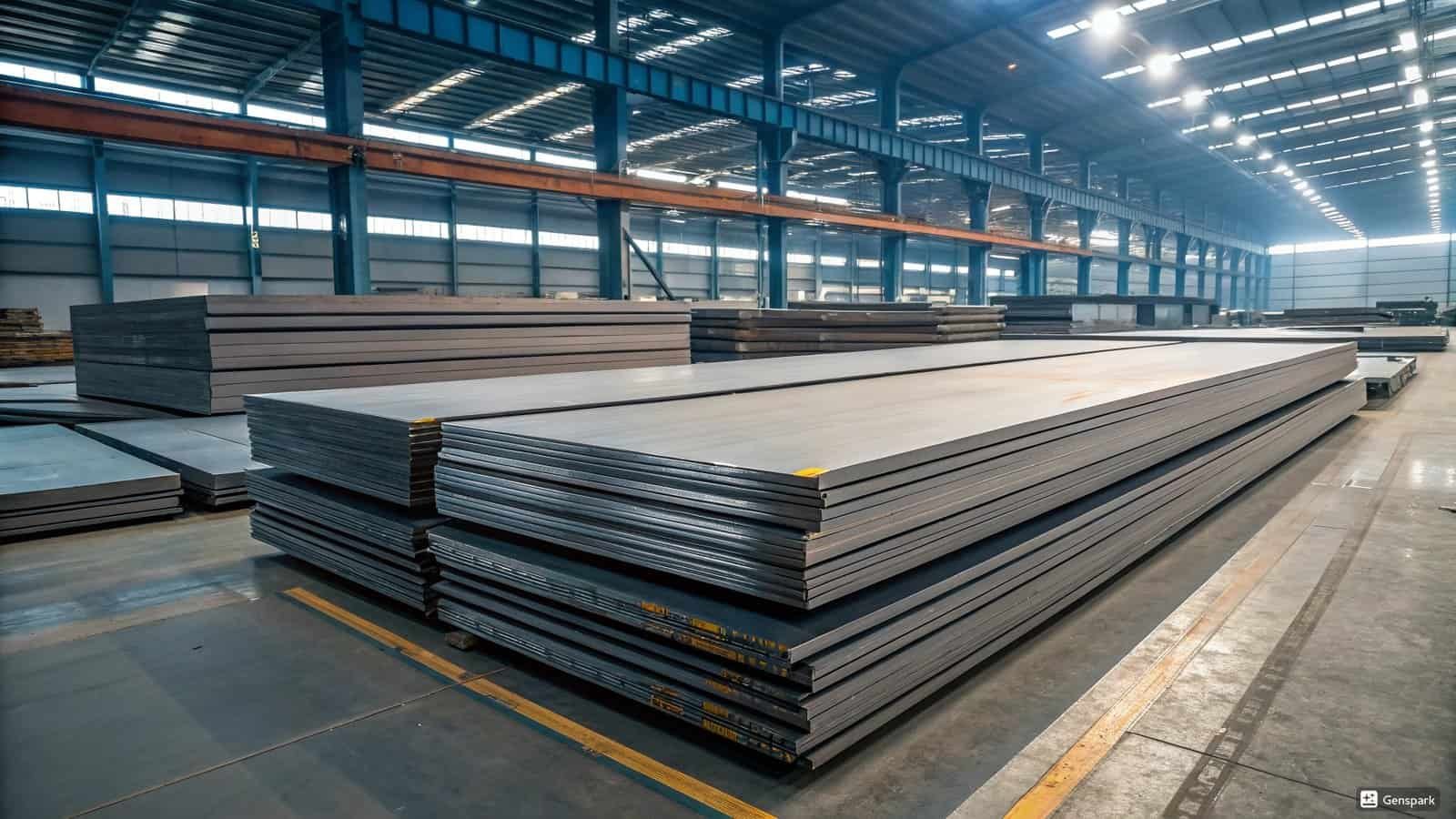
Confused about rebar versus steel hardness? Choosing wrong materials risks structural failure, задержки, and higher costs. Let’s clarify the truth quickly.
Is rebar harder than steel? Rebar is not necessarily harder than steel. It is a type of carbon steel designed for tensile strength and bonding with concrete, not maximum hardness. Hardness depends on composition, heat treatment, and grade, while rebar focuses on ductility and strength rather than extreme hardness.
Let’s break down how rebar compares to other steel types in real construction scenarios.
What Is Rebar Made Of?
Before comparing hardness and mechanical performance, it is important to understand the composition of rebar, since many consumers believe it is entirely different from steel.
Carbon steel is the main component of rebar, while it occasionally contains micro-alloying metals like silicon or manganese. Instead of focusing on surface hardness, its composition is tailored for strength, гибкость, and bonding with concrete.
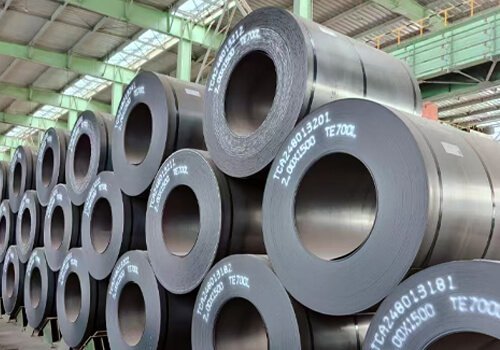
In reality, углеродистая сталь feedstock or billets are used to make rebar, frequently by hot-rolling techniques. Rebar has a balanced carbon content that guarantees both strength and ductility in contrast to steel coil and structural steel. It can function well inside reinforced concrete because of this equilibrium. The grade of rebar determines how hard it is, but generally speaking, it is not as hard as hardened tool steel. Because brittle materials would fracture under stress in construction settings, manufacturers steer clear of excessive hardness.
Is Rebar Considered a Type of Steel?
Some consumers, particularly new purchasers, question if steel and rebar belong to the same category in industrial applications or are entirely different materials.
Действительно, арматура is a kind of steel. In particular, it is a steel bar that is used as reinforcement in buildings. Similar to structural steel, it belongs to the category of carbon steel products but is designed for reinforcement rather than independent load-bearing.
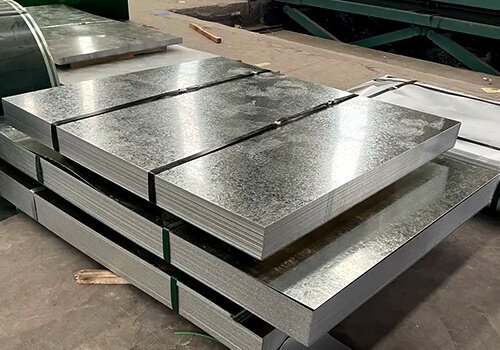
The frequently asked issue, “Is rebar hardened steel?” is also addressed by this. Not precisely. Rebar is steel; however, unlike tool steel or quenched components, it is not usually hardened. Rather, it is made to adhere to particular standards like ASTM or GB grades. Rebar is more concerned with internal structural performance than corrosion resistance, in contrast to stainless or galvanized steel. When choosing between various steel goods, buyers and exporters can prevent expensive sourcing errors by being aware of this distinction.
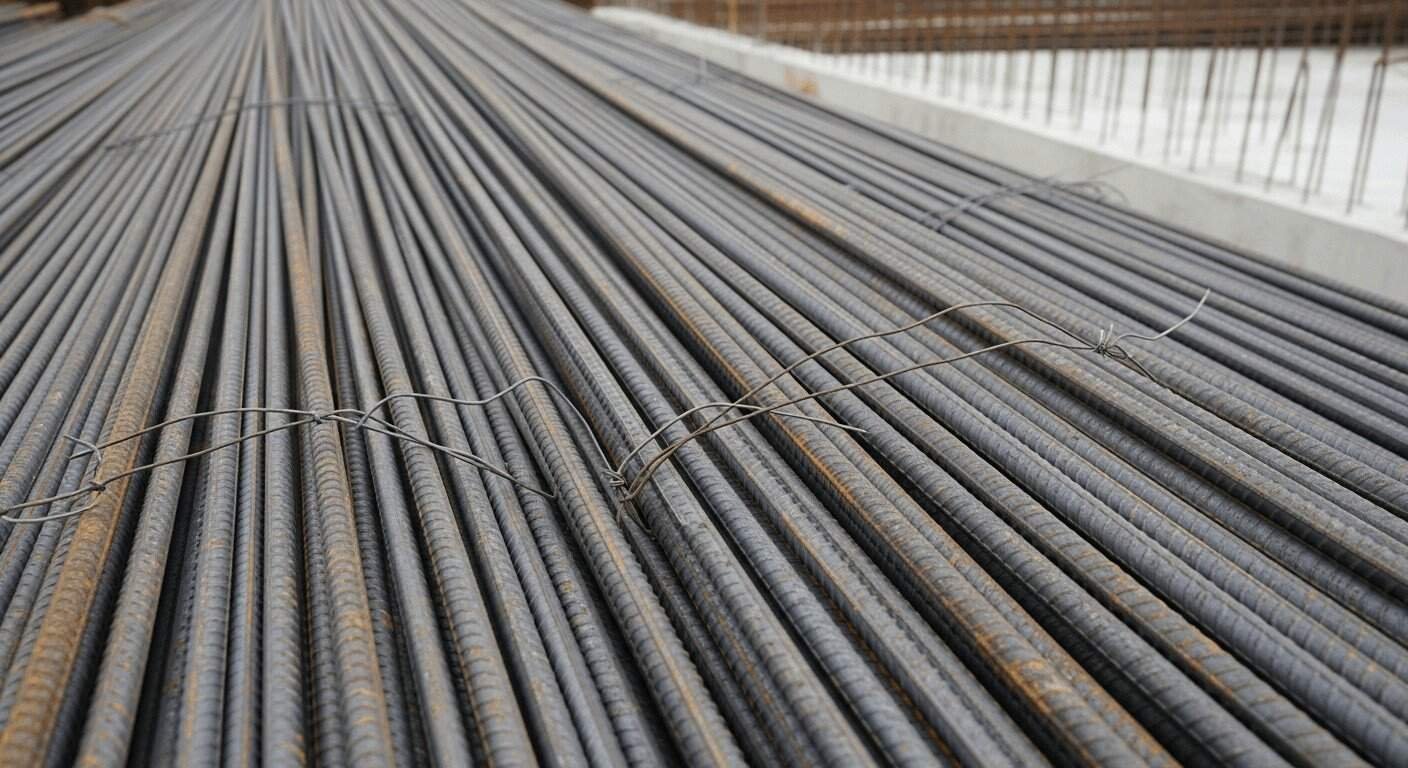
What Determines the Hardness of Steel?
It’s crucial to comprehend what precisely influences hardness across various steel products and uses before comparing rebar with other steels.
Heat treatment procedures, alloying components, and carbon content all affect how hard steel is. Hardness is increased by higher carbon and certain treatments like quenching, but flexibility is improved by lower carbon.
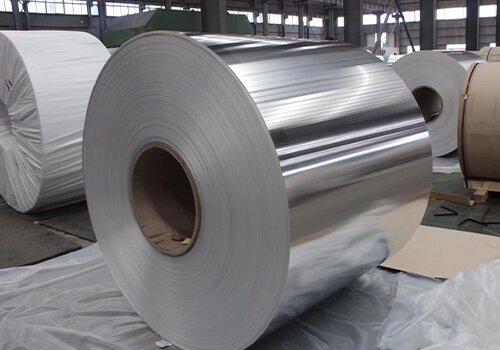
Например, compared to building materials, high-carbon steels used in tools are substantially harder. Арматура, с другой стороны, keeps its mild hardness to guarantee performance under pressure. Потому что “сталь” encompasses a variety of materials, it can be deceptive to question whether rebar is harder than steel. Steel generally offers more strength than copper or aluminum coil products, but hardness varies greatly across steel kinds. Tony and other buyers need to pay more attention to parameters like elongation, yield strength, and hardness than to generic labeling.
Why Is Rebar Not Designed to Be Extremely Hard?
Harder materials may appear superior at first, but excessive hardness in construction can actually result in significant structural dangers and performance restrictions.
Since rebar must take tension from concrete and flex without breaking, it is not very hard. It would be brittle and prone to cracking under load if it had a high hardness.
The question of whether rebar bends easily is directly related to this. Да, and that is deliberate. Rebar’s flexibility enables it to withstand dynamic loads like high traffic or earthquakes. Overly hard rebar would break rather than bend, resulting in disastrous failures. Ductility is significantly more significant than hardness in systems made of reinforced concrete. This design philosophy guarantees lifespan, safety, and adherence to international construction standards.
How Does Rebar Strength Compare to Structural Steel?
Many experts mistake hardness for strength, believing that a harder material will inevitably perform better structurally in building projects.
Rebar is less hard than many structural steels, but it frequently possesses excellent tensile and yield strengths. Instead of being used for independent structural purposes, its strength is tailored for reinforcing within concrete.
Rebar yield strength, which indicates the amount of stress it can bear before permanently deforming, is a crucial statistic in this context. Rebar is designed to function inside concrete, whereas structural steel beams may have varying degrees of hardness. This raises another frequently asked question: Is steel stronger than reinforced concrete? In many instances, the answer is yes, as the combination of rebar (предел прочности) and concrete (compression strength) produces a superior composite material.
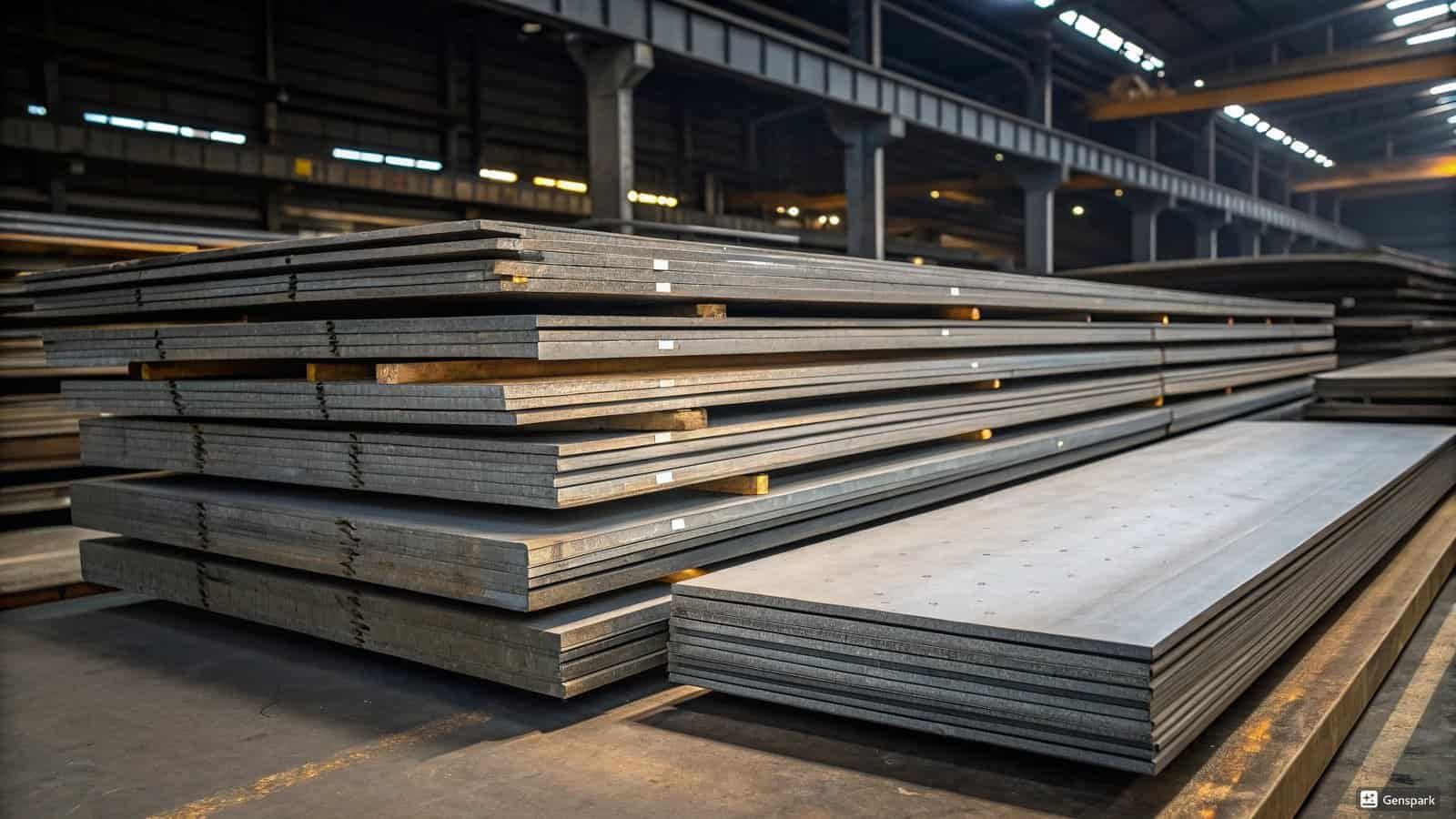
What Grades of Rebar Affect Its Mechanical Properties?
The strength, гибкость, and performance of арматура in construction applications vary greatly depending on the scope.
Предел текучести, предел прочности, and ductility are determined by rebar grades like ASTM A615 or HRB400. Although they may be less flexible, higher grades usually offer greater strength.
It is essential to comprehend grade requirements while purchasing from foreign suppliers. Например, export markets frequently employ HRB400 and HRB500. Rebar yield strength and overall performance are directly impacted by these grades. Rebar grades prioritize mechanical qualities over corrosion resistance, in contrast to stainless steel or specialized alloys. To guarantee adherence to project specifications, reputable suppliers will offer quality inspection reports and mill test certificates.
Can Rebar Be Heat-Treated to Increase Hardness?
Some purchasers are curious about if extra processing techniques, like as heat treatment, can be used to modify rebar to attain a higher hardness.
Heat treatment is possible for rebar; however, it is often regulated to preserve ductility. Because it increases brittleness and decreases flexibility, excessive hardening should be avoided.
Hardness can be increased by tempering and quenching, although these processes are carefully balanced during the production of rebar. Rebar must adhere to stringent bending and elongation specifications, in contrast to tool steel. This demonstrates once more that the answer to the question of whether rebar is toughened steel is not straightforward. It is not completely hardened, but it is somewhat reinforced. Прежде чем совершить покупку, export purchasers should verify certifications and processing techniques to make sure the product is appropriate for use in building.
Which Is Better for Construction: Rebar or Steel?
The application, structural specifications, and project environment all play a significant role in the decision between rebar and other steel products.
In general, neither is superior. Для reinforced concrete, rebar works best; for frameworks and load-bearing structures, structural steel works better. The application determines which option is best.
Например, rebar is necessary for concrete reinforcement, although steel coil may be utilized in manufacturing or fabrication. Both materials are employed in several projects. For this reason, knowing whether rebar is harder than steel is less crucial than knowing their functions. When choosing materials, professional buyers consider strength, ценообразование, логистика, and compliance. Diverse project needs can be better served by exporters who provide a variety of product types.
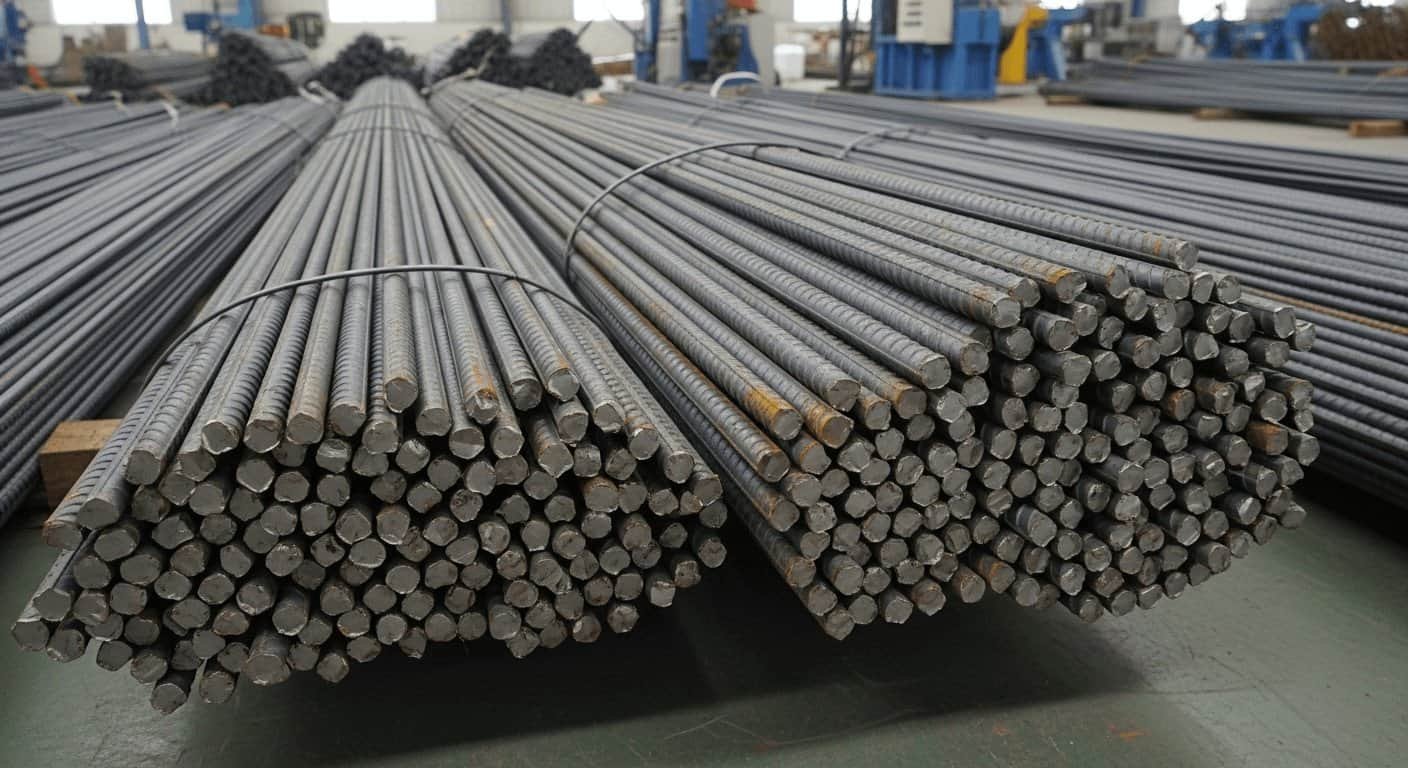
How to Choose Between Rebar and Other Steel Products?
Comparing hardness alone is not enough to choose the best material; производительность, расходы, and supply chain dependability must all be thoroughly considered.
Select different steel materials for manufacturing or structural requirements and rebar for ductility and reinforcement. When selecting choices, take standards, сертификаты, and supplier dependability into account.
Tony and other buyers frequently pay attention to terms of payment, delivery schedule, и проверка качества. Projects as a whole may be impacted by variable quality or delayed shipments. Working with seasoned exporters guarantees a steady supply, whether sourcing rebar, углеродистая сталь, or galvanized goods. Кроме того, avoiding compliance problems in places like Brazil or the Middle East is made easier by knowing logistics and regional requirements.
Does Harder Steel Always Mean Better Quality?
Harder materials are often thought to be of greater quality, especially by consumers who value long-term performance and durability.
Harder steel isn’t always preferable. Suitability for the application determines quality. Maximum hardness is not as important in building as balanced qualities like strength and ductility.
Например, while appropriately constructed rebar functions dependably within concrete, excessively hard materials may fracture under dynamic stress. For this reason, inquiries about the hardness of rebar should be taken into account in addition to other considerations. Стандарты, consistency, and performance—rather than just hardness—define high-quality steel goods. Skilled vendors are aware of these subtleties and offer materials that are customized to meet project specifications.
Краткое содержание
Rebar is designed for strength and flexibility rather than being harder than steel. Hardness is not the only factor to consider when selecting a material.