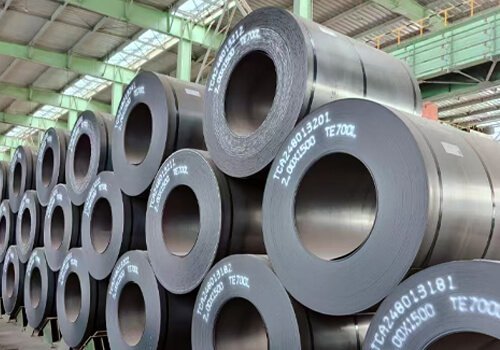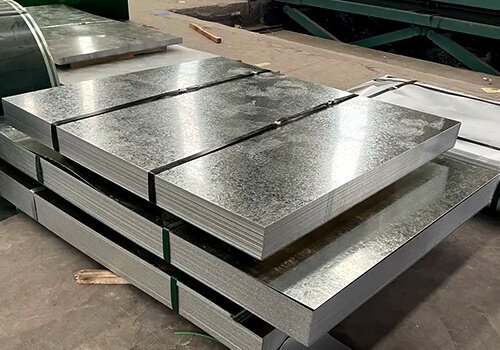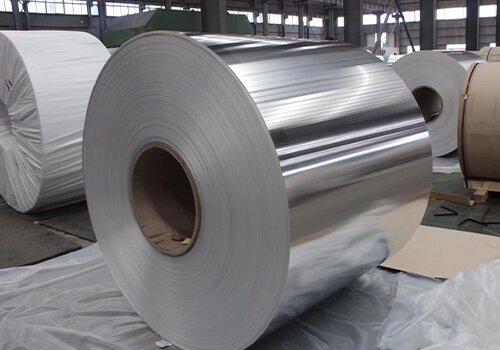
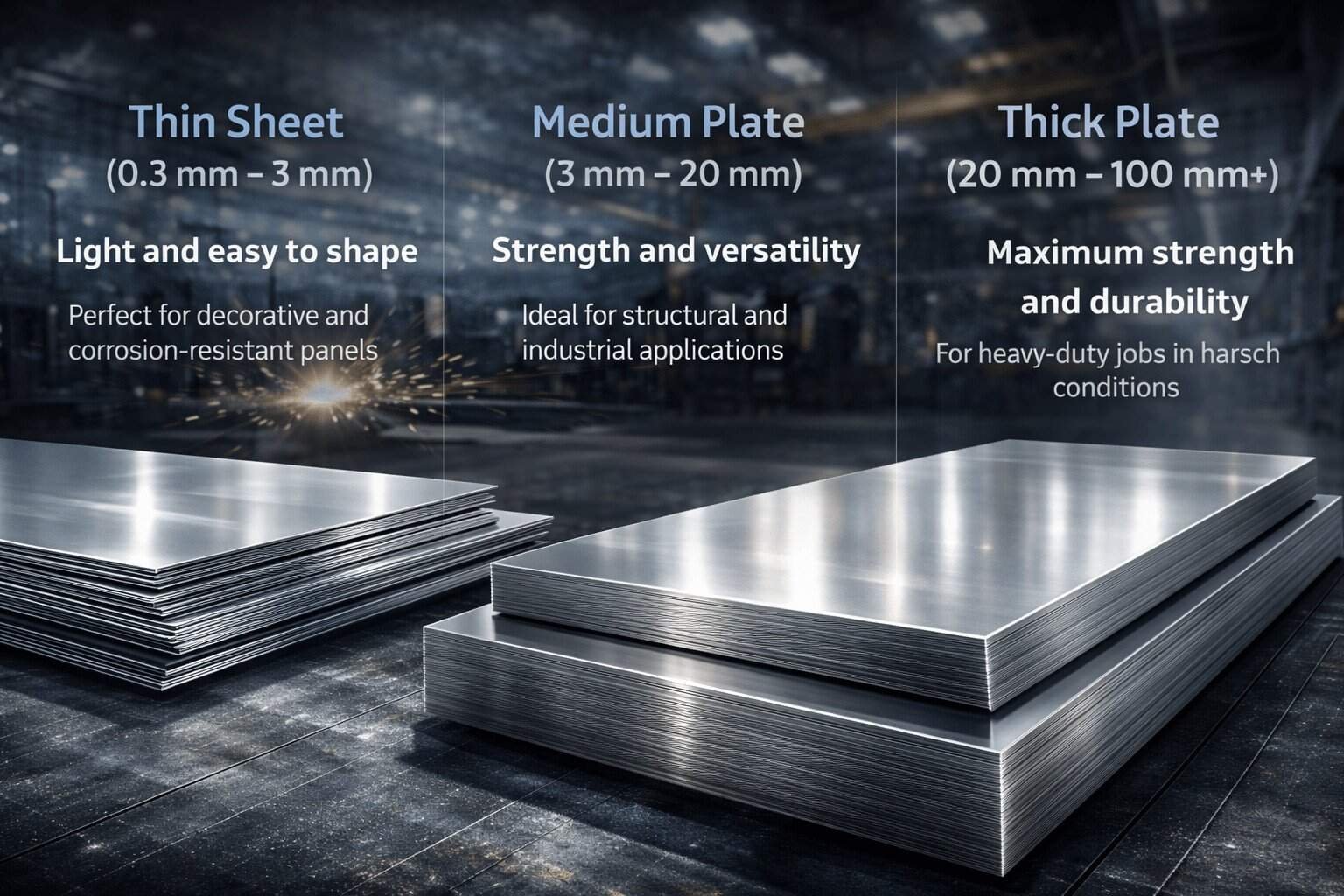
Wrong steel plate estimates increase costs and delay shipments. Many buyers struggle with steel plate weight calculations. Let me show you a simple, accurate way.
Steel plate weight is calculated using: weight = length × width × thickness × density (7.85 g/cm³ for carbon steel). Using a reliable steel plate weight calculator or plate weight calculator ensures accurate results for pricing, логистика, and project planning.
Let’s explore each factor and avoid costly calculation mistakes.
What Is the Formula to Calculate Steel Plate Weight?
In international trade, a lot of buyers rely on estimations rather than exact calculations, which frequently results in inaccurate orders, disagreements over prices, and ineffective container loading.
Weight is calculated as follows: length × breadth × thickness × density. А density of carbon steel is normally 7.85 г/см³. This procedure is made easier and more accurate by using a steel plate weight calculator or weight of steel calculator.
Accuracy is crucial in real-world commercial situations, particularly when exporting steel from China to nations like Brazil or Mexico. When it comes to bulk orders, even a tiny arithmetic error can make a huge difference. This has an impact on profit margins, freight costs, and customs declarations.For rapid validation, many experts consult a стальная пластина weight chart or use a plate weight calculator. But you have complete control if you know the formula. Units should always be verified twice; kilos, метры, and millimeters need to be constant. Reputable vendors will also provide technical evidence, like MTC reports, to back up your computation.
How Do You Calculate Steel Plate Weight in Kg or Tons?
For the purpose of logistics and pricing clarity, customers frequently need to convert steel plate weight into kilograms or tons when dealing with overseas shipments.
Multiplying volume by density and correctly converting units will get the steel plate weight in kg. To find tons, divide by 1,000. This procedure can be automated with the use of a steel plate weight calculator, which also lowers errors.
Например, before calculating volume, you must convert your стальная пластина dimensions from millimeters to meters. You will receive the weight in kilos after applying density. For large shipments, converting into tons is more practical. When reserving containers or haggling over shipping costs, this is very crucial. To prevent human error, many importers employ a weight of steel calculator.Furthermore, accuracy is necessary for efficient customs clearance and cost control because logistics businesses frequently demand precise weight statements.
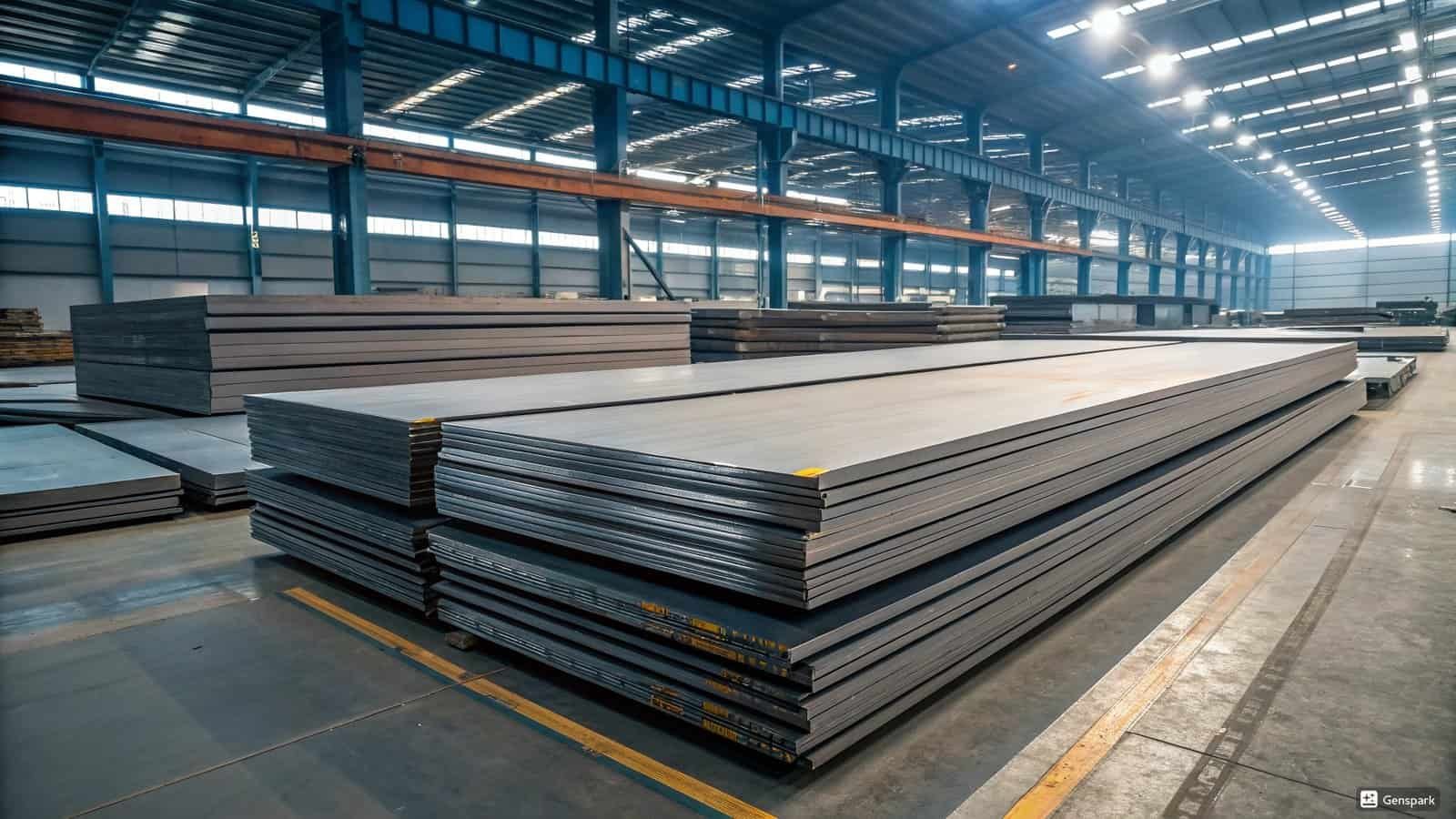
What Is the Standard Density Used for Steel Plate Weight Calculation?
Because the densities of different types of steel vary slightly, utilizing the incorrect value might result in incorrect weight calculations and unanticipated expenses.
The average density of carbon steel is 7.85 г/см³, but that of stainless steel is around 7.93 г/см³. When utilizing a steel plate weight chart or mild steel plate weight calculator, selecting the appropriate density is crucial.
When working with different materials, such stainless steel, алюминий, or galvanized steel, it’s critical to comprehend density distinctions. Алюминий, например, has a substantially lower density, which lowers weight and shipping expenses. Однако, because of its strength, carbon steel is still the material of choice for heavy-duty applications and construction. Make sure the material type is correct before using a steel plate weight calculator.This phase is sometimes overlooked by purchasers, which might result in inconsistencies during delivery or inspection. Prior to completing orders, always ask your supplier for precise specifications.
How Does Thickness Impact Steel Plate Weight?
Despite being one of the most important criteria in determining the weight of steel plates, thickness is sometimes overlooked when making purchases.
The weight of steel plates rises directly with thickness. The overall weight doubles if the thickness doubles. A steel plate weight calculator makes it easy to swiftly assess various thickness alternatives.
Thickness choice is crucial for consumers like Tony who weigh performance and cost. Although thicker plates are stronger, the cost of the materials and transportation is higher. Например, increasing thickness from 10 к 12 mm results in a 20% increase in weight, which has an immediate effect on freight costs. You can compare possibilities before making a purchase by using resources such as a mild steel plate weight calculator.Furthermore, bigger plates could call for additional processing techniques like cutting or welding, which could further affect project budgets and schedules.
How Much Does a Steel Plate Weigh per Square Meter?
Quick reference values are preferred by many customers over detailed computations, particularly when comparing quotes or suppliers.
The thickness of steel determines its weight per square meter. А 1 mm thick plate, например, weighs roughly 7.85 кг/м². For easy access, a steel plate weight chart frequently includes this figure.
The estimating method is made easier by using steel weight per square meter or per meter. You can multiply standard values by area rather than doing calculations from start. This is particularly helpful when comparing suppliers or planning a project in its early stages. To assist purchasers in rapidly estimating quantities, several exporters offer a steel plate weight chart.But always check these figures against the real requirements. Significant weight variations in bulk orders can result from slight variations in thickness tolerance, which can have an impact on logistics planning and cost.

What Is the Weight Difference Between Carbon Steel and Stainless Steel Plates?
In international trade, material selection has an impact on weight, расходы, and transit efficiency in addition to performance.
The density of carbon steel is approximately 7.85 г/см³, but that of stainless steel is around 7.93 г/см³. Although the difference is slight, it can affect the overall weight of the cargo for large orders.
When working with hundreds of tons, the seemingly insignificant density difference becomes substantial. Потому что нержавеющая сталь is more resistant to corrosion, it is perfect for maritime or humid conditions. It is more costly and a little heavier, though. You may precisely compare material possibilities by using a steel plate weight calculator. When selecting materials, buyers should take logistics costs and technical specifications into account. For structural applications, carbon steel is often more economical and adequate.
How to Quickly Estimate Steel Plate Weight Without a Calculator?
You might not always have access to digital tools for accurate computations during hectic negotiations or site discussions.
Standard numbers such as 7.85 kg per square meter per mm thickness can be used to estimate weight. For a fast estimate, multiply thickness by area.
Experienced professionals in the steel business frequently employ this technique. А 10 mm thick plate, например, weighs roughly 78.5 kg per square meter. This method is helpful for making quick selections, but it is not as accurate as a plate weight calculator. But always use a steel plate weight calculator or verified data for final orders. When making large purchases, estimation errors can add up quickly and cause problems with logistics or financial losses.
What Are Common Mistakes in Steel Plate Weight Calculation?
When calculating steel plate weight, even seasoned purchasers can make mistakes, particularly when managing intricate international purchases.
Inaccurate unit conversion, improper density values, and disregarding thickness limits are typical errors. These mistakes can be reduced by using a weight of steel calculator.
Mixing units like millimeters and meters is one of the most common problems, which causes significant computation errors. Using inaccurate density values for various materials is another issue. Более того, real weight may vary significantly due to manufacturers’ thickness tolerances. These issues can be avoided by using resources like a steel plate weight calculator or consulting a steel plate weight chart. Before placing an order, always double-check all the details, especially if you’re working with big volumes.
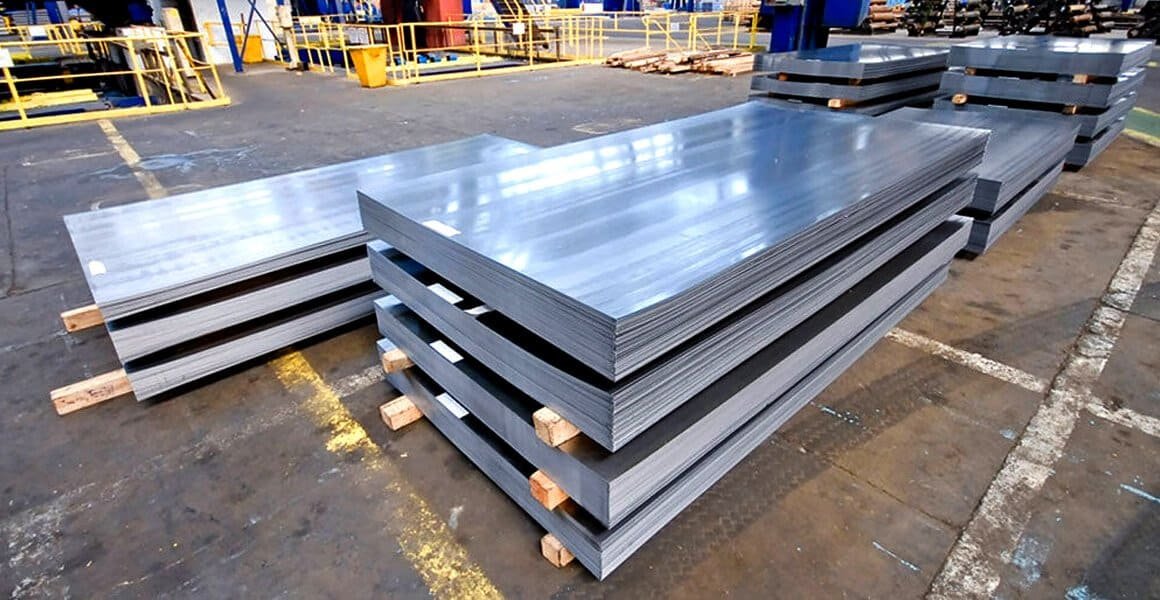
Why Is Accurate Steel Plate Weight Important for Importers and Distributors?
Precise weight computation is not merely a technical necessity; it has a direct bearing on supplier relationships, profitability, and the effectiveness of logistics.
Accurate pricing, efficient container loading, and seamless customs clearance are all ensured by precise steel plate weight. For importers and distributors overseeing global supply chains, it is crucial.
Accurate weight computation is essential for importers that source from China and sell in South America. Underloading loses space, while overweight containers may be subject to fines. Every shipment can be optimized by using a steel plate weight calculator. By lowering disagreements, it also increases supplier-buyer trust. Having accurate data facilitates improved planning and negotiation for decision-makers like as CEOs or technical directors. Small efficiency gains can result in large profit increases in competitive marketplaces.
Are There Online Tools or Charts for Steel Plate Weight Calculation?
Many consumers now rely on internet resources to make steel weight calculations easier due to the increasing prevalence of digital tools.
Действительно, there are numerous internet resources available for fast and precise calculations, such as a steel plate weight calculator, a plate weight calculator, and a steel plate weight chart that can be downloaded.
For fast and accurate results, online calculators are particularly helpful. Mild steel plate weight calculators are available on numerous platforms; all you need to do is enter the dimensions and material type.
Steel plate weight chart files that can be downloaded also offer offline reference. Even if these tools are handy, always compare the outcomes with the information from your source. The highest level of accuracy is ensured by combining digital techniques with expert verification, particularly for large-scale international projects.
Краткое содержание
Precise steel plate weight computation guarantees effective international trade operations, lowers risk, and enhances cost control. For optimal outcomes, use the appropriate data and techniques.