Many buyers depend on steel daily but barely know its true origin. This gap causes poor purchasing decisions and unexpected quality issues in critical projects.
How is steel made step by step and what affects its quality? Steel is made through a complex yet precise process involving the extraction of iron from ore, refining impurities, adding carbon and alloys, and shaping the material through casting and rolling. The entire steel making process transforms raw minerals into strong, versatile metals used globally in construction, machinery, and infrastructure.
Let’s explore each stage—from raw materials to quality control—to truly understand how steel is made.
What Are the Raw Materials of Steel?
Every steel production process begins with selecting the appropriate raw materials, as purity determines quality. Without clean inputs, no sophisticated machinery can produce consistent results.
The main raw materials in the steel manufacturing process are iron ore, coke, limestone, and recycled scrap steel. Each plays a unique role—iron provides the base metal, coke fuels the reaction, and limestone removes impurities during smelting.
In the process of making steel from iron ore, the ore is first crushed and heated to extract molten iron. Coke made from coal serves as both a fuel and a reducing agent, allowing oxygen to escape from the iron ore. Limestone helps to form slag, which absorbs unwanted impurities. Manufacturers typically require approximately 1.5 tons of iron ore per ton of steel, depending on grade.
What Is Steel Made Up Of?
Steel is more than just iron; it is a carefully balanced combination of elements that determine its strength and flexibility.
Steel is made of iron and carbon—two metals that blend to form a durable alloy. Typical steel contains about 98% iron and 0.02–2% carbon, along with elements like chromium, manganese, никель, and silicon to enhance corrosion resistance and tensile strength.
If you’ve ever wondered what is steel composed of, think of it like a recipe, with each ingredient influencing the outcome. Adding chromium produces stainless steel, and manganese increases toughness. What was the result? A metal that strikes the right balance between hardness and ductility. This combination of steel properties determines how the material performs in construction, автомобильный, and machinery applications.
What Are the Three Basic Steel Making Processes?
Steelmaking has evolved over centuries, from simple furnaces to advanced industrial systems that ensure consistency, safety, and efficiency.
The three basic steel making processes include the Basic Oxygen Furnace (BOF), Electric Arc Furnace (EAF), and Open Hearth Furnace (OHF). BOF uses molten iron and oxygen, EAF melts scrap steel with electricity, and OHF—though outdated—once combined both methods.
BOF and EAF are currently used primarily in the steel manufacturing process. Prior to casting, the secondary steel making process refines the composition, removes gases, and adjusts temperature. EAF is particularly environmentally friendly because it recycles scrap steel. Together, these steps ensure that modern steel production is both efficient and environmentally friendly.
Why Do We Use Coke for Making Steel But Not Coal?
A common question among beginners is why use coke instead of coal, given that both are carbon-rich.
Coke is preferred over coal because it has higher carbon purity, burns hotter, and produces less smoke and impurities. This ensures a stable high-temperature environment essential for efficient steel production process reactions inside the blast furnace.
When coal is heated in an oxygen-free environment, volatile gases escape, leaving almost pure carbon—this is coke. It supports the raw materials in the blast furnace while also providing energy and structure. So, if you’re wondering whether coal is used to make steel, the answer is yes, but only indirectly—coal is first converted into coke to avoid contamination and ensure uniformity.
How Is Steel Made Step By Step?
Now that we understand the materials and methods, let’s walk through each key stage of the steelmakingprocess steps.
The process of making steel from iron ore includes seven steps: raw material preparation, ironmaking, steelmaking, deoxidation, casting, rolling, и отделка. Each step transforms the material’s structure to achieve the desired mechanical and surface steel properties.
- Raw Material Preparation—Iron ore, coke, and limestone are loaded into the blast furnace.
- Ironmaking—Molten iron is produced as impurities form slag.
- Steelmaking – Oxygen is blown to reduce carbon levels.
- Deoxidation—Gases and inclusions are removed.
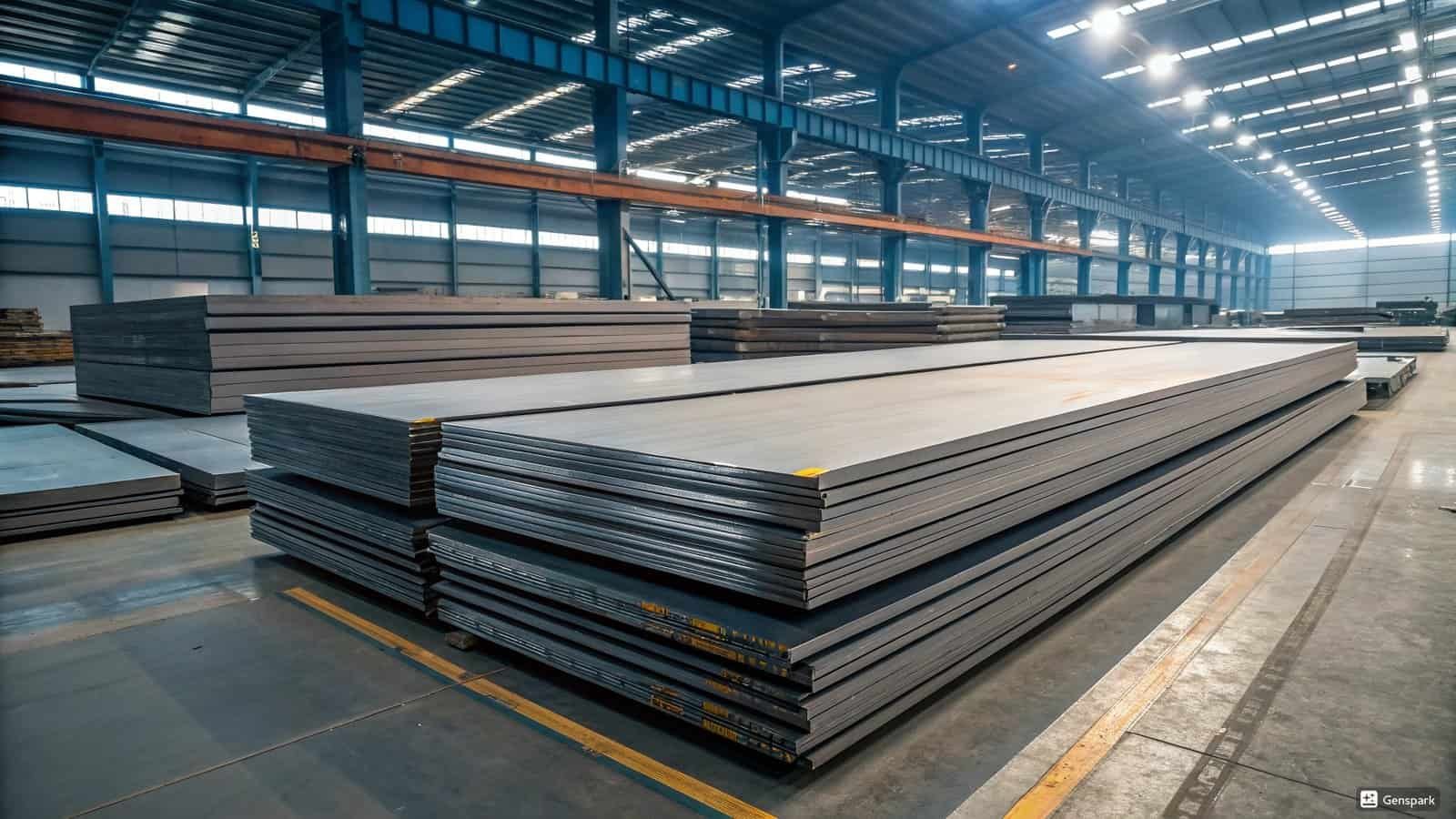
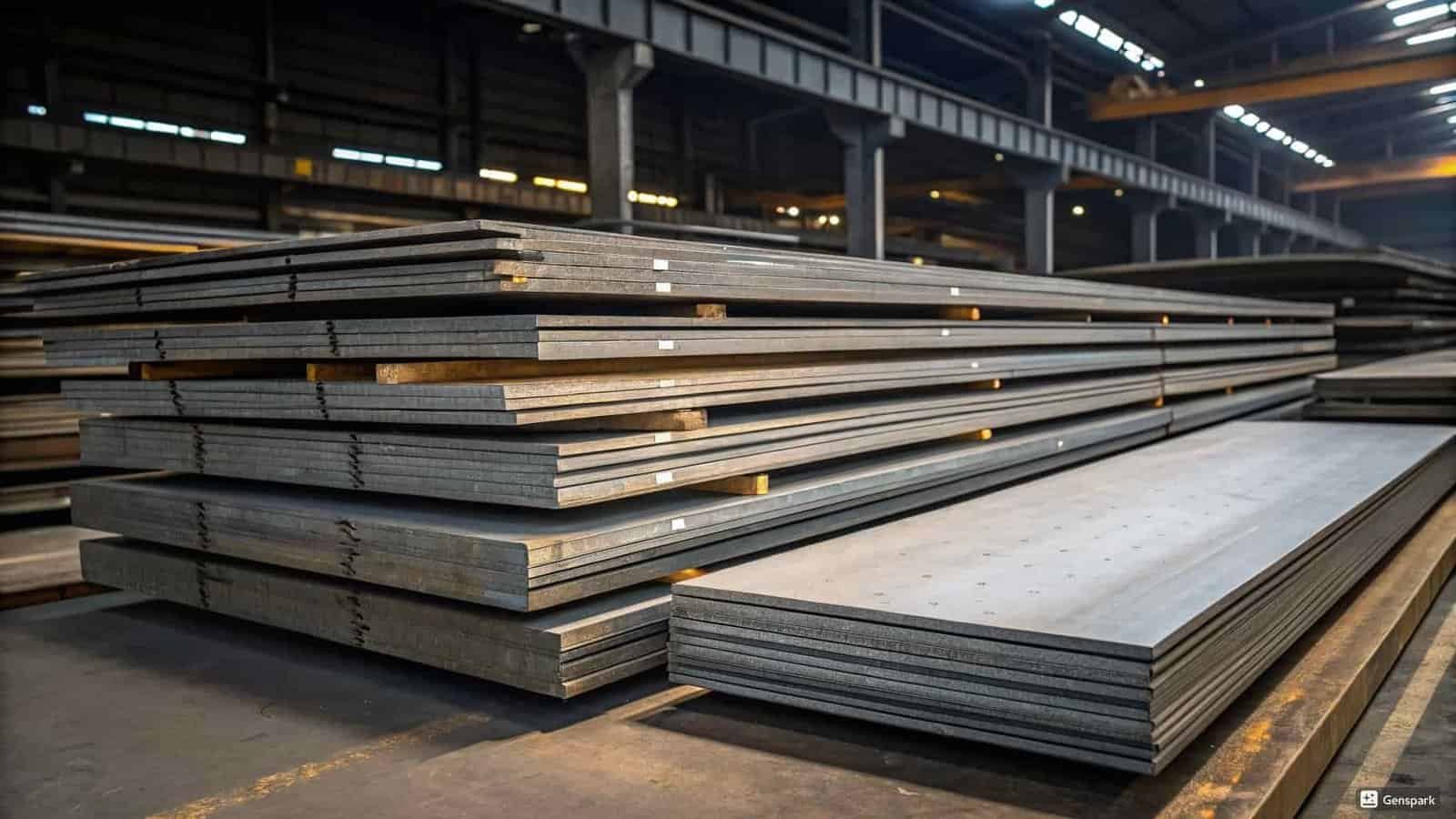
- Casting—Liquid steel is shaped into slabs or billets.
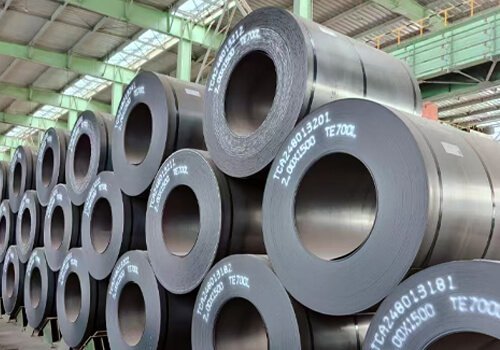
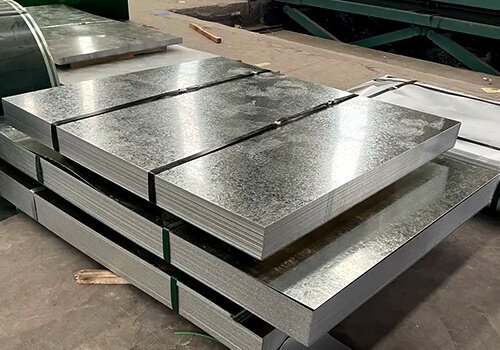
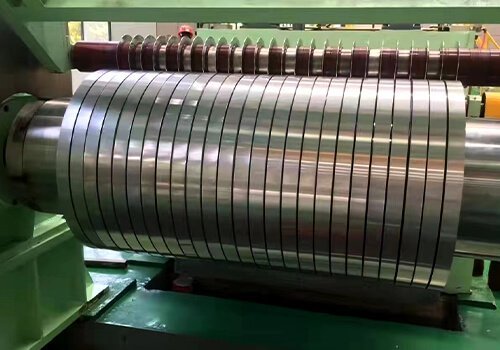
- Rolling—The material is compressed into sheets or coils.
- Finishing—Surface treatment improves corrosion resistance and aesthetics.
This entire steel production sequence ensures the consistency needed for global industries.

What Affects the Quality of Steel?
Even minor adjustments to process parameters can have a significant impact on steel quality, so precise control is required.
Steel quality depends on raw material purity, temperature control, состав сплава, and cooling speed. Advanced testing ensures the final steel manufacturing process meets strength and performance standards.
High-quality steel requires precise coordination between chemistry and engineering. Impurities such as sulfur and phosphorus can cause brittleness. Cooling too quickly can cause internal stress. That is why reputable suppliers conduct thorough inspections and certifications to ensure consistent steel properties for structural and industrial applications.
What Are the Different Types of Steel and Their Uses?
Steel is not one-size-fits-all; different types of steel serve specific industries.
The main types of steel include углеродистая сталь, alloy steel, нержавеющая сталь, and tool steel. Each type has unique characteristics suited for construction, автомобильный, appliances, and machinery applications.
Carbon steel is a low-cost structural material that is commonly used. Alloy steel toughens tools and gears. Нержавеющая сталь is chromium-rich and resists corrosion. Tool steel can withstand heat and wear. When choosing, buyers often ask, what are the types of steel that fit their needs? The solution lies in balancing cost, производительность, и обслуживание.
Why Is Quality Inspection Important in Steel Purchasing?
Buyers like Tony understand that a single defective batch can result in project delays and financial losses.
Quality inspection ensures each product meets specifications and prevents issues like cracks, inclusions, or dimension errors. Certifications such as ISO and SGS confirm the steel’s compliance with international standards.
During inspection, samples are chemically analyzed, tensile tested, and ultrasonically scanned. This ensures that anything made of steel meets expected strength and safety standards. Reliable exporters share mill test certificates and third-party reports to increase transparency. Such steps promote trust throughout the steel production supply chain.
Where Is Steel Used in Modern Industries?
From skyscrapers to smartphones, steel is made of versatility and strength that power the modern world.
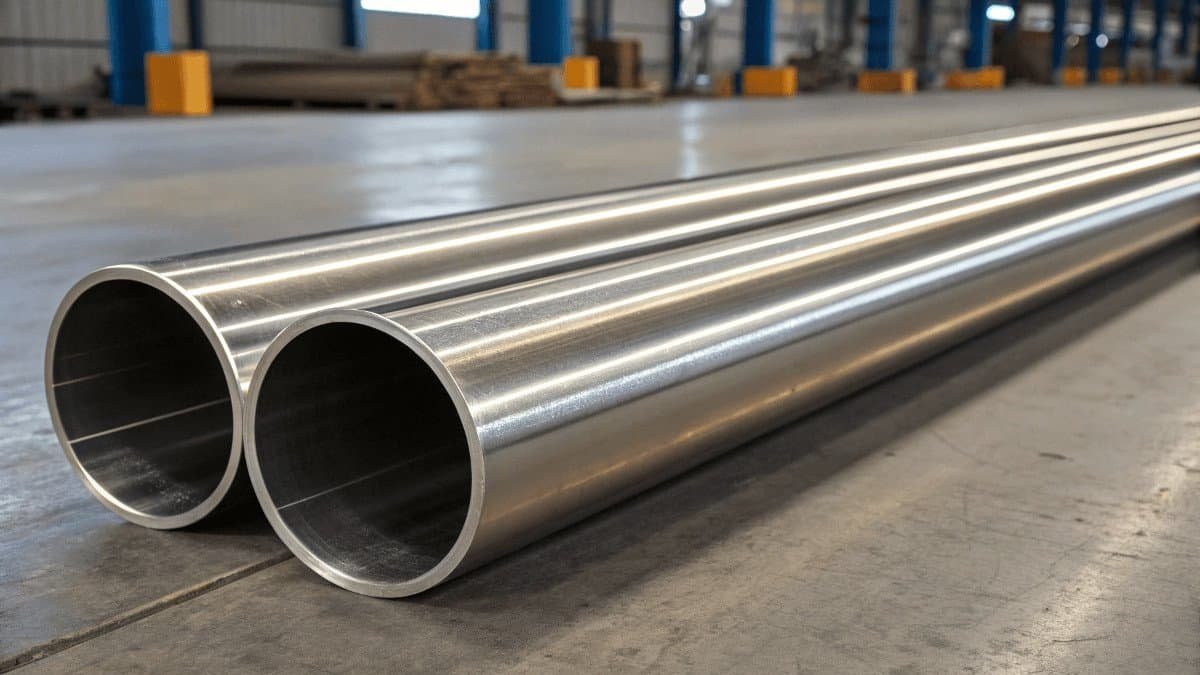
Steel is used in construction, транспорт, energy, упаковка, and household appliances. Every bridge, car frame, oil pipeline, and ship hull demonstrates how steel production supports both heavy industry and daily life.
If you look around, you’ll notice countless things made of steel—buildings, trains, kitchen tools, and even surgical equipment. Steel’s adaptability stems from its diverse steel properties, which allow engineers to customize it for specific applications. Whether designing earthquake-resistant skyscrapers or electric vehicles that require lightweight strength, how steel is made directly influences its application potential across industries.
Краткое содержание
Understanding how steel is made and the factors that influence its quality allows buyers to make more informed decisions, resulting in durable materials, consistent supply, and long-term success.