
Choosing the right material for your project can be challenging. With options like galvanized steel and aluminum available, it’s crucial to understand their strengths, costs, and performance. Which one is best for you?
In the debate of galvanized steel vs aluminum, both materials offer distinct advantages. Galvanized steel is known for its strength and cost-effectiveness, while aluminum offers superior corrosion resistance and lighter weight. This article will help you choose the right material for your project based on key factors such as strength, коррозионная стойкость, масса, and cost.
Now, let’s explore the key differences between galvanized steel and aluminum, so you can make the best decision for your project.
What Is Galvanized Steel and How Is It Made?
Galvanized steel is steel coated with zinc to prevent corrosion. This process extends its lifespan and makes it suitable for outdoor or industrial use. But how is galvanized steel produced?
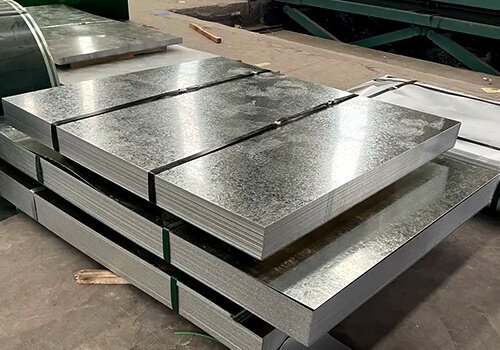
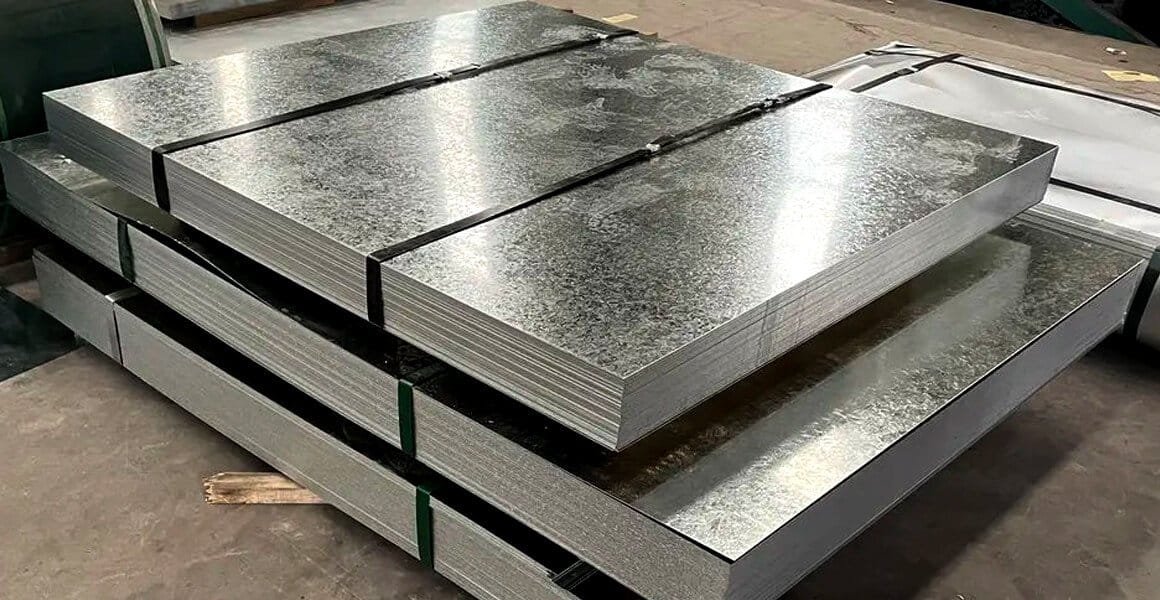
Galvanized steel is made by coating steel with molten zinc, a process known as galvanization. This protective layer prevents rust and degradation over time.
The galvanization process is typically divided into two steps: hot-dip galvanization and electro-galvanization. Hot-dip galvanization involves immersing steel in molten zinc, resulting in a thick coating with superior corrosion resistance, though it is more expensive. Electro-galvanization is a more cost-effective option in which zinc is applied via electroplating.Though more cost-effective, it usually results in a thinner coating that is less durable in harsh environments.

What Makes Aluminum a Unique Material?
Aluminum is a versatile, lightweight nonferrous metal that is widely used in a variety of industries, including aerospace and construction. One of its most notable characteristics is its resistance to corrosion; however, what else distinguishes aluminum?
Aluminum is naturally corrosion resistant due to the formation of a thin oxide layer on its surface. This makes it ideal for outdoor or exposed applications that require durability and longevity.
Алюминий is much lighter than galvanized steel, providing a higher соотношение прочности и веса. This feature is especially important in industries like aerospace, where weight reduction can boost fuel efficiency. Более того, aluminum can withstand extreme temperatures and is highly recyclable, making it a more environmentally friendly choice for many projects.Aluminum’s combination of properties makes it ideal for use in environments that require both durability and light weight.
Which Material Is Stronger: Galvanized Steel or Aluminum?
When it comes to strength, galvanized steel and aluminum have distinct advantages. Однако, the strength of galvanized steel frequently outperforms that of aluminum, making it the preferred material for heavy-duty applications.
Galvanized steel is known for its high tensile strength, making it ideal for heavy-duty applications such as construction. Алюминий, while strong, is better suited to lighter applications with a high strength-to-weight ratio.
Galvanized steel’s strength makes it ideal for construction, автомобильный, and infrastructure applications that require high load-bearing capacity. Алюминий, с другой стороны, excels in applications that require weight reduction, such as aerospace and transportation.Despite its lower strength, aluminum can still perform well in less demanding environments or where light weight is important. If you are comparing aluminized steel vs galvanized steel in terms of strength, galvanized steel typically offers better performance.
Which Material Has Better Corrosion Resistance?
Corrosion resistance is an important consideration in many industries, especially for materials exposed to outdoor conditions. Both galvanized steel and aluminum provide excellent corrosion resistance, but which is superior?
While galvanized steel is zinc-coated to prevent corrosion, aluminum naturally forms an oxide layer that makes it rust-resistant. In highly corrosive environments, such as coastal areas, aluminum generally outperforms galvanized steel.
The difference between galvanized steel vs aluminum corrosion is determined by the type of exposure. Galvanized steel provides excellent protection in many outdoor conditions, particularly when the coating is intact. Алюминий, с другой стороны, performs better in areas with high moisture or salt content, such as near the ocean, thanks to its natural oxide layer. Aluminum is particularly effective at resisting saltwater corrosion, making it an ideal choice for marine environments.
Is Aluminum Worth the Extra Cost Compared to Galvanized Steel?
When deciding on materials for your project, cost is an important consideration. While galvanized steel is less expensive initially, aluminum has several long-term advantages that may justify its higher price.
Galvanized steel is less expensive than aluminum in terms of initial cost. Однако, aluminum’s low maintenance requirements, superior corrosion resistance, and lightweight properties may make it a more cost-effective choice in the long run.
When comparing galvanized steel vs aluminum prices, galvanized steel is typically the more cost-effective option in the short term, particularly for large-scale construction projects. Однако, if your project involves high humidity, saltwater, или другие коррозионные элементы, aluminum may offer better value by lowering long-term maintenance costs. Более того, the lightweight nature of aluminum can reduce transportation costs while increasing overall project efficiency.
What’s Better: Galvanized Steel or Aluminum?
The specifics of your project will determine whether galvanized steel or aluminum is a better choice. Both materials have distinct advantages, but which is the best fit for your requirements?
If strength and cost-effectiveness are your top priorities, galvanized steel may be a better option. Однако, if you need corrosion resistance, lightweight, or long-term durability, aluminum may be the way to go.
Galvanized steel excels in heavy-duty applications where strength is required and cost is a constraint. Алюминий, с другой стороны, is better suited to environments where corrosion resistance, масса, and durability are key considerations. Aluminum is the preferred material in industries such as aerospace, транспорт, и морской. In contrast, galvanized steel is commonly used in construction and infrastructure.
How to Tell If Metal Is Galvanized or Aluminum?
Galvanized steel and aluminum are difficult to distinguish at first glance. Fortunately, there are some simple ways to tell the difference between the two materials.
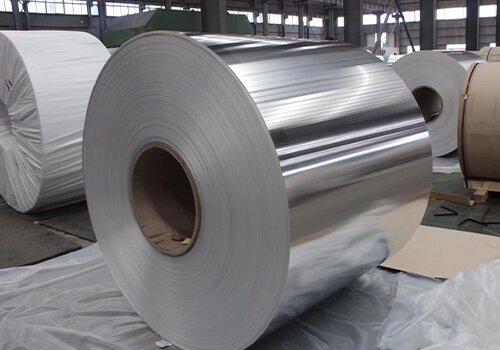
The weight and appearance of the metal are the simplest ways to determine whether it is galvanized or aluminum. Galvanized steel is heavier and has a shiny, silvery finish, whereas aluminum is lighter and typically has a more matte finish.
Galvanized steel often has a textured or rougher surface than aluminum, which has a smooth finish. Более того, the iron content in galvanized steel makes it magnetic, whereas aluminum is not. Another way to tell the difference is to test their reaction to a scratch—galvanized steel may show the zinc coating wearing off, whereas aluminum does not.

How Does Weight Affect the Choice Between Galvanized Steel and Aluminum?
Weight is an important consideration in many industries, particularly for products where weight reduction can boost efficiency or performance. Aluminum’s lightweight nature frequently outperforms galvanized steel in such applications.
Aluminum is significantly lighter than galvanized steel, making it ideal for applications that require lightweight materials, such as the transportation and aerospace industries. Galvanized steel, с другой стороны, is better suited for applications where strength takes precedence over weight.
Aluminum’s lightweight nature makes it essential in industries such as aerospace and automotive, where weight reduction has a direct impact on fuel efficiency and overall performance. Например, aluminum is frequently used in aircraft to reduce weight without sacrificing strength.In contrast, galvanized steel is preferred in large-scale construction projects where strength and load-bearing capacity take precedence over weight.
What Are the Environmental Impacts of Galvanized Steel and Aluminum?
Both galvanized steel and aluminum are recyclable, but their environmental impact differs. Let us compare their environmental impact and sustainability to help you make an eco-friendly decision.
Aluminum is extremely recyclable and can be reused indefinitely with little loss of quality. Однако, its production is energy-intensive. Galvanized steel is also recyclable, but the zinc coating raises environmental concerns during manufacturing.
Aluminum has a significant environmental impact during its production process because it requires a lot of energy to extract and refine the metal. Однако, once manufactured, aluminum is infinitely recyclable, lowering its long-term environmental impact. Galvanized steel, while also recyclable, has a more complicated recycling process due to the zinc coating, which necessitates careful handling to prevent environmental contamination. Despite these challenges, galvanized steel is widely used due to its lower initial costs and high durability in a variety of applications.
How Do Galvanized Steel and Aluminum Compare in Terms of Maintenance?
Maintenance is an important consideration when selecting materials for long-term projects. Galvanized steel and aluminum require different levels of maintenance, with the former requiring less.
Aluminum requires little maintenance because of its natural corrosion resistance. Galvanized steel, с другой стороны, may require periodic inspections and maintenance, especially if the zinc coating begins to wear off.
Aluminum is virtually maintenance-free, making it ideal for projects requiring long-term durability without frequent upkeep. Galvanized steel, с другой стороны, must be monitored over time, particularly in harsh environments where the zinc coating can degrade, resulting in corrosion if not properly maintained. Regular maintenance is required in environments with high humidity or salt levels to ensure that galvanized steel performs optimally.
Краткое содержание
Both galvanized steel and aluminum provide distinct advantages. Choose galvanized steel for its strength and low cost, or aluminum for its lightweight design, superior corrosion resistance, and long-lasting durability.