
Are you unsure whether to choose galvanized steel vs mild steel for your next project? Selecting the right material is crucial for ensuring your product’s performance and durability. Let’s explore the key differences to help you make an informed decision.
What’s the difference between galvanized steel vs mild steel? Galvanized steel vs mild steel differ significantly in terms of corrosion resistance, сила, and cost. Galvanized steel is ideal for environments prone to rust, while mild steel is more affordable but susceptible to corrosion. The best choice depends on your project’s specific needs.
Let’s dive deeper into how galvanized steel and mild steel compare across various factors.
What Is Galvanized Steel and How Does It Work?
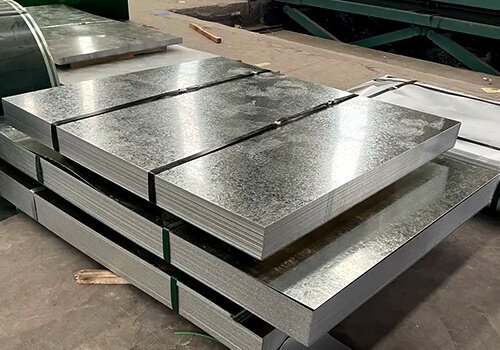
Steel that has had a layer of zinc applied to it to stop corrosion is known as galvanized steel. Steel’s endurance is greatly increased by the zinc coating, which serves as a barrier against environmental factors, particularly under challenging circumstances.
Steel is dipped into molten zinc during the galvanization process, which creates a protective coating by bonding to the steel. This coating prolongs the steel’s resistance to rust and corrosion, making it perfect for outdoor use.
As a sacrificial anode, the protective zinc coating on galvanized steel corrodes before the underlying steel. Because of this, galvanized steel works especially well in industrial and outdoor applications, including roofs, fences, and moisture-exposed car parts.
What Is Mild Steel and What Are Its Key Features?
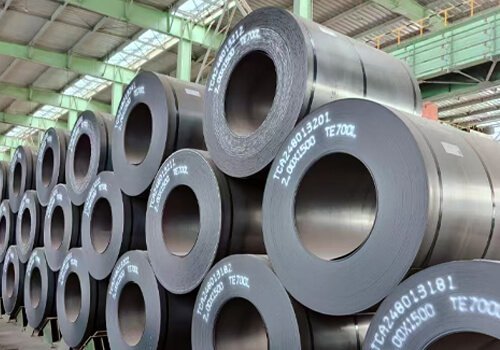
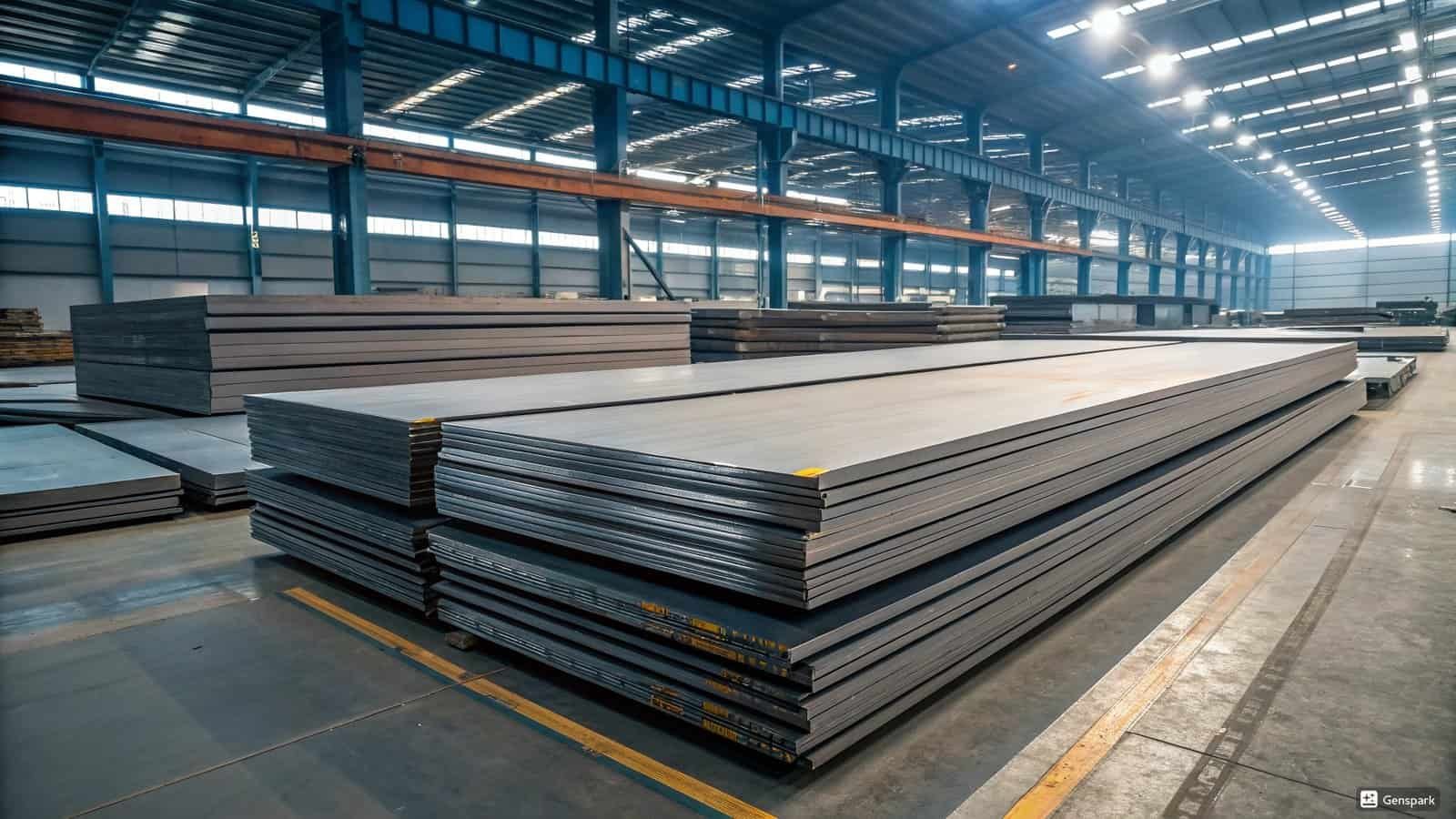
Compared to other forms of steel, mild steel, sometimes referred to as low-carbon steel, is softer and more pliable due to the tiny amount of carbon it contains.
Because of its great adaptability, mild steel is perfect for a variety of uses, including machinery and vehicle parts. Однако, it needs extra protective coatings because it is not as resistant to corrosion as galvanized steel.
Mild steel’s lack of corrosion resistance makes it less appropriate for outdoor applications unless it is painted or coated often, even if it is perfect for uses that do not entail exposure to severe weather.
Is Galvanized Steel Stronger Than Mild Steel?
Is galvanized steel stronger than mild steel? Mild steel usually has a higher tensile strength when it comes to raw strength. Однако, because of its corrosion-resistant coating, galvanized steel provides better durability.
Galvanized steel is preferable in wet conditions because it performs better in terms of longevity and resistance to rust and corrosion, even though mild steel has a larger tensile strength.
In structural applications where strength is crucial, mild steel is frequently utilized. Galvanized steel, с другой стороны, is used in industrial and outdoor settings where rust prevention is more crucial than tensile strength.
Which Is Better, Galvanized Steel or Mild Steel?
The needs of your project will determine whether galvanized steel vs mild steel is preferable. Mild steel is superior in terms of strength and affordability, whereas galvanized steel is perfect for corrosion resistance.
While mild steel is frequently the more cost-effective option for indoor applications where corrosion is not a problem, galvanized steel is better suited for settings where corrosion is a significant concern.
The particulars of your project will determine whether you should choose mild steel or galvanized steel. Galvanized steel is the ideal choice for applications that are exposed to chemicals or the elements. Однако, mild steel can be a better option if strength and cost are the primary considerations.
How Does Galvanized Steel Protect Against Corrosion?
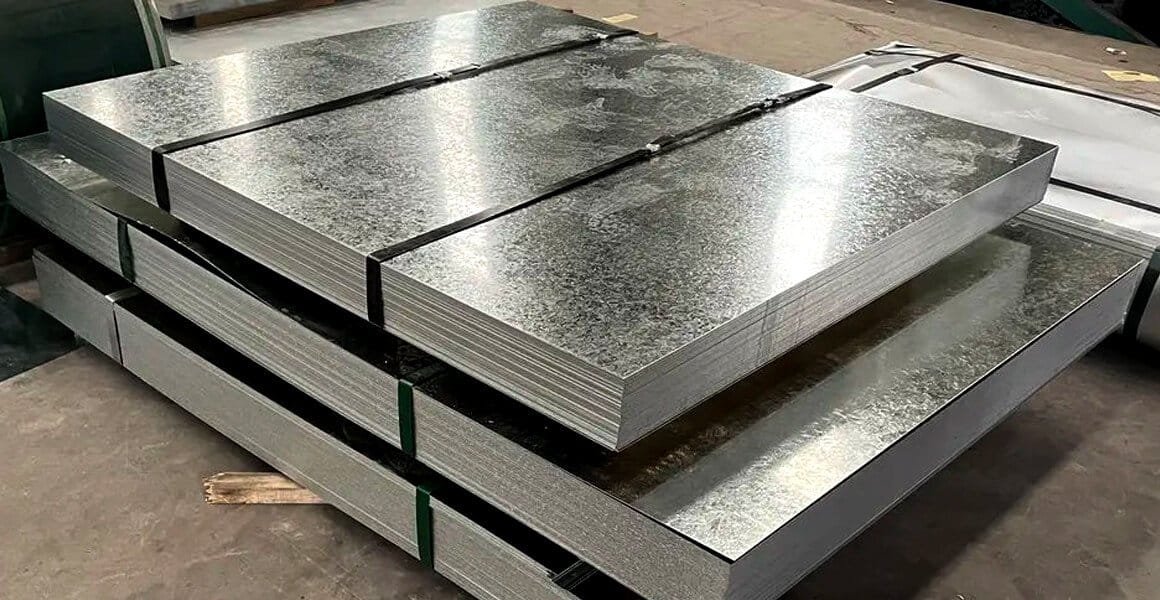
The primary benefit of galvanized steel is its remarkable resistance to corrosion, which results from the zinc layer that acts as a barrier against air and moisture.
As a sacrificial anode, the zinc coating on galvanized steel corrodes before the steel underneath. This greatly increases the steel’s lifespan by preventing rust from developing on it.
Galvanized steel’s zinc coating is very helpful in damp conditions like industrial zones and coastal regions. The coating lessens the requirement for routine maintenance in addition to preventing rust.
Can Galvanized Steel Be Welded?
Because the zinc coating can produce toxic vapors when heated, welding galvanized steel can be more difficult than welding mild steel.
Welding galvanized steel is possible, but it’s crucial to take safety measures to prevent breathing in the fumes. To guarantee a solid bond, it’s also essential to clean the zinc coating’s surface before welding.
The zinc coating in the regions that will be welded should be removed if you intend to weld galvanized steel. Chemical cleaning or mechanical procedures can be used for this. During welding, enough ventilation is also crucial.
Which Is More Expensive, Galvanized Steel or Mild Steel?
When considering galvanized steel vs mild steel cost, galvanized steel is often more expensive than mild steel. Однако, its extended lifespan and lower maintenance requirements frequently make the additional expense worthwhile.
Although mild steel is usually less expensive initially, it can be expensive to maintain over time, particularly in severe settings. Despite being more costly at first, galvanized steel can save money over time since it requires less upkeep.
Because of the galvanizing process, galvanized steel may initially cost more, but its resistance to rust and corrosion lessens the need for expensive repairs or replacements. In contrast, mild steel may need to be painted or coated on a regular basis to keep it from rusting, which raises the total cost of maintenance.
Is Galvanized Steel Suitable for High-Temperature Environments?
Galvanized steel works well at moderate temperatures, but because its zinc coating deteriorates at higher temperatures, it might not be the greatest choice for high-temperature applications.
The zinc coating on galvanized steel starts to disintegrate at temperatures exceeding 200°C (392° F.), which may lessen the steel’s protective qualities. Stainless steel may be a superior choice in high-temperature settings.
Because stainless steel and mild steel can tolerate high temperatures without deteriorating, they might be a better choice if your project includes exposure to high heat, like in power plants or industrial furnaces.
How Long Does Galvanized Steel Last Compared to Mild Steel?
Because of its corrosion-resistant coating, which shields it from rust for decades, depending on the environment, galvanized steel outlasts mild steel.
Mild steel may only endure a small portion of that period in severe settings unless it is continuously maintained or coated, but galvanized steel can last up to 50 years.
Air quality and moisture exposure are two examples of variables that can affect how long galvanized steel lasts. Однако, it has a major benefit over mild steel, which might need to be replaced or re-coated frequently in outdoor or high-moisture conditions because of its resistance to rust.
Can Galvanized Steel Be Recycled?
Galvanized steel is recyclable, and the recycling process is unaffected by the zinc coating. It is an eco-friendly choice because it can be treated with other metals.
In addition to lessening the impact on the environment, recycling galvanized steel recovers zinc, which may be used again in a variety of ways.
Galvanized steel recycling is becoming more popular in sectors including industrial, автомобильный, and construction because of the steel’s long-term advantages due to its durability and resistance to corrosion.
Краткое содержание
In conclusion, the decision to use galvanized steel vs mild steel ultimately comes down to your project’s needs, environmental exposure, and budget.