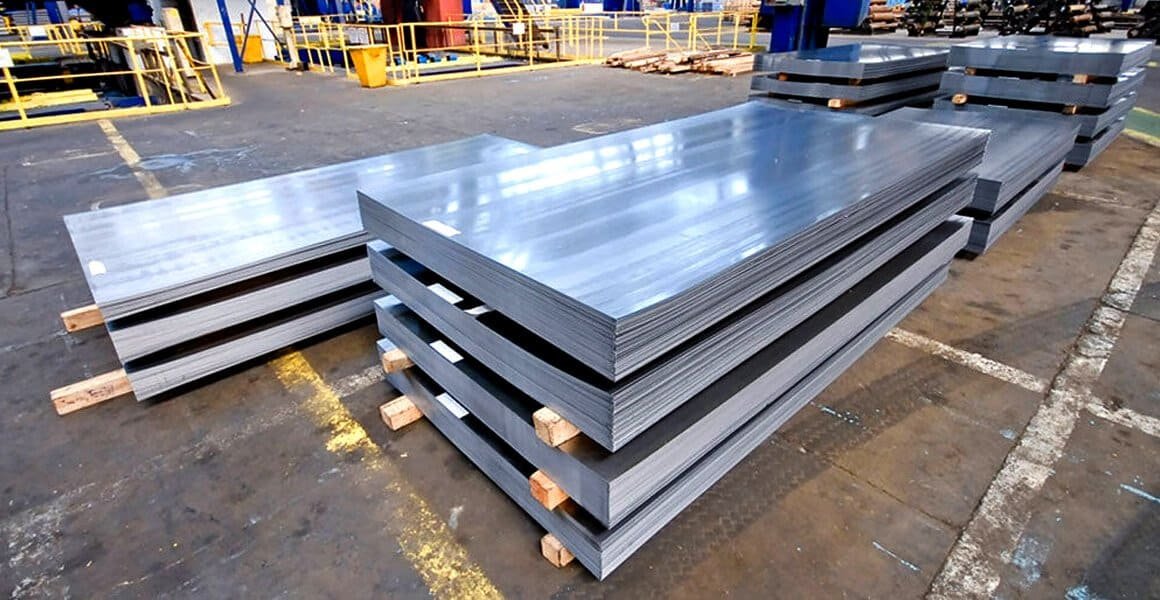
Steel sheets are very common, but if you don’t get their weight right, it can cost more, cause shipping problems, and cause quality disputes. This often puts buyers and distributors in a lot of danger.
O peso de chapa de aço is calculated using thickness, largura, comprimento, and material density. Standard formulas or a weight of steel sheet calculator help buyers accurately determine steel sheet weight, control costs, plan logistics, and avoid errors in international trade.
But real buying decisions need more than just a simple formula or calculator to make.
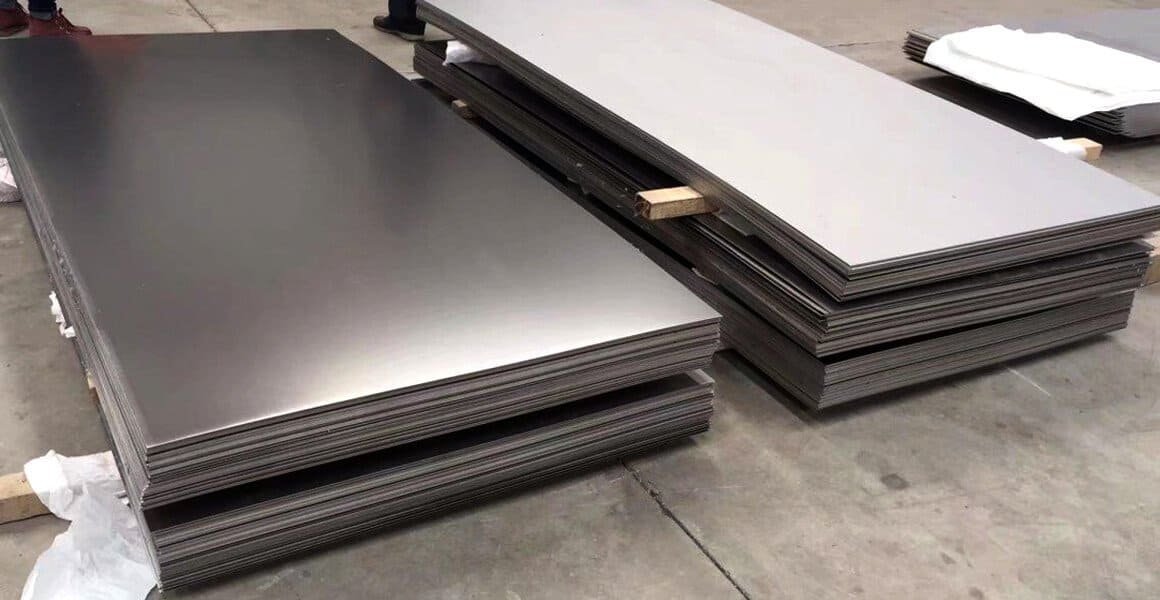
How Do You Calculate the Weight of Steel Sheet Accurately?
Steel buyers must be able to accurately calculate the weight, which is a simple but important task, especially when it comes to pricing, logística, and quality checks. Even small mistakes in assumptions about thickness or density can have a big effect on the total weight of steel, shipping costs, and final profit margins. When international buyers get their goods from mills in other countries, accuracy is even more important because it costs a lot to fix mistakes after shipping.
The usual way to figure this out is to multiply the length, largura, grossura, and density of the material. A lot of buyers use tools like a steel weight calculator, a steel weight calculator in kg, or a sheet steel weight calculator to speed things up and cut down on mistakes. Engineers, procurement managers, and logistics teams all use these tools a lot.
UM placa de aço weight calculator or steel sheet weight calculator works on the same principle, but it changes it to fit different types of products. The way you calculate the weight of steel plate, weight plate steel, or steel sheet metal is always the same. You can quickly compare suppliers online with tools like a sheet metal weight calculator, a plate weight calculator, or a steel plate calculator.
In real life, buyers often weigh things more than once—when they get a quote, before production, and before shipping. Exporters who have been in the business for a while usually give calculated values along with tolerances and paperwork. Weight consistency has a direct effect on container planning and customs declarations for coils and sheets.
When comparing different materials, you also need to be able to accurately use advanced tools like a steel bar weight calculator or an aluminum weight calculator. Resumidamente, learning how to do math well helps buyers negotiate with confidence, check supplier data, and avoid problems with shipping costs that are too high, too low, or that come up out of the blue.
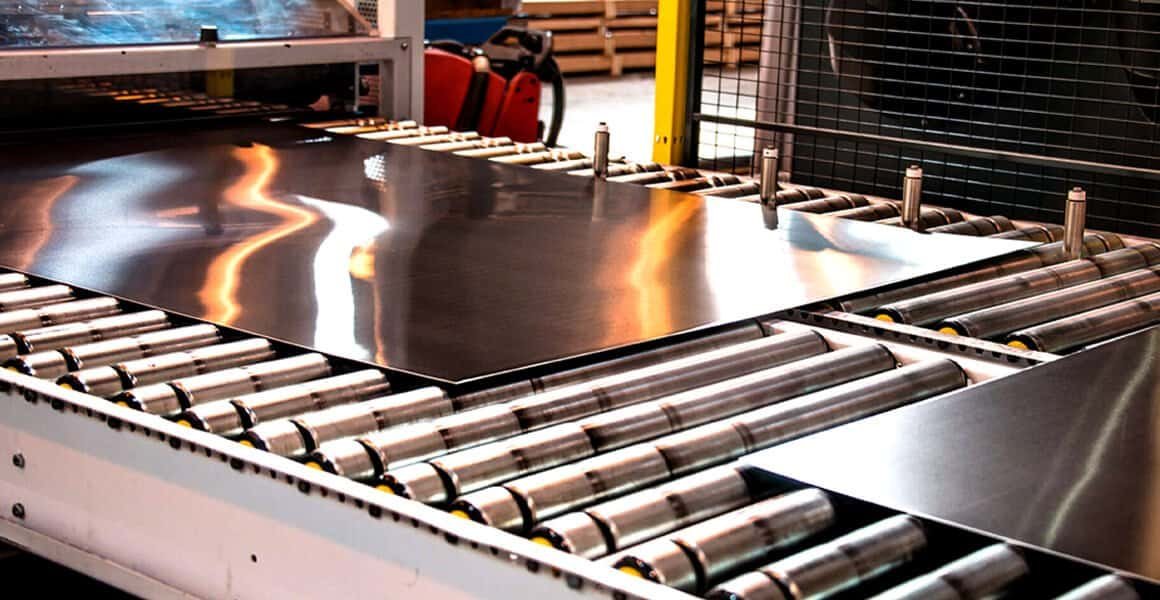
Does the Weight of Steel Sheet Change by Material Type?
Sim, the type of material has a direct and big effect on the final weight. People who buy steel products often think that all of them weigh the same, but this is a costly mistake. Two sheets with the same size can weigh very different amounts because different materials have different densities.
Por exemplo, carbon steel sheet and mild steel sheet are both used a lot in construction and fabrication because they have similar densities. Stainless steel sheets, like perforated stainless steel sheets, usually weigh a little more because they have chromium and nickel in them. When figuring out the total weight of a shipment or comparing the price of stainless steel sheets to shipping costs, this difference is very important.
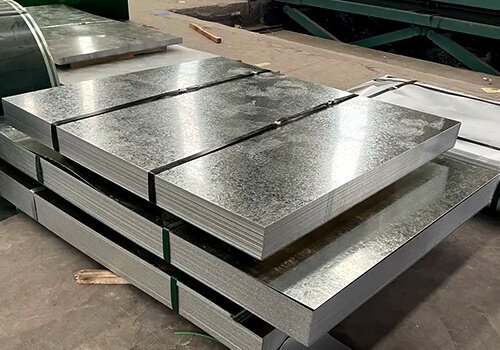
Galvanized steel sheet, on the other hand, has a zinc coating that makes it a little heavier but makes it much more resistant to rust. Even though the thickness looks the same, products like steel corrugated sheets and perforated steel sheets may weigh less than solid sheets because of how they are made.
The type of material also affects how people use tools like a steel sheet weight calculator or a weight of steel sheet calculator. You need to get the density values right; otherwise, the results will be wrong. When comparing steel to aluminum, you have to make completely different assumptions. That’s why a lot of buyers use an aluminum weight calculator to look at lighter options.
Knowing how different materials affect weight helps buyers make better choices about where to get their goods. It affects not just how things are shipped and handled, but also how long they last and how much they can be sold for. Exporters who have been in the business for a long time always make sure to explain the specifications of the material up front to avoid any confusion about the weight and performance of the steel sheets.
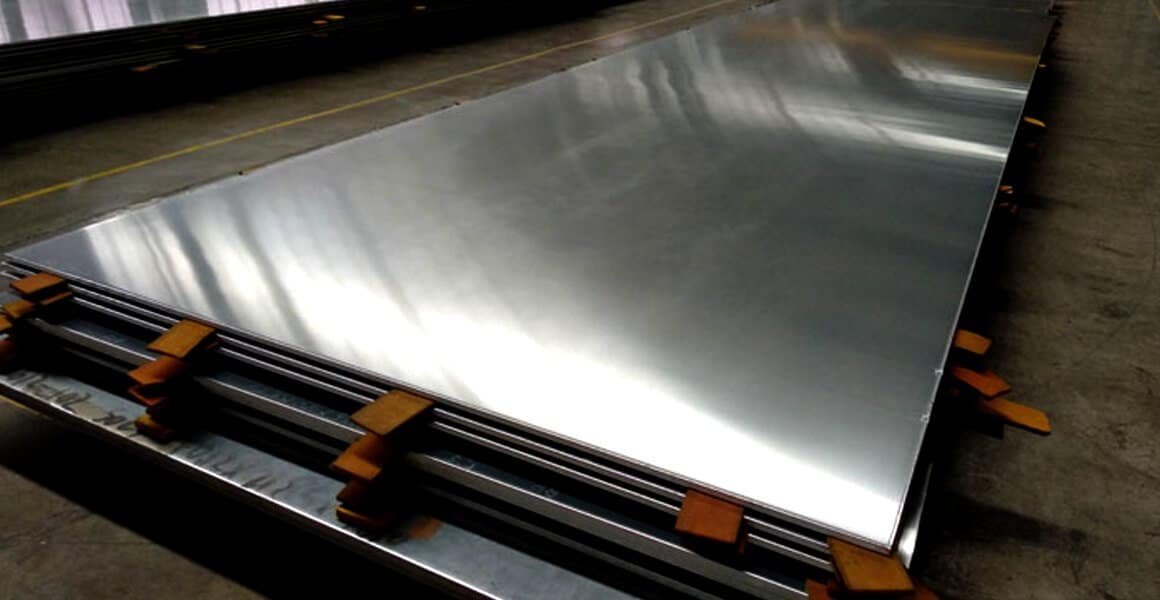
How Thickness and Size Affect the Weight of Steel Sheet
Thickness and size are the most obvious things that affect weight, but they are also the things that people get wrong the most. The relationship is linear: as thickness or surface area increases, so does total weight. But differences in tolerance during production can make the difference between theoretical and actual values very clear.
When buyers figure out the weight of chapa de aço per square foot or per square meter, thickness is the most important factor. Even a small change can mean that a whole shipment is hundreds of kilograms heavier or lighter. That’s why a lot of professionals use a steel plate weight calculator or a sheet metal weight calculator instead of making rough guesses.
Size is also important for handling and logistics. Larger sheets may make loading easier, but they can also make handling and storage more difficult. When figuring out how much steel sheet to buy for a construction project, buyers should think about both the size and the thickness of the sheet.
When buying things with a focus on quality, thickness tolerance is often checked during inspection. Exporters with a good reputation give inspection reports that prove both the thickness and the weight that was calculated. This information helps keep prices clear and stops arguments about the price of steel sheets.
Buyers can use digital tools like a steel calculator or steel weight calculator to try out different thickness and size combinations before they place an order. This method helps make the best use of materials, cut down on waste, and make sure that product specifications match project needs.
Why the Weight of Steel Sheet Matters in International Shipping
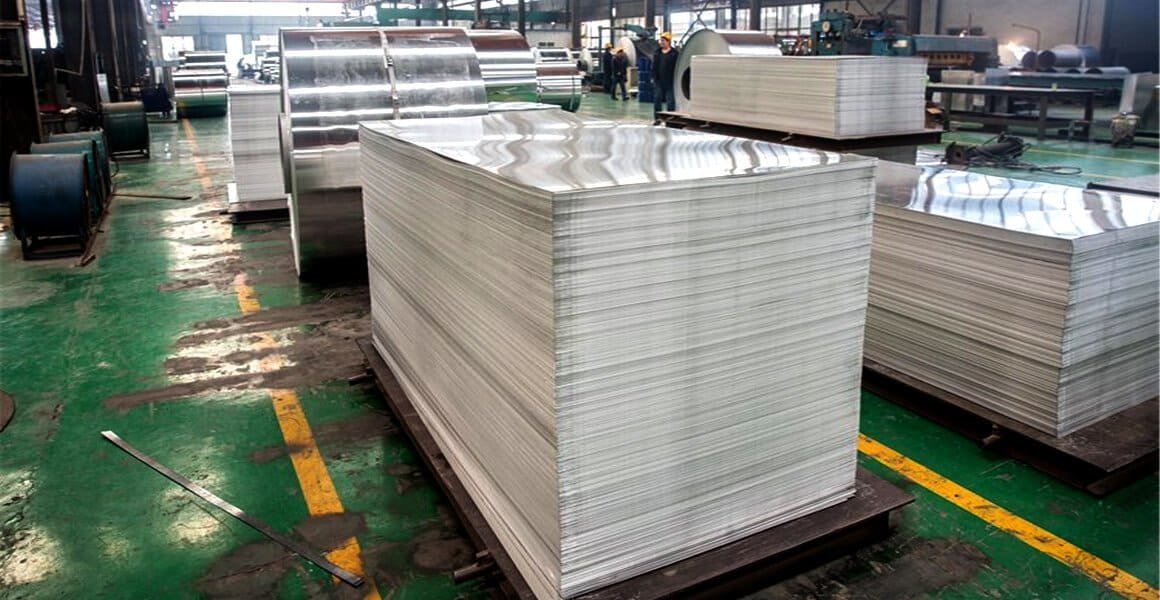
Weight is not just a technical detail in international trade; it has a direct impact on cost, risk, and delivery times. The weight of the cargo affects the cost of shipping by sea, the number of containers that can fit in a port, and the rules that ports have to follow. If you guess the weight of steel sheets wrong, you could end up with overloaded containers or not using space well.
Buyers who send goods to South America, o Médio Oriente, or Southeast Asia often use a weight of steel sheet calculator or steel weight calculator in kg to check the weight several times to make sure they stay within shipping limits. When making packing lists and customs papers, it’s important to have correct information.
Weight also affects how reliable the delivery is. Ports may refuse or delay cargo that is too heavy, which means that peak sales seasons are missed. People like Tony, who need reliable timelines, often have this problem. Knowing the exact weight of chapa de aço can help stop problems like these.
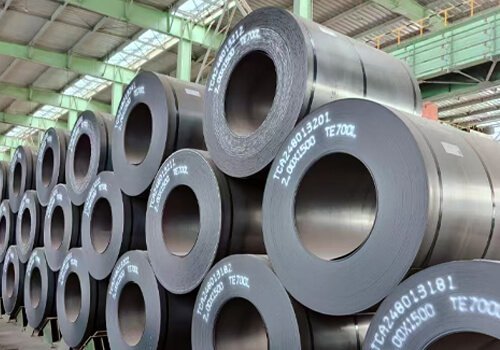
From a cost point of view, shipping costs go up directly with weight. Even small mistakes can lower margins, especially when dealing with a lot of steel plate weight or steel sheet coils. When planning packaging and containers, experienced exporters think about how to optimize weight.
No fim, knowing how shipping affects weight calculation turns it from a technical task into a strategic advantage. It helps keep costs down, lowers risk, and builds stronger long-term relationships with suppliers.
How Buyers Verify the Actual Weight of Steel Sheet Before Delivery
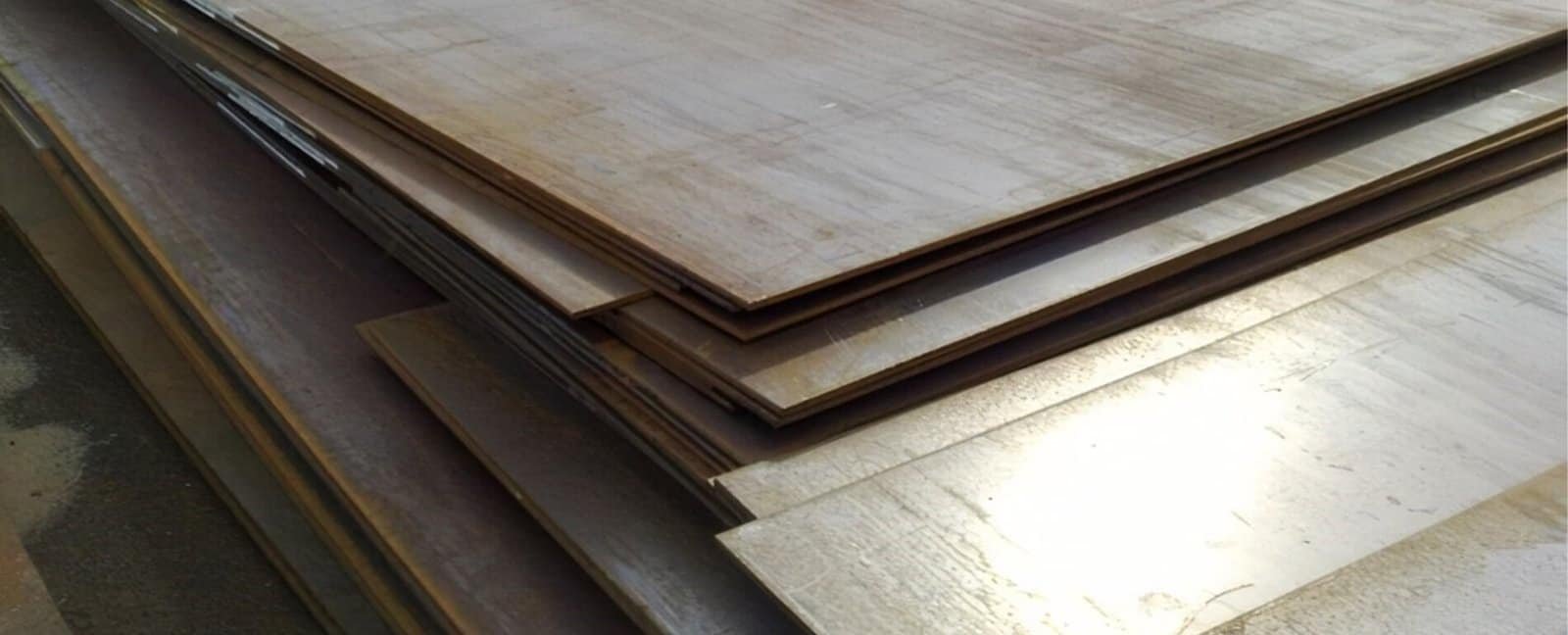
Verification is the last line of defense against arguments about quality and weight. Professional buyers don’t usually just look at calculated values. Instead, they check the accuracy of documents, inspection reports, and physical measurements by comparing them to each other.
People often use Mill Test Certificates (MTCs) to check the grade, grossura, and theoretical weight of a material. People who want to buy steel sheets or plates often compare these numbers to those from a steel sheet weight calculator or steel plate calculator. Third-party inspections add another level of security for big orders.
The way things are weighed also matters. Some buyers want their bundles or coils weighed before they are shipped, especially when they order high-value stainless steel sheets or galvanized steel sheets. This helps make sure that the weight of the steel sheet metal is in line with what was agreed upon in the contract.
Experienced exporters know what is expected of them and give clear information ahead of time. They explain how to do calculations, what tolerances are, and how to check things ahead of time. This method builds trust and makes delivery and payment go more smoothly.
For buyers, systematic verification protects them from getting less than what they paid for, paying too much, and delays in the project. It is an important part of keeping up quality standards and making sure that the business stays profitable in the long run.
Resumo
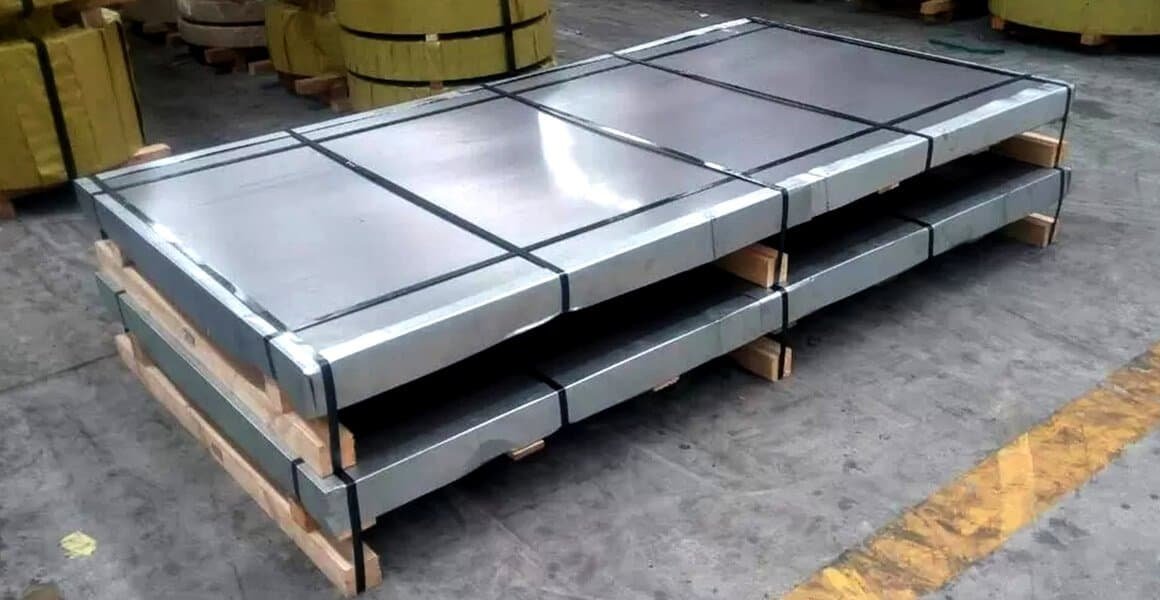
Buyers can keep costs down, lower risks, and make smart choices when buying steel from around the world if they know and can check the weight of steel sheet.