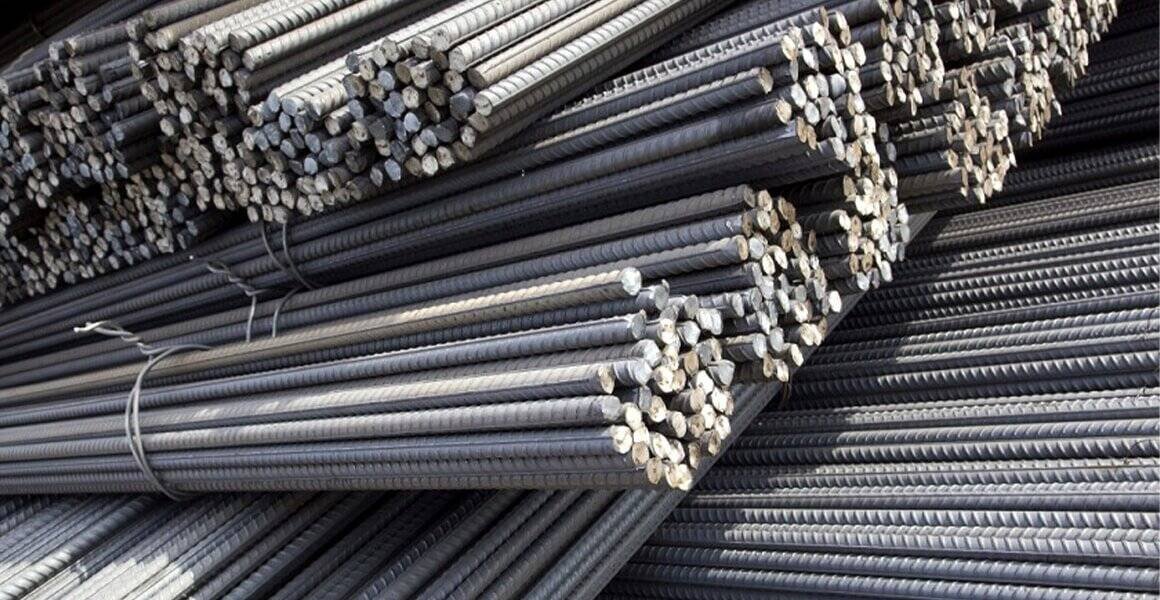
Structures fail when steel cannot fully transfer force into concrete, creating hidden risks, costly repairs, and safety threats—problems that correct reinforcing bar development length is designed to solve.
What is reinforcing bar development length and why is it critical for structural safety? Reinforcing bar development length is the minimum embedded length required for steel reinforcement to achieve full strength through bond with concrete. Proper calculation ensures safe load transfer, prevents bar pullout, and complies with structural codes, making it essential for durable and reliable reinforced concrete design.
Understanding the definition is only the first step; real safety depends on how development length is calculated, applied, and controlled.
How Is Reinforcing Bar Development Length Calculated in Concrete Structures?
Because calculations determine whether reinforcing steel can safely withstand design loads without slipping inside concrete, engineers frequently inquire about the development length of rebar.
Formulas from design codes like ACI 318 and Eurocode 2 serve as the foundation for the definition of rebar development length. These calculations determine the necessary embedded length for complete stress development by relating bar diameter, concrete strength, steel yield strength, and bond conditions.
In actuality, there is no one set figure for determining the development length of reinforcement. Equations, correction factors, and minimum limitations are provided by codes. For fast inspections during design reviews, engineers can also consult a rebar development length table or chart.A development length calculator or rebar development length calculator can be used to evaluate situations for preliminary estimation, but final values must always adhere to project parameters and the governing standard.
What Factors Affect Reinforcing Bar Development Length Requirements?
Because actual building conditions alter how well concrete bonds with reinforcing steel under stress, different rebar development lengths are needed.
Bar diameter, classe de aço, concrete compressive strength, cover thickness, confinement, and surface condition are important variables. To obtain sufficient bond strength and avoid pullout, longer reinforcing development lengths are needed for larger bars or weaker concrete.
Environmental exposure and placement quality are important in addition to basic factors. Aggressive conditions, inadequate cover, or poor compaction can all impair bond performance. For safety reasons, designers frequently lengthen the development of reinforcing steel. For calculated values to remain valid in actual projects, especially for international construction, exporters and suppliers must guarantee uniform reinforcing bar dimensions and controlled chemical composition.
Does Reinforcing Bar Grade and Surface Condition Change Development Length?
A common question from technical purchasers is if the length of reinforcing bar needed for anchorage may be decreased by improving the steel grade or surface treatment.
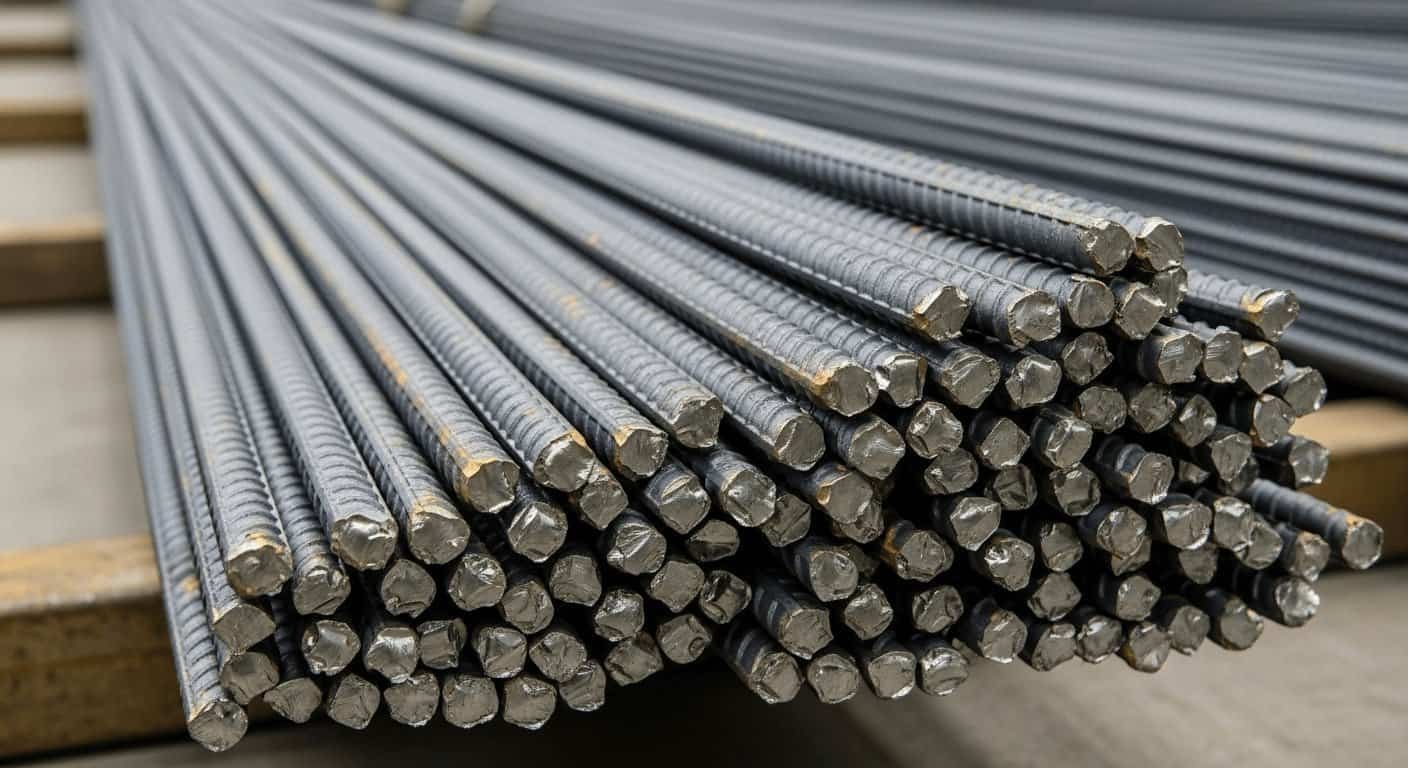
De fato, development length rebar is directly impacted by bar grade and surface quality. Better mechanical interlock is provided by deformed bars with ribs, although higher-strength steel might take longer to create unless code modifications allow it.
Smooth bars are less effective because they primarily rely on stickiness. Bond behavior is greatly improved by modern deformed bars. No entanto, because bond stress must still properly transfer pressures into concrete, a higher yield strength does not inevitably result in a shorter barra de reforço development length. Epoxy and other surface treatments may even lengthen the necessary length. This demonstrates the importance of precise material data and mill certificates in the procurement process.
What Happens If Reinforcing Bar Development Length Is Insufficient?
Although it might not be apparent during construction, inadequate reinforcing bar development length is a concealed flaw that can seriously impair structural performance.
Reinforcing steel cannot achieve yield strength if development length is insufficient. Bar slide, severe cracking, decreased load capacity, or abrupt brittle failure under service or ultimate loads might result from this.
Deflection, spalling, and gradual collapse threats are examples of real-world repercussions. Failures result in repair expenses, project delays, legal liabilities, and reputational harm from a business standpoint. Inconsistent reinforcing bar widths or dimensional tolerances might inadvertently lower embedment effectiveness for customers buying overseas; thus, quality control and inspection are just as crucial as proper design.
How Do International Standards Define Reinforcing Bar Development Length?
To maintain compliance across locations, global projects necessitate an awareness of how various rules govern the development length of a bar.
While reinforcing bar development length is defined by ACI, Eurocode, e GB standards, calculation techniques and safety considerations vary. Bond behavior, material strength, and construction heterogeneity are all balanced in different ways by each standard.
GB standards incorporate local material qualities; ACI 318 stresses empirical bond models, while Eurocode concentrates on design bond stress. Suppliers must match test findings and supporting paperwork to the relevant code when exporting steel. Using a rebar development length table from the incorrect standard may result in rejection during inspection, redesign, or noncompliance.
How Can Steel Exporters Ensure Correct Reinforcing Bar Development Length in Projects?
In order to maintain the validity of reinforcing development length assumptions throughout construction, steel exporters are essential.
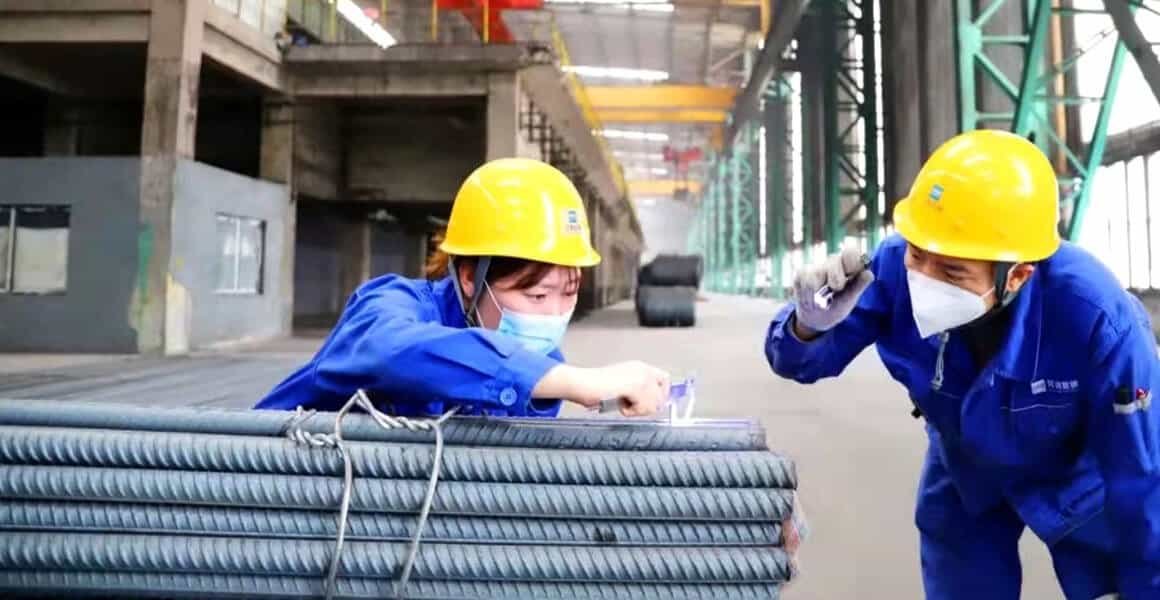
By providing consistent bar geometry, proven mechanical qualities, and precise paperwork that complies with project design standards and inspection criteria, exporters guarantee the proper development length.
Bond performance is directly impacted by rib shape, which is influenced by dimensional consistency. Stable reinforcing bar measurements, thorough mill test certificates, and technical assistance are all provided by reputable providers. This lessens ambiguity for customers from other countries when designers use rebar development length defining values. Strong exporter engagement reduces the likelihood of quality problems, mismatched standards, and delayed delivery.
What Is the Difference Between Development Length and Anchorage Length in Reinforced Concrete?
Although development length and anchorage length are frequently conflated, misinterpreting them can result in dangerous reinforcement plans and inaccurate detailing.
An anchor’s length includes hooks, curvas, or mechanical anchors that help transfer force in a constrained area, whereas development length is the embedment required to generate full bar strength.
When straight embedment is inadequate, anchorage techniques are frequently employed. Even hooked bars, meanwhile, need to adhere to the minimum development length of reinforcement specifications. Engineers shouldn’t presume that bond requirements are eliminated by anchorage. Without depending on risky assumptions, accurate interpretation guarantees that reinforcement detailing achieves expected performance.
How Does Concrete Strength Influence Reinforcing Bar Development Length?
One of the most important factors in determining the development length of rebar calculations is concrete compressive strength, which directly regulates bond stress.
While lower-strength concrete requires longer embedment to securely transmit loads, higher-strength concrete increases bond capacity and may shorten the reinforcing steel development length.
Concrete strength delivered must be taken into account by designers, not only predetermined figures. Theoretical reductions may be invalidated by site variability. Because of this, conservative assumptions are frequently used in real-world situations. Exporters can better align product selection with project performance requirements by knowing how steel and concrete strength interact.

Can Reinforcing Bar Development Length Be Reduced Without Compromising Safety?
While cutting development length Verificação is appealing for cost savings and traffic management, safety must never be sacrificed.
Sim, if design standards specifically permit it, development length can be maximized by employing better confinement, mechanical anchorage, or higher-quality deformed bars.
Engineering judgment is necessary for optimization. Although ultimate clearance is dependent on code constraints, designers can compare situations using a rebar development length calculator or rebar development length chart. Consistency in the material is essential; if the real steel qualities differ, the assumed reductions could become dangerous. This highlights how important it is to source steel from reputable sources.
Why Accurate Reinforcing Bar Development Length Matters in International Steel Procurement?
Inaccurate presumptions regarding the length of reinforcement bars in international procurement might result in logistical, financial, and technical hazards.
By ensuring compatibility between design assumptions, supplied materials, and inspection requirements, an accurate reinforcing bar development length minimizes delays, rework, and compliance issues.
Consistency is essential for consumers purchasing from developing markets. Bond performance may be impacted by differences in certification, rib geometry, or reinforcing bar sizes. By matching production to goal standards and offering clear documentation, reputable exportadores reduce these risks. In the international steel trade, this fosters long-term collaboration and trust.
Resumo
The development length of reinforcing bars determines compliance, durabilidade, and safety. Reliable materials, competent suppliers, and accurate calculations all work together to guarantee reinforced concrete constructions function as intended.