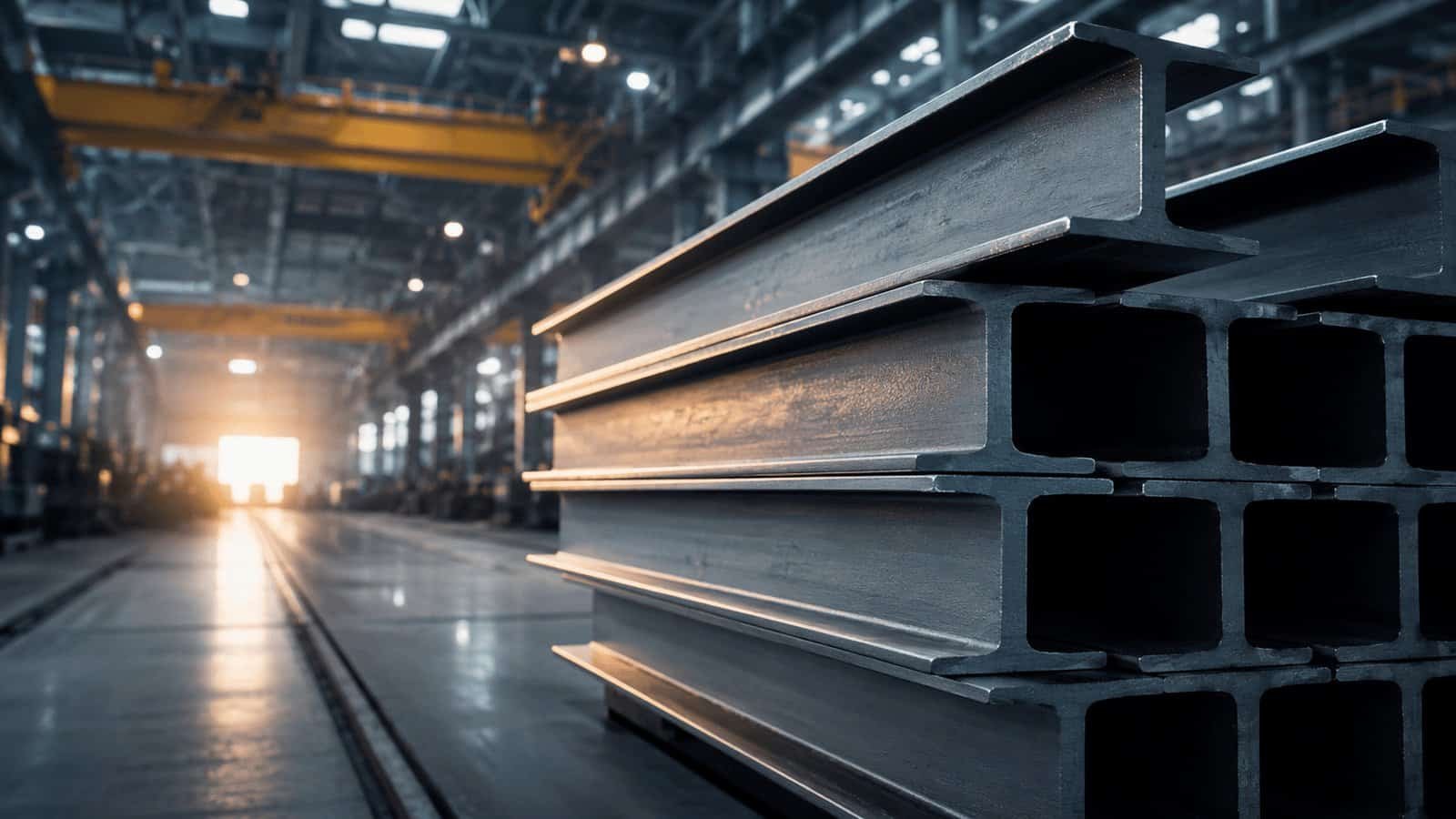
Wrong H-beam specifications can increase project costs, delay construction schedules, and create structural safety risks for buyers and contractors worldwide.
What are the standard sizes for H-beams, and how do you choose the right specification? Standard H-beam sizes follow ASTM, ELE, EM, e padrões GB. Common sizes range from 100mm to 900mm in height. Using a professional _H-beam sizes chart or H-beam dimensions chart_ helps buyers choose suitable specifications for construction, pontes, armazéns, and industrial steel structures.
Understanding beam dimensions and standards helps buyers make safer and more cost-effective purchasing decisions.
What Is an H-beam and Why Is It Widely Used in Construction?
Because they offer superior load-bearing capacity, longevity, and stability for contemporary construction projects globally, H-beams are among the most significant structural steel products.
A structural steel beam with a broad flange design that enhances strength and weight distribution is called an H-beam. It is extensively utilized in steel structures, factories, pontes, e edifícios.
Compared to conventional steel sections, the beam’s distinctive “H” shape enables it to distribute weight more evenly. H-beams are perfect for large structural projects because of their improved resistance to pressure and bending. They are frequently used by contractors in transportation infrastructure, pontes, armazéns, high-rise buildings, and industrial workshops.
During project planning, engineers frequently refer to an H-beam dimensions chart since precise dimensions have a direct impact on material costs and structural safety. Reducing steel waste and streamlining installation procedures are further benefits of selecting appropriate beam specifications. Chinese-made H-beams are well-liked in many worldwide markets due to their affordable prices, consistent quality, and adaptable production options for foreign consumers.
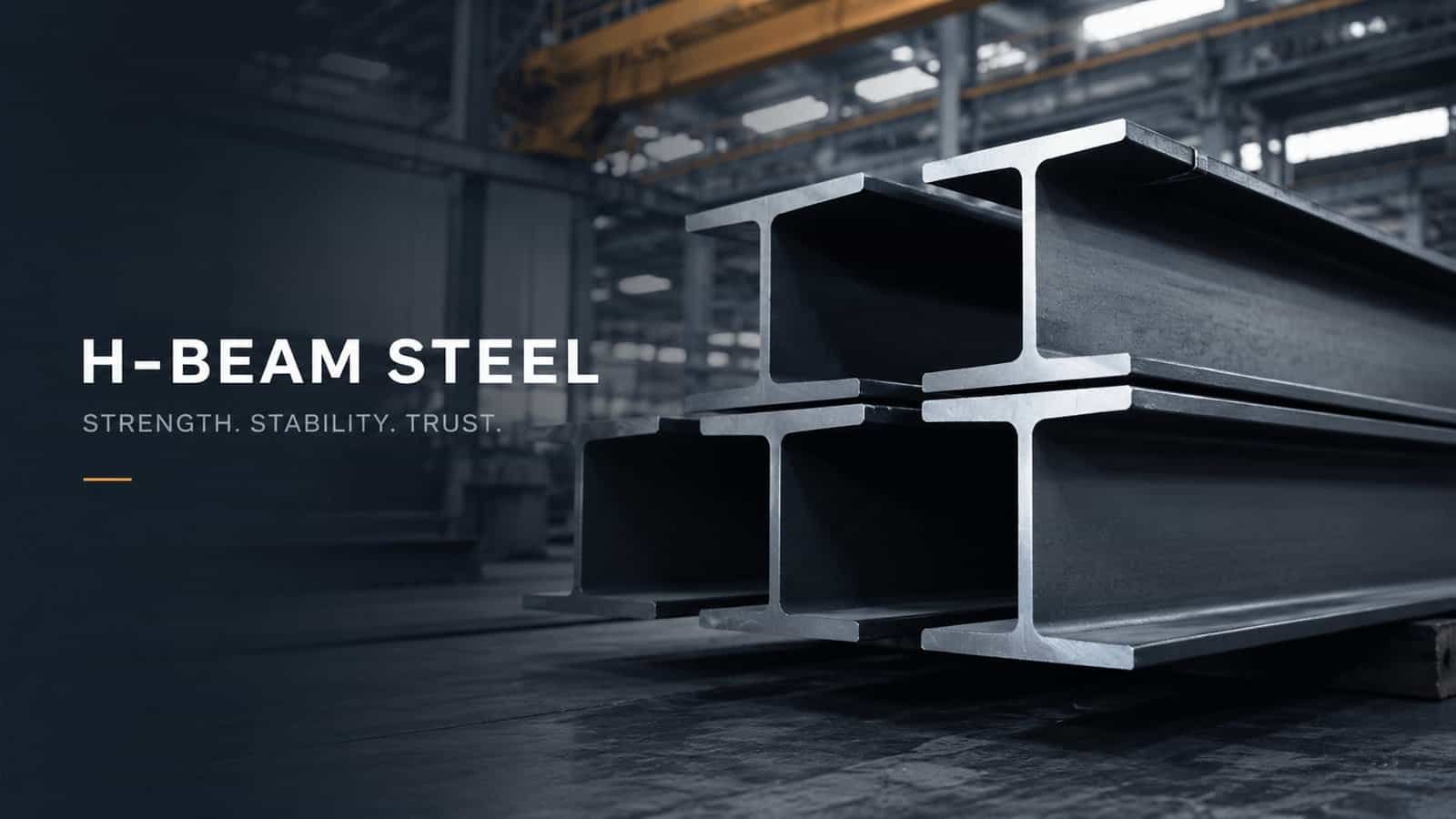
What Are the Standard Sizes for H-beams in Different Countries?
H-beam dimensions and material grades may differ based on local engineering requirements and construction laws because different countries use different steel standards.
ASTM in the US, JIS in Japan, EN in Europe, and GB in China are common H-beam standards. Dimensões, tolerances, and material characteristics are specified by these standards.
Before importing structural steel goods, global steel buyers need to be aware of international beam standards. While JIS standards are generally recognized in Asia, ASTM standards are frequently utilized in North and South America. Chinese providers primarily produce in accordance with GB criteria, while European projects frequently adhere to EN norms.
Buyers may rapidly compare dimensions with the use of a professional H-beam size chart. Standard H-beam sizes are typically 100 x 100 milímetros, 200 x 200 milímetros, 300 x 300 milímetros, e 400 x 200 milímetros. The majority of manufacturers also offer a comprehensive steel beam sizes chart that includes sectional area, web thickness, flange thickness, and weight data. Comprehending these standards enables importers to steer clear of engineering mistakes and guarantee conformance with regional building specifications.
How Are H-beam Dimensions Measured?
Because even minute dimensional variations can impact structural performance, welding accuracy, and installation quality during building projects, precise measurement is essential.
Beam height, flange width, web thickness, flange thickness, and beam length are used to calculate the dimensions of an H-beam. Força, peso, and load capacity are all determined by these metrics.
Several important measurements are typically included in a conventional H-beam dimension chart. While flange width measures the horizontal portion at the top and bottom, beam height refers to the segment’s overall vertical size. The center section thickness is indicated by the web thickness, while the load resistance of the beam is influenced by the flange thickness.
Before shipment, buyers frequently ask for thorough inspection reports to confirm that all measures adhere to contract specifications. Engineers can choose appropriate goods for various applications by using a trustworthy H-beam dimensions chart. Precise measurements also enhance the quality of welding and lessen installation challenges while assembling steel structures. Dimensional tolerance reports, material certificates, and third-party inspection services are offered by numerous expert exporters.
What Are the Most Commonly Used H-beam Sizes for Construction Projects?
Because standard H-beam standards make engineering calculations, procurement planning, and steel structure fabrication procedures easier, construction companies typically choose them.
100 x 100 milímetros, 200 x 200 milímetros, 300 x 300 milímetros, e 400 x 200 mm are typical H-beam diameters. Buildings, industries, pontes, and warehouse constructions all make extensive use of these beams.
While larger beams support massive industrial facilities and infrastructure projects, smaller H-beams are commonly employed in residential buildings and light commercial projects. Beam sizes are chosen by engineers according to structural design guidelines, span length, and load requirements.
During the design phase, many contractors use a full H-beam sizes chart to compare specifications and precisely determine material requirements. Because they provide a compromise between strength and economy, popular H-beam standard sizes in millimeters are appropriate for the majority of steel construction applications. Adicionalmente, Chinese steel mills can alter beam lengths to meet customer specifications, which helps customers cut down on material waste and overseas shipping expenses.
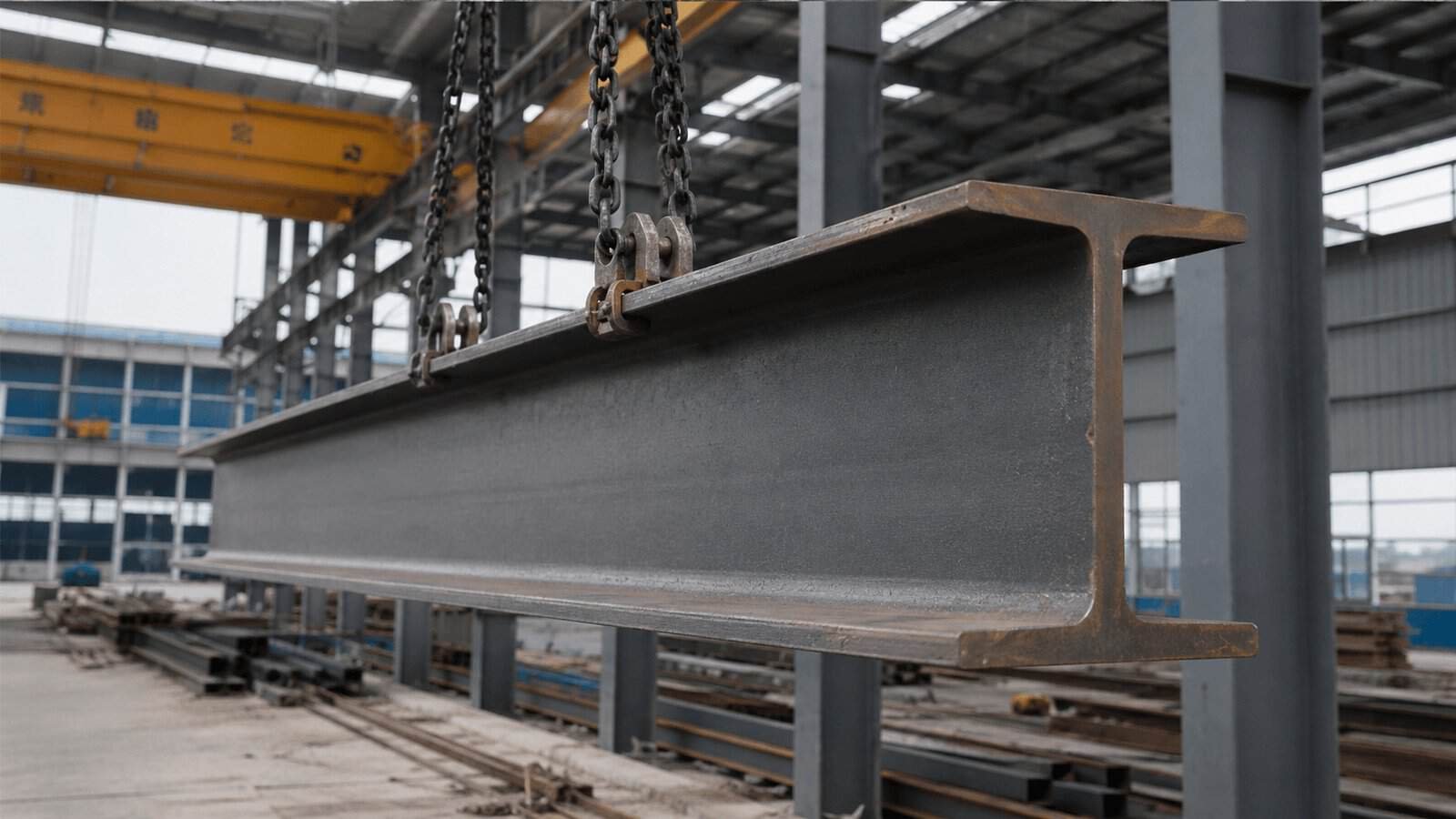
How Do ASTM and JIS H-beam Standards Differ?
The global market for structural steel is dominated by ASTM and JIS standards, although there are some significant differences between their material specifications and dimensional tolerances.
While JIS standards prioritize manufacturing quality and dimensional uniformity for industrial applications, ASTM standards place more emphasis on structural strength and engineering performance.
The United States, Mexico, Brazil, and other American markets all make extensive use of ASTM H-beams. ASTM A36 and ASTM A992 are common material grades that offer superior weldability and strong structural strength for building projects.
Because Japanese standards demand strict dimensional precision and surface quality control, JIS H-beams are widely used in Southeast Asia and Japan. To find variations in flange dimensions, beam weight, and tolerance limits, buyers evaluating products frequently examine a comprehensive H-beam size chart. Comprehending these distinctions aids importers in selecting goods that adhere to regional engineering regulations and consumer inclinations. Customized manufacture in accordance with ASTM, ELE, EM, or GB specifications can also be provided by dependable vendors.
How Do You Choose the Right H-beam Size for Your Project?
During project installation and operation, choosing the incorrect H-beam specification might result in higher material costs, decreased structural safety, and engineering issues.
Load capacity, span length, environmental factors, and technical requirements all influence the appropriate H-beam size. Beam charts facilitate engineers’ efficient selection of appropriate parameters.
Based on anticipated loads and building design, structural engineers determine the necessary beam sizes. Larger beams with thicker flanges and webs are typically needed for heavy industrial projects, while lighter portions may be used for smaller structures.
The choice of materials is also influenced by environmental factors. To increase resistência à corrosão and service life, galvanized or stainless steel H-beams may be necessary in coastal or humid locations. To assess various beam options and maximize project budgets, many purchasers utilize a professional steel beam sizes chart. Importers can increase overall building efficiency and avoid buying inappropriate items by speaking with knowledgeable fornecedores de aço. Adicionalmente, choosing the right beam lowers the cost of ongoing maintenance and repairs.
What Materials Are Commonly Used to Manufacture H-beams?
Depending on project settings and industrial applications, different steel materials offer varying benefits in terms of strength, resistência à corrosão, durabilidade, e desempenho.
Aço carbono, aço inoxidável, alloy steel, and galvanized steel are frequently used to make H-beams for infrastructural, industrial, maritime, and construction uses.
The most popular H-beams are made of carbon steel because of their affordable pricing and exceptional mechanical strength. They are appropriate for general steel structures, industries, pontes, e edifícios.
Because of their exceptional resistance to corrosion, stainless steel H-beams are frequently utilized in chemical facilities, food processing facilities, and maritime engineering. Outdoor weather resistance is enhanced by the protective zinc coating on galvanized H-beams. Before choosing materials for certain projects, buyers frequently use a comprehensive H-beam dimensions table to compare parameters. To satisfy the needs of global clients, professional suppliers typically offer coating inspection reports, mill test certifications, and specialized processing services.
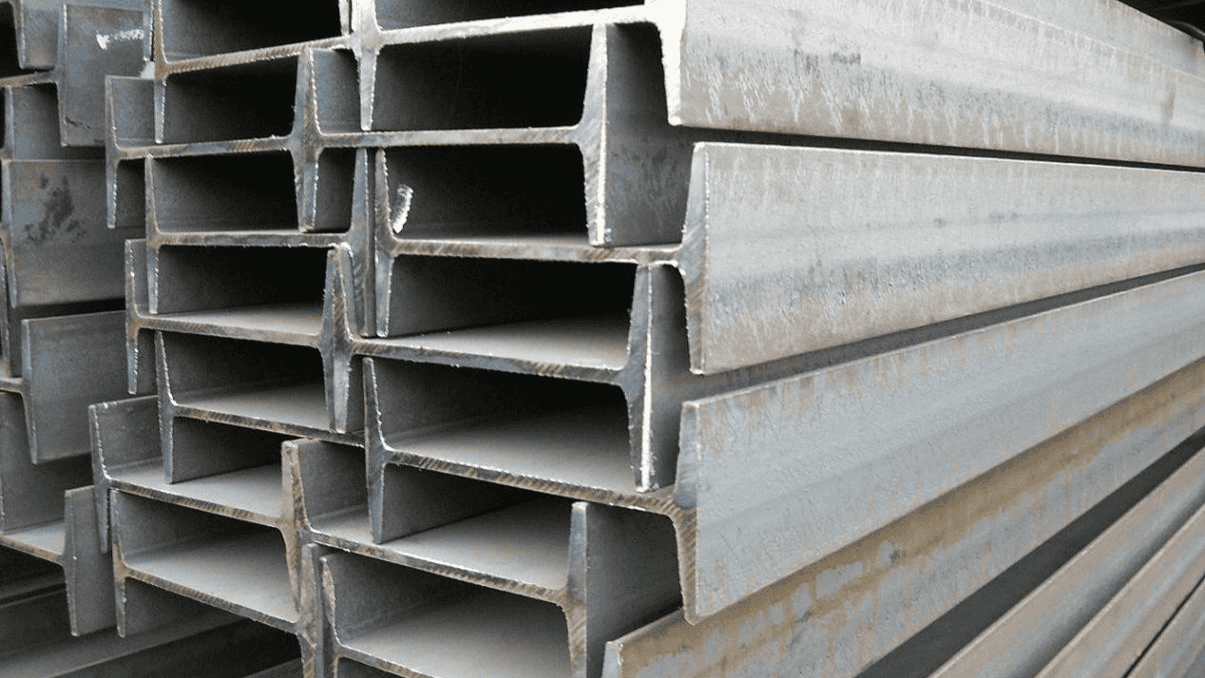
What Industries Commonly Use Standard H-Beam Sizes?
Because they offer robust structural support, a long service life, and dependable performance under large loads, H-beams are crucial components in many industries.
Construção, transporte, petróleo e gás, construção naval, fabricação, energy, and infrastructure development projects are among the industries that use H-beams globally.
Because steel constructions need high-strength support systems for long-term durability, the construction sector is the biggest user of H-beams. Commercial buildings, armazéns, pontes, airports, and train stations all make extensive use of H-beams.
Large structural steel beams are also essential to industries like shipbuilding, mining, e óleo & gás. When designing a project, engineers often utilize a professional H-beam dimension chart to make sure that the right materials are chosen and that engineering standards are followed. The demand for dependable standard H-beam sizes is anticipated to rise gradually throughout South America, Southeast Asia, and the Middle East as global infrastructure spending continues to rise.
How Can Buyers Inspect H-beam Quality Before Importing?
For international steel buyers, quality inspection is crucial since subpar H-beams can result in structural failures, project delays, and expensive conflicts.
To make sure products fulfill project requirements, buyers should check dimensions, surface quality, material certifications, welding performance, and weight tolerance prior to shipment.
Dimensional verification is the first step in a professional inspection. To verify adherence to agreed-upon parameters, buyers should check actual measurements with a verified H-beam size chart. Rust, fractures, dents, or deformation that could impair product performance can be found with the aid of surface examinations.
Because structural strength and weldability are determined by mechanical qualities and chemical composition, material certification is equally crucial. In order to confirm product quality prior to shipment, many foreign customers also employ third-party inspection firms like SGS or BV. To increase transparency and lower import risks for foreign clients, reputable suppliers offer comprehensive inspection records, production images, and loading reports.
Where Can You Find Reliable H-beam Suppliers from China?
Reliable steel suppliers may lower delivery risks, enhance product quality, and assist foreign purchasers in creating long-term, reliable supply chains for building projects.
For foreign buyers, reputable Chinese H-beam suppliers offer export expertise, quality certificates, reliable manufacturing capacity, technical assistance, and international logistics services.
One of the biggest manufacturers and exporters of structural steel goods worldwide is China. Due to their robust production capabilities and affordable prices, numerous Chinese producers provide H-beams to South America, Southeast Asia, o Médio Oriente, and Africa.
Buyers should carefully consider factory certificates, export records, inspection processes, and delivery performance when choosing providers. Expert exporters typically offer technical drawings, a comprehensive H-beam size table, and tailored quotes based on client specifications. Buyers can lower procurement costs, enhance inventory control, and prevent shipment delays during busy construction seasons by forming long-term partnerships with dependable suppliers. Adicionalmente, for overseas projects, professional manufacturers can offer OEM processing, customizable beam lengths, and third-party inspection support.
Resumo
Customers can increase structural safety, lower procurement risks, and confidently select dependable steel products by employing accurate beam charts and comprehending conventional H-beam sizes.