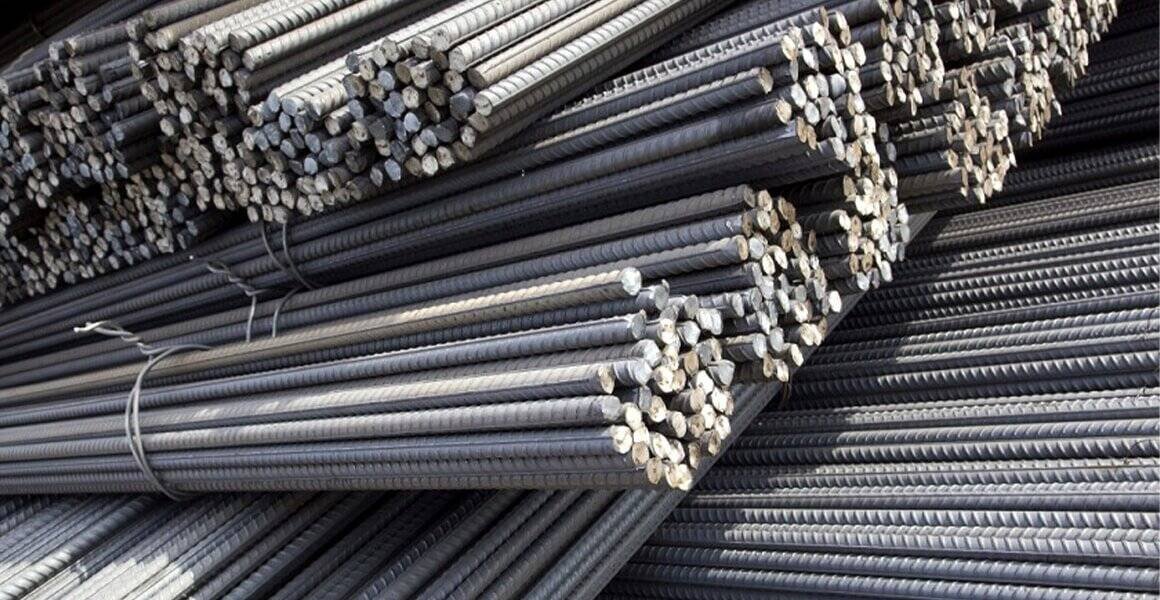
Concrete cracks under tension. Weak structures mean safety risks and costly repairs. Without proper reinforcement, projects fail. The solution lies in understanding reinforcing bars.
What are reinforcing bars? Reinforcing bars, commonly called rebar, are steel rods embedded in concrete to improve tensile strength, structural stability, e durabilidade. They prevent cracking, enhance load resistance, and ensure long-term performance in buildings, pontes, and foundations. Choosing the right rebar material, nota, and size is essential for structural safety and project success.
Understanding the basics is just the beginning of smarter construction decisions.
What Are Reinforcing Bars Made of?
Clients frequently ask me about materials, durabilidade, and corrosion resistance in various building situations after asking me what reinforcing bars are.
Because of its strength and affordability, carbon rebar steel is the most often used rebar material. No entanto, in situations where corrosion resistance is crucial, galvanized alternatives, epoxy-coated rebar, and stainless steel rebar are also utilized. The mechanical characteristics and long-term performance advantages of each material vary.
Conventional reinforcing steel bars are produced by hot-rolling billet steel into predetermined sizes. Because carbon steel strikes a balance between strength and cost, it continues to dominate the market. Stainless steel rebar extends service life by offering higher corrosion resistance in humid or coastal locations. Epoxy-coated rebar keeps moisture out, while galvanized rebar adds a protective zinc layer.Understanding the properties of reinforcing steel bars—such as yield strength, ductilidade, and weldability—helps engineers select the correct material for each project.
How Do Reinforcing Bars Strengthen Concrete Structures?
Under compression, concrete works incredibly well, but under strain, it breaks down. Engineers address the structural risks caused by this imbalance by incorporating rebar into the concrete matrix.
Rebar steel absorbs tensile stress, but concrete manages compressive stresses. Together, they create reinforced concrete, a composite material that can withstand large loads, prevent cracking, and preserve structural integrity in the face of dynamic forces like earthquakes or wind.
Tensile reinforcement is the solution to the question of what rebar is used for. A solid link between steel and concrete is created as the concrete cures around the reinforcement steel bars. Rib patterns that are deformed increase grip and reduce slippage. This combination guarantees that foundations remain stable, buildings resist seismic movement, and bridges can sustain vehicle loads. Proper steel reinforcement details—such as spacing, anchorage length, and overlap—directly influence performance and long-term durability.
What Are the Different Types of Reinforcing Bars Available?
Because construction projects differ greatly, it is essential to choose from a variety of reinforcement bar kinds and sizes to guarantee strength, cost effectiveness, and adherence to design criteria.
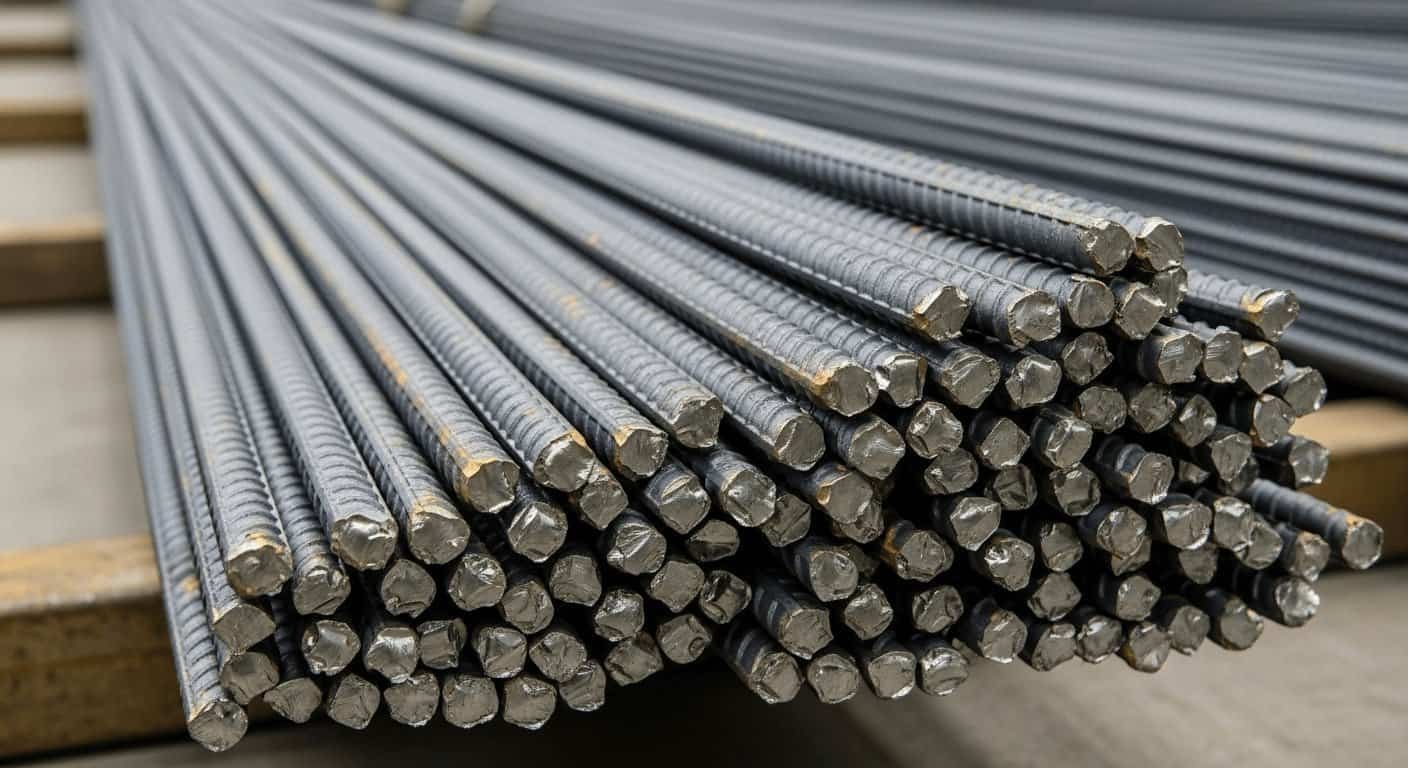
Vergalhão deformado, plain rebar, epoxy-coated rebar, stainless steel rebar, and galvanized rebar are common varieties. Depending on the environmental factors, corrosion exposure, and structural load requirements, each kind has unique benefits.
The most popular bars are deformed ones as their surface ribs enhance bonding. Because they are smoother, plain bars are frequently utilized in specialized applications. In harsh conditions, stainless steel rebar offers unparalleled endurance. Epoxy-coated and galvanized bars prevent corrosion in industrial or maritime environments. Knowing what rebar steel is and how it differs in grade and coating guarantees that the right material is used for government projects, commercial structures, and infrastructure.
Why Are Deformed Reinforcing Bars Commonly Used?
Since the bond strength between steel and concrete is essential for effective load transfer, deformed bars predominate in the specification list of the majority of structural drawings.
Surface ribs on deformed reinforcing steel bars improve their mechanical interaction with concrete. In comparison to plain bars, this greatly enhances tensile load resistance, prevents sliding, and improves structural stability.
Grip performance becomes crucial when engineers compute load distribution. In cured concrete, friction and mechanical anchoring are produced by the ribbed surface of deformed rebar. This binding strength increases durability and reduces cracking. Because of their dependability and demonstrated structural performance, deformed bars continue to be the favored option for building highway bridges or tall buildings.
What Sizes and Grades Do Reinforcing Bars Come in?
Because exact engineering calculations and proper material specifications play a major role in structural performance, choosing the right diameter and grade is crucial.
The diameter, comprimento, and quality of reinforcement bars varies. Typical grades that indicate yield strength levels are 40, 60, e 75. To determine the overall amount of steel needed and the structural load capacity, engineers utilize a weight table for reinforcement steel bars.
The diameter of rebar varies, ranging from small bars for residential slabs to big bars for massive foundations and bridges. The weight chart for reinforcement steel bars aids in transportation planning and total tonnage estimation. Because higher-grade rebar steel has a higher yield strength, less steel is required without sacrificing safety. Nota, size, and worldwide steel market movements all affect how much steel reinforcement bars cost.

Are Stainless Steel Reinforcing Bars Better for Corrosion Resistance?
One of the most costly structural issues in the world is corrosion, especially in industrial areas, coastal areas, and climates with high humidity.
Rebar made of stainless steel is more resistant to corrosion than carbon steel. Its long-term durability lowers the danger of maintenance, repairs, and structural failure even though the initial expenses are higher.
Standard rebar steel can decay quickly in harsh conditions due to chloride exposure. Chromium, which is present in stainless steel, forms an oxide coating that keeps rust at bay. The increased investment may lead to decreased lifetime costs for coastal infrastructure like maritime bridges. Astute purchasers take into account the entire lifecycle value of steel reinforcing bars in addition to the initial cost.
How Are Reinforcing Bars Used in Foundations and Slabs?
Buildings’ foundations and slabs serve as its structural core, and improper placement of reinforcement can jeopardize the entire building.
In slabs and foundations, rebar is arranged in grids to disperse stresses uniformly and stop cracking. Sturdiness, stability, and long-term structural safety are guaranteed by appropriate anchorage and spacing.
Engineers create intricate plans that include details like overlap length, diâmetro da barra, and spacing. The efficiency of load transfer to the ground is determined by these steel reinforcing features. When people wonder what a rebar is, they frequently don’t grasp how important it is for slab integrity, column reinforcement, and foundation stability. Reinforced foundations guarantee dependable performance under severe loads in both residential buildings and airports.
What Certifications Should Reinforcing Bars Have for International Projects?
Since compliance dictates whether materials are accepted on-site, certification is just as crucial for foreign buyers as price.
ASTM, ISO, or comparable national requirements should be met by high-quality reinforcement steel bars. Prior to export, mill test certificates confirm mechanical performance, força de rendimento, and chemical composition.
Purchasing from poor nations requires thorough documentation verification. SGS testing and third-party inspections boost trust. Customers frequently ignore compliance norms that guarantee structural safety when they seek up what rebar steel is. By offering comprehensive paperwork, relatórios de inspeção, and traceability records, exporters may decrease shipment disputes and foster long-term confidence.
How to Inspect Reinforcing Bar Quality Before Shipment?
Costly project delays can result from quality problems, particularly if materials are not inspected at the construction site or destination port.
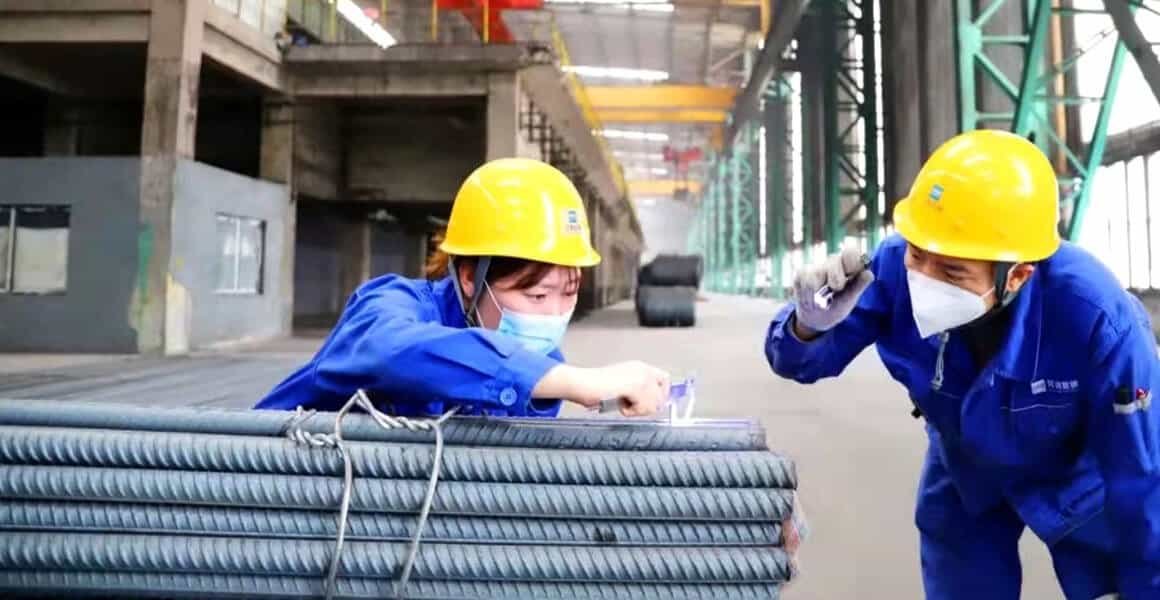
Examine diameter tolerance, surface condition, resistência à tracção, and chemical composition prior to shipping. Specification compliance is ensured by examining lab test results and a weight table for reinforcement steel bars.
Visual inspection looks for surface flaws, cracks, and rust. Yield strength and elongation performance are verified by mechanical testing. The alloy balance and carbon content are confirmed by chemical analysis. Pre-shipment inspection reports should be requested by buyers who are worried about the characteristics of the reinforcing steel bars. Effective quality control guarantees dependable structural performance, lowers risk, and prevents rejected cargo.
How to Choose a Reliable Reinforcing Bar Supplier from China?
Delivery timetables, product consistency, and overall profitability are all directly impacted by supplier selection, particularly for trading organizations that resell in cutthroat markets.
Stable manufacturing capacity, transparent certification, competitive pricing for steel reinforcement bars, and excellent logistics coordination are all features of a trustworthy supplier. Long-term collaboration requires open communication and constant quality control.
Take into account quality management systems, shipping dependability, and export experience while assessing vendors. Financial losses and missed peak seasons might result from delayed shipments. Customers looking for the purpose of rebar frequently want to be sure that the materials will be delivered on schedule and in compliance with exacting standards. Stable cooperation is ensured by reviewing production lines, inspection protocols, and factory audits. Buyers may effectively express technical requirements and prevent misconceptions by having a good understanding of rebar, its grades, and its application.
Resumo
Understanding what are reinforcing bars helps you choose the right materials, control quality, reduce risks, and ensure long-term structural safety and profitability in every construction project.