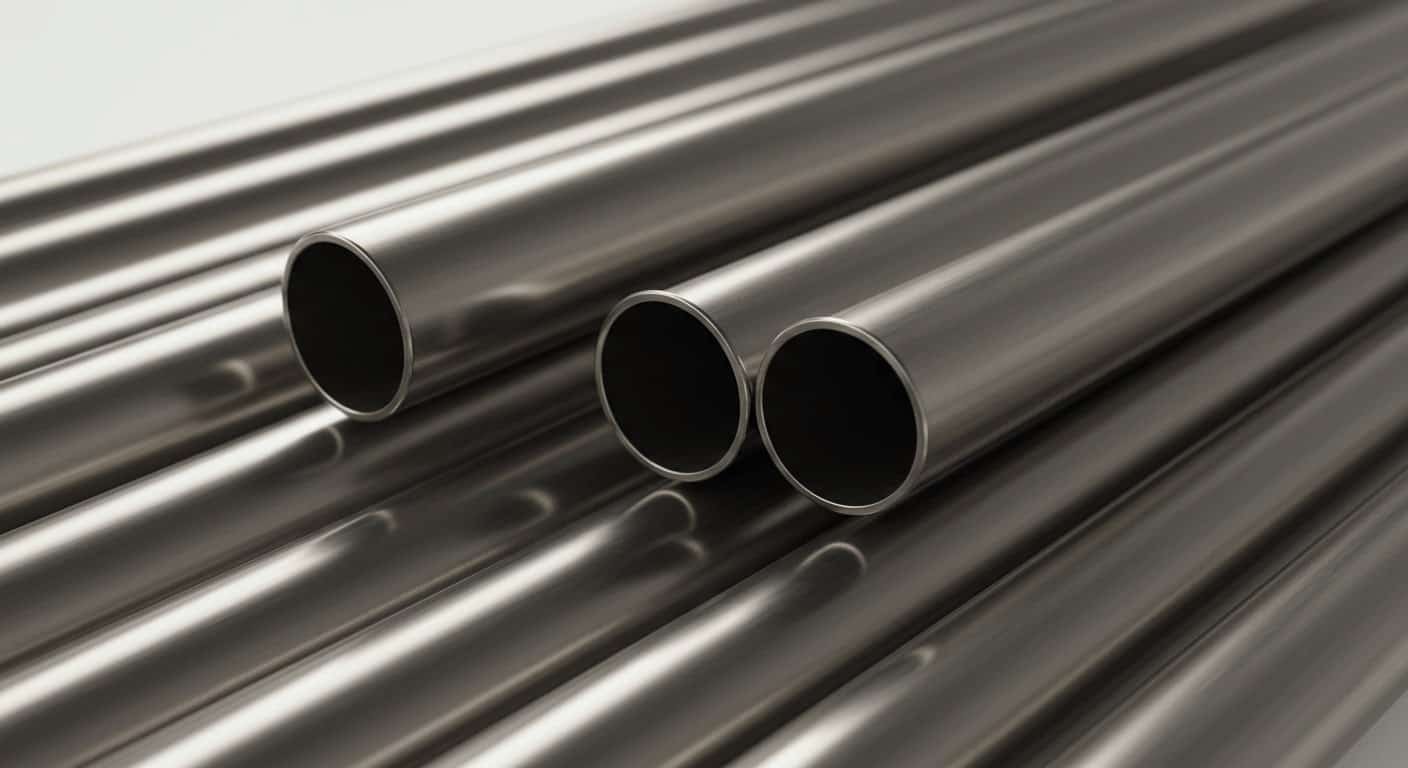
A wrong pipe size leads to leaks, delays, and wasted money. Many buyers choose blindly. I’ll show you how to select correctly and avoid costly mistakes.
Steel pipe dimensions include outer diameter, wall thickness, e comprimento, defined by standards like ASTM and API. To choose correctly, I match application requirements with a proper pipe schedule chart, nominal pipe size chart, and material grade to ensure safety, durabilidade, and cost efficiency.
Now let’s explore how to understand and apply steel pipe sizing correctly in real projects.
What Are Standard Steel Pipe Dimensions?
I discovered that misinterpreting standard sizes might easily lead to ordering the incorrect products and postponing entire projects when I first started procuring pipes.
Predefined combinations of outer diameter, wall thickness, and length are referred to as standard steel pipe dimensions. These are arranged using systems that facilitate international trade and guarantee compatibility across suppliers and industries, such as the nominal pipe size chart and steel pipe size chart.
Steel pipe sizes are not arbitrary in real life. They adhere to globally accepted systems. Por exemplo, o steel pipe dimensions chart displays precise measurements in inches or steel pipe dimensions in millimeters, while the pipe size chart assists purchasers in rapidly determining the appropriate diameter. When buying from foreign vendors like China, this uniformity is essential, particularly if your project is located in Brazil or another region with stringent engineering regulations. Even a slight mismatch can result in installation difficulties or safety concerns if an appropriate pipe dimensions chart is not used.
How Are Steel Pipe Dimensions Measured?
Many purchasers believe that measuring pipes is simple, but misconceptions about wall thickness, diâmetro interno, and outer diameter can be expensive.
Wall thickness (WT), comprimento, e diâmetro externo (DE) are used to measure steel pipes. The industry employs nominal sizes, which are supported by a precise steel pipe dimensions chart for accuracy, in place of inner diameter, as indicated in the nominal pipe size chart.
I always use a steel pipe dimensions in millimeters table or pipe dimensions chart to make the right purchases. While wall thickness varies according to the steel pipe specifications schedule, outside diameter stays constant for a certain nominal size. This explains why the pressure capabilities of two pipes with the same nominal size might differ greatly.When evaluating technical specifications or comparing suppliers, it is crucial to comprehend this distinction, particularly for high-pressure or structural applications.
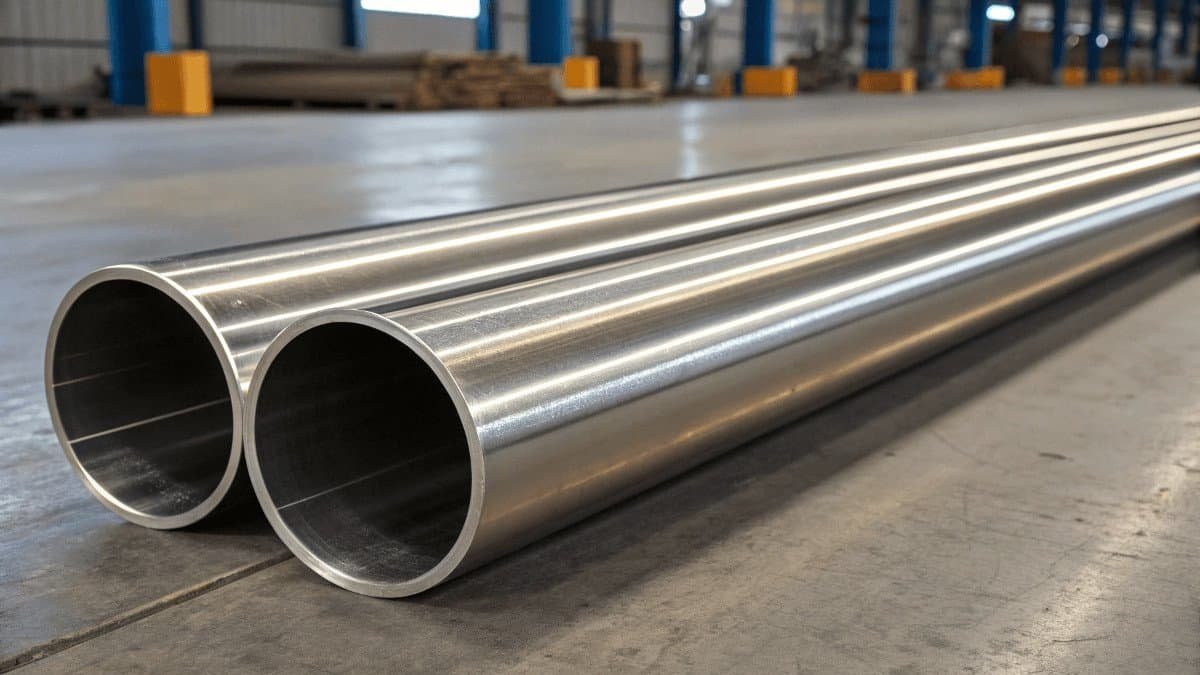
How to Read a Steel Pipe Size Chart Correctly?
Many consumers feel overpowered by statistics, acronyms, and technical jargon when they open a chart, which can quickly result in poor purchasing judgments.
I pay close attention to nominal size, diâmetro externo, and wall thickness when reading a steel pipe sizing chart. Para garantir a precisão, I compare specifications with project requirements using a pipe size chart or pipe measurements chart.
Nominal pipe size, diâmetro externo, and various schedules are all shown in columns on a typical steel pipe dimensions chart. To prevent confusion between nominal and actual sizes, I always double-check data using a nominal pipe size chart. Since many nations use metric units, I also confirm steel pipe specifications in millimeters for international trade. Learning to interpret these charts will help you communicate with suppliers more effectively, cut down on errors, and guarantee that orders are placed correctly each and every time.
What Is a Pipe Schedule and Why Does It Matter?
One of the most frequent and hazardous errors is selecting the incorrect wall thickness, particularly in high-pressure or load-bearing applications.
Wall thickness, denoted by numbers such as SCH 40 or SCH 80, is referred to as “pipe schedule.” In order to guarantee that the chosen steel pipe dimensions satisfy safety and performance requirements, um pipe schedule chart assists in matching thickness with pressure requirements.
Every time I assess a project, I compare the pipe schedule chart to the requirements of the application. Thicker walls and increased pressure resistance are the results of higher schedules. Por exemplo, choosing SCH 80 rather than SCH 40 greatly improves both cost and durability. A comprehensive steel pipe dimensions schedule table enables purchasers to strike a balance between cost and safety. Ignoring this procedure might result in pipe failure, particularly in settings where dependability is crucial, such as oil, gás, or construction.
What Is the Difference Between Seamless and Welded Steel Pipe Dimensions?
When deciding between seamless and welded pipes, dimensional correctness and application compatibility are just as important as the production process.
While the dimensions of seamless and welded pipes are identical to those of steel pipes, seamless pipes are stronger and more precise. I may choose the appropriate type based on pressure and performance requirements by comparing data in a steel pipe dimensions table.
Seamless pipes are perfect for high-pressure applications since they are made without welding seams. Conversely, welded pipes are more affordable and frequently utilized in construction. I see that both steel pipe measurement schedules and pipe dimensions charts adhere to standard size standards, albeit tolerances could differ. Buyers can balance performance and cost by being aware of these distinctions, particularly when procuring in bulk for export markets.
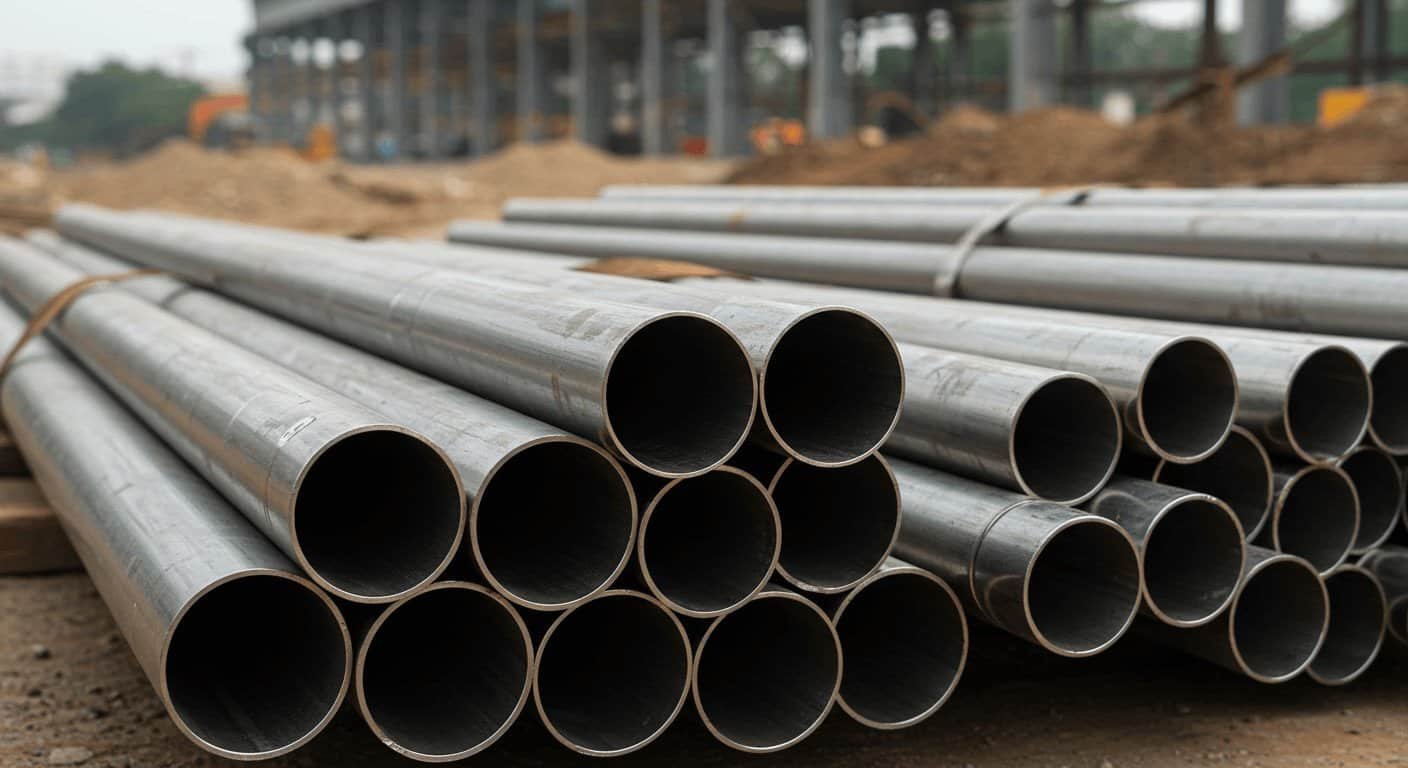
How to Choose Steel Pipe Dimensions for Different Applications?
A one-size-fits-all strategy frequently leads to inefficiency or even project failure because different industries have varying pipe specifications.
I take application type, pressure, temperature, and environment into account while choosing the appropriate steel pipe diameters. The pipe is guaranteed to meet operating requirements by using tools such as a steel pipe size chart and pipe dimensions charts.
Larger diameters and thicker walls are preferred in building because structural strength is crucial. Em contraste, to guarantee appropriate flow rates, fluid conveyance necessitates meticulous computation utilizing a nominal pipe size chart. When exporting to areas like South America, where adherence to regional norms is crucial, I also examine the steel pipe dimensions chart. Making the right decision lowers maintenance, increases performance, and avoids expensive downtime.
What Are Standards That Define Steel Pipe Dimensions (ASTM, API, EM)?
It is nearly impossible to guarantee product quality and compatibility in international steel trade without an awareness of international standards.
Steel pipe dimensions, tolerances, and material qualities are specified by standards such as ASTM, API, and EN. To ensure uniformity and quality, these standards are used in conjunction with steel pipe dimension charts and pipe size charts.
In my experience, buyers like Tony consistently ask for ASTM or API conformity when I export steel. These guidelines guarantee that steel pipe sizes adhere to stringent chemical and mechanical specifications. A thorough pipe dimensions chart and supporting documents are always provided by a trustworthy provider. For government or infrastructure projects, where accreditation and traceability are required, this is particularly crucial.
How Do Steel Pipe Dimensions Affect Cost and Pricing?
Many purchasers are unaware of how much dimensions directly affect the overall cost of a project, and price disparities in steel pipes are frequently misinterpreted.
Steel pipe dimensions have a direct effect on cost due to production complexity, peso, and material consumption. While optimum sizing lowers needless costs, larger diameters and higher schedules from a pipe schedule chart dramatically increase price.
I always use a steel pipe size chart and steel pipe measurements schedule to determine weight and material consumption when determining pricing. More steel is needed for thicker walls, which raises the cost of raw materials and transportation. Over-specification can be prevented by using an accurate pipe size chart. Tony and other purchasers must strike a balance between cost and performance, particularly when reselling in cutthroat areas like Brazil. Profit margins can be greatly increased by carefully choosing dimensions.
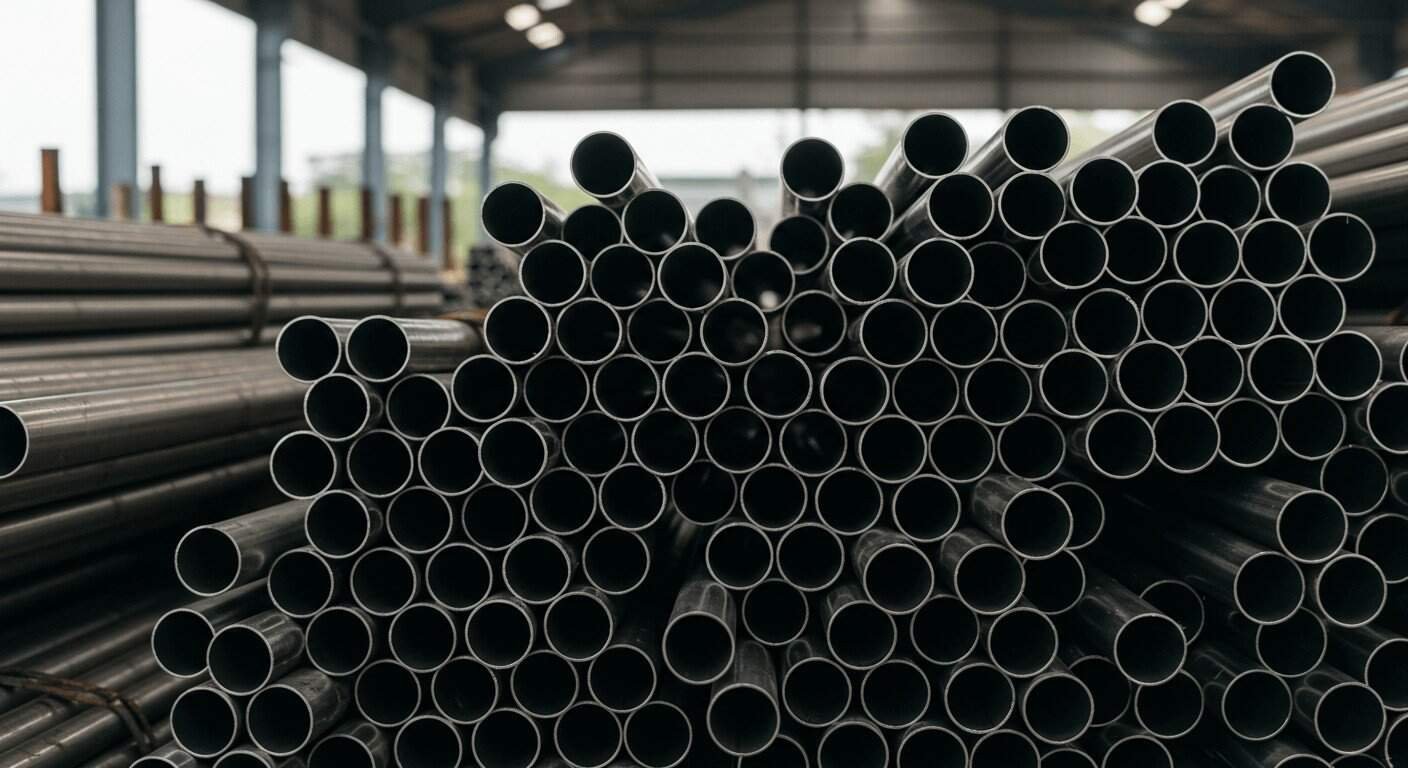
Common Mistakes When Selecting Steel Pipe Dimensions
When under time constraints, even seasoned buyers can make mistakes that result in inaccurate orders and unanticipated project delays.
Ignoring the pipe schedule chart, mistaking nominal size for actual size, and failing to check with a steel pipe dimensions chart are common errors. Financial losses and performance problems may arise from these mistakes.
I’ve witnessed consumers ignore technical details in favor of pricing alone. Inadequate strength or mismatched fittings can result from neglecting a pipe size chart or the steel pipe measurements schedule. When working with foreign suppliers, another error is failing to verify the steel pipe measurements in millimeters. Careful verification and contact with your supplier are necessary to prevent these mistakes.
Can You Customize Steel Pipe Dimensions from Suppliers?
Most projects may be completed using standard sizes, but occasionally special applications call for tailored solutions to satisfy certain engineering requirements.
De fato, a lot of manufacturers provide steel pipe measurements that are tailored to the needs of the project. Suppliers can create customized solutions by consulting a steel pipe size chart and verifying specifics like diameter and thickness.
With eighteen years of expertise as an exporter, we frequently assist customers in customizing pipes that are larger than typical steel pipe sizes. Customization guarantees improved project performance, whether length, grossura, or coatings are changed. To establish precise specs, I always advise beginning with a pipe measurements chart. This guarantees efficient logistics, lowers production errors, and shortens lead times—particularly crucial for overseas shipments to the Middle East or South America.
Resumo
Selecting the appropriate steel pipe dimensions guarantees cost control, efficiency, and safety. To make well-informed decisions, always use charts, padrões, and professional assistance.