Choosing the wrong reinforcing bar size creates confusion, increases structural risk, and causes compliance issues, but clear standards and guidance can prevent costly engineering and construction mistakes.
What are the standard reinforcing bar diameters used in construction projects? Standard reinforcing bar diameters define the thickness of steel bars used to strengthen concrete. Globally, common rebar standard sizes range from 6 mm to 40 mm, depending on structural demand and regional standards such as ASTM, GB, and EN, ensuring safety, strength, and code compliance in construction projects.
To fully understand reinforcing bars, it helps to explore available sizes, standards, applications, and design considerations in detail.
What Are the Common Reinforcing Bar Diameters Available on the Market?
It is easier for engineers, contractors, and purchasers to find appropriate materials for various structural needs and construction scales when they are aware of the most popular reinforcing bar diameters on the market.
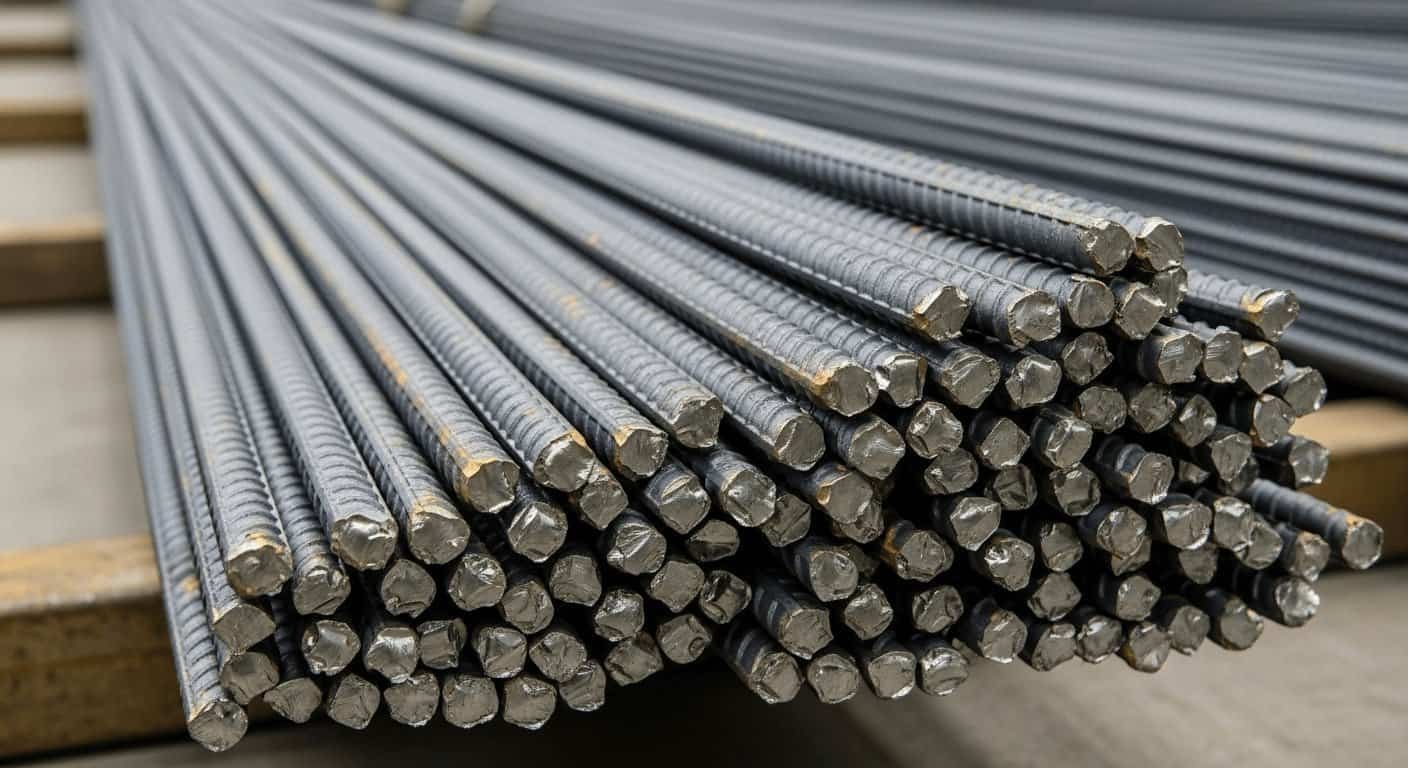
Rebar diameters used in most projects range from 8 mm to 32 mm. These steel rebar sizes are appropriate for slabs, beams, columns, and foundations in infrastructural, commercial, and residential construction because they strike a compromise between strength, flexibility, and cost.
In reality, the following bar sizes are frequently stocked: 6 mm, 8 mm, 10 mm, 12 mm, 16 mm, 20 mm, 25 mm, and 32 mm. Larger bars offer more load-bearing capacity, while smaller diameters are usually employed for mild reinforcement. To swiftly compare diameters, weights, and uses, many purchasers rely on rebar size tables or charts. These references simplify communication between designers, suppliers, and site teams.

How Do Reinforcing Bar Diameters Differ by International Standards?
Multinational standards for reinforcing bar diameters differ, which can be confusing for multinational projects if specifications are not properly understood and comprehended.
Different standards define reinforcing bar dimensions differently. While GB, EN, and BS standards describe bars by millimeter diameter, even when physical qualities seem equal, ASTM employs numbered bar sizes.
For instance, GB standards list bars as 12 mm or 14 mm, whereas ASTM #4 bars correspond to roughly 12.7 mm rebar diameter. The metric system used in European EN standards is comparable. Because of these variations, it is crucial to consult a rebar diameter or rebar sizes chart while importing or exporting goods. Inadequate comprehension of standard systems may result in structural incompatibility or failed inspections.
Which Reinforcing Bar Diameters Are Used for Different Structural Applications?
Reinforcing bar diameters are carefully chosen based on application rather than preference because different structural components are subjected to varied loads.
In order to withstand bending and compression stresses, beams and columns need bigger diameter reinforcement bars, typically 16–32 mm, whereas slabs often employ lower steel reinforcement sizes, such as 8–12 mm.
Thick bars are usually needed for heavier structural components and foundations in order to withstand greater strains. To guarantee proper reinforcement placement, engineers refer to rebar size charts during the design phase. Choosing the appropriate rebar thickness lowers the risk of cracking and enhances load distribution. Additionally, application-based sizing optimizes material efficiency by preventing needless cost increases from excessive bars.
How Do Reinforcing Bar Diameters Affect Strength, Cost, and Safety?
Reinforcing bar diameter is a crucial design parameter since it directly affects structural strength, material consumption, and overall construction safety.
Tensile strength is increased by larger reinforcing bar diameter, but material cost and weight are also increased. Although smaller diameters save money, if they are not properly built or spaced, safety may be jeopardized.
Bar diameter, quantity, and spacing must all be balanced for structural safety. While small bars run the risk of structural failure, oversized bars could be challenging to bend and position. Steel rebar sizes are carefully used by designers to maximize both cost and safety. Making the right choice guarantees long-term durability and adherence to building requirements.

What Is the Difference Between Nominal and Actual Reinforcing Bar Diameters?
Although nominal and actual specifications can vary somewhat in real-world manufacture, many professionals assume reinforcing bars match their labeled diameter completely.
While real diameter permits production tolerances specified by relevant standards and quality norms, nominal diameter refers to the standardized size designation.
A 16 mm bar, for instance, could be somewhat larger or smaller than its stated dimensions. To guarantee consistency in performance, these tolerances are managed. When confirming the measurements of reinforcing bars, it is crucial to comprehend this distinction, particularly for projects that need strict dimensional accuracy or certification compliance.
How Are Reinforcing Bar Diameters Measured and Verified on Site?
Before installation starts, on-site confirmation of reinforcing bar diameters guarantees that delivered materials satisfy design and specification requirements.
Using calipers or micrometers, technicians usually measure the diameter of rebar and compare the results with standard tolerance limits and specification papers.
To guarantee consistency, measurements are made several times. Results are frequently compared to rebar diameter charts and mill test certifications. In addition to preventing rework and disputes, proper verification supports the quality inspections that engineers and regulatory bodies demand.
Do Reinforcing Bar Diameters Affect Spacing and Quantity in Structural Design?
Bar spacing and the total amount of reinforcement in a structural member are largely determined by the diameter of the reinforcing bar.
While lower diameters permit closer spacing, larger rebar sizes typically call for greater spacing, which affects constructability, load distribution, and crack management.
Depending on performance requirements, designers may select a big number of bars or a small number of bars. A bar size chart facilitates a speedy evaluation of these choices. Diameter selection is a technical and practical decision because the final choice has an impact on labor effort, concrete flow, and structural behavior.
How Do Reinforcing Bar Diameters Relate to Weight per Meter?
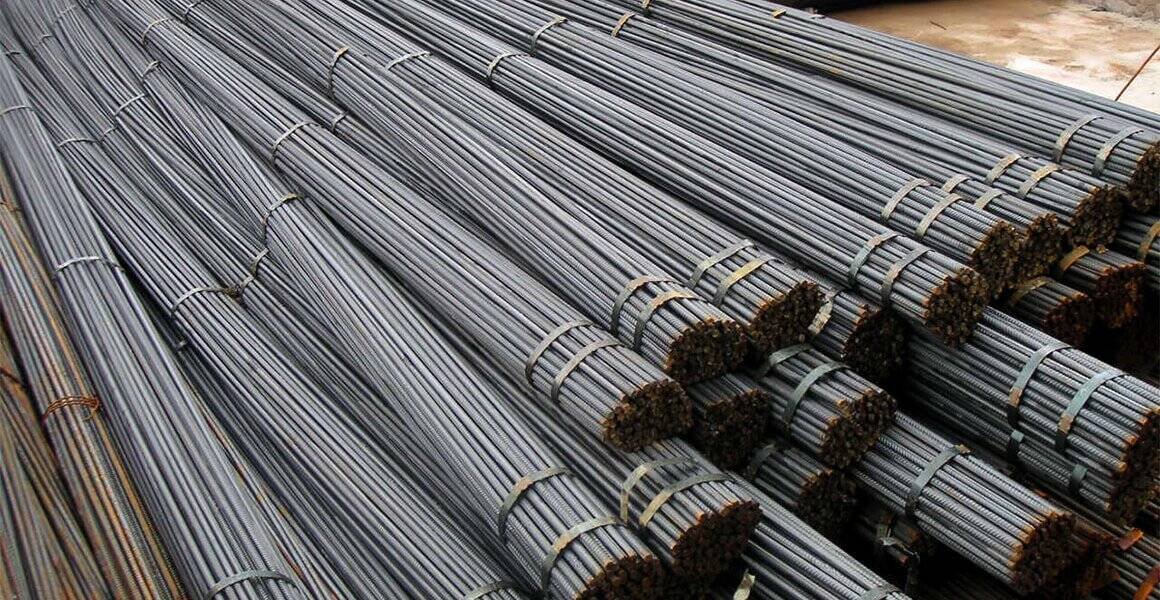
Estimating material quantities and transportation costs requires an understanding of the relationship between reinforcing bar diameter and weight per meter.
Weight per meter increases proportionately with reinforcing bar diameters, which has a direct impact on logistics planning and total steel tonnage.
Steel reinforcement size tables that display diameter-to-weight relationships are frequently consulted by engineers and purchasers. Accurate cost estimation, delivery scheduling, and inventory management are all supported by these computations. Budget overruns or logistical delays may result from incorrect bar weight calculations.
What Reinforcing Bar Diameters Are Commonly Used in High-Rise Buildings?
Because of the increased loads and complicated stress conditions found in high-rise buildings, the diameters of the reinforcing bars must be carefully chosen.
In order to guarantee sufficient strength and stiffness, high-rise projects frequently use rebar with standard sizes ranging from 20 mm to 40 mm for columns and core structures.
Larger reinforcement bar diameters are used in these structures to control lateral and vertical loads. Using rebar sizes chart references, engineers frequently blend several bar sizes inside a single structure to ensure uniformity and compliance across various building zones.
Can Reinforcing Bar Diameters Be Customized for Special Engineering Requirements?
Because of certain structural, environmental, or design limitations, some projects call for non-standard reinforcing bar widths.
Special infrastructure or industrial projects may employ customized reinforcing bar diameter solutions as long as they satisfy normal compliance standards and engineering approval.
Custom sizes are nevertheless subject to specified testing, certification, and tolerance guidelines. Engineers carefully consider if using non-standard reinforcing bar dimensions increases performance or creates needless risk. Standard sizes are still often used for dependability, accessibility, and affordability.
Summary
Standard-based decisions are crucial for successful building projects worldwide because choosing the appropriate reinforcing bar diameter guarantees structural safety, cost effectiveness, and compliance.