
Your project’s foundation is failing, but you don’t know it yet. The problem lies hidden in the concrete. The rebar installation was faulty, and now structural integrity is compromised. How to choose the right rebar installation guide for your project?
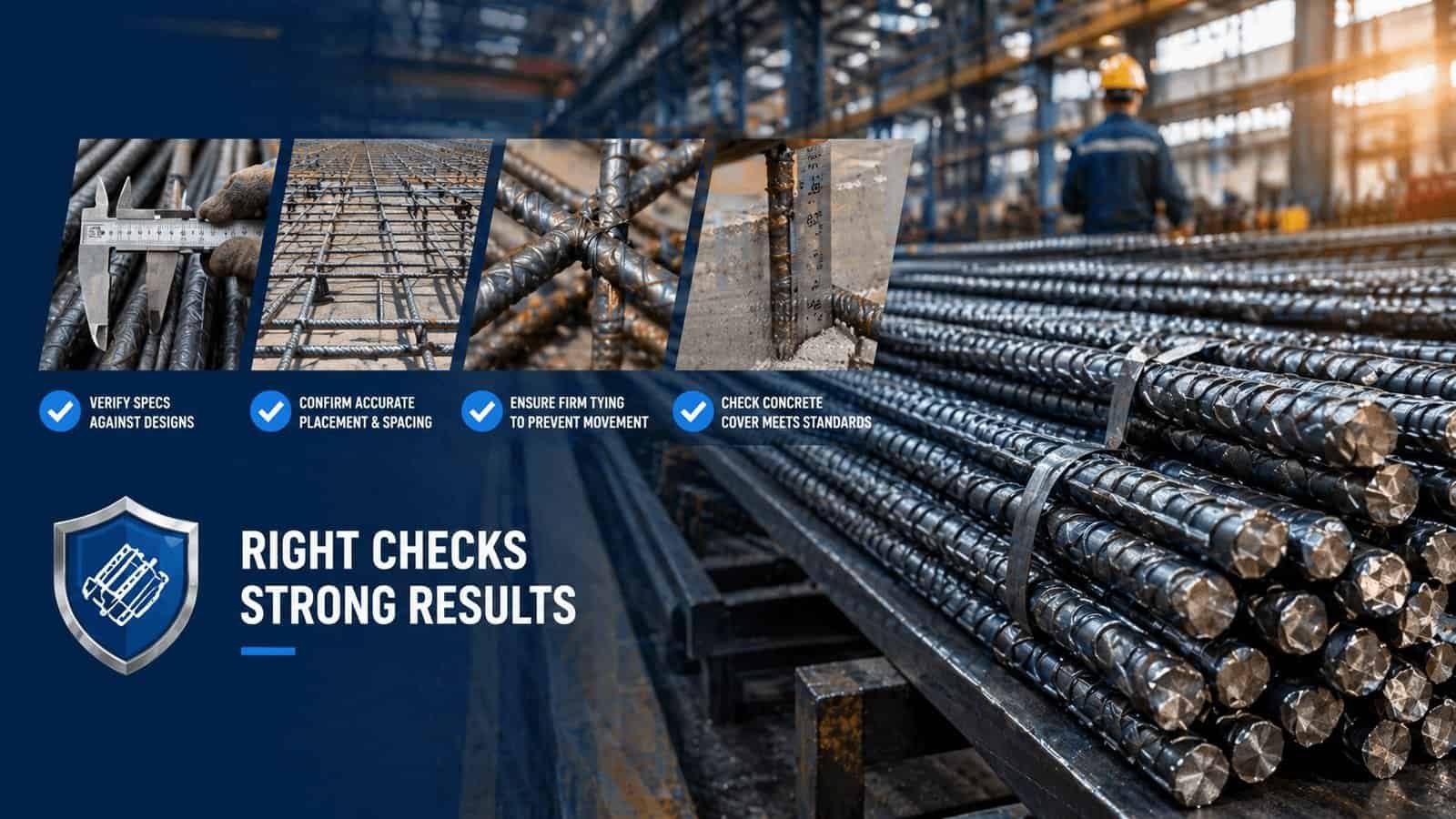
To choose the right installation guide, ensure it covers these critical checks: verifying rebar specifications against designs, confirming accurate placement and spacing, ensuring firm tying to prevent movement, and checking that the concrete protective layer meets standards. This approach prevents costly and dangerous structural failures.
I’ve been in the steel industry for 16 years, and I’ve seen how small mistakes in rebar installation can lead to huge problems. A good guide isn’t just a document; it’s a process, a checklist that ensures the skeleton of your structure is perfect before you pour the concrete. Getting it right from the start is non-negotiable. Let’s walk through the essential checkpoints that any good guide—and your team—must follow. This is the knowledge that separates a solid build from a potential disaster.
Do Your Rebar Specs and Placement Match the Design?
Worried that a tiny mistake on the blueprint could compromise your entire structure? This fear is real. A single misplaced reinforcing bar can weaken the final build, leading to expensive repairs.
Your guide must demand a detailed check of rebar specifications, model, spacing, and location against the project’s design drawings. This initial verification ensures the correct type and amount of reinforcement steel is used exactly where it’s needed for maximum strength.
When we talk about specifications, we are going deep into the details of the blueprint. This is the first and most fundamental check. I always tell my team to treat the design drawings like a map where every line and number has a purpose. The integrity of the entire rebar construction depends on it.
Matching Steel Rebar to the Blueprint
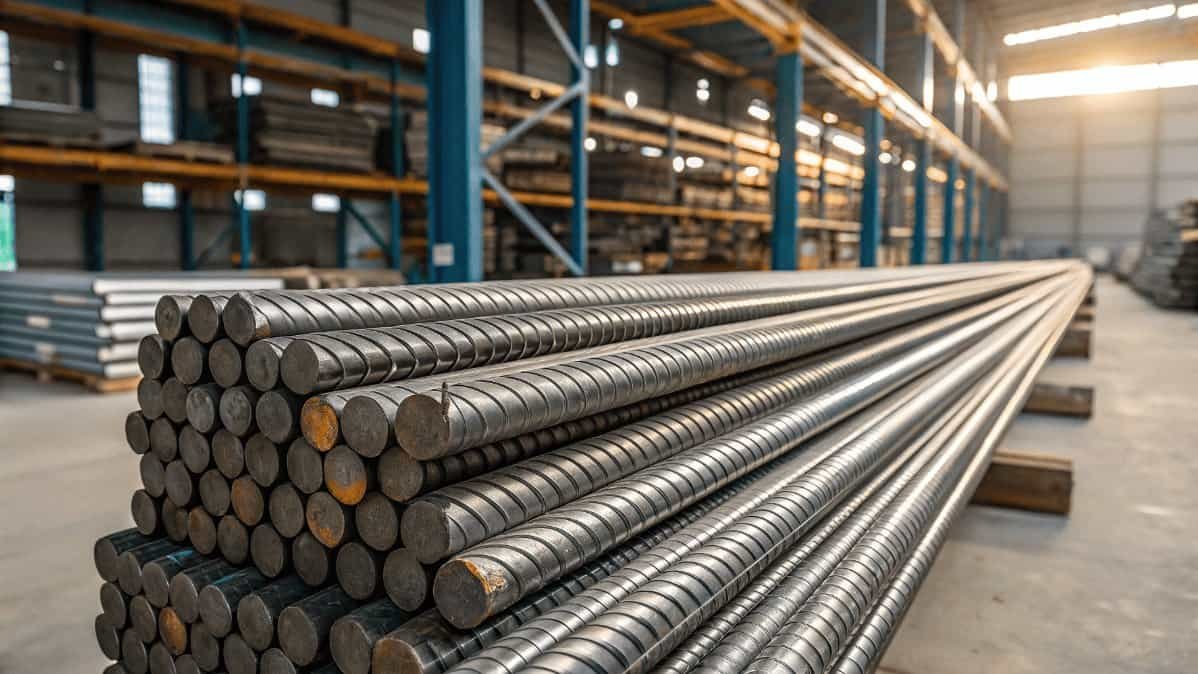
The design will specify the grade and size of the steel reinforcement rebar needed. For example, a high-stress area like a beam might require a different grade of rebar than a simple slab. Using the wrong one is a critical error.
Verifying Placement and Quantity
Next, your team must physically measure the placement. Is the spacing between the rebar bars correct? Are there the right number of bars in that grid? I’ve seen projects where a crew rushed and misread the spacing, putting bars 12 inches apart instead of 8. That 4-inch difference might seem small, but it significantly reduces the load-bearing capacity. Use a measuring tape and stick to the plan. This is a core part of using rebar for construction effectively.
| Checkpoint | What to Look For | Why It Matters |
|---|---|---|
| Specifications | Grade, diameter, and type of rebar. | Ensures the steel can handle the designed tensile load. |
| Quantity | The total number of bars in a section. | Guarantees the necessary reinforcement volume is present. |
| Spacing | The distance between each reinforcing bar. | Affects load distribution and prevents concrete cracking. |
| Position | The exact location within the formwork. | Ensures strength is applied to the correct structural points. |
Is Your Rebar Properly Prepared and Secured for Pouring?
You’ve placed all the rebar correctly, but it’s loose and dirty. When the concrete is poured, the bars shift and the bond is weak. This hidden flaw can lead to failure.
A solid guide insists that all reinforcing steel rebar is tied securely to prevent displacement during the pour. It also mandates that the rebar surface is clean and the protective concrete cover is sufficient.
Think of the concrete pour as a powerful, flowing river. Anything not tied down will be swept away. That’s why the stability of the rebar cage is so important. If the reinforced rebar moves even half an inch, it’s no longer in the optimal position to provide tensile strength. We also need to ensure the steel is ready to bond with the concrete.
Tying the Rebar Firmly
Every intersection of the rebar grid should be considered for tying. While not every single one needs to be tied, enough must be secured to make the entire cage rigid. The goal is zero movement. I’ve seen crews use different tying techniques, but the result must always be the same: a solid, unmoving structure. If you can shake the grid with your hand, it’s not tight enough.
Surface Condition and Protective Cover
The surface of the rebar must be clean. Any significant rust, oil, or mud will prevent the concrete from gripping the steel rebar properly, creating a weak bond. A little surface rust is often okay and can even improve the bond, but loose, flaky rust must be removed. Equally important is the protective layer, or concrete cover. This is the amount of concrete between the steel reinforcement bars and the outer surface. It protects the rebar steel from moisture and corrosion. Using plastic or concrete “chairs” or “spacers” is essential to hold the rebar at the correct height and ensure this cover is uniform. Without it, the rebar could be exposed to the elements and rust away, compromising the building.
Are Your Connections and Structural Details Correct?
You’re looking at a complex joint with overlapping rebar. Is the overlap long enough? Is the welding done right? A mistake here could create a weak point that fails under stress.
The best guides detail specific requirements for lap lengths, anchorage, and connections. They also cover special zones like stirrup encrypted areas and coordination for openings, ensuring every detail is perfect.
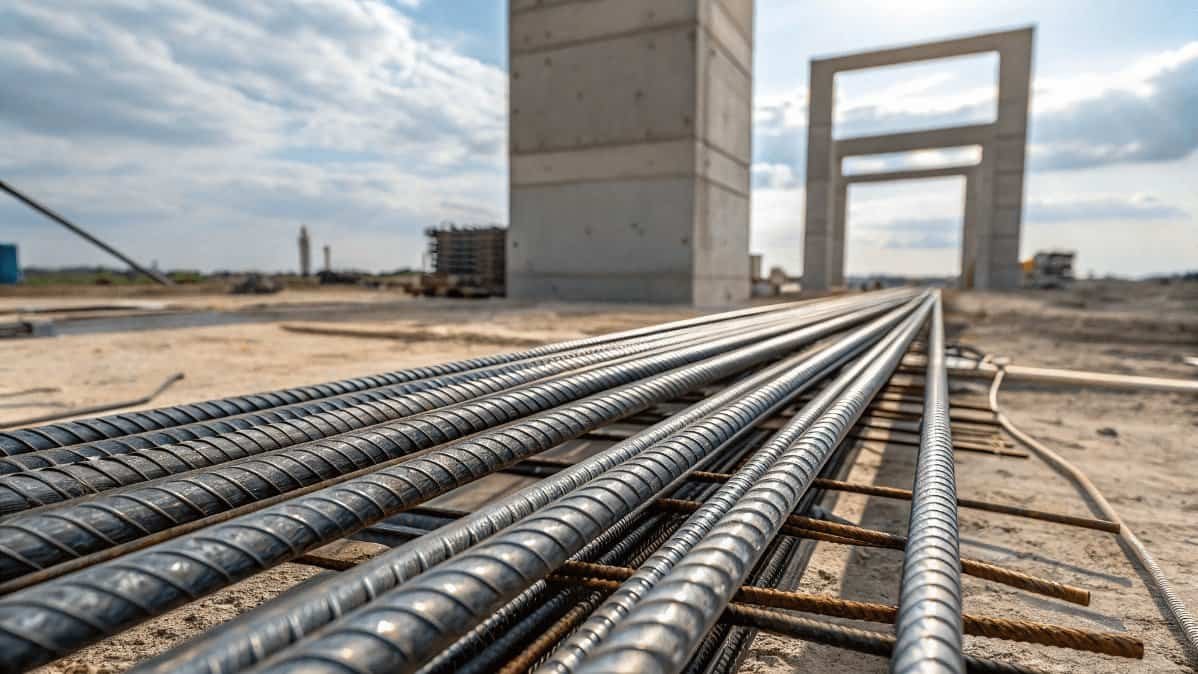
The simple, straight runs of rebar are easy. It’s the connections, corners, and special zones that require real expertise. These are the points where forces are transferred and concentrated, so they must be flawless. I always spend extra time inspecting these areas on a job site. Good rebar suppliers can provide material, but it’s the installer’s skill here that truly matters.
Lap Length and Anchorage
Rebar doesn’t come in infinite lengths. When two rebar bars need to be joined end-to-end, we overlap them. This is called a lap splice. The length of this overlap is critical and is specified by engineering codes. If it’s too short, the bars could pull apart under tension. Similarly, anchorage length refers to how far the end of a bar needs to go into concrete to “anchor” it securely. Both must be checked precisely.
Welding and Mechanical Connections
In some cases, welding or mechanical couplers are used instead of lap splices. If so, the quality of these connections is paramount. A bad weld is a point of failure waiting to happen. Welders should be certified, and the welds must be inspected for quality. Mechanical connections must be tightened to the correct torque.
Special Zones and Coordination
Drawings often show “stirrup encrypted zones,” usually near columns and beams. These are areas where smaller, U-shaped rebar (stirrups) are placed closer together to handle high shear forces. It’s vital these are installed exactly as drawn. You also have to plan for things like pipes and electrical conduits. Cutting rebar to make way for a pipe is a huge no-no. It must be planned from the start, with openings framed out correctly within the rebar cage.
What About Final Inspections and Site Conditions?
The concrete truck is on its way. Are you truly ready to pour? Rain is in the forecast. What’s the plan? Rushing this final step can undo all your careful work.
A comprehensive guide includes a final checkpoint for a “concealed work” inspection before any concrete is poured. It also covers safety protocols and procedures for dealing with adverse weather like rain.
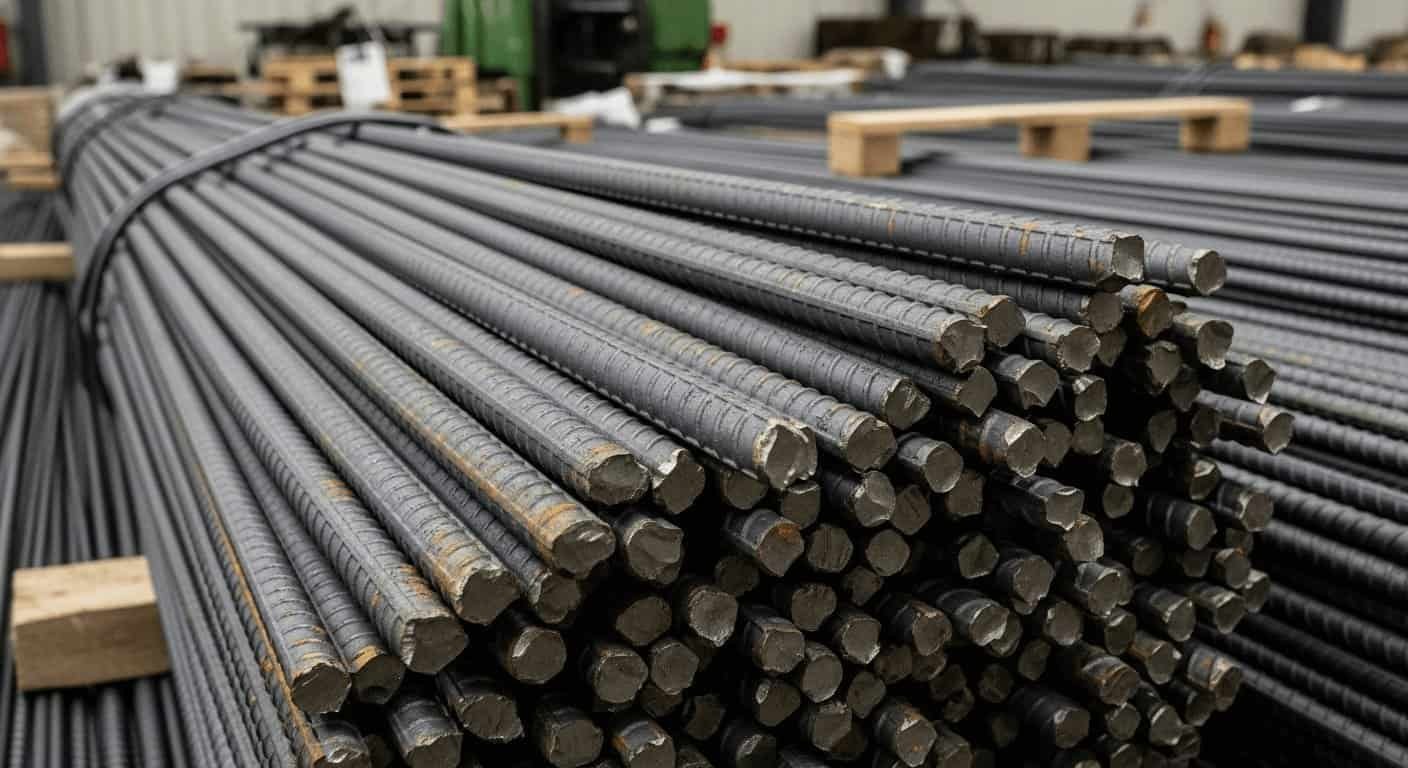
This is the point of no return. Once the concrete is poured, the rebar is hidden forever. That’s why the pre-pour inspection is arguably the most important moment in the entire process. I personally walk the site one last time. You’d be surprised what you can catch with a final, careful look. We also must consider external factors like worker safety and the weather. Finding steel rebar for sale is one thing, but installing it safely and correctly is another.
The Concealed Work Inspection
This is a formal step. An inspector—sometimes a third-party engineer—must sign off that the rebar installation is complete and correct according to the plans. This inspection is your final guarantee. It should be a thorough review of everything we’ve discussed: specs, placement, tying, cleanliness, cover, and connections. Don’t even think about ordering the concrete until you have this sign-off.
Safety and Stability
Installing large, heavy steel reinforcement can be dangerous. The rebar cage itself must be stable and properly braced so it doesn’t collapse on workers. When lifting heavy bundles of rebar, proper rigging and crane operation are essential. Safety isn’t just about rules; it’s about making sure everyone goes home at the end of the day.
Weather Conditions
Rain is a major concern. If rebar is left out in the rain for an extended period, it can develop excessive rust. More importantly, if formwork fills with water before a pour, it can compromise the concrete mix. Any standing water must be pumped out. Your team needs a clear plan for how to protect the work area from the elements.
Conclusion
Choosing the right rebar installation guide means adopting a process. This process must verify specs, placement, security, and connections. This ensures the structural integrity and long-term safety of your project.