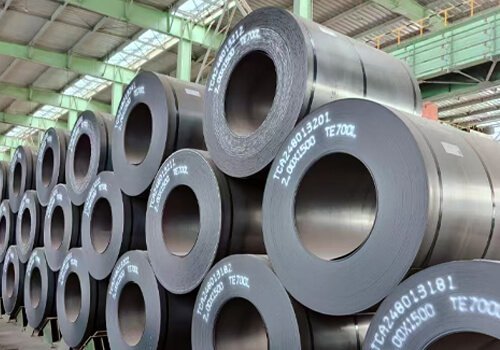
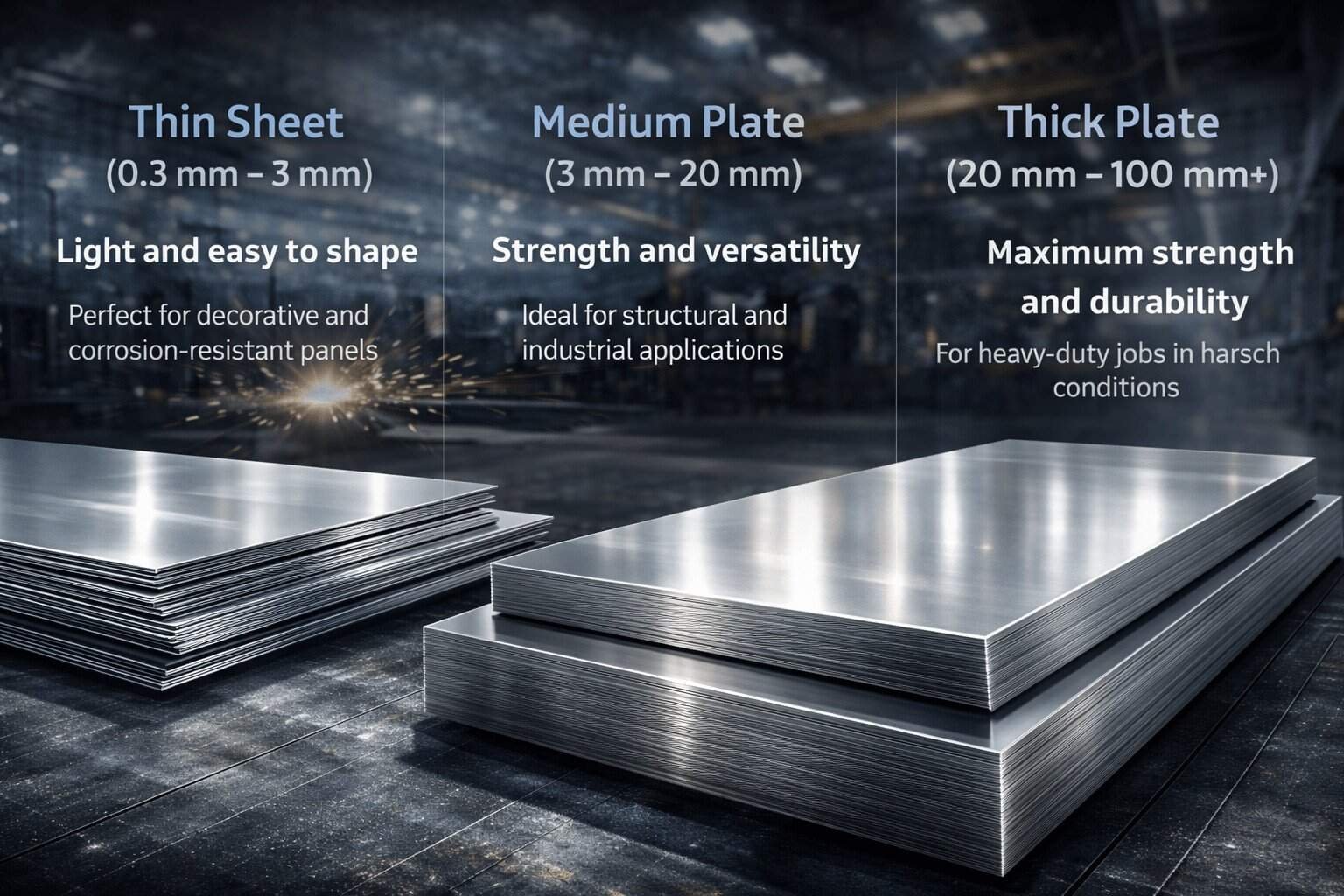
Struggling with wrong sizes and costly rework? Delays hurt profits. Ordering stainless steel plate cut to size eliminates waste and speeds up your project.
Ordering stainless steel plate cut to size ensures precise dimensions, reduces material waste, and improves installation efficiency. By choosing experienced suppliers with strict quality control, advanced cutting methods, and reliable logistics, buyers can achieve consistent quality, faster delivery, and better cost performance for construction and industrial projects.
Let’s break down everything you must know before placing your order.
What Is Stainless Steel Plate Cut to Size and How Does It Work?
Many purchasers are aware of custom cutting, but many are unsure of how it operates or why it is important for actual steel procurement initiatives.
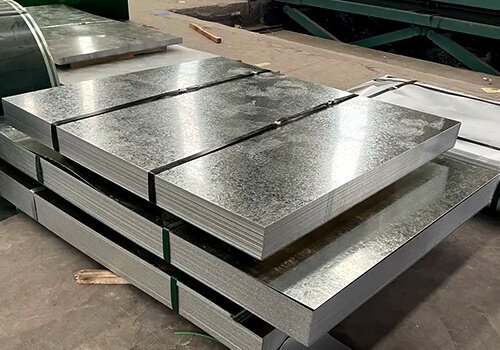
Stainless steel plate cut to size eliminates the need for further on-site cutting and increases efficiency by processing plates into precisely the necessary dimensions using cutting-edge cutting technology.
To put it simply, you obtain materials ready for immediate use rather than purchasing typical stainless steel plate sizes. Construction firms, fabricators, and distributors will particularly benefit from this.
Depending on the thickness and precision requirements, a variety of cutting techniques are employed. Laser cutting, plasma cutting, and waterjet cutting are common techniques. Every approach has benefits of its own. For instance, plasma cutting is more economical for bigger plates, whereas laser cutting offers superior precision for thin sheets.
You are aware that hand cutting necessitates time, labor, and skilled people if you have ever looked up how to cut stainless steel plate or sheet. That burden is entirely eliminated by custom cutting at the supplier level.
Furthermore, stainless steel sheets cut to size are extensively utilized in a variety of industries, including industrial, automotive, and infrastructure, where accuracy has a direct impact on assembly quality.
Why Is Stainless Steel Plate Cut to Size Better Than Standard Sheets?
The decision between standard sheets and custom-cut plates can have a big impact on overall operational performance, cost control, and project efficiency.
Cut-to-size stainless steel plates are more effective than conventional stock materials because they lower labor expenses, minimize material waste, increase dimensional correctness, and speed up installation.
Additional cutting is frequently necessary for standard sheets, which results in mistakes, delays, and waste. When pre-cut supplies are delivered, your team can start fabrication or installation right away.
This translates into actual savings for consumers like Tony who are concerned about both price and quality. Better material use results from less scrap. Operating costs are lower when there is less labor.
Logistics also become simpler. You get optimum proportions rather than huge plates, which saves money and shipping space.
This shortens turnaround times from a business standpoint. Faster installation results in quicker project completion, which has a direct effect on profitability, particularly in regions with intense competition like South America.
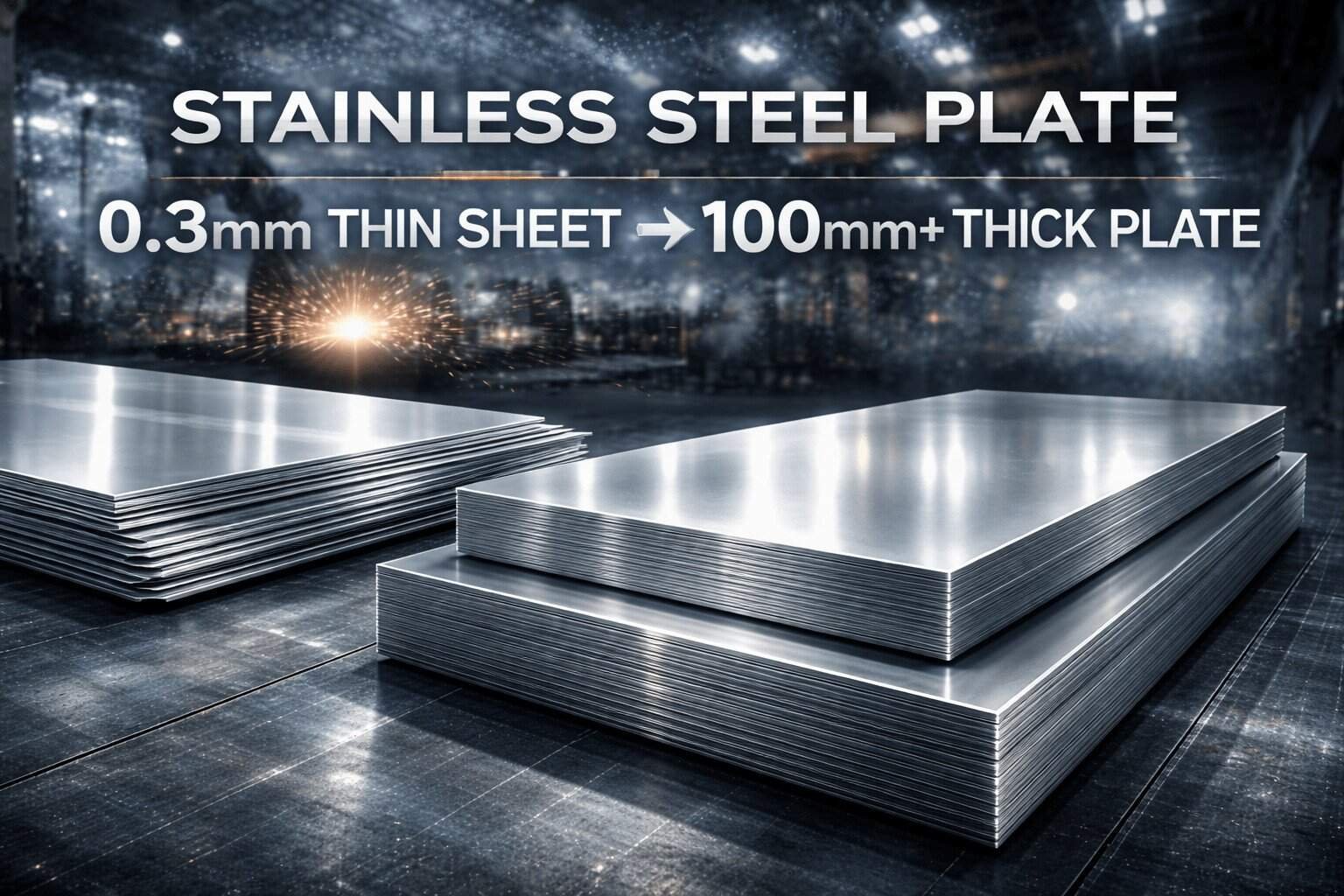
What Grades of Stainless Steel Plates Are Available for Custom Cutting?
Different stainless steel grades are needed for different industries, and selecting the incorrect grade can result in poor performance or needless expenses.
Cut-to-size stainless steel plates are often available in grades 304, 316, and 430, each of which offers varying degrees of strength, corrosion resistance, and affordability.
Because grade 304 balances cost and corrosion resistance, it is the most extensively utilized. Because of its exceptional corrosion resistance, grade 316 is recommended for usage in chemical or marine settings. Grade 430 is less corrosion-resistant but more cost-effective.
It’s crucial to match the grade with your application when obtaining cut-to-size stainless steel sheets. For instance, inside applications might employ 304, whereas coastal development projects should give priority to 316.
Surface finishes like 2B, BA, or No. 1 should also be specified. These have an impact on both functionality and appearance.
If you’re not sure, a trustworthy supplier will advise you according to the specifications of your project and assist you avoid overspending on pointless performance.
What Specifications Should You Provide When Ordering Cut-to-Size Plates?
One of the most frequent reasons for delays, erroneous orders, and expensive disputes in international steel trading is incomplete or ambiguous specifications.
To guarantee precise production and delivery, buyers should supply grade, thickness, width, length, surface finish, tolerance, quantity, and application specifications.
It’s crucial to communicate clearly. At the very least, you ought to indicate:
- Material grade (e.g., 304, 316)
- Thickness (e.g., 3mm, 10mm)
- Width and length
- Surface finish
- Edge condition
- Quantity
IProviding detailed requirements reduces back-and-forth communication and speeds up production.
For instance, you can receive products that don’t satisfy your assembly requirements if you order stainless steel sheet cut to size without indicating tolerance.
Professional purchasers incorporate application situations as well. This prevents technical mismatches and enables providers to suggest better solutions.
How to Ensure Quality When Buying Stainless Steel Plate Cut to Size from China?
Although China has competitive prices, many consumers are concerned about the uneven quality and lack of transparency in foreign sourcing.
Verify certifications, ask for mill test reports, set up independent inspections, and select seasoned exporters with a track record of success to guarantee quality.
Prior to production, quality assurance is initiated. Check supplier certifications, like ISO standards, at all times. To verify mechanical characteristics and chemical composition, request Mill Test Certificates (MTC).
It is strongly advised to use third-party inspections from firms such as SGS or BV. Before shipping, they offer objective verification.
Exporters with experience, particularly those with more than ten years of experience in foreign markets, are aware of what buyers in the USA, Brazil, and other countries demand.
This greatly lowers risk for purchasers like Tony. Additionally, a trustworthy provider would keep lines of communication open and give thorough documentation.
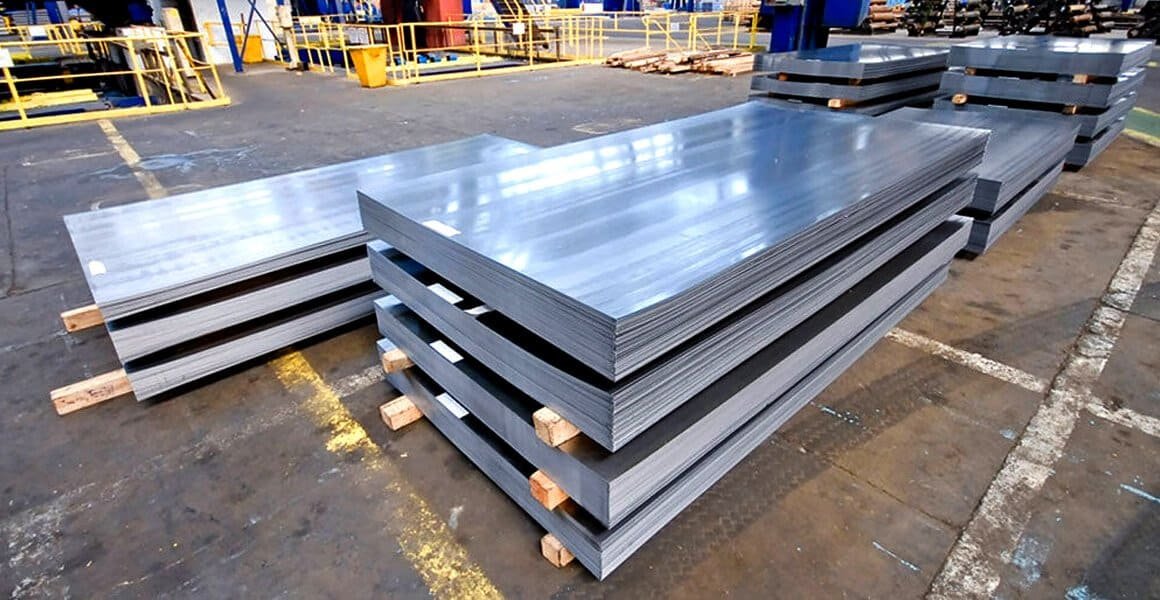
What Cutting Methods Are Used for Stainless Steel Plate Cut to Size?
Understanding which cutting method best meets your objectives is crucial since different cutting techniques have an impact on production speed, cost, and precision.
Laser cutting, plasma cutting, and waterjet cutting are common cutting techniques that offer varying degrees of accuracy, speed, and economy.
Cutting offers excellent precision and clean edges, making it perfect for thin materials. For thicker plates, plasma cutting is quicker and more cost-effective, but supplementary polishing could be necessary.
Waterjet cutting is appropriate for tasks that don’t require heat distortion because it employs high-pressure water and abrasives.
If you’ve researched how to cut stainless steel sheet, you’ll notice that industrial methods are far superior to manual techniques.
Choosing the right cutting method depends on your project’s technical requirements and budget constraints.
How Much Does Stainless Steel Plate Cut to Size Cost?
Pricing is always a major issue, particularly for consumers trying to balance competitiveness and quality in global marketplaces.
Material grade, thickness, size, cutting technique, quantity, and market conditions all affect the price; bulk orders usually result in lower prices.
For instance, while 316 stainless steel resists corrosion better than 304, it is more costly. Because thicker plates require more materials and take longer to produce, they are also more expensive.
Processing costs are increased by custom cutting, however these are frequently compensated for by labor savings and decreased waste.
Costs associated with shipping also matter, particularly for purchasers from abroad. Stainless steel plate sizes that are optimized might cut freight costs and container space.
Compare several vendors and bargain based on volume to get the best price.
How to Avoid Shipment Delays When Importing Steel Plates?
Supply chains can be completely disrupted by delayed shipments, which can result in missed deadlines and lost commercial opportunities.
Verify production schedules, collaborate with trustworthy logistics partners, organize inventories ahead of time, and keep open lines of contact with suppliers to prevent delays.
Prior to placing your order, start by verifying production lead times. Include buffer time for unforeseen delays at all times.
Select vendors who have a lot of experience with logistics, particularly if they are exporting to the Middle East or South America.
It’s important to provide shipping terminology like FOB and CIF. Comprehending these phrases aids in preventing misunderstandings and unstated expenses.
Frequent updates from suppliers also enable you to remain informed and respond promptly in the event of problems.
What Are the Common Applications of Cut-to-Size Stainless Steel Plates?
Customers can make better purchase decisions based on actual application needs by knowing where cut-to-size plates are used.
Cut-to-size stainless steel plates are frequently utilized in infrastructure, manufacturing, automotive, energy, and construction projects that call for durability and accuracy.
They are utilized in building for roofing, decorative panels, and structural elements. They are used as equipment and machine parts in production.
They are used for frames and panels in the transportation and automotive industries. They are essential to the energy sector for storage systems and pipelines.
Better fit and performance are guaranteed in all of these applications when stainless steel sheets are cut to size.
Their versatility, combined with corrosion resistance and strength, makes them a preferred choice across industries.
How to Choose a Reliable Stainless Steel Plate Cut to Size Supplier?
Making the correct supplier choice is essential to guaranteeing timely delivery, high-quality products, and sustained business success.
Select suppliers based on their track record of exports, experience, certifications, client testimonials, and capacity to deliver dependable, high-quality service.
Seek out vendors who have a track record of successful exports, particularly in your intended markets. This guarantees that they are aware of regional norms and logistical difficulties.
Examine their certificates, website, and client testimonials. Reliable vendors will respond promptly and with clear information.
Assess their production capabilities as well, taking into account their quality control procedures and cutting apparatus.
In addition to guaranteeing product quality, a solid supplier relationship enables you to grow your company more successfully.
Summary
Cut-to-size stainless steel increases productivity, minimizes waste, and guarantees accuracy. Select knowledgeable vendors to guarantee quality, affordability, and dependable delivery.