Many buyers confuse hot dipped galvanized vs galvanized steel. Choosing the wrong coating can lead to rust, structural damage, and expensive replacements in construction and industrial projects.
The main difference between hot dipped galvanized vs galvanized steel is the coating method. Hot dip galvanized steel is immersed in molten zinc, forming a thick protective layer that strongly bonds to steel. Standard galvanized steel usually uses electroplating, producing a thinner coating better suited for indoor or low-corrosion environments.
Understanding their process, durability, cost, and applications will help buyers choose the right steel product.
Hot Dipped Galvanized vs Galvanized: What Is the Main Difference?
A lot of consumers believe that all galvanized steel is the same. However, there can be significant differences in the actual coating process and performance attributes between hot dipped and galvanized.
The coating method is the primary distinction between hot dip and galvanized steel. Melted zinc immersion versus electroplated zinc coating results in varying coating thickness and endurance when hot dip galvanizing is compared to galvanizing.
Understanding what hot dip galvanized means is crucial to comprehending the comparison between hot dipped and galvanized steel.
Steel is submerged in molten zinc at a temperature of about 450°C in the hot dipped galvanized process. This technique creates a metallurgical connection between the zinc and the steel surface. This produces several corrosion-resistant layers of zinc-iron alloy.
In contrast, zinc is deposited onto the steel sheet’s surface using an electrical current to create electro-galvanized steel. This technique results in a smoother, thinner covering.
Discussions on hot galvanized versus hot dipped galvanized frequently focus on durability because of this distinction. Electro-galvanized coatings emphasize precision and attractiveness, but hot-dip coatings are thicker and more durable.
To make sure the right material is used for the intended environment, steel purchasers in the building, infrastructure, and industrial sectors must grasp hot dipped galvanized versus galvanized.
Which Is More Durable: Hot Dipped Galvanized vs Galvanized Steel?
One of the most crucial considerations when buying steel products is durability. Coating thickness is a crucial factor in long-term performance when comparing hot-dipped and galvanized.
Because the hot dip galvanized process produces a stronger protective zinc coating, hot dip galvanized steel is typically far more durable than electro-galvanized steel.
Steel constructions are projected to last between 20 and 50 years in many industrial applications. Because of this, corrosion protection is crucial.
Compared to electro-galvanized steel, the zinc coating in hot dip galvanized steel is frequently several times thicker. Steel is shielded by this thick layer in two ways.
It first establishes a physical barrier that keeps moisture and oxygen from getting to the steel surface.
Second, sacrificial protection is offered by zinc. This implies that even if the covering is scratched, the underlying steel is protected since zinc corrodes first.
When comparing hot dip with galvanized steel goods, one of the main benefits is this sacrificial protection.
Because hot dipped galvanized steel resists corrosion over time, engineers nearly always favor it in hostile situations like industrial zones or coastal regions.
How Does the Coating Process Differ Between Hot Dipped Galvanized vs Galvanized?
TThe performance qualities of coated steel products are directly determined by the production process. The distinction between galvanizing and hot dip galvanizing begins in the production process.
Steel is submerged in molten zinc during the hot dipped galvanized process to create thick alloy layers. By using electrical current to deposit zinc, electro-galvanizing creates a thinner coating.
Several steps are typically involved in the manufacture of hot dip galvanized steel:
- Degreasing to remove oil and contaminants
- Acid pickling to eliminate rust and mill scale
- Fluxing to prevent oxidation
- Immersion in molten zinc
Zinc and iron in the steel undergo a chemical reaction while submerged. Several alloy layers are produced by this reaction, and these layers firmly adhere to the steel surface.
The primary cause of hot-dipped galvanized steel’s exceptional endurance is this metallurgical bonding.
By contrast, electro-galvanizing uses electrical current to deposit zinc ions on the steel surface. Products that need to have a nice surface look benefit from the smoother and more consistent coating that is created.
However, the hot-dip approach consistently provides superior long-term corrosion protection as compared to galvanized.
Hot Dipped Galvanized vs Galvanized: Which One Has Better Corrosion Resistance?
The main reason manufacturers and construction firms employ galvanized steel is its resistance to corrosion. But not every galvanizing technique provides the same degree of protection.
Because of its thicker zinc coating, hot-dip galvanizing often offers greater corrosion resistance as compared to galvanized.
Steel’s ability to withstand corrosion is mostly determined by the bonding strength and coating thickness.
The coating thickness of hot dip galvanized steel usually varies from 50 to more than 100 microns. Steel structures can be shielded for decades by this thick covering.
Electro-galvanized steel coatings, on the other hand, are typically thinner—between 5 and 15 microns.
Electro-galvanized coatings may therefore deteriorate more rapidly in conditions with:
- High humidity
- Salt exposure
- Industrial pollution
This is why large infrastructure projects such as bridges, pipelines, and transmission towers often require hot dipped galvanized steel.
When engineers analyze hot dip galvanizing vs galvanizing, corrosion resistance is usually the most decisive factor.
What Are the Typical Applications of Hot Dipped Galvanized vs Galvanized Steel?
Different steel coatings are needed for different sectors based on factors like environmental exposure, durability, and appearance.
While electro-galvanized steel is frequently utilized in automobiles, appliances, and indoor equipment, hot dip galvanized steel is frequently employed for infrastructure and outdoor construction.
The following are typical uses for hot-dipped galvanized steel:
- Construction structures
- Highway guardrails
- Agricultural machinery
- Transmission towers
- Steel pipes and tubing
These applications require strong corrosion protection and long service life.
Meanwhile, electro-galvanized steel is often used in industries where surface smoothness and precision are important.
Common examples include:
- Automotive panels
- Household appliances
- Office furniture
- Electronic equipment
When companies compare hot dipped galvanized vs galvanized, the operating environment usually determines the final decision.
Hot Dipped Galvanized vs Galvanized: Which One Is More Cost-Effective?
When procuring materials, price is a major consideration for many steel buyers. True cost-effectiveness, however, takes maintenance costs and longevity into account.
Hot dip galvanized steel is typically more expensive at first, but over time, its longer service life makes it more cost-effective than electro-galvanized steel.
Instead of focusing solely on the purchase price when assessing steel costs, purchasers should take into account the entire lifecycle cost.
For example, if a cheaper coating fails earlier, companies may need to pay for:
- Repairs
- Repainting
- Replacement materials
- Labor costs
Hot dipped galvanized steel frequently drastically lowers maintenance costs because it can endure for several decades in a variety of settings.
Therefore, many engineers and project managers believe that hot-dip galvanized steel is the more cost-effective choice for long-term infrastructure projects when comparing it to galvanized steel.
How Long Do Hot Dipped Galvanized vs Galvanized Coatings Last?
When selecting steel components for industrial and construction equipment, service life is a crucial consideration.
While electro-galvanized steel coatings usually have shorter lifespans, hot dip galvanized steel coatings can last anywhere from 20 to 50 years, depending on the environment.
A number of environmental variables, including as humidity, pollution levels, and salt exposure, affect how long galvanized coatings last.
Over time, the thick zinc covering created by the hot-dipped galvanized process slowly corrodes, shielding the steel beneath.
Hot dip galvanized steel constructions can endure over 40 years in mild climates with little upkeep.
Conversely, electro-galvanized steel is more appropriate for interior settings with minimal exposure to chemicals and moisture.
This distinction explains why, when designing long-term infrastructure projects, engineers carefully consider hot dip galvanizing versus galvanizing.
Hot Dipped Galvanized vs Galvanized: Which Is Better for Outdoor Projects?
Rain, humidity, temperature swings, and environmental contamination must all be tolerated by outside steel buildings.
Hot-dipped galvanized steel is typically a superior choice for outdoor applications due to its thick zinc coating, which offers stronger long-term corrosion protection.
Steel is constantly at risk of corrosion in outdoor settings.
If steel is not adequately protected, contaminants, rainwater, and oxygen can hasten the rusting process.
Hot dip galvanized steel is extremely resistant to various environmental elements because of the protective layer created during the process.
The following are typical outdoor buildings made of hot dip galvanized steel:
- Solar panel mounting systems
- Highway guardrails
- Steel fencing systems
- Structural beams and frames
Because of its durability, hot dipped galvanized steel has become a standard material for outdoor infrastructure around the world.

How Can You Identify Hot Dipped Galvanized vs Galvanized Steel?
To guarantee product quality and adherence to project standards, steel buyers and inspectors must choose the right coating type.
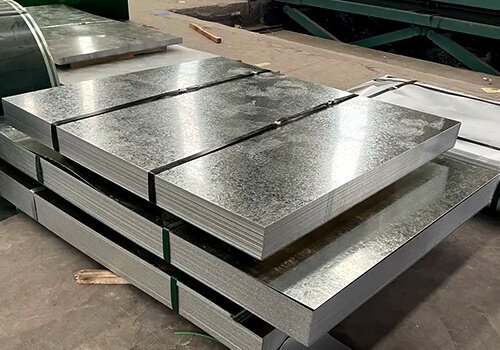
Electro-galvanized steel often has a smoother surface finish, but hot-dipped galvanized steel typically has thicker coats and noticeable spangle patterns.
The two varieties of galvanized steel can be distinguished in a number of useful ways.
Visual inspection is the most popular approach. A characteristic crystalline pattern known as spangle is frequently seen on hot-dipped galvanized steel.
Steel that has been electro-galvanized often has a smooth, homogeneous look with little surface grain.
Measuring the coating thickness using specific tools is another trustworthy technique.
Additionally, buyers can use inspection records and mill test certifications to confirm the coating procedure.
International customers frequently employ third-party inspection services like SGS or BV to verify whether the steel was made by galvanizing or hot dip galvanizing.
Hot Dipped Galvanized vs Galvanized: Which Option Should Importers Choose?
When choosing materials for their markets, steel importers must strike a balance between cost, quality, and application requirements.
Hot dip galvanized steel is typically the best option for outdoor equipment, infrastructure, and building, whereas electro-galvanized steel is good for inside or appearance-focused applications.
Durability and corrosion resistance are usually given top priority by importers who sell components to infrastructure projects or construction firms.
Hot-dipped galvanized steel offers dependable long-term performance in these situations.
Distributors that work with the appliance or automobile industries, however, might favor electro-galvanized steel because to its cheaper price and smoother finish.
When corrosion resistance is crucial, some consumers additionally contrast stainless steel and galvanized steel.
Stainless steel is far more expensive than galvanized alternatives, although having better corrosion resistance.
Hot dip galvanized steel thus provides the optimum cost-performance ratio for many applications.
Summary
Buyers may select the best material by knowing the difference between hot-dipped and galvanized steel. Hot dip galvanized steel is usually the best option for lengthy service life and outdoor durability.