Choosing the wrong steel bar size can increase costs and risk construction failures. I will explain available diameters, applications, and selection tips for safer purchasing decisions.
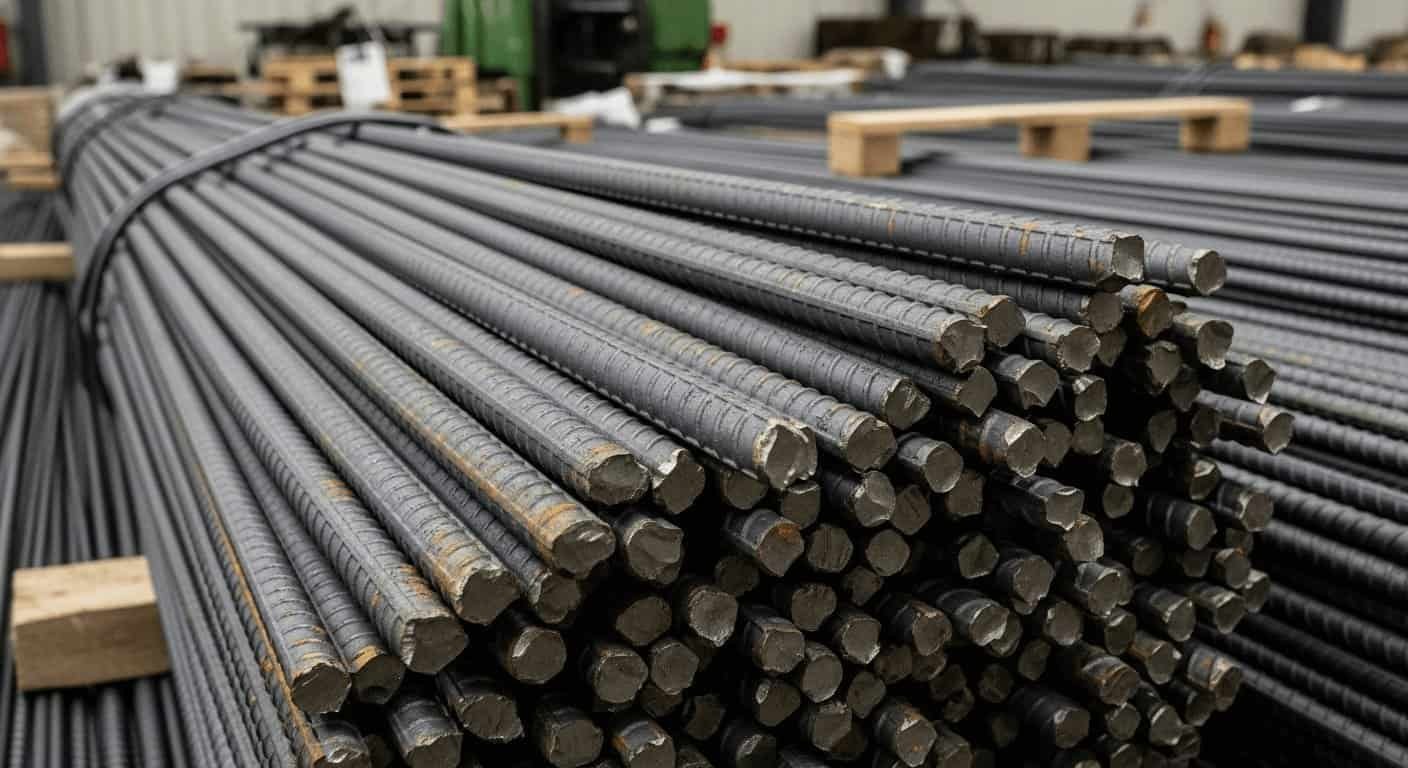
What is the diameter of steel bars available in market for different construction applications? The diameter of steel bars available in the market usually ranges from 6 mm to 40 mm or more, depending on construction requirements. Common sizes include 6mm, 8mm, 10mm, 12mm, 16mm, 20mm, 25mm, and 32mm. The right diameter depends on project design, load requirements, and local construction standards.
Understanding steel bar dimensions helps buyers choose suitable products, control costs, and avoid quality problems during construction projects.
What Are the Common Diameters of Steel Bars Available in the Market?
Because size has a direct impact on strength, weight, and application, many purchasers of reinforcing steel first inquire about the diameter of steel bars available in the market. Different options for reinforcing are needed for different construction projects. For instance, although bridges and industrial constructions often require greater diameters with higher load capacities, modest residential buildings may employ smaller reinforcement bars.
6 mm (1/4 inch), 8 mm (5/16 inch), 10 mm (3/8 inch), 12 mm (1/2 inch), 16 mm (5/8 inch), 20 mm (3/4 inch), 25 mm (1 inch), and 32 mm (1-1/4 inch) are the typical steel bar sizes in mm and inches. In many foreign markets, these proportions are widely accepted. However, specific criteria may differ based on regional standards such as ASTM, BS, or EN.
In my experience as a steel exporter, clients typically pay attention to both business considerations and technical demands. They must be aware of the weight, packaging technique, and shipping efficiency of the size of steel bars in mm. Importers can choose goods that meet local market demand and optimize profitability by being aware of the sizes that are accessible.

How Do I Choose the Right Steel Bar Diameter for Construction Projects?
It is necessary to comprehend the project’s goal, the structural design, and the necessary strength in order to choose the appropriate bar diameter. Medium-sized reinforcement bars could be needed for a small building foundation, but larger diameters are frequently needed for massive infrastructure projects. Inadequate structural performance or needless material costs can result from selecting the incorrect size.
Construction regulations and technical calculations should always be followed when determining the bar diameter. When determining the quantity of reinforcement, engineers typically take into account elements including concrete strength, anticipated loads, environmental conditions, and safety regulations. In order to prevent acquiring inappropriate products, buyers should discuss project details with suppliers.
Expert assistance becomes crucial when clients buy from foreign vendors. In accordance with drawings, standards, and market demands, a skilled exporter can suggest appropriate steel bar sizes and length. This guarantees that imported steel bars can be utilized directly on building sites and lowers purchasing risks.
What Is the Difference Between Small and Large Diameter Steel Bars?
Steel bars with small and big diameters have varied properties and uses. While larger bars offer more strength and better performance in heavy-load structures, smaller bars are simpler to move, cut, and install. Customers are better able to make purchases when they are aware of these distinctions.
Larger reinforcement bars often begin at 16 mm and more, while smaller reinforcement bars typically range in size from 6 to 12 mm. The decision is based on the structural specifications. Because heavier steel bars affect project budgets and transportation costs, many purchasers also compare the weight of steel bars.
Understanding the distinctions between different types of steel bars is crucial for global steel trade organizations. High-strength steel bars, mild steel bars, and reinforcing bars are frequently the three primary classifications. Each type has varied uses in construction and necessitates different considerations when making purchases.
Which Steel Bar Diameter Is Commonly Used in Building Construction?
Depending on the structure, a variety of reinforcement sizes are used in building construction. While commercial buildings and industrial facilities may need bigger diameters for columns, beams, and foundations, residential buildings often employ 8mm, 10mm, 12mm, and 16mm bars.
Because they offer a balance between strength and affordability, 12 mm and 16 mm reinforcement bars are especially well-liked among the steel bars available in the market. In many developing economies where construction activity is still expanding quickly, these sizes are frequently utilized.
Another crucial consideration when making a purchase is the necessary length of steel bars. Although some markets demand specific lengths, standard lengths are typically 12 meters. To eliminate waste and increase project efficiency, importers should verify local construction methods before placing orders.
Are Steel Bar Diameter Standards Different Between Countries?
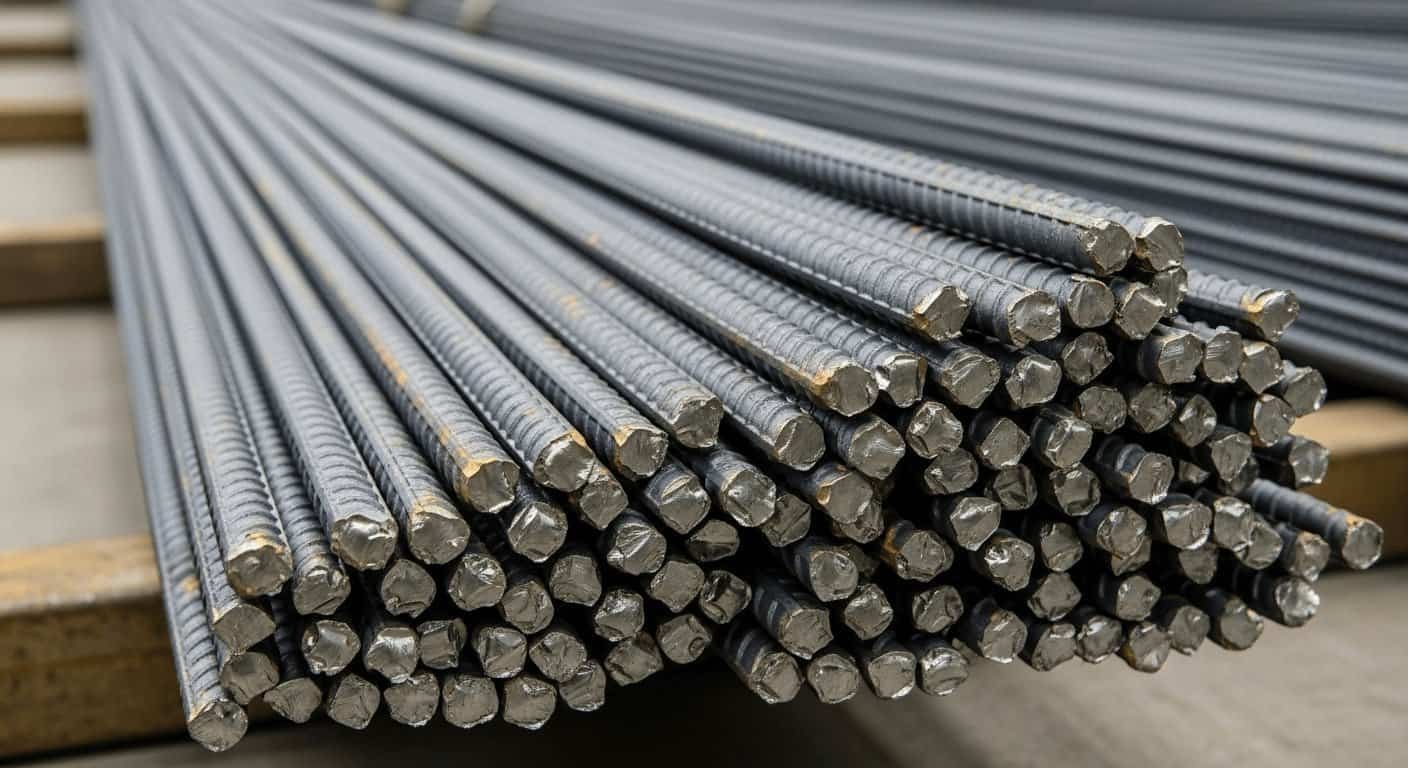
There are regional variations in steel bar specifications. Chemical composition, mechanical qualities, size, and testing methods are all subject to national regulations. For instance, European markets frequently employ EN standards, but American markets typically adhere to ASTM standards.
The tolerance range and measurement techniques may vary, even though the fundamental idea behind the diameter of bars in the market is the same. The criteria for a 12mm steel bar from one standard system could differ slightly from those of another standard system.
Providing accurate documentation is crucial for exporters that cater to international clients. The ability of suppliers to deliver mill certificates, inspection reports, and goods that adhere to national requirements should be verified by buyers. This guarantees dependable project operation and more seamless customs clearance.
How Can I Check the Quality of Steel Bars Before Purchase?
One of the main issues for foreign steel purchasers is quality inspection. Although a steel bar may appear comparable on the outside, its ability to safely carry construction loads depends on its mechanical performance and chemical makeup.
Important details, including tensile strength, yield strength, elongation rate, chemical analysis, and surface quality, should be verified by purchasers prior to purchase. Testing reports that verify whether products fulfill necessary criteria are typically provided by professional vendors.
Customers should review production records and inspection protocols when assessing mild steel bars and other reinforcement items. Before shipping, trustworthy suppliers typically work with independent inspection firms and offer clear quality information.
What Certifications Should I Request When Buying Steel Bars?
Certifications serve as proof that steel products fulfill quality and technical standards. Documents are particularly crucial for foreign purchasers since they are not always able to personally visit factories prior to each shipment.
Mill Test certifications (MTC), chemical composition reports, mechanical test reports, and third-party inspection certifications are examples of common documentation. Important facts such as steel grade, steel bar size in mm, and production batch details are verified by these documents.
An expert exporter is aware that the service includes documentation. To facilitate foreign purchases, suppliers should assist clients with export documentation, inspection schedules, and compliance requirements in addition to providing high-quality items.
How Does Steel Bar Diameter Affect Price and Shipping Cost?
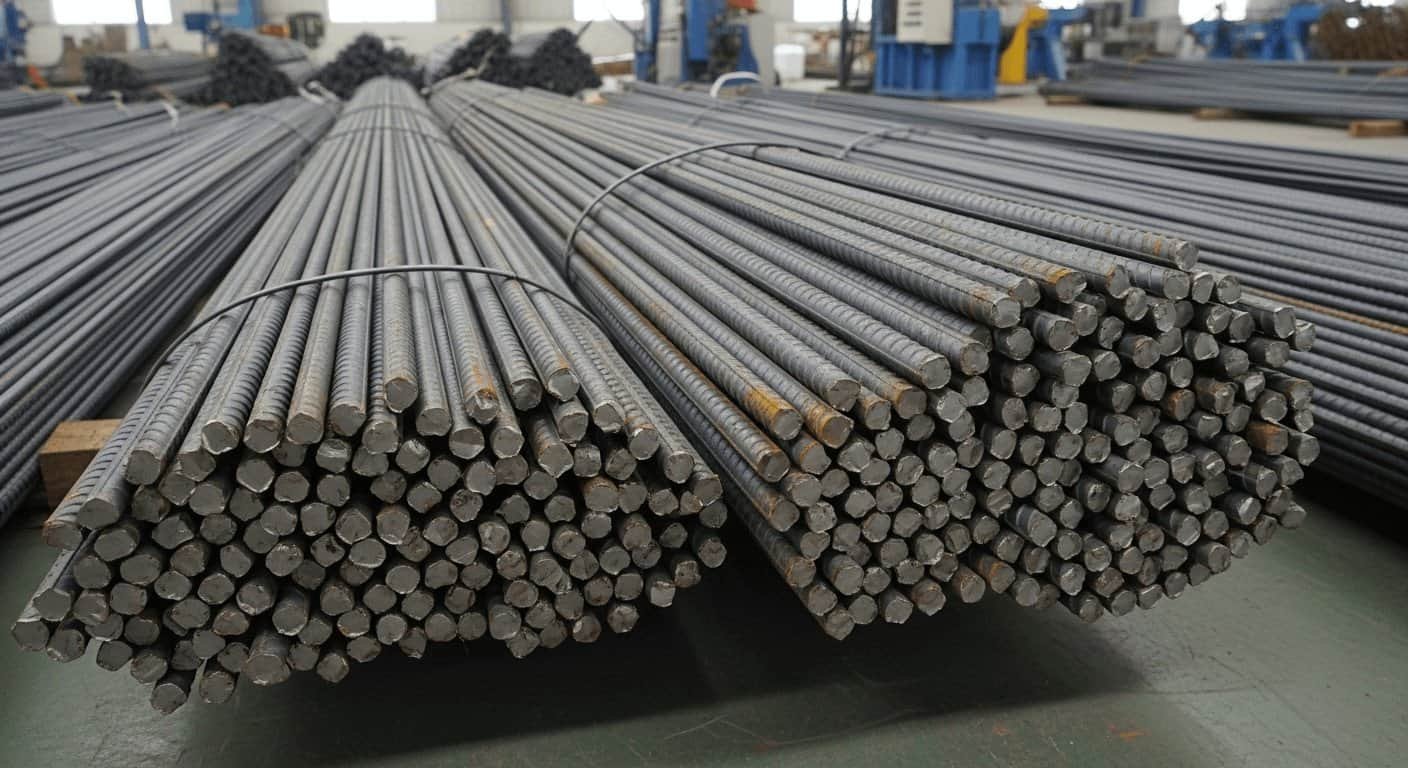
Steel bar diameter has a direct impact on product weight, resource consumption, and transportation costs. Compared to lower diameters, larger diameter bars often cost more per piece because they contain more steel.
For importers, determining the weight of steel bars is crucial since container weight is frequently the basis for international shipping expenses. Before confirming orders, buyers must comprehend how diameter, length, and quantity affect overall shipping charges.
Customers should think about more than just the unit pricing when comparing vendors. If quality issues, delayed shipments, or inaccurate specs arise, a somewhat less expensive product may result in increased expenses. Customers may balance pricing, quality, and delivery performance with the assistance of dependable providers.
Can Steel Suppliers Provide Customized Steel Bar Diameters?
Numerous qualified steel suppliers are able to offer solutions that are tailored to the needs of their clients. Despite the widespread availability of standard sizes, many projects call for unique lengths, dimensions, packing techniques, or surface treatments.
Customers can obtain steel bar sizes and length combinations that are appropriate for their particular markets thanks to customized manufacture. Distributors that work with a variety of construction clients with varying technical needs may find this particularly helpful.
We have been exporting for many years, and we know that every market has its own requirements. Experienced suppliers may assist clients in reducing purchasing challenges and enhancing supply chain stability, from choosing appropriate steel bar kinds to scheduling manufacturing and shipping.
Why Should I Buy Steel Bars From an Experienced Export Supplier?
Just as crucial as selecting the appropriate steel bar diameter is selecting the proper provider. An expert exporter is aware of global norms, client demands, logistical needs, and quality assurance protocols.
Three various kinds of steel bars—reinforcing bars, mild steel bars, and specialty steel products—can be obtained from a qualified provider. In accordance with the needs of the client, they can also describe the benefits and uses of each kind of product.
Supplier experience can lower a number of dangers for buyers who import steel from China. Customers may preserve their local sales advantages and steer clear of issues brought on by delayed shipments or inconsistent products with the help of stable quality, competitive pricing, dependable delivery schedules, inspection support, and expert communication.
Summary
Both construction quality and purchasing efficiency are enhanced by the appropriate steel bar diameter. Reliable suppliers guarantee quality, assist customers in choosing appropriate sizes, and improve company outcomes.