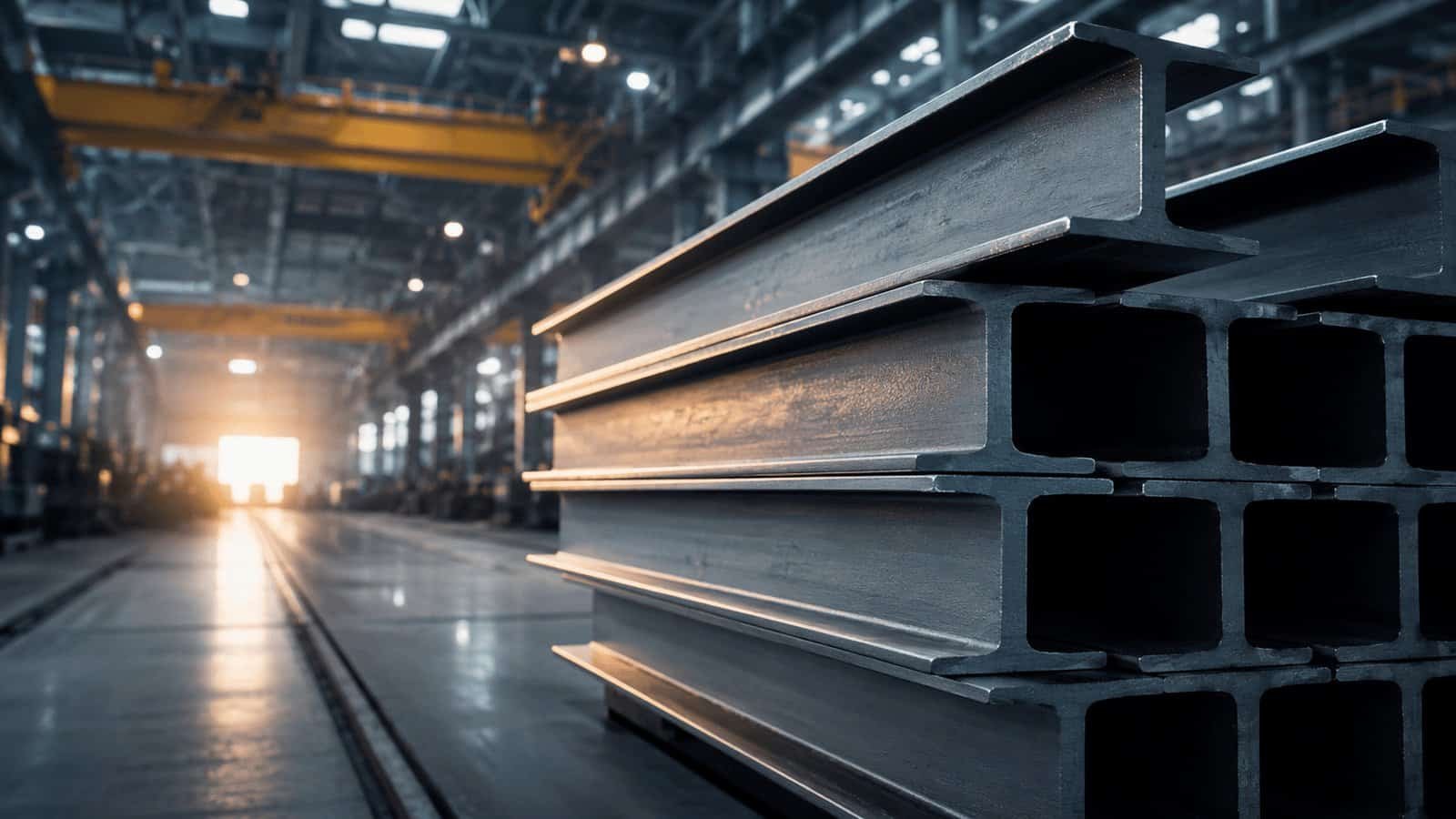
Confused between I beam and H beam? Choosing the wrong steel beam can increase costs and risk structural failure. Understanding their differences helps you avoid costly mistakes.
What is the I beam H beam difference and how does it affect your construction choice? The I beam and H beam difference lies in flange width, 厚さ, and load capacity. H beams have wider flanges and higher strength, making them ideal for heavy structures, while I beams are lighter and suitable for smaller loads. Choosing between I beam or H beam depends on project requirements, load conditions, and budget.
Let’s explore their structures, performance, and how to choose the right one for your project.
What Is an I Beam and What Are Its Key Features?
I always begin by going over the fundamentals of what the difference is between I beam and H beam. One of the most often utilized structural steel shapes in the world, particularly in light- to medium-sized construction projects, is the I beam.
An I beam is shaped like an “I” and has thinner horizontal flanges and a narrow vertical web. It is inexpensive, 軽量, and frequently utilized in support frames, platforms, and residential buildings where a moderate level of strength is adequate.
Many engineers wonder why I beams are strong because of the I beam’s design, which effectively resists bending in a single direction. Its geometry provides the solution since the majority of the material is concentrated in the flanges, which helps with bending stress resistance. しかし, because the flanges are relatively narrow, the beam is less stable under heavy or multidirectional loads. When projects get bigger, I beam vs. H beam strength becomes a crucial factor in practical applications. Decisions about I beam or H beam must therefore take structural requirements into account in addition to cost.
What Is an H Beam and Why Is It Widely Used in Modern Construction?
Anyone involved in large-scale building or infrastructure projects must comprehend what an H beam is.
Compared to an I beam, an H beam has thicker, wider flanges and a more consistent cross-section. This structure is perfect for heavy-duty construction because it offers increased load-bearing capacity, improved stability, and resistance to bending in numerous directions.
Comparing their shapes side by side reveals the H beam I beam difference. Because of its wide flanges, which more uniformly distribute weight, the h beam resembles a rectangle. このため, in bridges, high-rise structures, および産業施設, H beam vs. I beam comparisons frequently favor H beams.When handling heavy loads, engineers favor H beam vs. I beam strength because H beams lower the danger of deformation. H beam I beam items are produced under stringent standards to satisfy international construction regulations in foreign markets, particularly in exporting nations like China.
What Is the Core I beam H beam difference in Shape and Structure?
The true answer is found in structural design; しかし, many customers go immediately for I beam H beam difference.
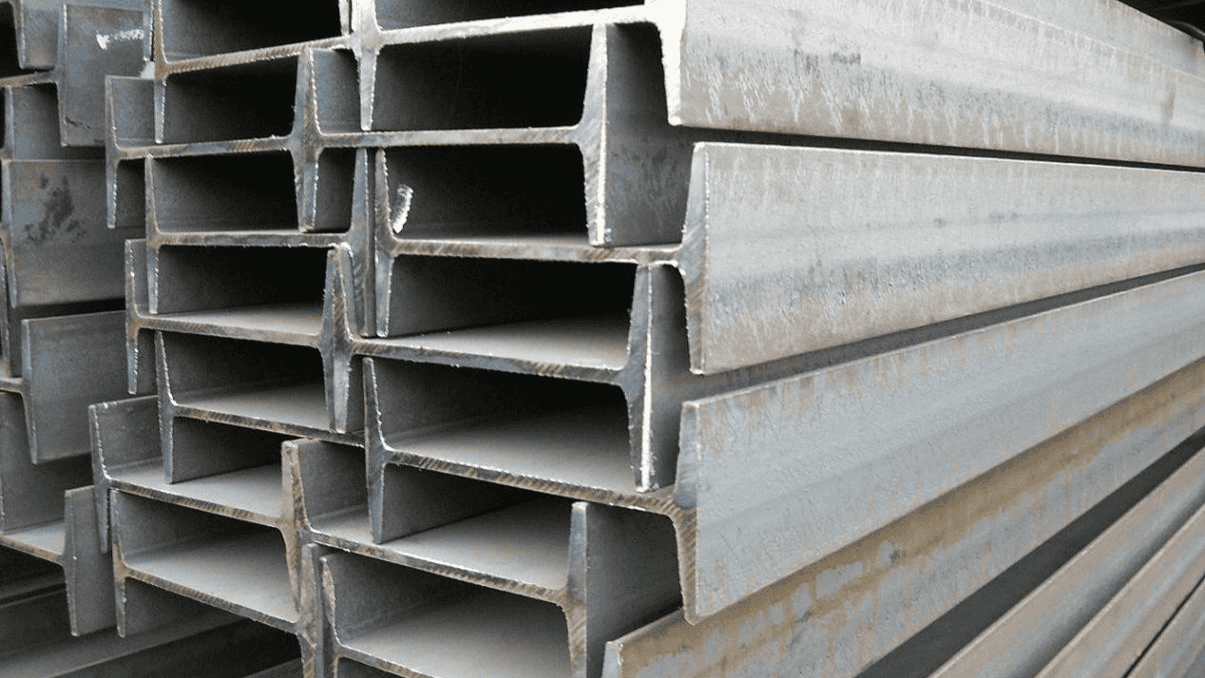
Flange thickness and width are the primary I beam H beam difference. H beams have parallel, larger flanges, whereas I beams have tapered, narrower flanges. 強さ, 安定性, and application suitability are all greatly impacted by this structural diversity.
The flange design is crucial when examining the H vs. I beam. The flanges of an I beam are thinner and have a modest inward slope, which reduces weight but also restricts load capacity. The thicker, parallel flanges of H beam vs. I beam structures, 一方で, improve durability. このため, the H beam I beam difference is particularly significant in heavy-load or seismic zones. From a manufacturing standpoint, these variations also have an impact on rolling procedures and the use of raw materials, which in turn have an impact on availability and price in international steel markets.
Which Is Stronger: I Beam or H Beam?
One of the most common inquiries is, “In terms of strength, which is better, I beam or H beam?”
Because of their thicker web and larger flanges, H beams are stronger than I beams. They are perfect for heavy construction and structural frameworks since they can withstand bending in numerous directions and support larger loads.
The kind of load must be taken into account when comparing I beam vs. H beam strength. Although they are less resilient to lateral forces, I beam structures function effectively under vertical loads. This explains why I beams are strong in some situations but not in others. しかし, under both vertical and horizontal load circumstances, H beam vs. I beam performance is superior. Making the wrong choice between I beam and H beam might result in structural inefficiencies or higher long-term maintenance costs for projects like bridges or warehouses.
How to Choose Between I Beam and H Beam for Different Projects?
Selecting between I beam and H beam involves more than just strength; it also involves tailoring the beam to the intended use.
Take load needs, span length, and budget into account when choosing between I beam vs. H beam. For light buildings, use I beams; for heavy-duty frames, lengthy spans, and high-load situations, use H beams.
In actual procurement situations, the choice of which is better I beam or H beam frequently hinges on project scale, particularly for buyers like Tony. I beam solutions are affordable for small businesses or residential buildings. しかし, because of their longevity and safety margin, H beam I beam comparisons typically favor H beams for large infrastructure projects. Logistics and supply chain stability are also important; selecting dependable exporters lowers the risk of project delays by guaranteeing constant quality and prompt delivery.
What Are the Cost Differences Between I Beam and H Beam?
When considering I beam vs. H beam , price is always a crucial consideration.
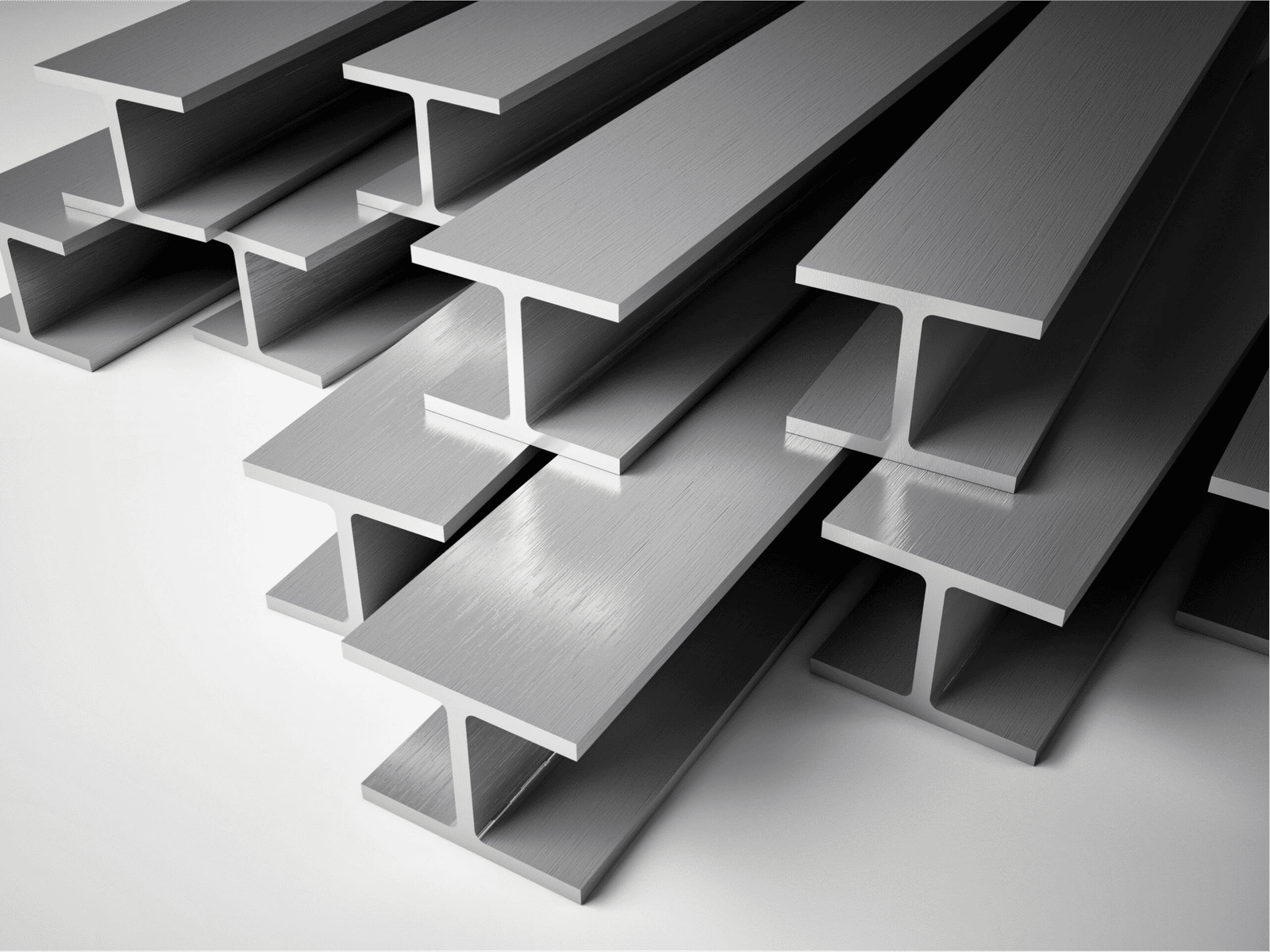
Material consumption and manufacturing complexity account for the cost differential between H beam and I beam. Because of their bigger size and greater strength, H beams are often more expensive, whereas I beams are a more cost-effective choice for lighter applications.
Buyers should take into account more than just the initial cost when assessing the H beam I beam difference in pricing. Although I beam solutions are less expensive initially, in demanding situations they can need more reinforcing. しかし, expenditures on H beams vs. I beams frequently lower structural hazards and long-term maintenance. Weight variations also affect freight costs, particularly for foreign purchasers. このため, rather than concentrating solely on unit price, seasoned importers thoroughly examine the overall project cost.
Are There Standard Sizes and Specifications for I Beam and H Beam?
When sourcing H beam I beam products worldwide, standardization is essential.
International standards, including ASTM, で, そして JIS, are followed in the production of both I beam and H beam. To guarantee constant quality and performance, these standards specify dimensions, tolerances, and material characteristics.
In a global setting, knowing standards makes it easier to understand what the difference is between I beam and H beam. 例えば, EN standards predominate in Europe, whereas ASTM standards are frequently employed in the Americas. Reputable exporters guarantee compliance with several certifications when purchasing from China. Customers comparing H vs. I beams in various markets should pay particular attention to this. さらに, proper certification reduces the likelihood of quality issues and project delays.
Where Can You Find Reliable I Beam and H Beam Suppliers from China?
Knowing the I beam H beam differences and selecting the appropriate provider are equally crucial.
Reputable vendors of H beam I beam items provide reliable delivery schedules, 認証, そして安定した品質. China is a major exporter that offers customers around the world a variety of specifications at cheap prices.
Supplier dependability has a direct impact on project performance for foreign customers, particularly those sourcing for the Middle East or South America. Construction timetables might be completely disrupted by variable quality or delayed supply. このため, seasoned exporters with more than 18 years of experience in the steel industry offer stringent quality control, accommodating terms for payments, and effective logistics. Working with a reliable source guarantees that you will receive the correct product on schedule and within your budget when comparing I beam vs. H beam.
What Are the Advantages and Disadvantages of I Beam vs H Beam?
Knowing the advantages and disadvantages makes it easier to decide whether an I beam or an H beam is preferable.
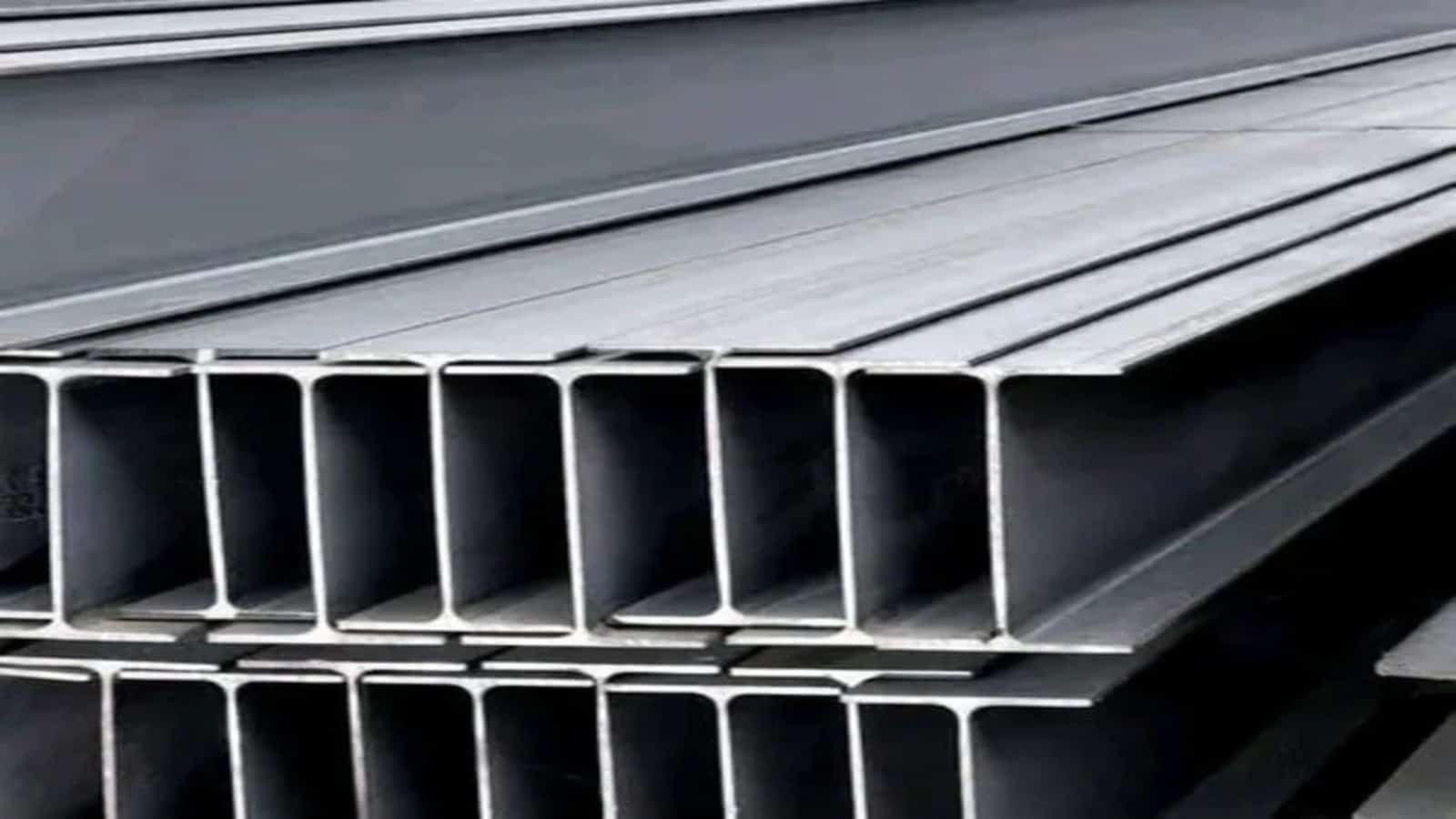
When comparing I beam vs. H beam , I beams are less robust but lighter and less expensive, whereas H beams are more robust and stable but more expensive. Depending on the requirements of the application, each provides benefits.
Comparing benefits makes the H beam I beam difference more evident. Benefits of I beam include reduced cost and easier handling, which makes them perfect for smaller structures. しかし, under high-load situations, its limitations become apparent. Better load distribution and resistance to deformation are two benefits of H beam vs. I beam. Higher material and transportation expenses are a drawback. In the end, deciding between I beam and H beam comes down to striking a balance between cost and performance.
How Do I Beam and H Beam Perform in Different Load-Bearing Conditions?
When it comes to load performance, I beam vs. H beam strength is crucial.
H beam vs. I beam exhibits distinct disparities under various load circumstances. I beams are appropriate for vertical load applications with minimal lateral stress, but H beams perform better under multidirectional loads.
The choice of H vs. I beam in engineering practice frequently depends on the direction and intensity of the load. For basic vertical loads, like floor supports, I beam structures are effective. しかし, H beam I beam comparisons strongly favor H beams in complicated situations, including seismic, wind, or vibration forces. このため, H beams are becoming more and more important in contemporary infrastructure projects. Comprehending these variations in performance guarantees safer and more effective structural construction.
まとめ
You may select the best steel beam, balance strength and cost, and guarantee long-term project safety and efficiency by being aware of the I beam H beam difference.