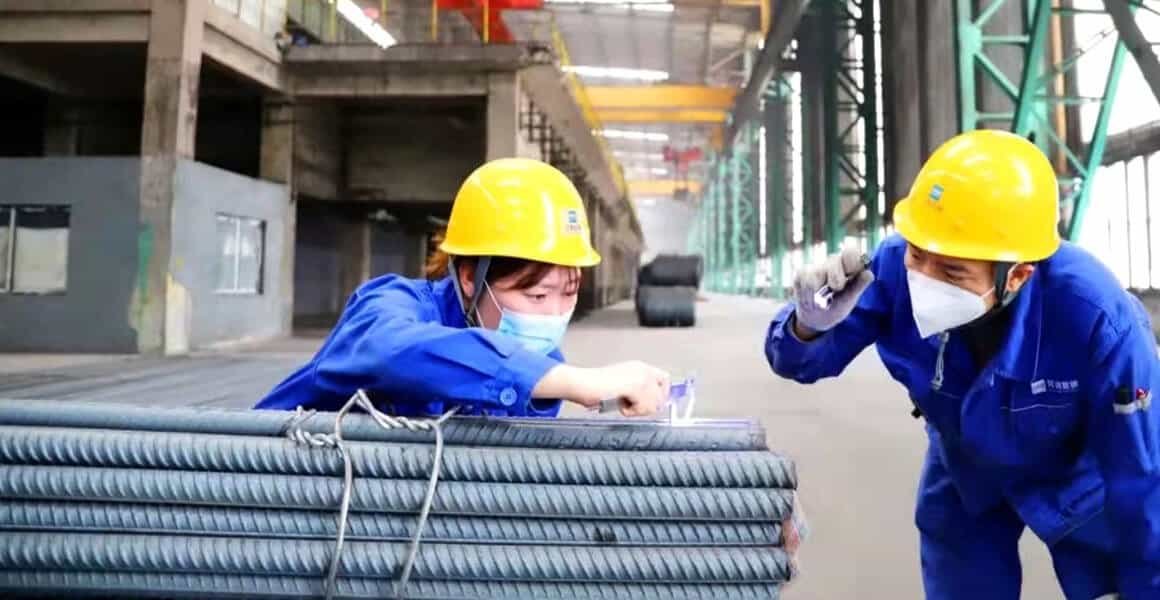
Cracked concrete weakens buildings and shortens their lifespan. Rebar steel solves this by giving concrete the tensile strength and flexibility it naturally lacks.
What is rebar steel and why is it essential in construction? 鉄筋鋼, short for reinforcing bar, is a steel rebar rod or mesh embedded in concrete to increase tensile strength. It prevents cracking, distributes stress, and strengthens concrete rebar structures like bridges and foundations. Used globally, it’s vital for durable and safe reinforced concrete construction.
Let’s explore what rebar is, how it’s made, and why every strong building depends on it.
What Is the Difference Between Steel and Rebar?
While both are made of steel, they serve different purposes. Understanding the differences between steel and rebar helps to explain why rebar steel is so important in construction.
Rebar steel is specifically designed to reinforce concrete. It has ribs or deformations along its surface that allow it to form a strong bond with the concrete. 対照的に, structural steel (such as I-beams or plates) creates visible frameworks while providing compressive and tensile support to the entire structure.
Unlike plain steel, rebars have superior bonding and flexural strength. They operate invisibly within concrete, managing internal tension where concrete alone would fail. Steel and rebar work together to create structures that are strong, flexible, and safe in the face of environmental and mechanical stress.
What Is Steel Rebar Used for?
Concrete is resistant to compression but easily cracks under tension. This is where steel rebar comes in, acting as a muscle within the concrete.
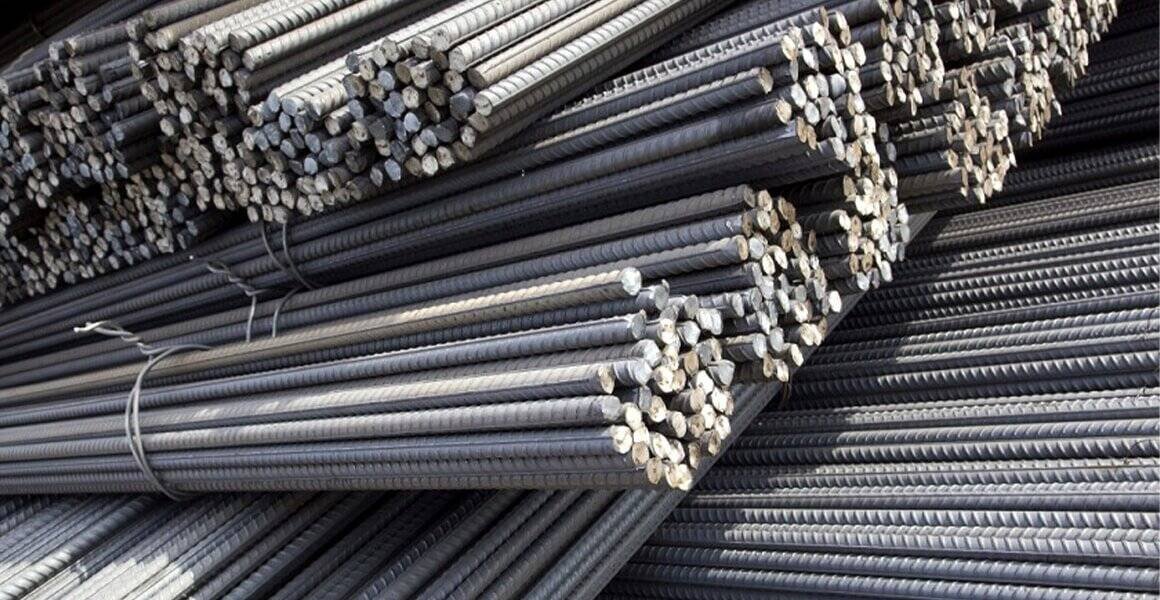
Steel rebar, also known as reinforcing bar, is commonly used in construction projects such as bridges, トンネル, roads, and foundations. What is rebar steel used for? It is used to reinforce and strengthen concrete, thereby improving structural performance and preventing cracks caused by high loads or temperature changes.
Modern infrastructure such as skyscrapers, dams, and highways rely on concrete rebar for stability. Whether in residential slabs or massive bridge decks, properly installed rebars ensure that structures are strong, 耐久性, and resistant to bending or breaking under stress.
What Is Rebar Steel Made of?
To understand its power, we must ask: What is rebar made of?
Rebar steel is typically made from 炭素鋼, which is an iron-carbon alloy. This combination offers both high tensile strength and cost efficiency. しかし, depending on the environment, various types of rebar are used, including stainless steel rebar, 亜鉛メッキ鉄筋, and epoxy-coated rebar.
Each rebar material serves a unique purpose. Carbon steel rebars are most commonly used in standard projects. Stainless rebar can withstand corrosion in coastal or chemical environments. Epoxy-coated rebar is ideal for humid or marine environments. Some manufacturers even make rebars from recycled steel, making them sustainable and environmentally friendly.
したがって, when people ask what rebar steel is made of, the answer varies depending on the construction environment and design objectives—but carbon steel remains the most popular and cost-effective base.
What Grade of Steel Is Rebar?
Not every rebar is the same. Their grade determines strength, ductility, and application.
Most standards, such as ASTM A615, include rebar Grade 40, 学年 60, and Grade 75. Higher grades indicate increased tensile strength. Engineers select a specific grade based on the project’s load-bearing requirements and environmental conditions.
例えば, 学年 40 rebars are used in light construction, such as residential slabs, whereas Grade 75 or even Grade 80 rebars are used in high-rise buildings and bridges that require extreme durability.
When determining what grade of steel is rebar, keep in mind that grade has a direct impact on both rebar price and performance. Higher grades are more expensive, but they last longer, providing better structural safety and lower long-term maintenance costs.
Is Rebar the Toughest Steel?
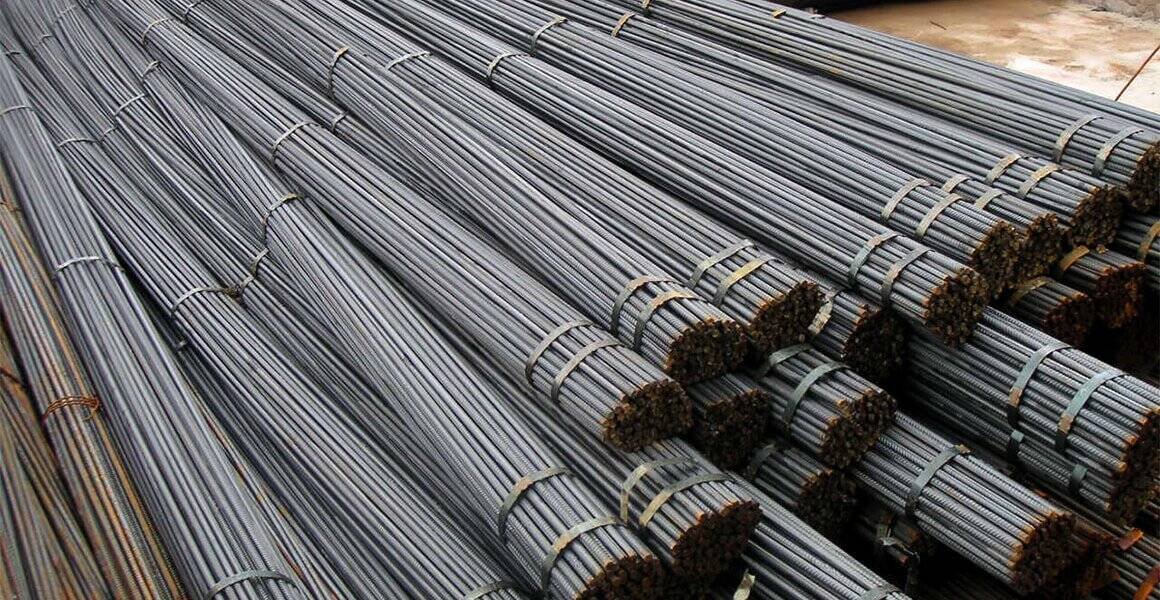
Is rebar steel the toughest? Not exactly, but it is extremely resilient.
Rebar has high tensile and flexural strength, which helps concrete withstand pulling forces. しかし, steels used in tools and machinery (such as high-carbon or alloy steel) are more resistant to impact and wear.
In engineering, toughness refers to a balance of hardness, 柔軟性, and ductility, not just strength. To absorb pressure during earthquakes or heavy loads, reinforcing bar must bend but not break. Steel rebar is considered “tough” in its own category because it provides the ideal balance of strength and flexibility for construction.
Will Steel Rebar Rust?
はい, steel rebar can rust, which is one of the primary challenges of reinforced concrete. Corrosion occurs when rebar material is exposed to water, oxygen, or chloride (via sea air or deicing salts).
Rust expands inside concrete, resulting in cracks and structural damage. To combat this, engineers employ galvanized rebar, epoxy-coated rebar, or stainless steel rebar. These materials are highly resistant to moisture and chemicals.
Good construction practices include providing adequate concrete cover, waterproofing surfaces, and maintaining proper pH levels around rebars. Preventing rust not only protects the rebar steel, but also extends the life of the entire structure.
What Is the Lifespan of Steel Rebar?
The longevity of steel rebar determines how long a building will be safe.
通常, well-protected rebar in concrete can last 75-100 年. The lifespan is determined by the rebar types, the environment, the design of the concrete mix, and the protective measures used. Epoxy-coated or stainless rebars can withstand harsh climates, such as coastal zones, for centuries.
Regular inspections, corrosion monitoring, and proper drainage systems all help to significantly extend the life of concrete rebar. Long-term performance is dependent on the rebar type used and the design for the environment.
When calculating total project cost, it is critical to understand rebar price versus expected lifespan—a slightly higher upfront investment in quality steel rebar can save millions in future repairs.
What Is Rebar Steel in Construction?
今, let’s look at what is rebar and how it works in the construction industry.
Concrete itself is strong in compression but weak in tension. By embedding steel rebar, reinforced concrete gains compressive and tensile strength. Rebar essentially serves as the skeleton that keeps the structure together during stress.
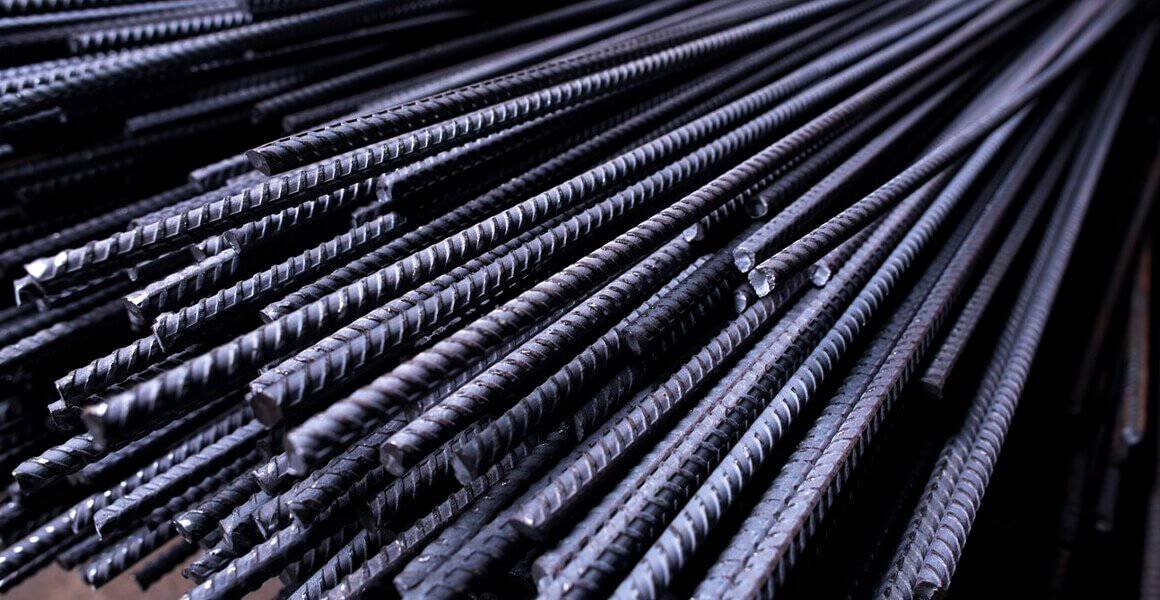
Rebars are placed according to design drawings, wire-tied, and inspected prior to concrete pouring. The proper spacing and positioning of rebars ensures uniform load distribution and crack prevention.
Without rebar steel, concrete structures would crumble under tension, making it the unsung hero of almost every modern building.
What Are the Common Types and Sizes of Rebar?
There are many rebar types and steel rebar sizes, each designed for specific structural demands.
Types of rebar include:
- Mild steel bars—smooth surface, used in light construction.
- Deformed bars—ribbed surface, most common in modern projects.
- Epoxy-coated rebar—used in humid or marine environments.
- Stainless steel rebar—highly corrosion-resistant for coastal use.
- Galvanized rebar—cost-effective protection against rust.
- Fiberglass or GFRP rebar—non-metallic, lightweight, and corrosion-free.
Steel rebar sizes typically range from 6mm to 50mm in diameter. Choosing the appropriate size ensures balanced tension and prevents over-reinforcement, which can lead to cracks or material waste.
Rebar is classified according to grade, type, and size under international standards such as ASTM A615 and BS4449. Engineers choose according to structural load, design code, and environmental exposure.
Choosing the right rebar types and sizes is critical to optimizing both safety and cost. Larger diameters increase strength but raise rebar prices, so engineers must strike the right balance.
まとめ
Rebar steel strengthens concrete, improves safety, and increases structural longevity. Knowing the different types, 成績, and materials helps to build stronger, longer-lasting structures.