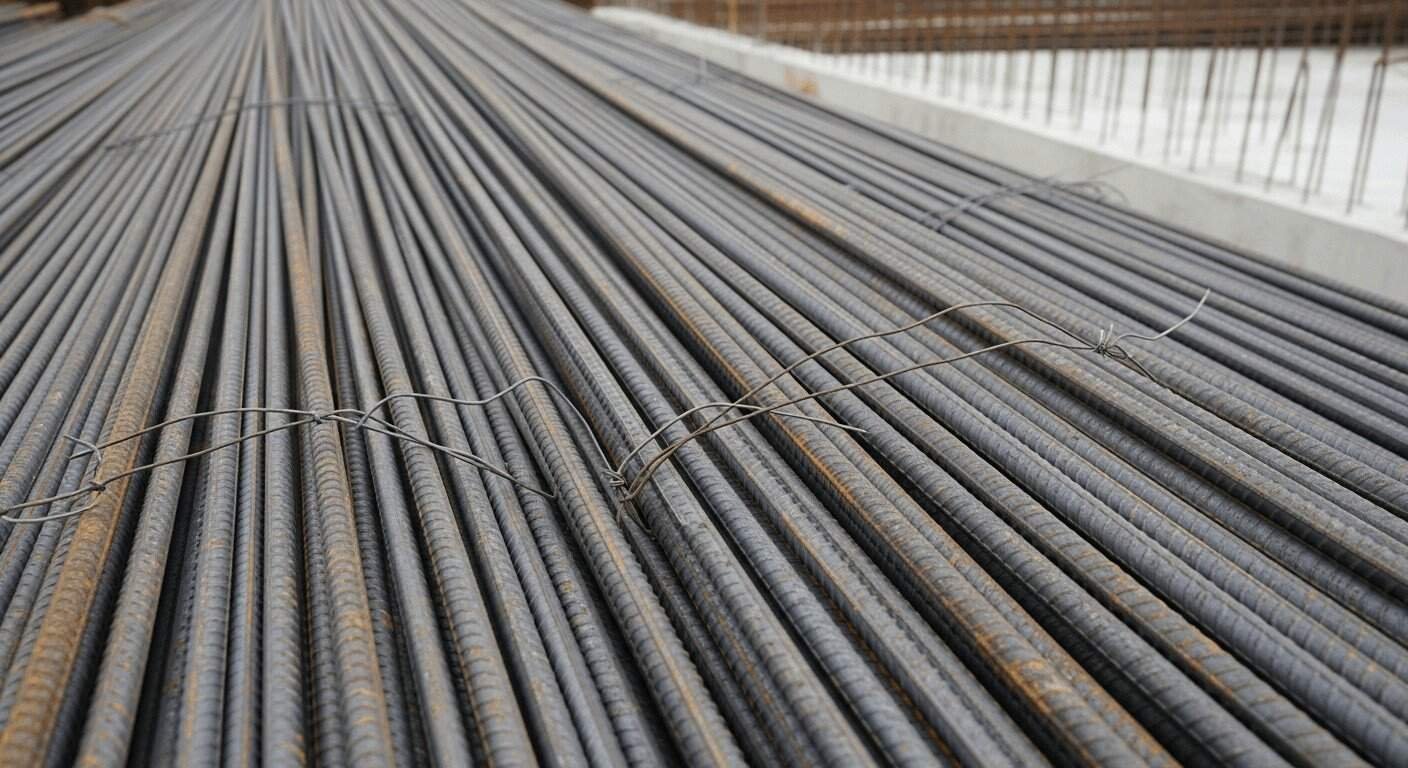
Wrong reinforcement materials can cause corrosion, structural failure, costly repairs, and delayed construction projects for contractors and steel buyers.
The most common rebar types include carbon steel rebar, epoxy-coated rebar, 亜鉛メッキ鉄筋, ステンレス鋼鉄筋, and GFRP rebar. Each option offers different strength, 耐食性, 耐久性, and pricing advantages depending on project environments and construction requirements.
Understanding reinforcement materials helps buyers improve construction safety, reduce maintenance costs, and increase long-term project value.
What Are the Main Rebar Types Used Worldwide?
Depending on project settings, structural specifications, and financial constraints, construction firms employ various reinforcement materials. Selecting the incorrect material could result in decreased durability and more maintenance expenses down the road.
Although coated and stainless alternatives offer superior corrosion protection for harsh situations, carbon steel rebar continues to be the most widely used reinforcement material globally.
For buildings, roads, 橋, airports, および産業施設, the world’s construction sector uses a number of major types of rebar. Carbon steel rebar, epoxy-coated rebar, 亜鉛メッキ鉄筋, ステンレス鋼鉄筋, and GFRP rebar are the most popular varieties of steel rebar.
Strong mechanical performance and affordable pricing make carbon steel reinforcing bars popular. In marine locations with high levels of moisture and salt exposure, stainless steel rebar performs better. For coastal infrastructure projects, epoxy-coated and galvanized items are frequently chosen.
購入する前に, foreign customers also thoroughly compare the types and sizes of rebar. Depending on local requirements, engineers frequently utilize both rebar sizes in millimeters and inches. During procurement and construction planning, contractors can properly convert dimensions with the use of a professional rebar size chart.
How Do Carbon Steel and Stainless Steel Rebar Compare?
When choosing materials for infrastructure, maritime construction, and industrial projects needing lengthy service life, many foreign purchasers evaluate carbon steel and stainless steel reinforcement.
While stainless steel rebar offers better corrosion resistance and less long-term maintenance expenses, carbon steel rebar is more cost-effective and strong.
The most popular kind of rebar steel is 炭素鋼 since it offers exceptional strength at affordable costs. It is extensively utilized in shopping malls, 倉庫, 住宅構造物, and transportation infrastructure.
Chromium and nickel included in stainless steel reinforcement provide a powerful defense against rust and chemical deterioration. Despite their higher initial cost, stainless items frequently result in lower maintenance costs during the course of a project.
Buyers usually compare several factors:
- 耐食性
- Material cost
- Service lifespan
- 溶接性
- Maintenance frequency
Stainless steel reinforcement frequently offers superior long-term economic value for chemical plants, ports, トンネル, and maritime buildings. These days, South America, 東南アジア, and the Middle East are recipients of Chinese producers’ exports of premium stainless reinforcing bars as well as normal carbon steel.
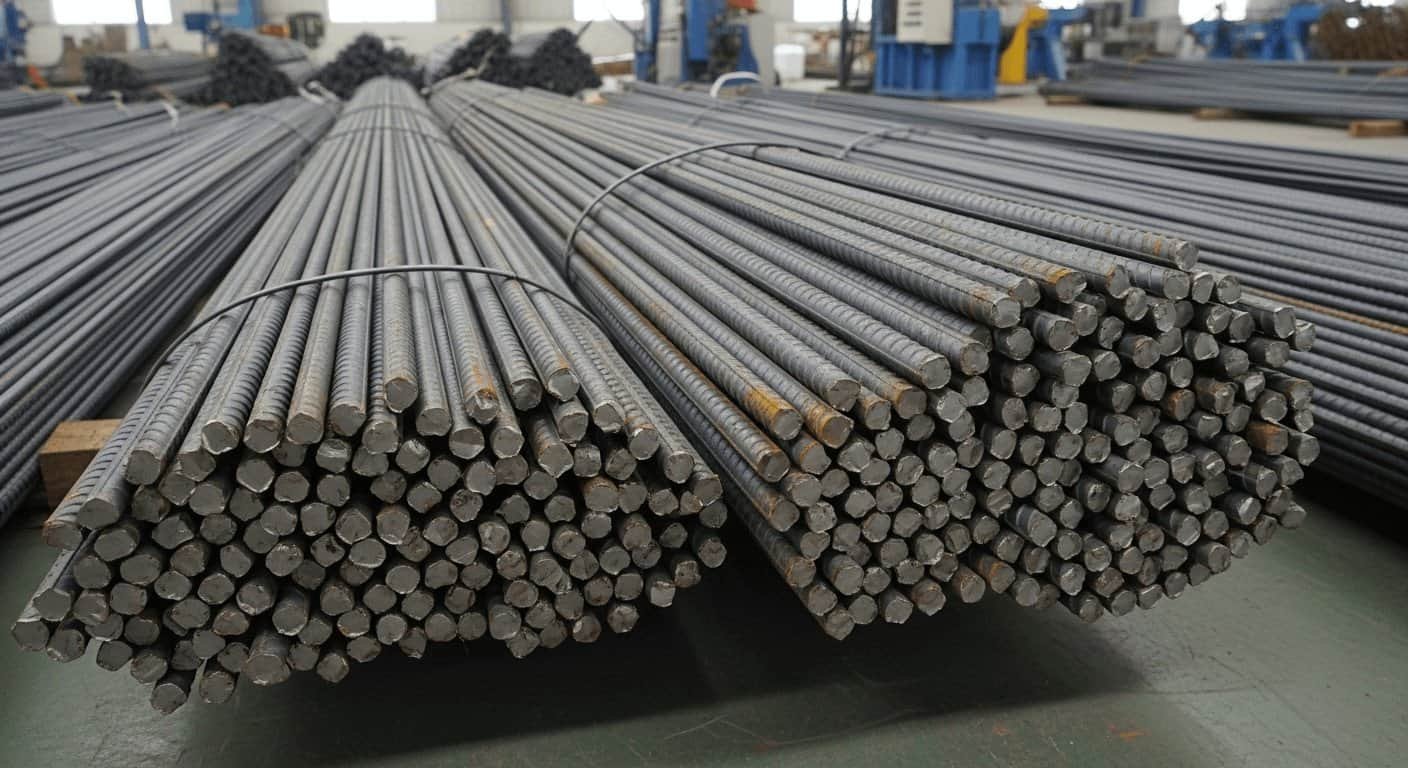
Why Is Epoxy-Coated Rebar Popular in Coastal Areas?
Reinforcement bars are exposed to moisture, 塩水, and chemicals in coastal and marine environments, which can hasten the corrosion of concrete structures.
Epoxy-coated rebar is appropriate for bridges, ports, roads, and coastal building projects since it shields steel surfaces from chemicals and water.
The steel surface of epoxy-coated reinforcing bars is covered in a protective layer of epoxy. By reducing direct contact between steel and moisture, this coating considerably slows down corrosion.
Many governments and contractors use epoxy-coated products for:
- Coastal bridges
- Marine terminals
- Parking garages
- Highway infrastructure
In humid conditions, the coating procedure increases durability. Buyers should be aware, though, that inappropriate handling during shipment or installation could result in damage to epoxy surfaces.
To lower the risk of surface damage, professional exporters typically offer cautious packaging and loading protection. Before making a final procurement decision, buyers should take maintenance costs, estimated lifespan, and environmental factors into account while choosing between different types of rebar.
Is Galvanized Rebar Better Than Epoxy-Coated Rebar?
When choosing corrosion-resistant materials for major infrastructure projects, construction organizations often compare galvanized and epoxy-coated reinforcement bars.
Compared to epoxy coatings, galvanized rebar offers long-lasting zinc protection that is more resistant to corrosion and scratches during construction and shipping.
Hot-dip zinc coating provides protection for galvanized reinforcement bars. Zinc forms a stronger physical barrier by bonding directly to the steel surface, in contrast to epoxy coatings.
Advantages of galvanized products include:
- Stronger coating durability
- Better scratch resistance
- Longer corrosion protection
- Reduced maintenance risks
Many contractors like galvanized items for high-value infrastructure projects because they function dependably under challenging construction conditions, despite the fact that they are typically more expensive than epoxy-coated alternatives.
Buyers should consider project settings, transportation concerns, installation techniques, and long-term maintenance needs when assessing various rebar types and sizes. Selecting the right materials increases structural reliability and lowers future repair costs.
What Rebar Grades and Standards Should Buyers Understand?
Prior to procurement approval, reinforcement materials used in international building projects must meet stringent technical standards and mechanical performance requirements.
To guarantee construction safety and uniformity, ASTM, BS, and ISO standards specify rebar strength, サイズ, chemical composition, and mechanical performance.
Engineering firms and steel importers must comprehend international standards. ASTM A615, ASTM A706, BS4449, and ISO 6935 are examples of common standards.
These standards regulate:
- 降伏強さ
- Tensile strength
- 溶接性
- Surface deformation
- Chemical composition
Many buyers also need accurate rebar sizes in mm and rebar sizes in inches for engineering compatibility. A reliable rebar size chart allows project teams to convert measurements correctly between metric and imperial systems.
例えば:
| Metric Size | Imperial Size |
| 10 mm | #3 |
| 12 mm | #4 |
| 16 mm | #5 |
| 20 mm | #6 |
Professional suppliers should provide mill test certificates, inspection reports, and material certifications before shipment.

Which Rebar Types Offer the Best Corrosion Resistance?
In harsh construction conditions, corrosion resistance has a direct impact on infrastructure longevity, maintenance costs, and long-term structural safety.
For maritime, humid, and chemical situations, stainless steel and galvanized reinforcing bars often offer the best corrosion resistance.
One of the biggest problems in reinforced concrete building worldwide is corrosion. 時間とともに, industrial chemicals, moisture, 塩分, and acid rain can damage steel reinforcing.
Stainless steel typically offers the best 耐食性 of all steel rebar varieties. Because zinc shields exposed steel surfaces, galvanized goods also function very effectively.
Some modern projects also use GFRP reinforcement because it does not rust. しかし, GFRP products are more expensive and less common than traditional steel materials.
When comparing rebar types and sizes, contractors should evaluate:
- Environmental conditions
- Maintenance budgets
- Project lifespan
- 構造荷重要件
Higher-quality materials often reduce total ownership costs over decades of service.
How Do Chinese Rebar Suppliers Compete in Global Markets?
Because of its robust manufacturing capacity, effective supply chains, and affordable production costs, China continues to rank among the top exporters of steel worldwide.
Stable manufacturing, reasonable pricing, export experience, and international quality certifications are some of the ways Chinese suppliers draw in foreign customers.
ブラジル, チリ, Peru, メキシコ, 東南アジア, and the Middle East are among the nations to which Chinese steel producers sell reinforcement goods. Because Chinese manufacturers can provide big production capacity and flexible customization, many foreign clients purchase rebar kinds from China.
Chinese suppliers commonly provide:
- ASTM standard rebar
- BS standard reinforcement bars
- Customized diameters and lengths
- Galvanized and coated products
Expert exporters also assist with loading supervision prior to shipment, BV inspections, and SGS inspections.
Stable delivery schedules and prompt communication are important purchase variables for a lot of distributors and construction organizations. Skilled vendors assist purchasers in lowering logistical risks and effectively adhering to project schedules.
What Quality Inspections Are Important When Buying Rebar?
Inadequate reinforcing materials can result in major safety hazards, costly project delays, and financial losses for distributors and construction firms.
Before shipment and installation, expert examinations should confirm dimensions, 表面品質, chemical composition, and tensile strength.
When buying foreign reinforcement materials, quality control is crucial. Prior to approving shipment, buyers should thoroughly examine both mechanical performance and physical appearance.
Important inspection items include:
- Yield strength testing
- Tensile strength analysis
- Diameter verification
- Surface defect inspection
- Weight tolerance checking
In international steel commerce, third-party inspection firms like SGS and BV are frequently utilized. For shipment verification, buyers may also ask for loading images and mill test certifications.
On construction sites, it is helpful to thoroughly check rebar diameters in millimeters and inches to prevent installation issues. For engineering reference and procurement assistance, reputable suppliers typically offer comprehensive rebar size chart documentation.
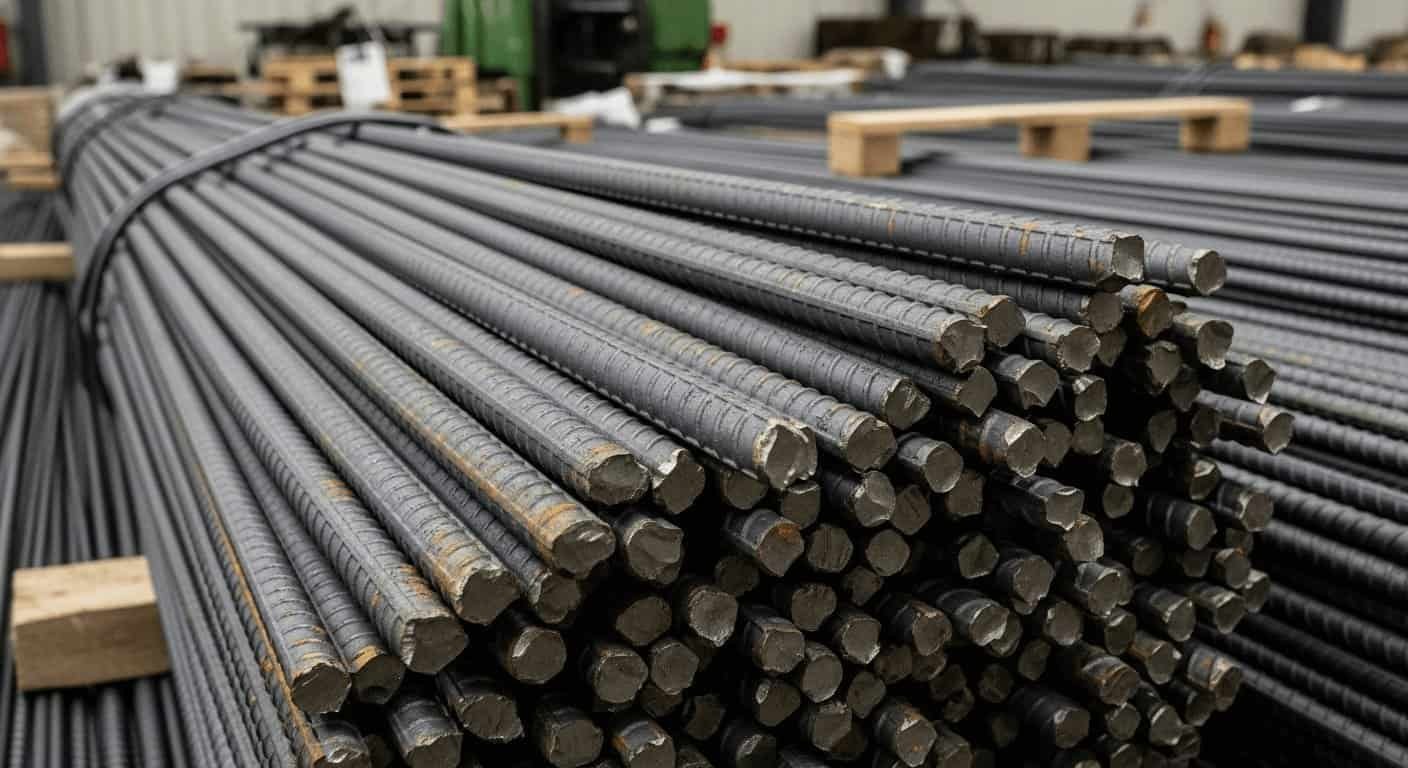
How Can Buyers Choose Reliable Rebar Suppliers?
During international steel trading, choosing dependable suppliers helps customers avoid shipment delays, uneven quality, communication issues, and expensive conflicts.
Certifications, consistent delivery dates, expert export assistance, and open communication throughout the transaction process are typically offered by dependable サプライヤー.
For steel distributors and construction companies, selecting a reliable supplier is crucial. Before working together, buyers should look at export records, manufacturing capacity, quality control methods, and client feedback.
Key evaluation factors include:
- Export experience
- Factory certifications
- Production capability
- Inspection procedures
- Delivery performance
Expert suppliers are familiar with both international trade protocols and technical specifications. さらに, buyers should inquire about the types and sizes of rebar that are available, terms of payment, packaging options, and logistics assistance.
Shipping paperwork, customs processes, and container loading are typically handled more effectively by factories with extensive export experience. Long-term partnership success is also enhanced by effective communication and dependable after-sales support.
What Factors Affect Rebar Prices in International Trade?
The cost of raw materials, freight rates, energy prices, and variations in international market demand all contribute to the ongoing swings in global steel pricing.
The cost of iron ore, coating ingredients, freight costs, production standards, and shifting global supply-demand dynamics are the primary factors influencing rebar prices.
In international markets, reinforcing bar prices are influenced by a number of important elements. Among the main factors influencing manufacturing costs are the pricing of iron ore and scrap steel.
Other important pricing factors include:
- Energy costs
- Ocean freight rates
- Currency exchange rates
- Government trade policies
- Regional construction demand
Pricing is also greatly impacted by the variety of rebar steel products. The most affordable alternative is often standard carbon steel reinforcement, but stainless and galvanized items are more expensive due to additional processing and alloy elements.
More raw materials and more expensive transportation are needed for larger rebar kinds and sizes. By suggesting appropriate specifications and supply timetables, seasoned suppliers frequently assist consumers in optimizing their purchasing strategy.
まとめ
Selecting appropriate rebar kinds strengthens structural safety, lowers maintenance costs, increases construction durability, and aids foreign buyers in achieving long-term project profitability.