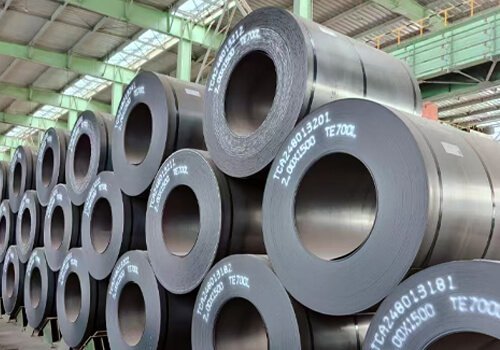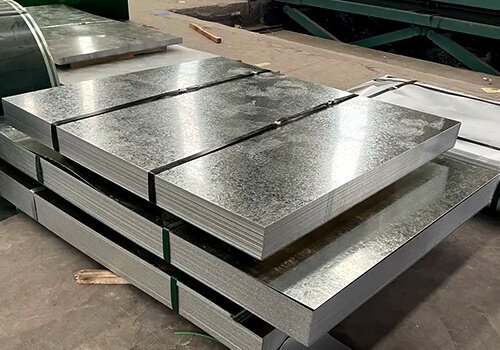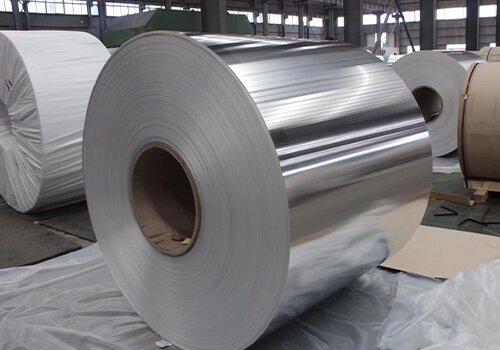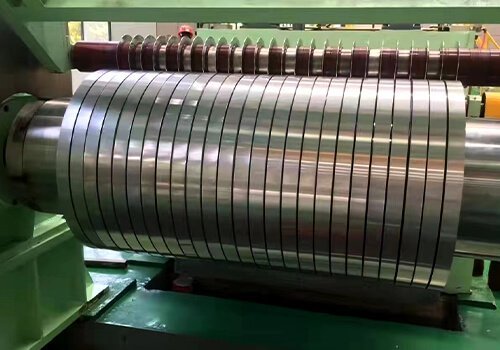
Choosing the wrong galvanized sheet size creates waste, delays projects, and increases costs. Many buyers overlook sizing details. Understanding the right dimensions helps maximize efficiency and profitability.
The best way to choose a galvanized sheet size is to match the sheet dimensions, 厚さ, application requirements, fabrication process, transportation method, and budget. By selecting the correct size and specification, buyers can reduce material waste, lower logistics costs, improve production efficiency, and ensure the finished product meets quality and performance requirements.
Let’s explore the key factors that help buyers select the most suitable galvanized sheet dimensions.
What Is the Standard Galvanized Sheet Size Available in Global Markets?
Understanding the dimensions that are typically accessible globally is the first step in choosing the appropriate galvanized sheet size. Manufacturers create galvanized sheets in a range of widths, lengths, and thicknesses for use in a variety of industries, including infrastructure projects, appliance manufacture, 自動車製造, そして建設.
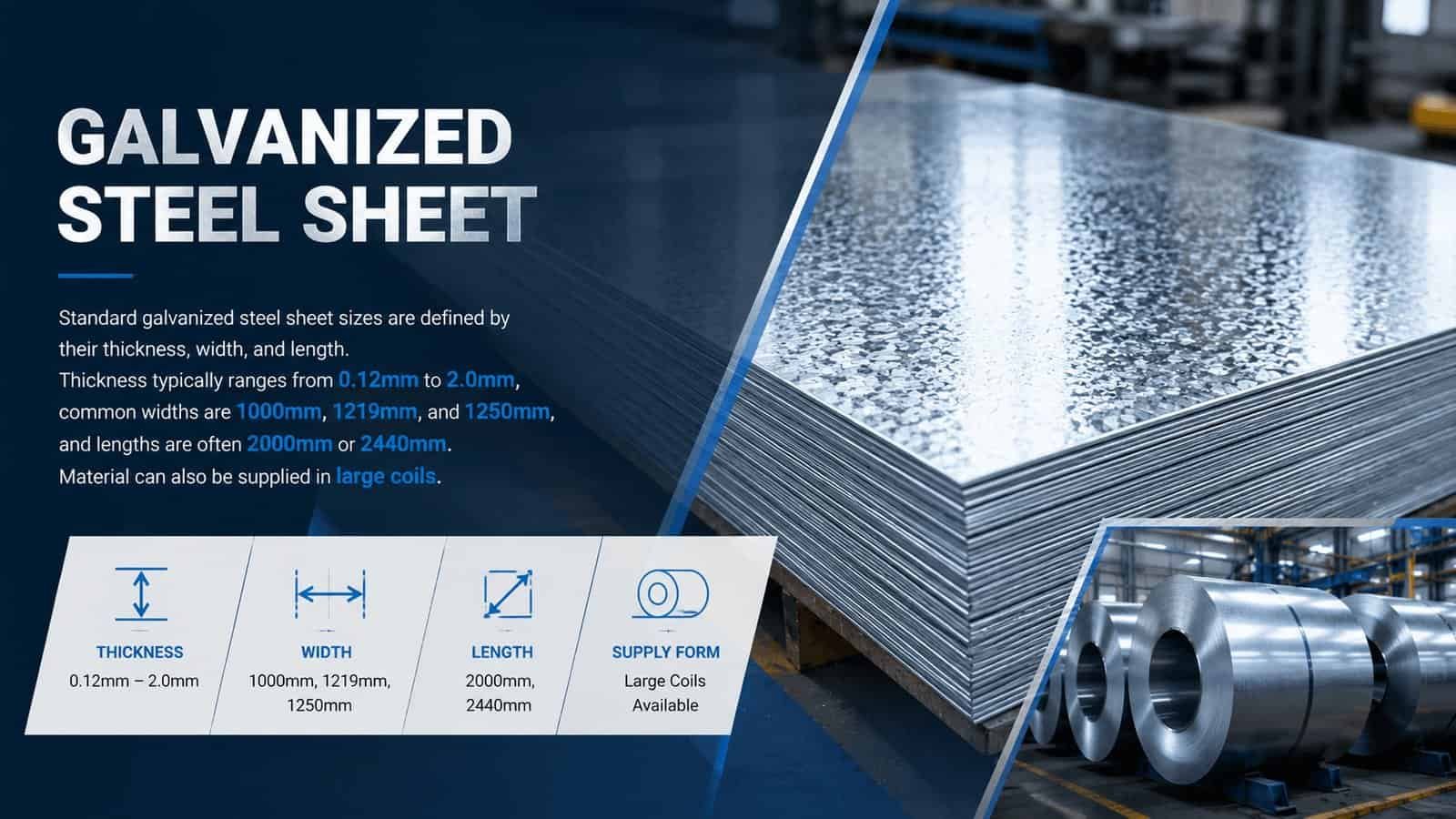
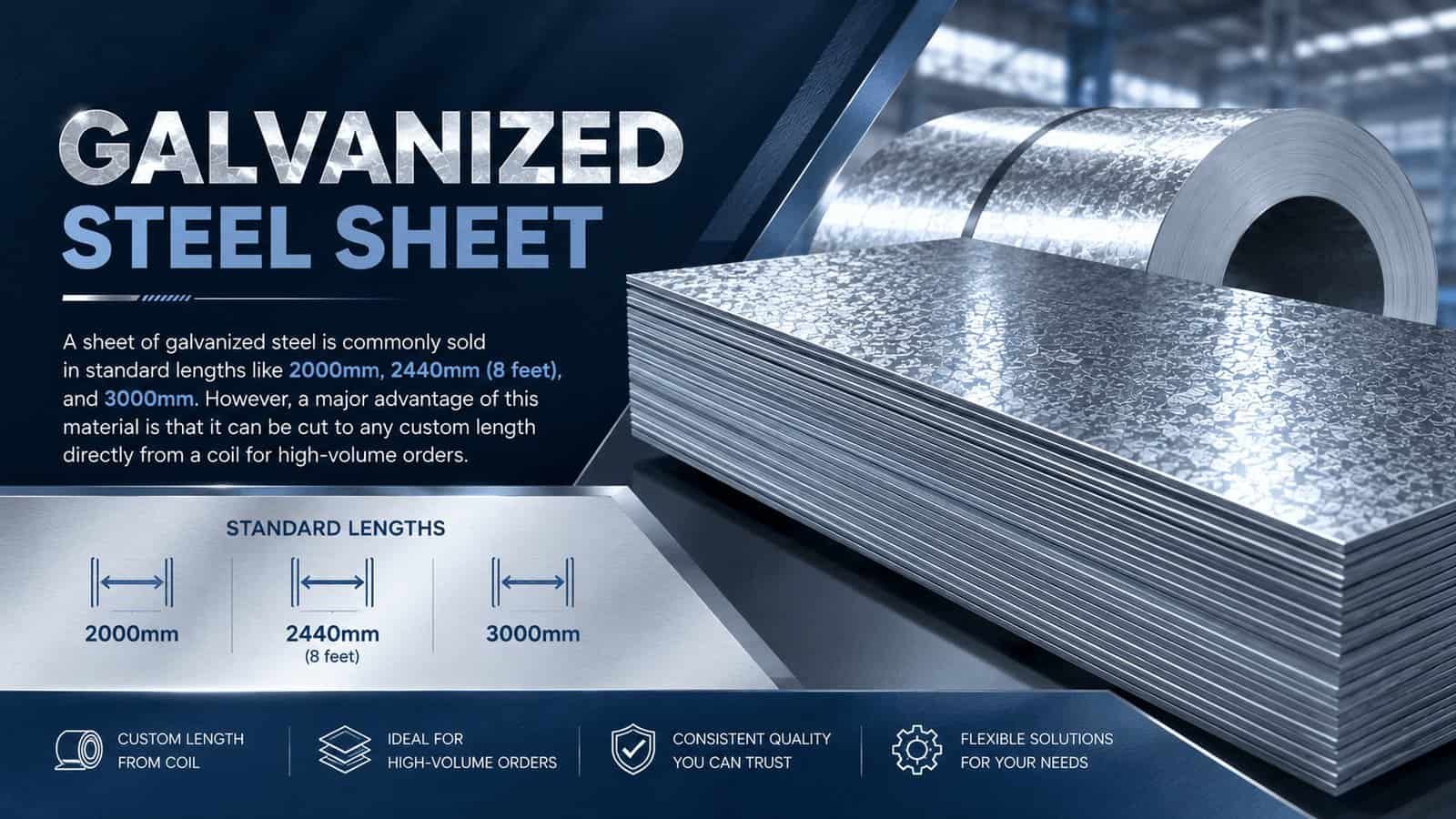
The most popular standard widths for 亜鉛メッキシート are 1000 mm, 1219 mm, 1250 mm, そして 1500 mm. Depending on the needs of the client, lengths normally vary from 2000 に 6000 mm. 通常, thicknesses range from 0.12 に 6.0 mm. These dimensions adhere to important industrial standards and are generally accepted in global markets.
Suppliers usually give consumers comprehensive information about width, 長さ, 厚さ, coating weight, and mechanical qualities when they request a galvanized sheet sizing chart. Importers can correctly evaluate quotes and select products that meet project specifications without incurring needless customized fees by being aware of these common dimensions.
How Does Galvanized Sheet Size Affect Material Costs?
One of the most crucial considerations when buying galvanized steel items is the cost of the materials. The choice of galvanized steel sheet size has a direct impact on the amount of raw materials used, the effectiveness of manufacturing, and the total cost of the project.
Cutting waste during fabrication is decreased by choosing the right sheet size. 例えば, less material is thrown away if a construction company buys sheets that closely match the final dimensions required for wall panels or roofs. 結果として, production costs are reduced and yield is increased. 一方で, poorly chosen dimensions can result in additional scrap and increased costs.
Galvanized sheet metal sizes have an impact on storage and transportation expenses in addition to material usage. Bigger sheets might need more warehousing space or specific handling tools. Therefore, while choosing a sheet size, consumers should consider overall ownership costs rather than just the initial purchase price.
Which Galvanized Sheet Size Is Best for Construction Projects?
One of the biggest uses for 亜鉛メッキ鋼板 is in construction projects. Project schedules, structural performance, and installation efficiency can all be greatly impacted by the choice of galvanized sheet size.
Contractors frequently favor sheets with fewer overlapping connections for roofing systems. Greater surface area can be covered by larger dimensions, which shortens installation times and increases weather resistance. Dimensions for wall cladding applications are frequently chosen in accordance with architectural specifications and building design.
The environment and load requirements of the project determine the optimal standard for galvanized steel sheets. Residential projects, commercial structures, 倉庫, and industrial facilities all have varied needs. In order to guarantee that the chosen sheet size and thickness offer the required performance while being economical, suppliers should be consulted throughout the design phase.
How Do Thickness and Galvanized Sheet Size Work Together?
Sheet size and thickness should always be assessed jointly. Although many consumers prioritize width and length, thickness is just as significant in influencing the weight and performance of a product.
Deformation during handling or installation may result from bigger galvanized steel sheet sizes paired with inadequate thickness. 一方で, choosing too much thickness may result in needless expense increases. The intended use, structural specifications, and environmental factors all influence the proper balance.
Both dimensions and thickness characteristics should be carefully considered by buyers when examining a galvanized sheet size chart. These variables are used to calculate weight, which affects handling practices, installation techniques, and transportation expenses. Knowing how thickness and size relate to one another enables consumers to make well-informed purchases.
Can Custom Galvanized Sheet Size Orders Improve Project Efficiency?
Standard items are unable to adequately satisfy the particular requirements of many projects. Customized galvanized sheet size orders might offer significant advantages in such circumstances.
Manufacturers can create sheets that precisely match the buyer’s requirements thanks to custom measurements. This minimizes waste, cuts down on cutting processes, and shortens manufacturing cycles. Because less processing is needed prior to installation or assembly, fabricators may frequently increase efficiency.
Custom orders may result in somewhat higher production costs, but overall savings can be substantial. The extra production cost is frequently outweighed by reduced labor, decreased scrap rates, and enhanced workflow. Customized galvanized steel sheet specification solutions can provide good long-term value for large-volume applications.
What Are the Most Popular Galvanized Sheet Size Options for Distributors and Wholesalers?
Distributors and wholesalers have to strike a balance between market demand and inventory availability. Stock management and profitability can be enhanced by knowing which standard galvanized sheet sizes are most popular.
The most common widths in various foreign markets are 1000mm, 1219mm, and 1250mm. Construction firms, manufacturers, and processing facilities frequently need these measurements for a variety of purposes. Distributors can promptly address consumer inquiries by keeping these products in stock.
To satisfy different client needs, successful wholesalers frequently keep a wide variety of galvanized sheet metal sizes in stock. Distributors can minimize storage expenses and maximize inventory levels while providing superior customer service by examining regional demand patterns and purchasing habits.
How Does Galvanized Sheet Size Influence Shipping and Logistics Costs?
Particularly for foreign purchasers importing steel products from foreign suppliers, shipping charges might account for a sizeable amount of total procurement costs.
Container loading efficiency is impacted by the size of a galvanized sheet. Standard shipping container-sized sheets optimize available space and lower transportation expenses per ton. Logistics costs may increase if oversized sheets need special packaging or other shipment methods.
さらに, buyers should take handling, warehousing, and unloading requirements into account. Cranes and forklifts are examples of specialized machinery that may be needed for larger galvanized steel sheet size items. Prior to placing an order, assessing the logistical requirements helps avoid unforeseen expenses and operating difficulties.

What Quality Standards Should Buyers Check When Ordering Galvanized Sheet Size Products?
When obtaining galvanized steel goods from overseas, quality control is crucial. The relevant standards for the galvanized steel sheet specification they have selected should constantly be reviewed by buyers.
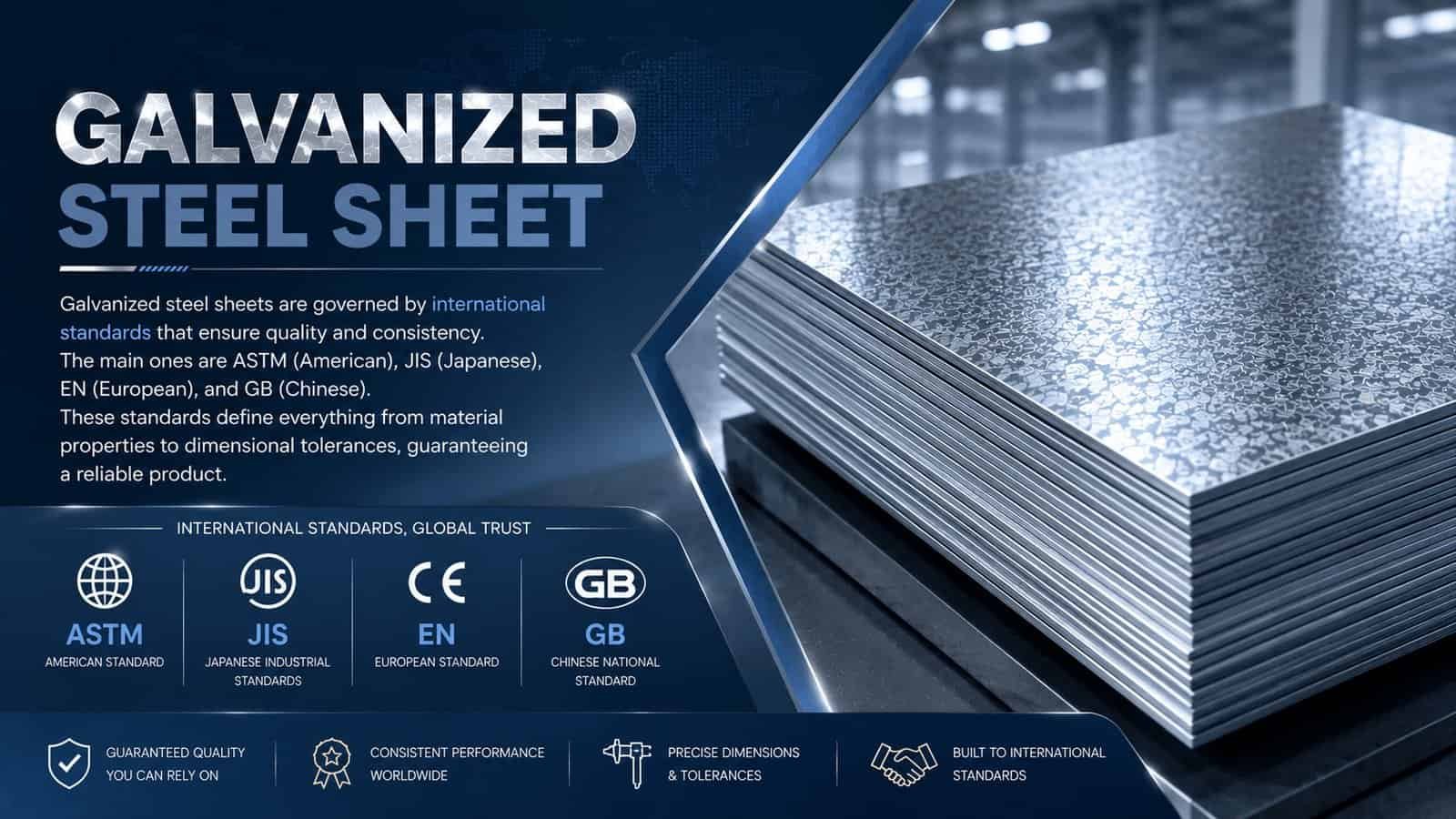
ASTM A653, で 10346, JIS G3302, and various regional requirements are examples of common standards. These standards specify specifications for surface quality, dimensional tolerances, mechanical characteristics, and coating thickness. Adherence to established norms offers assurance on the functionality and longevity of the product.
Buyers should ask for inspection reports, 工場試験証明書, and coating verification documentation in addition to examining standards. Reputable vendors usually offer thorough documentation to back up their product specifications and galvanized sheet size chart. Extensive quality control lowers risks and ensures the long-term viability of the project.
How Can Buyers Calculate the Weight of Different Galvanized Sheet Size Specifications?
Because it affects project budgets, handling requirements, and shipping costs, weight estimation is a crucial phase in the procurement process.
The following formula is commonly used to determine the weight of galvanized steel sheets:
長さ (メートル) × Width (メートル) × 厚み (mm) × 7.85 = Weight (kg) Before taking into account changes in zinc coating, this calculation gives an approximate weight. This method allows buyers to compare several galvanized steel sheet size alternatives and determine shipping costs.
A comprehensive galvanized sheet sizing chart with theoretical weights for different thicknesses and dimensions is offered by many providers. These charts make buying selections easier and assist consumers in assessing the financial implications of various specifications. Better planning and cost control are facilitated by accurate weight calculations.
What Factors Should Importers Consider Before Selecting a Galvanized Sheet Size Supplier?
Just as crucial as choosing the appropriate product is choosing the proper provider. Customers can prevent delays, poor quality, and unforeseen expenses by working with a dependable supplier.
Importers should assess export experience, certification compliance, production capacity, and quality control methods. In general, suppliers with a lot of overseas expertise are better able to handle shipping logistics, packing requirements, and documentation. さらに, they may offer expert advice on the best sizes of galvanized sheet metal for particular uses.
Another important consideration is lead time consistency. Project disruptions and lost sales opportunities can result from delayed supplies. Purchasers want to collaborate with vendors who uphold reliable quality control procedures and production scheduling methods. While guaranteeing dependable delivery and constant product quality, seasoned exporters may assist clients in choosing the proper galvanized steel sheet specifications.
まとめ
It is necessary to balance application requirements, quality standards, logistics efficiency, and cost concerns while selecting the appropriate galvanized sheet size. Buyers can improve project outcomes and increase revenue by choosing trustworthy suppliers, studying a galvanized sheet size chart, and comprehending conventional galvanized sheet sizes.