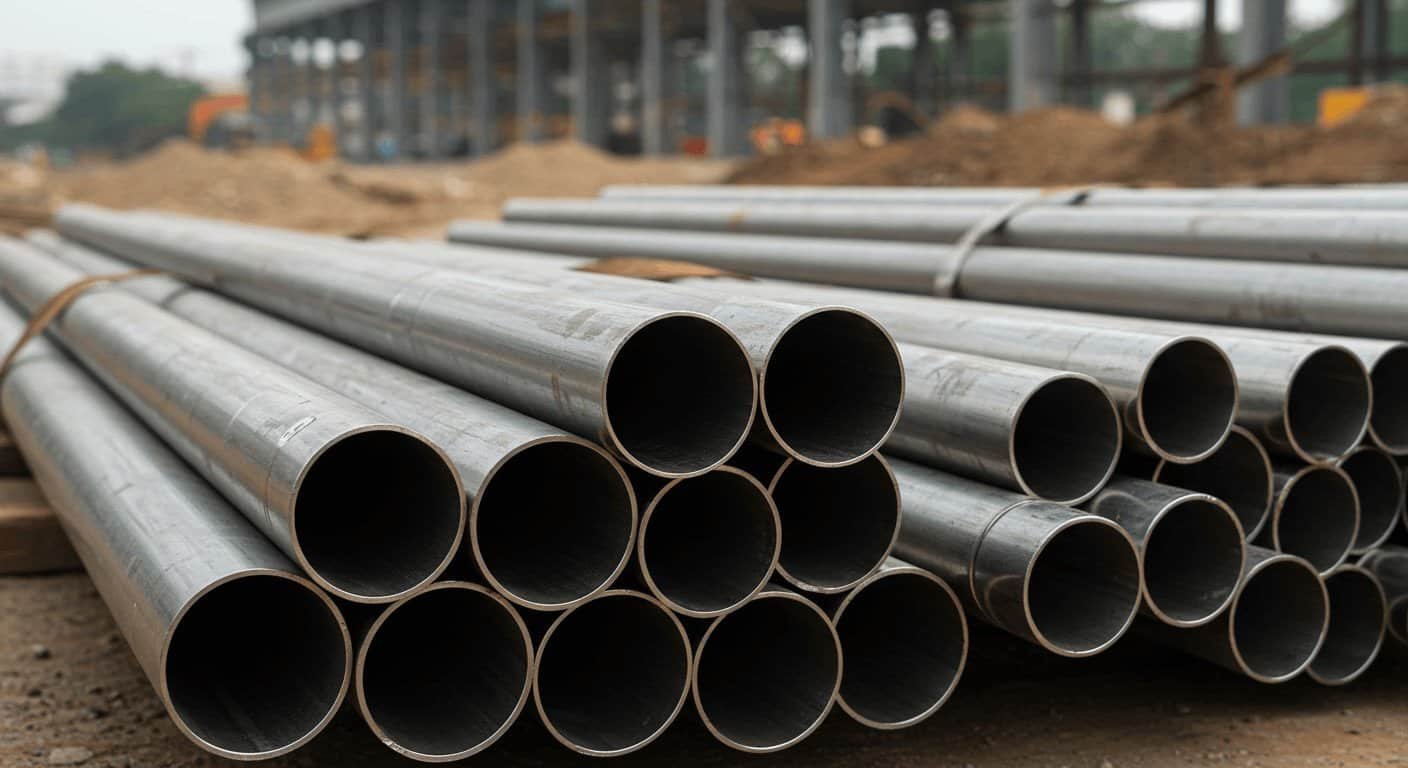
Choosing the right grades of stainless steel can be confusing. Many engineers and buyers struggle to match performance, 耐久性, and cost when selecting materials for construction or manufacturing.
What are the different grades of stainless steel and how do they affect performance? The different grades of stainless steel define their chemical composition, 強さ, および腐食抵抗. 304 ステンレス鋼, 316 ステンレス鋼, そして 201 stainless steel are the most common types. Each grade offers unique properties suited for specific uses—from kitchenware to heavy industries—based on the balance between stainless steel composition, performance, コスト.
Let’s explore the major types of stainless steel grades and discover which one fits your needs best.
What Do Stainless Steel Grades Mean?
When people talk about ステンレス鋼 成績, they are referring to a classification system that evaluates the alloy’s composition, structure, とパフォーマンス.
Each grade represents a distinct combination of metals, such as iron, クロム, nickel, and molybdenum. The stainless steel composition determines its hardness, yield strength, および腐食抵抗, which influence where it is best used.
In essence, austenitic grades of stainless steel (のような 304 ステンレス鋼) contain more nickel and chromium, providing better corrosion resistance and formability. Ferritic and martensitic grades have less nickel, making them less expensive but less ductile. The stainless steel grade chart simplifies this complexity by organizing each type’s mechanical and chemical properties so that engineers can quickly compare them.
How Many Grades of Stainless Steel Exist?
There are hundreds of different stainless steel grades, but the majority of them fall into four categories: austenitic, ferritic, martensitic, and duplex.
Each family has a unique microstructure and performance. Austenitic stainless steel (のような 304 そして 316) is nonmagnetic and highly corrosion resistant. Ferritic types resist oxidation but are magnetic. Martensitic grades are tough and hard, whereas duplex grades offer both strength and corrosion resistance.
When engineers ask how many grades of ステンレス鋼 there are, they frequently refer to the primary stainless steel levels within each family. In practice, there are over 150 standard grades, which are listed in stainless steel grade explained charts used by manufacturers all over the world.

What Are the Most Common Grades of Stainless Steel?
Among hundreds of grades, a few stand out in global markets due to their balance of quality and affordability.
The most popular are 304 ステンレス鋼, 316 ステンレス鋼, そして 201 stainless steel. These different grades of stainless steel account for more than 80% of global production.
- 304 stainless steel is a versatile material used in appliances, sinks, and pipes. It withstands rust and stains well.
- 316 ステンレス鋼, with added molybdenum, is ideal for marine and chemical environments.
- 201 stainless steel is a low-cost alternative with less nickel but slightly lower corrosion resistance.
Each material’s cost, like the 304 stainless steel price or 304 vs 316 price difference,depends on alloy content and global metal prices.
どちらが良いですか, 316 または 304 ステンレス鋼?
One of the most popular online comparisons is stainless steel grade 304 vs. 316. Both are austenitic grades of stainless steel, but their characteristics differ.
Because of its molybdenum content, 316 stainless steel has superior corrosion resistance, making it ideal for use in harsh, salty, or chemical environments. 304 stainless steel performs well in most conditions and is less expensive.
If your application requires marine, pharmaceutical, or chemical exposure, select 316. For kitchenware, 工事, or indoor use, 304 is sufficient. The 316 stainless steel data sheet shows its higher stainless steel yield strength and durability, which explains why it is frequently referred to as one of the best grades of stainless steel.
What Is the Cheapest Grade of Stainless Steel?
When it comes to pricing, understanding stainless steel ratings and composition can help you avoid paying too much for unnecessary quality.
201 stainless steel is typically the least expensive corrosion resistant steel grades. It has less nickel and more manganese, retaining adequate strength while lowering costs.
Although less expensive, 201 stainless steel is more likely to rust in humid or coastal environments than 304 ステンレス鋼. It is commonly used for indoor decorative panels, cookware handles, and structural purposes. Always consult a stainless steel grades chart before making a decision to ensure that you meet your project’s stainless steel strength requirements.

What Is the Highest Quality Stainless Steel?
Not all stainless steels are the same. Some perform exceptionally well in extreme temperatures and chemical environments.
Because of their strength, toughness, and chemical resistance, 316 stainless steel and duplex stainless steels are considered to be of the highest quality.
In industrial terms, the best grades of stainless steel are those that combine mechanical strength, weldability, and durability. Duplex and super austenitic grades outperform 304 in offshore environments. These grades appear in stainless steel types and properties guides for critical projects such as oil pipelines and desalination plants.
How Can You Tell if Stainless Steel Is High Quality?
Visual inspection alone is insufficient to determine stainless steel level or quality.
Inspect for certification marks, chemical tests, and magnetism. Austenitic grades of stainless steel, のような 304 そして 316, are nonmagnetic and corrosion-resistant, indicating high quality.
If a magnet sticks strongly, it is probably a lower-grade ferritic or martensitic type. Examine documentation such as grades of stainless steel pipe or grades of stainless steel flatware specifications to confirm authenticity. プロフェッショナル向け, comparing data from a stainless steel grades chart ensures accurate stainless steel composition and performance.
What Are the Disadvantages of Stainless Steel?
Regardless of its reputation,even material stainless steel has some drawbacks that should be noted.
The main concerns are the high initial cost, machining difficulty, and the possibility of surface rust (as seen with 304 stainless steel rust). Related content:
Although stainless steel is durable and recyclable, it is heavier and more expensive than アルミニウム or coated steel. Improper surface treatment can result in contamination or discoloration. When balancing performance and economy, comparing 410 vs 304 stainless steel can help identify the best balance of stainless steel strengths and maintenance requirements.
Which Stainless Steel Grade Is Best for Corrosion Resistance?
If corrosion is your primary concern, pay close attention to the alloy content.
Because of the added molybdenum, 316 stainless steel outperforms other common grades. Duplex and super austenitic grades provide excellent corrosion resistance in seawater and acidic environments.
The stainless steel grades chart shows that the levels of chromium and nickel have a direct impact on resistance. While 304 stainless steel is suitable for indoor use, 316 stainless steel is preferred in the marine and medical industries due to its resistance to chloride and salt damage.
How to Choose the Right Stainless Steel Grade for Your Project?
Choosing between different grades of stainless steel depends on your environment, stress level, and budget.
Consider corrosion risk, mechanical requirements, and appearance. Use stainless steel ratings and technical data to help you decide.
Use 316 in high humidity or chemical areas. 304 is suitable for a variety of indoor applications. For cost-sensitive projects, 201 is appropriate. When determining what grades of stainless steel are magnetic or comparing 304 vs 316 price difference,consult official standards and サプライヤー data to ensure optimal performance and cost efficiency.
まとめ
Choosing the appropriate grades of stainless steel ensures strength, 耐食性, and value. Always match the alloy’s properties to your project’s environmental and durability requirements.