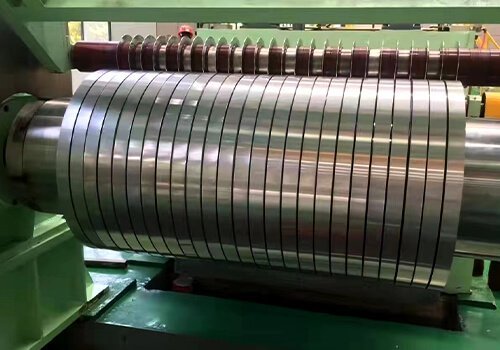
Are you confused about galvanized steel vs steel? Choosing the right material can be challenging when both types of steel seem similar. Let’s clear up the confusion and explore the differences to help you make the best choice.
What’s the difference between galvanized steel vs steel? Galvanized steel is coated with zinc to prevent rust, making it ideal for outdoor use, while regular steel lacks this protection and may corrode over time. Understanding the key differences will guide your decision, whether it’s durability, 強さ, or cost.
今, let’s dive deeper into the characteristics, advantages, and common misconceptions about galvanized steel vs steel.
What Is Galvanized Steel?
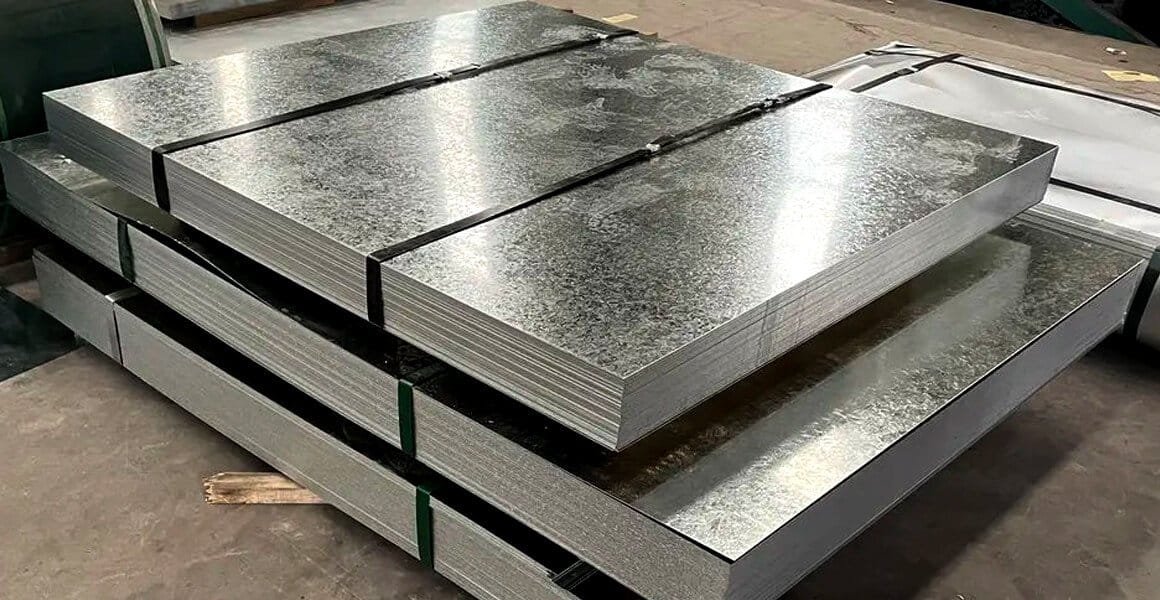
Galvanized steel is steel that has been coated with zinc for protection. This process, known as galvanization, adds a layer of corrosion resistance, making it extremely durable in environments where rust and moisture are present.
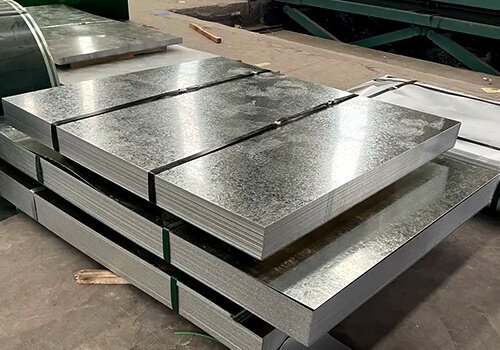
Galvanized steel is made by applying a layer of zinc to regular steel via hot-dip galvanizing or electroplating. This protective zinc layer makes it more resistant to corrosion than regular steel, particularly when exposed to moisture.
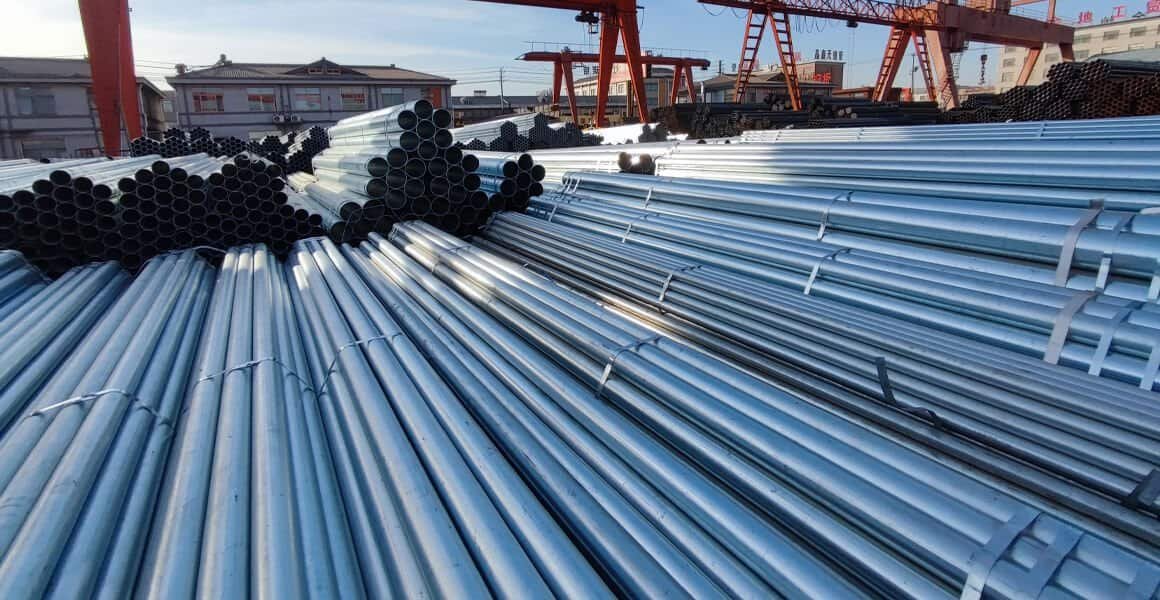
The galvanization process offers significant advantages in industries where steel is subjected to harsh weather or moisture. Galvanized steel sheets are widely used in roofing, フェンシング, and pipes, making them ideal for construction, 自動車, and infrastructure projects.However, while galvanized steel has excellent corrosion resistance, the zinc layer can cause brittleness in certain applications, so it is critical to consider the strength and flexibility requirements.
What Is Regular Steel?
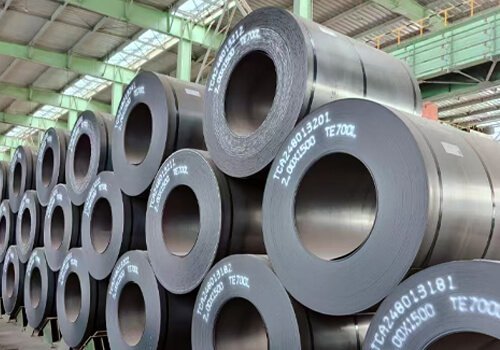
Regular steel, also known as 炭素鋼 or non-galvanized steel, does not have the protective zinc coating that galvanized steel does. 結果として, it is more susceptible to rust and corrosion when exposed to moisture or chemicals.
Non-galvanized steel, also known as regular steel, is a simple iron-carbon alloy. Without the protective zinc coating, it requires additional anti-rust treatment, such as painting or powder coating, to protect it from environmental factors.
Non-galvanized steel is commonly used in applications where corrosion is not a major concern, or when it will be treated to resist rust. It is widely used in automotive manufacturing, industrial machinery, and structural components where strength takes precedence over corrosion resistance.Non-galvanized steel, 一方で, will need to be maintained or coated on a regular basis to prevent rusting when exposed to moisture.
What Are the Advantages of Galvanized Steel vs Steel?
Choosing between galvanized steel vs steel depends on a number of factors, including environmental exposure, desired durability, and project budget. Understanding the distinct advantages of each material will allow you to make an informed decision.
Galvanized steel is highly corrosion resistant, making it ideal for outdoor and harsh environments. 対照的に, regular steel is stronger in some applications but requires additional rust resistance treatment.
Galvanized steel’s main advantage is its corrosion resistance, which makes it ideal for outdoor and high-moisture applications such as roofing, fences, およびパイプライン. It also has a longer lifespan and requires less maintenance. Regular steel, 一方で, may be better suited for indoor applications or environments where rust is less of an issue. さらに, regular steel is frequently preferred in heavy-duty structural applications because it can withstand higher stresses.
How Does Galvanization Affect Steel’s Performance?
The galvanizing process improves performance of steel by adding an extra layer of protection that prevents corrosion and rust. This increases galvanized steel’s durability in harsh environments.
Galvanization improves steel performance by forming a protective zinc coating that prevents the underlying metal from rusting. This can help steel products last longer, especially in moisture-prone environments.
The zinc coating in galvanized steel acts as a protective barrier against corrosive elements such as moisture, salt, and chemicals. The sacrificial anode effect ensures that the zinc corrodes first, protecting the steel beneath. This makes galvanized steel extremely durable in outdoor or industrial applications where corrosion resistance is critical.However, the coating can wear over time, particularly in areas of high friction or physical stress, so it is critical to monitor and maintain galvanized products.
How Do Galvanized Steel and Regular Steel Compare in Terms of Cost?
While galvanized steel has superior corrosion resistance, the initial cost is usually higher than regular steel due to the galvanization process. しかし, its long-term durability could result in cost savings.
Although galvanized steel is more expensive initially, its lower maintenance costs and longer lifespan may make it more cost-effective in the long run than non-galvanized steel, which requires more frequent upkeep.
Galvanised steel is more expensive because of the additional zinc coating, which raises manufacturing costs. しかし, this investment pays dividends in environments where corrosion resistance is critical, as it significantly reduces the need for maintenance. Regular steel may be less expensive initially, but rust prevention treatments such as coatings or paints can raise long-term costs.Therefore, it’s essential to weigh the initial cost vs long-term maintenance costs when choosing between mild steel vs galvanized steel.

Is Galvanized Steel Stronger Than Steel?
Many people wonder whether galvanized steel is stronger than regular steel. While galvanized steel provides excellent corrosion resistance, its strength is determined by the underlying steel alloy rather than the zinc coating.
Galvanized steel is not necessarily stronger than regular steel. The galvanization process does not change the strength of the steel; それよりも, it adds a protective layer that improves corrosion resistance.
Steel’s strength is determined by its alloy composition, such as carbon or mild steel, rather than whether it has been galvanized. Galvanized steel has the same strength as non-galvanized steel, but it has better corrosion protection, making it more durable over time. しかし, in terms of sheer strength, the material underneath is more important than the coating itself.
What’s So Special About Galvanized Steel?
Galvanized steel is unique in that it combines the inherent strength of steel with the added benefit of corrosion resistance via its zinc coating. This makes it ideal for outdoor and exposed applications.
The zinc coating on 亜鉛メッキ鋼 makes it resistant to corrosion and rust. This increased durability makes it ideal for long-term performance, even in harsh conditions.
Galvanized steel is widely used in industries that are frequently exposed to moisture or chemicals, 建設などの, agriculture, and automobile manufacturing. The galvanization process adds an extra layer of protection, making it more durable for applications such as fencing, 屋根ふき, and steel pipes.Its durability and low maintenance costs make it an ideal choice for these industries, reducing the need for frequent replacements.
どちらが良いですか, Mild Steel or Galvanized Steel?
The choice between mild steel vs galvanized steel is largely dependent on your specific requirements. Mild steel has greater flexibility and strength, whereas galvanized steel performs well in environments where corrosion resistance is critical.
軟鋼 is more flexible and is commonly used in heavy-duty structural applications, whereas galvanized steel is better suited to environments prone to rust and moisture.
Mild steel is cheaper and more malleable, making it ideal for applications requiring high strength, such as construction or machinery. しかし, it lacks the corrosion resistance that galvanized steel provides. Galvanized steel is commonly used in outdoor and moisture-prone applications where added rust resistance is required.While galvanized steel has a higher initial cost, its durability in harsh environments may make it the better long-term option.

What Are the Common Uses of Galvanized Steel vs Steel?
The applications of galvanized and regular steel vary significantly depending on the environment in which they will be used. Galvanized steel is ideal for moisture-prone environments, whereas regular steel is used in applications that do not face corrosion risks.
Galvanized steel is used in industries such as construction and agriculture that require rust resistance. Regular steel, 一方で, is used in automotive manufacturing and other heavy-duty applications that require high strength.
Galvanized steel is commonly used in construction for steel pipes, 屋根ふき, and fencing, particularly in outdoor or humid environments. It is also used in agricultural applications, such as grain silos and farm machinery.Regular steel, のような 炭素鋼, is used in automotive manufacturing, machinery, and structural applications where strength is the key factor, and corrosion resistance is less critical.
How Do Galvanized Steel and Steel Perform in Terms of Maintenance?
When deciding between galvanized steel vs steel, maintenance is an important consideration. Galvanized steel requires less maintenance due to its corrosion resistance, whereas regular steel necessitates frequent protective treatments.
Galvanized steel requires little maintenance due to its zinc coating. Regular steel requires regular inspections, painting, or other protective coatings to prevent rust from forming.
Galvanized steel is more durable and requires less maintenance due to its rust resistance. It is ideal for outdoor applications where non-galvanized steel may rust quickly due to constant moisture exposure. しかし, regular steel requires frequent inspection and may require coatings or painting to prevent corrosion, particularly in humid or industrial environments. したがって, galvanized steel is a better long-term option for low-maintenance solutions.
まとめ
The choice between galvanized steel vs steel is based on factors such as corrosion resistance and strength. Galvanized steel is best for moisture-prone areas, whereas regular steel provides flexibility and cost savings.