
- 大規模な在庫 & 速い配達
- Yuanchi は無料サンプルを提供しています
- カスタムパッケージングがサポートされています
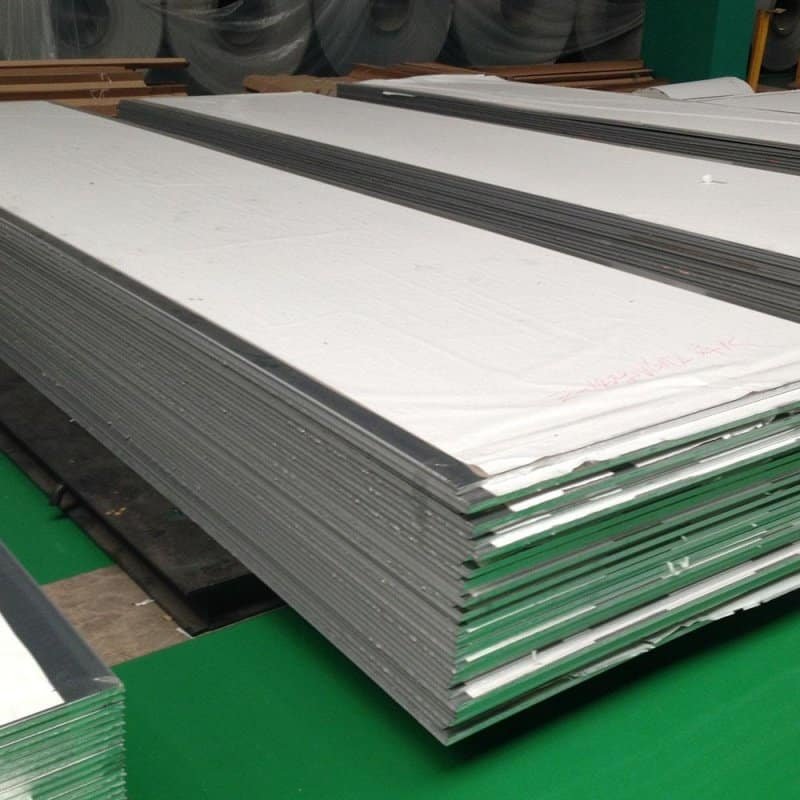
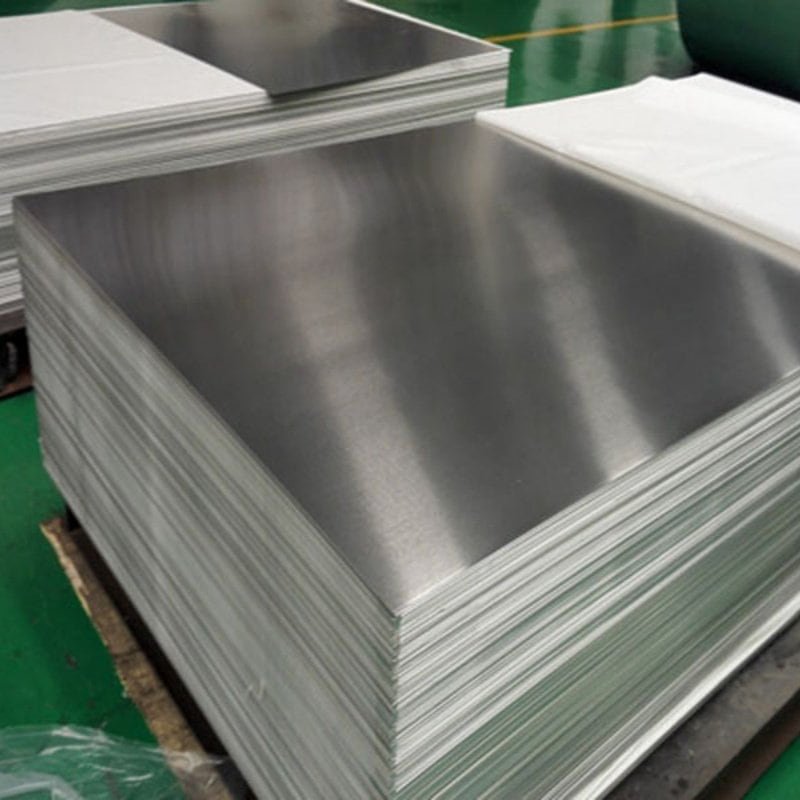
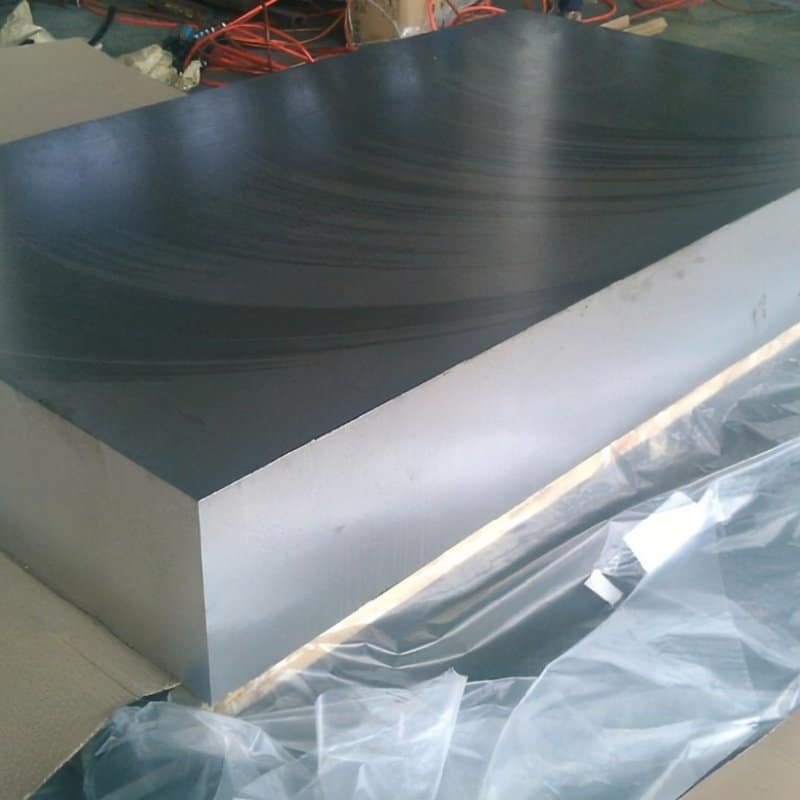
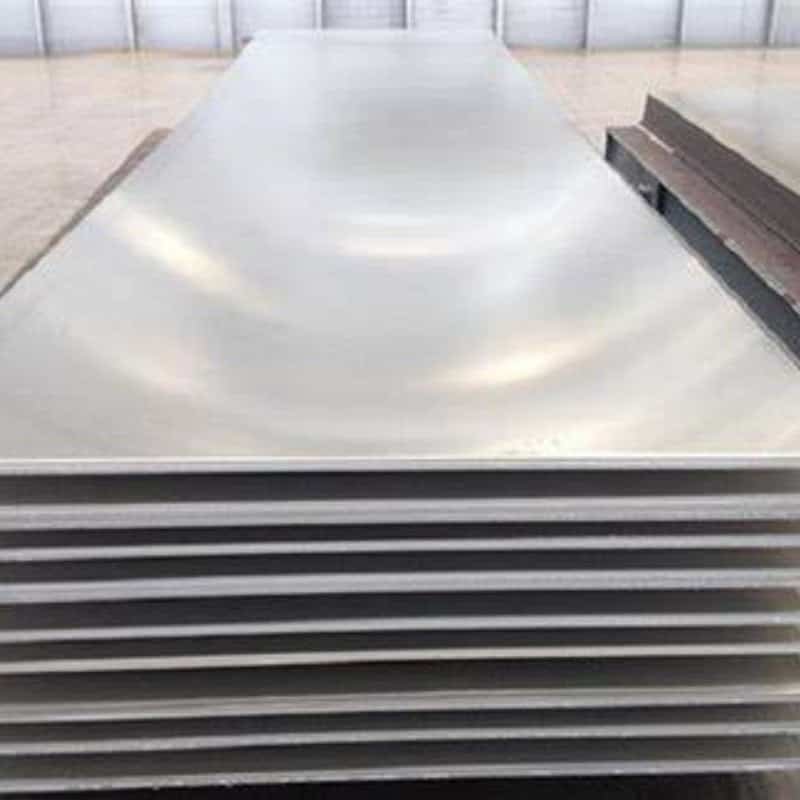
Hot Sale aluminium roll sheet
Yuanchiは、さまざまなサイズと仕様でALUシートを生産しています, 幅広い産業用アプリケーションに対応しています.
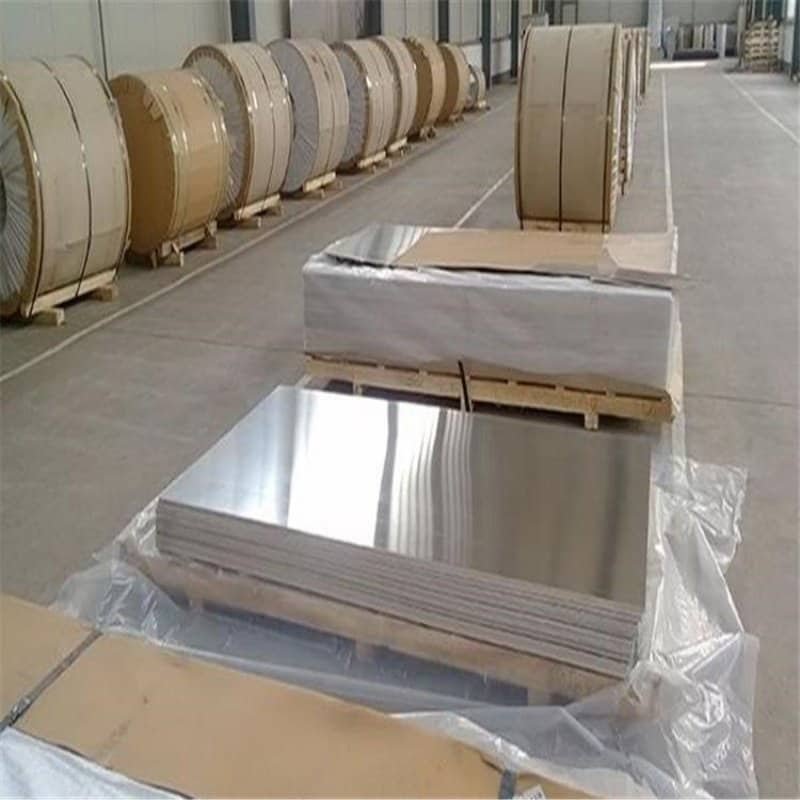
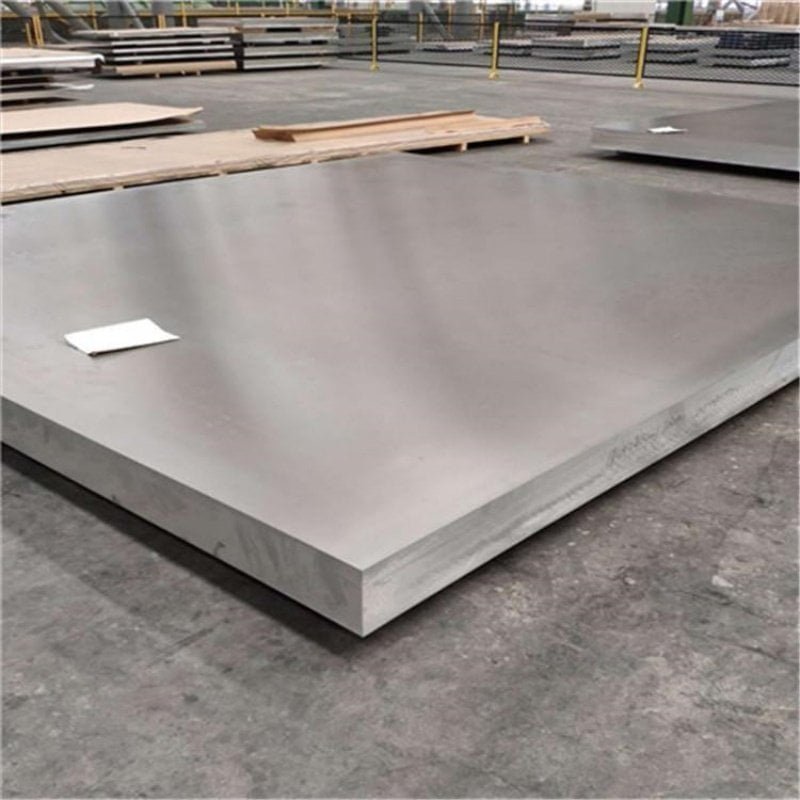
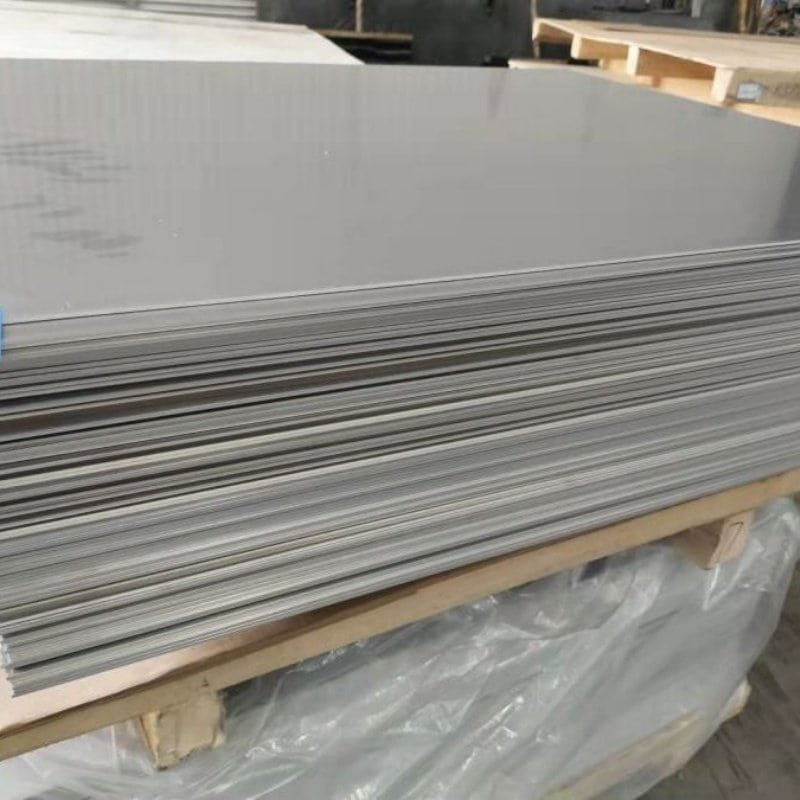
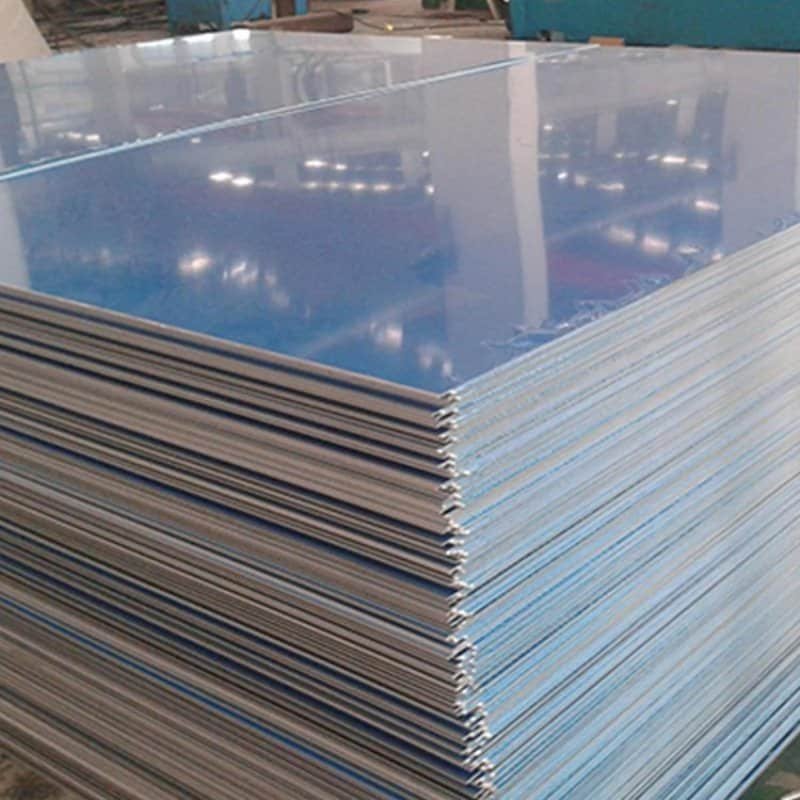
Advantages of aluminium roll sheet
アルミニウムプレートは軽量です, 耐性耐性, 耐久性, 順応性, リサイクル可能. 彼らは優れた熱伝導率を提供します, 審美的な魅力, 費用対効果, 航空宇宙のような産業における汎用性の高いアプリケーション, 自動車, そして建設.
アルミニウムシートは、重量が少ない強度を提供します.
さまざまな環境での腐食に対して自然に耐性があります.
カットが簡単です, 形, 多用途のアプリケーション用の溶接.
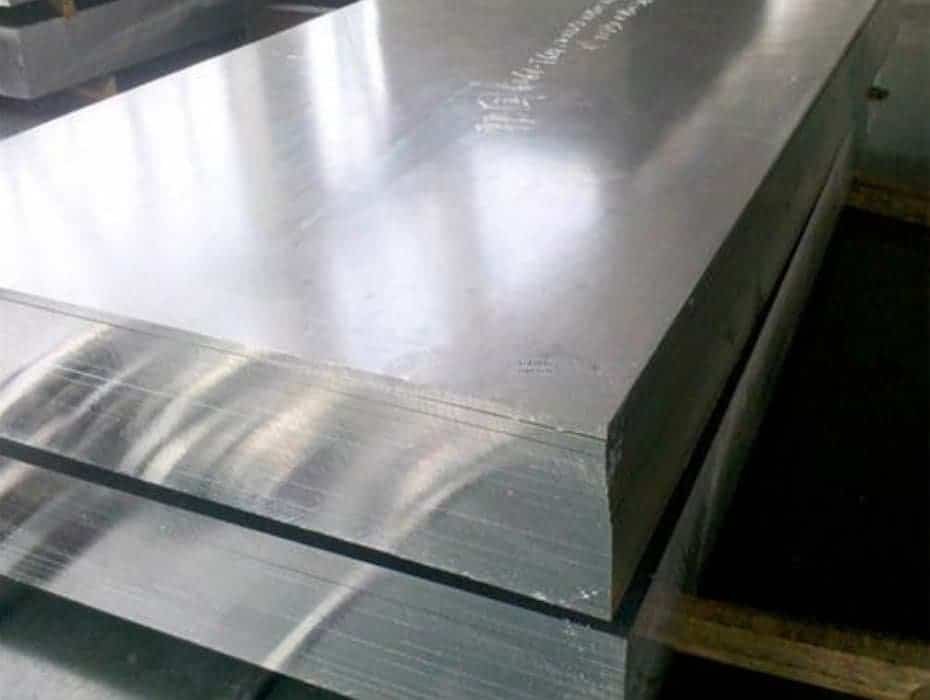
アルミニウムはです 100% リサイクル可能で環境に優しい.
優れた熱の導体, さまざまな業界に最適です.
スムーズ, 光沢のある仕上げにより、製品の外観が向上します.
Custom aluminium roll sheet Suits Your Projects
から鳴った 0.010 インチ (0.25 mm) に 0.250 インチ (6.35 mm) またはリクエストに応じてカスタマイズされています.
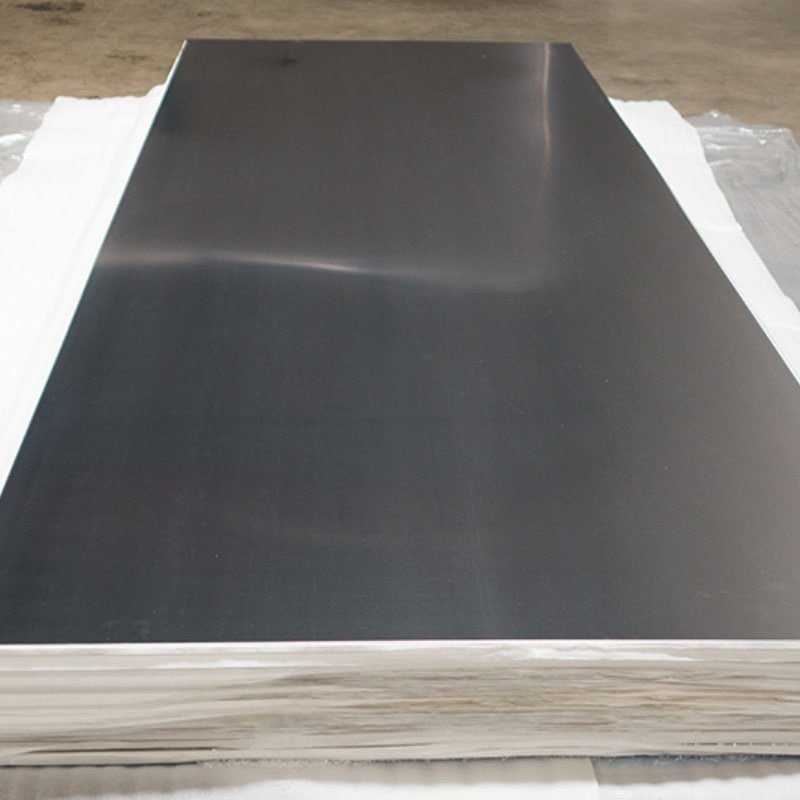
標準シートサイズには4 'x 8'が含まれます (1220 mm x 2440 mm), ただし、クライアントの仕様に従ってカスタムサイズを作成できます.
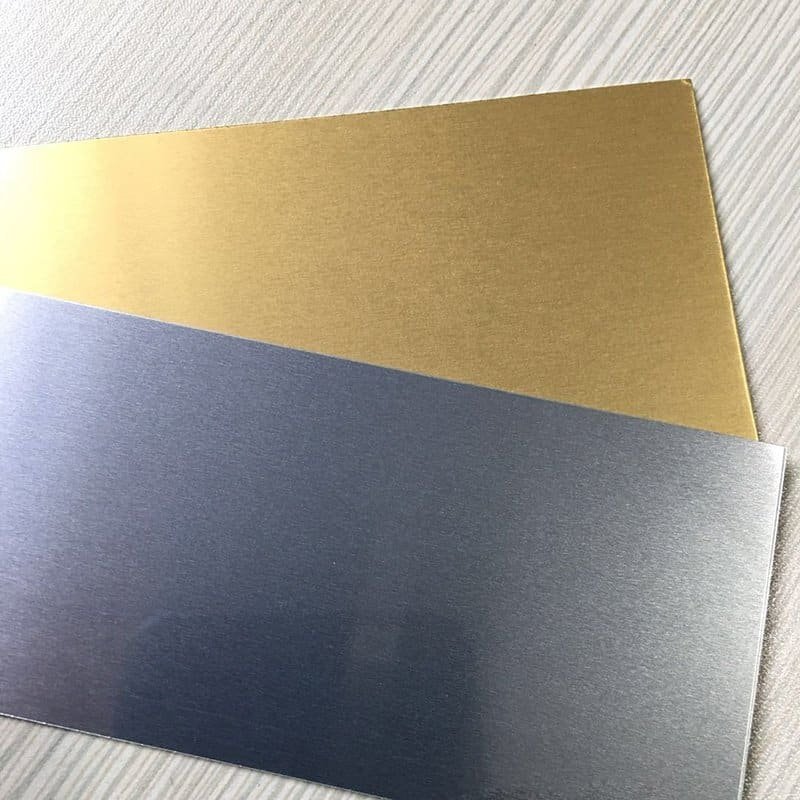
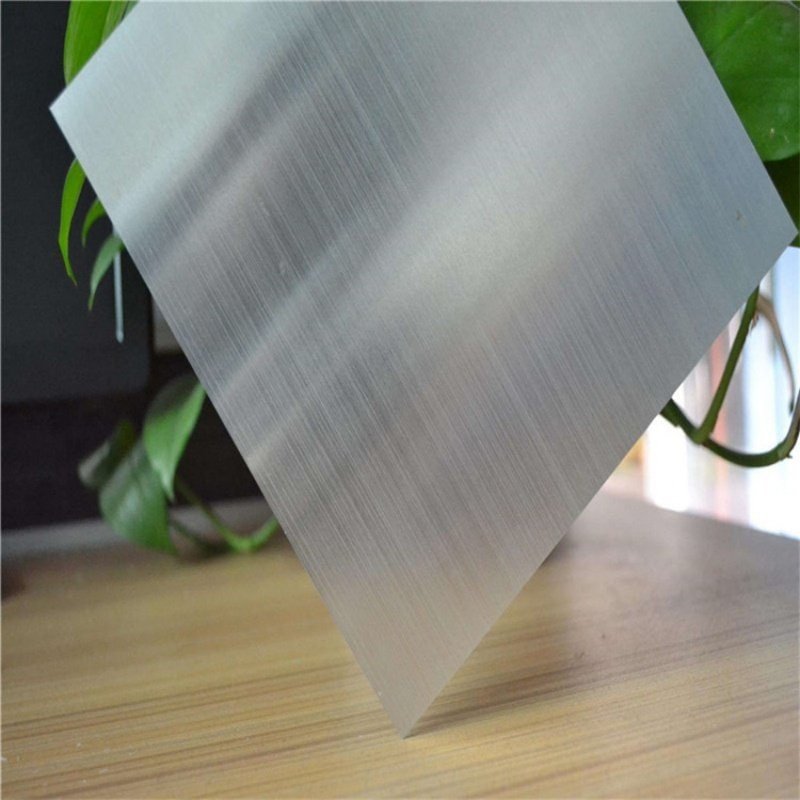
オプションにはミル仕上げが含まれます, 陽極酸化, 塗装, またはブラッシング, 目的の美学とアプリケーションに応じて.
密度の軽量 2.7 g/cm³, 他の金属と比較して、処理とインストールが簡単になります.
以上 18 鉄鋼業界での長年の経験.
カスタムオーダー, 納期は約です 15 に 25 日.
ギガバイト/トン 3880 ギガバイト/トン 3190 ASTM B209
Yuanchi は 5 年間の保証を提供します.
1対1のサービス & 24 1時間のオンラインサポート.
ロゴとパッケージをカスタマイズする.
山東源池金属製品有限公司, 株式会社.
山東源池金属製品有限公司, 株式会社. 泰安に拠点を置いています, 山東省, 登録資本金は 20 百万元. 私たちは国内外の市場に特化した鉄鋼専門商社です. 当社の製品範囲には炭素鋼が含まれます, ステンレス鋼, シームレスパイプ, カラーコートシート, 亜鉛メッキシート, ガルバリウム鋼板, アルミシート, 銅板, 建築資材やパイプシリーズも. これらの製品は化学工業などの業界で広く使用されています。, 医薬品, 電力, 鉄道, 自動車, 製紙, そして建設.
会社は長期的に維持します, 国内の有名な鉄鋼企業との強力な貿易関係, 山東鉄鋼を含む, 唐山鉄鋼, 邯鄲鉄鋼, 莱港鉄鋼. 高度な倉庫管理システムを活用しています (WMS) およびエンタープライズ リソース管理 (ERM) 製品コンサルティングを通じてお客様がシームレスなエクスペリエンスを享受できるようにするためのシステム, 調達, 注文する, と使用法.
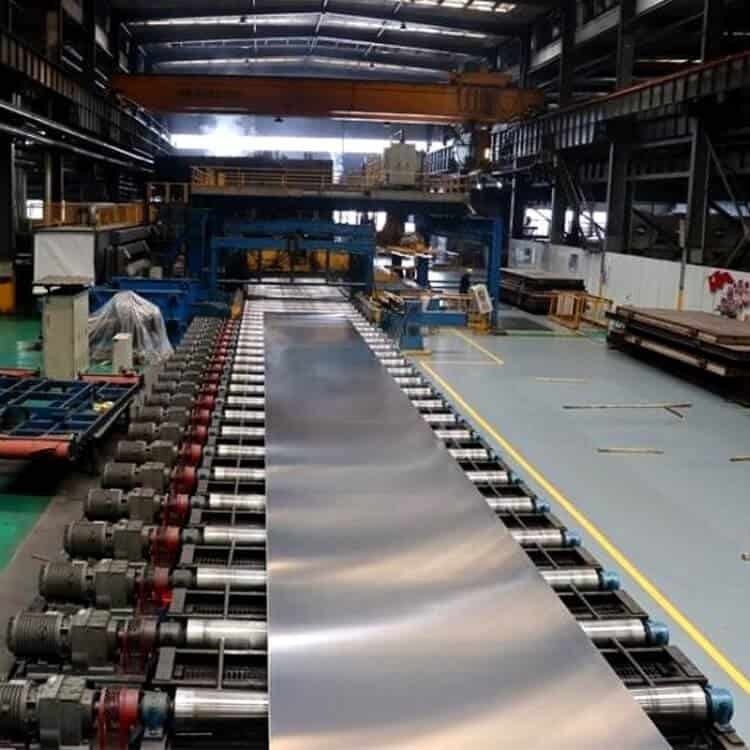
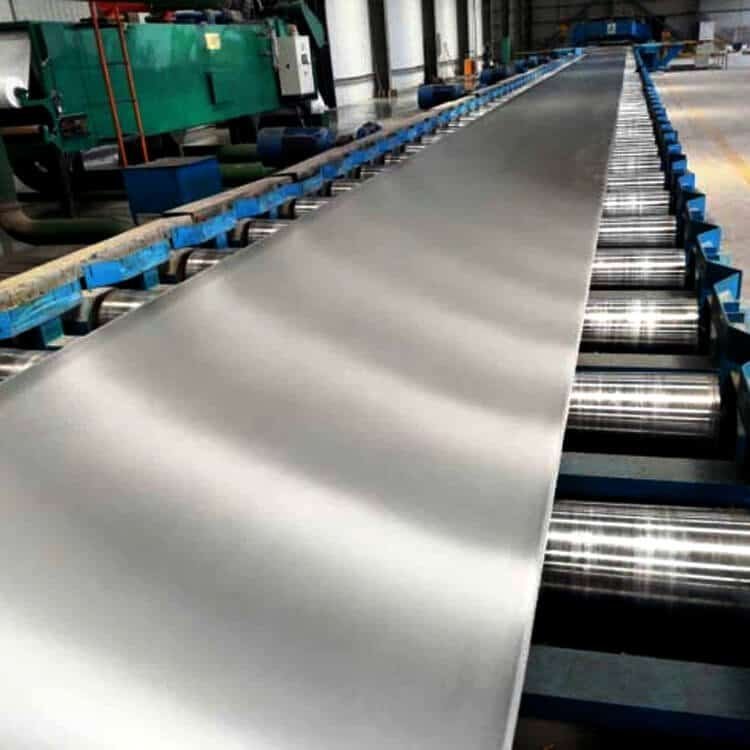

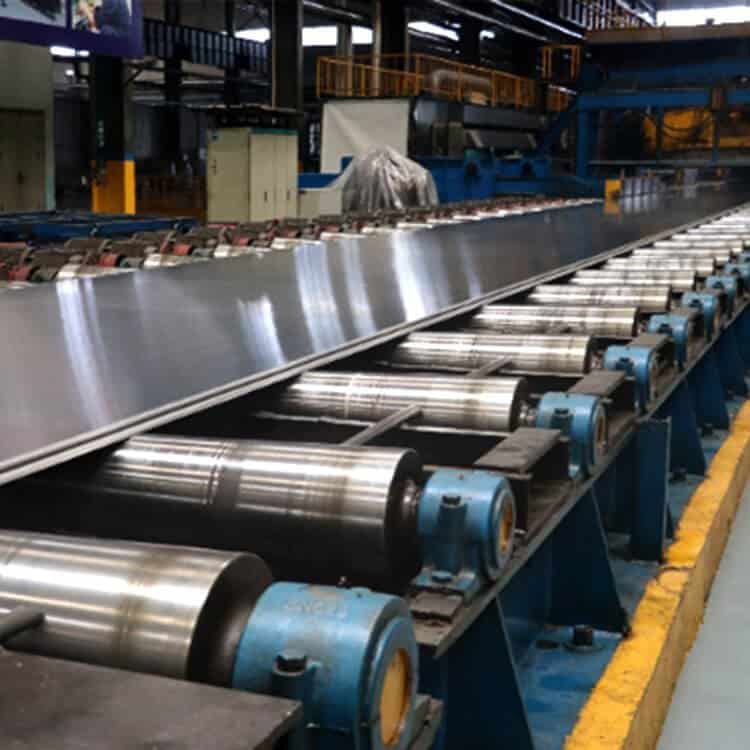
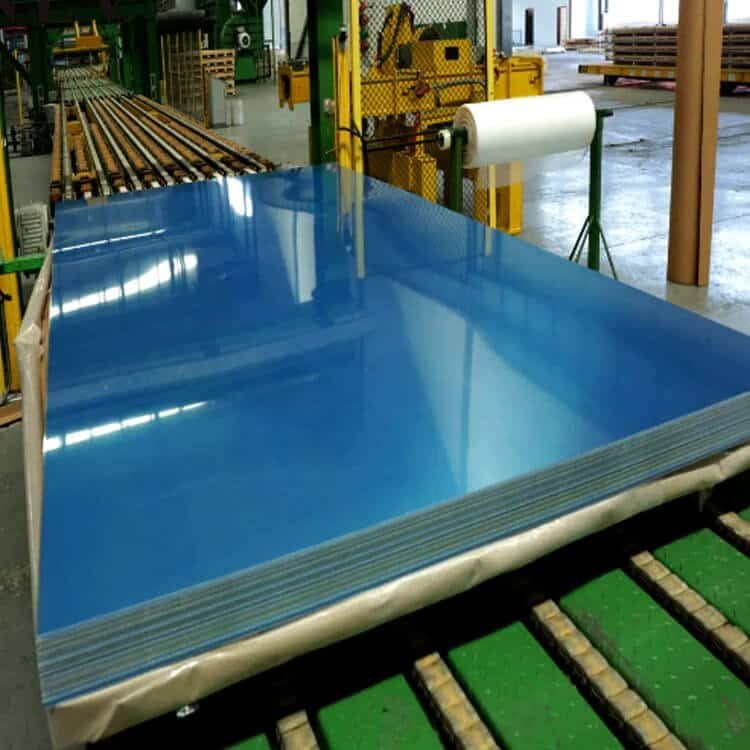
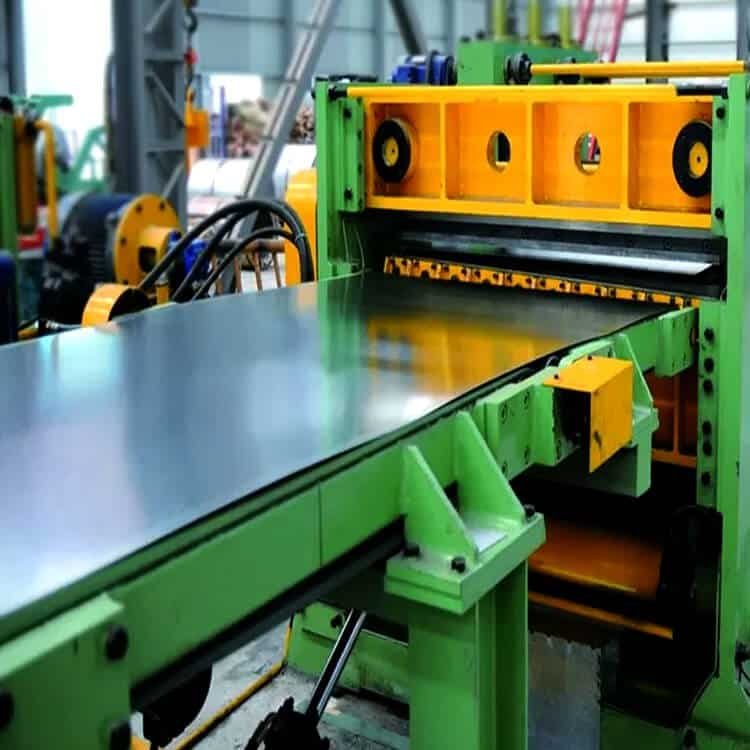
aluminium roll sheet stocks
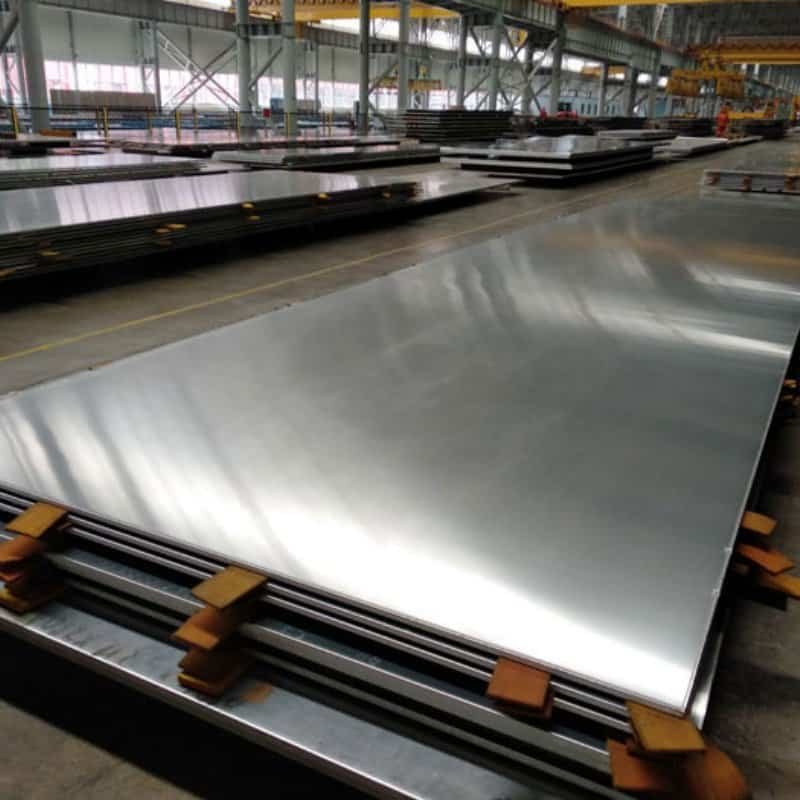
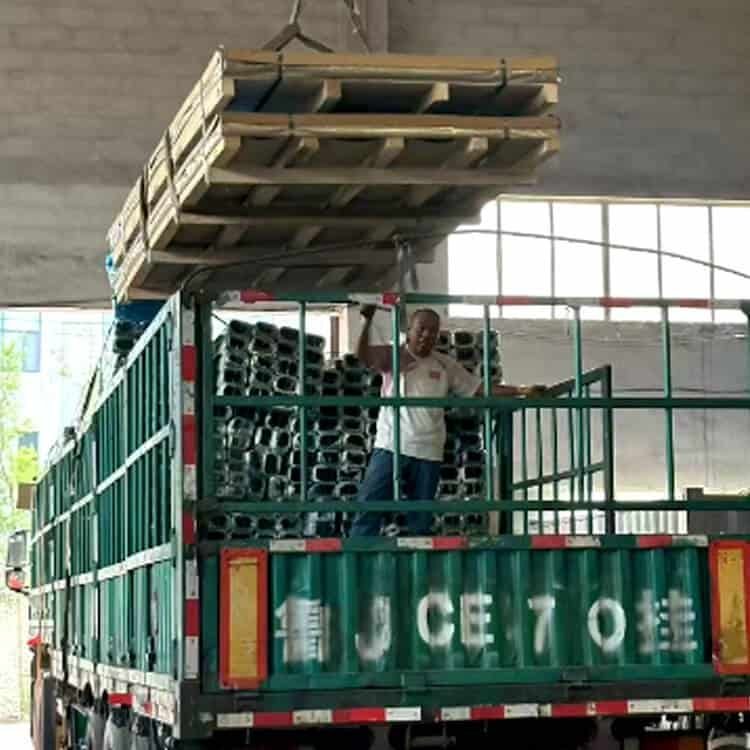
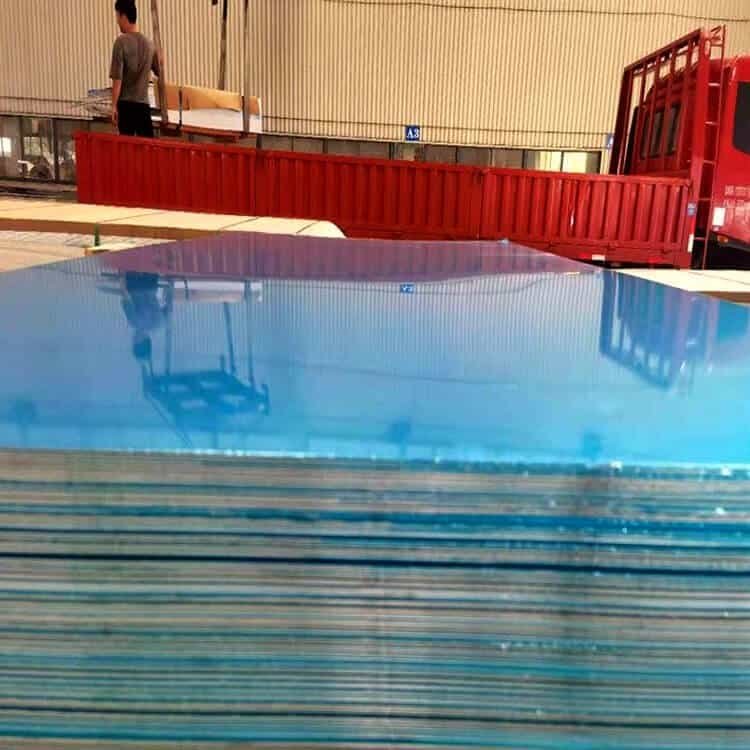
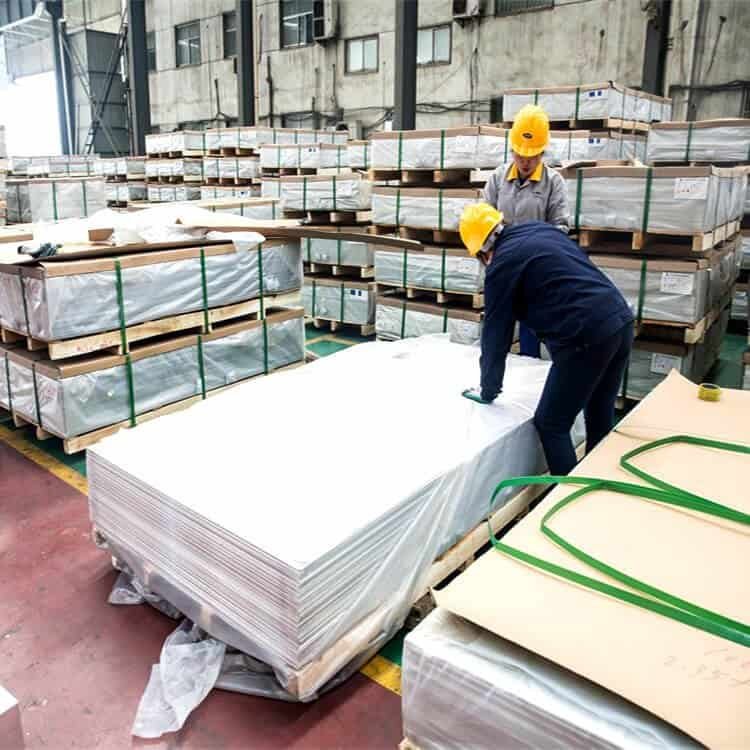
膨大な在庫があります, 迅速な配達時間を提供します: 5-在庫のあるアルミニウムシートのためのデイ配送と 15-25 カスタムオーダーの日.
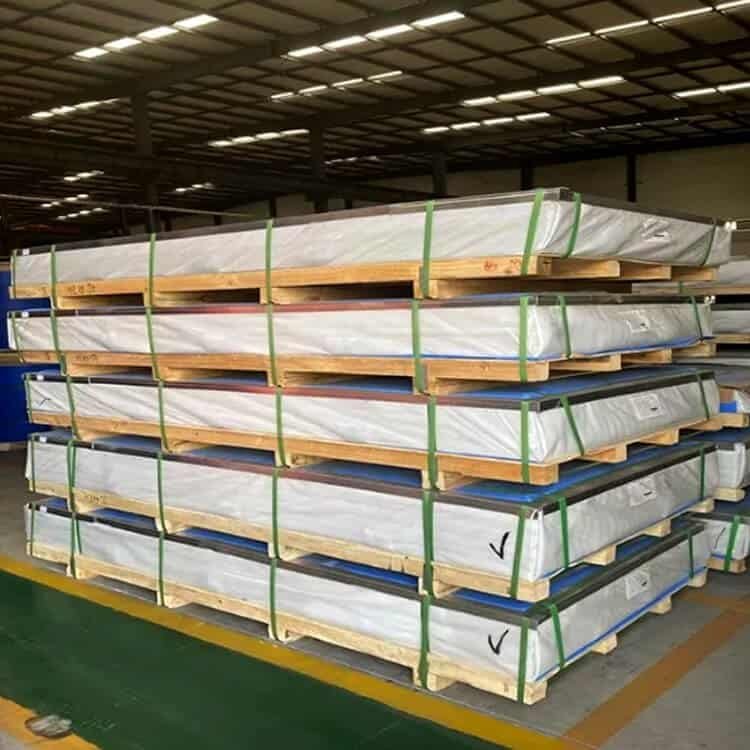
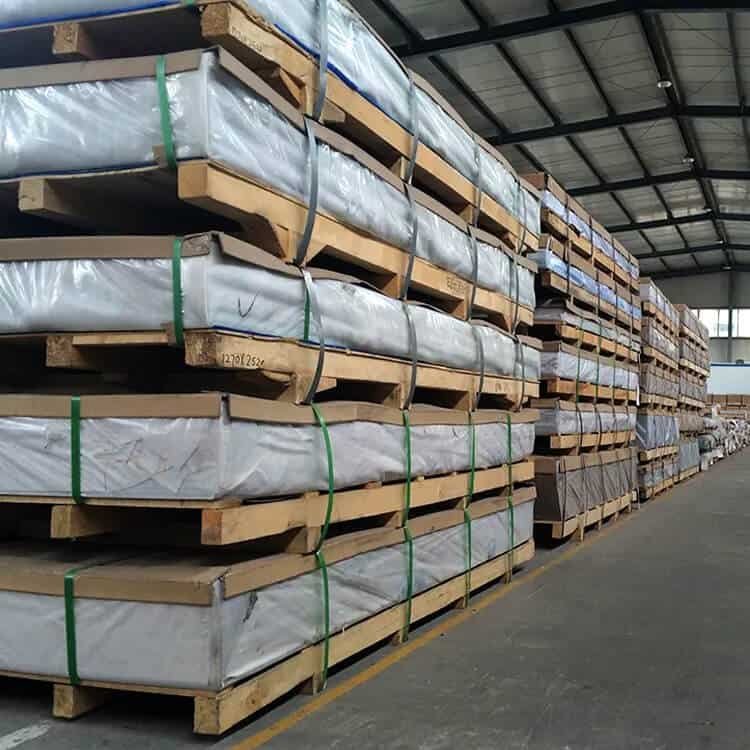
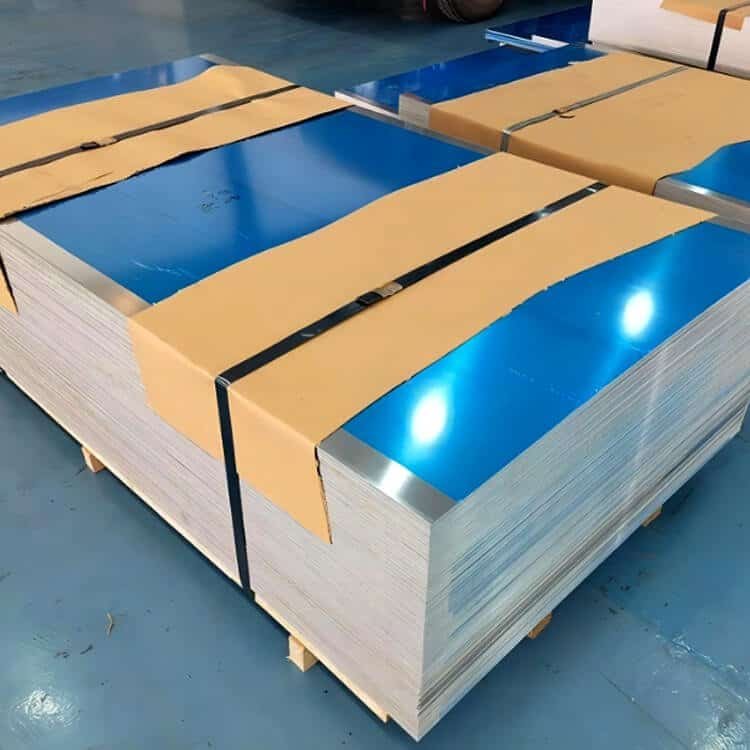


包装 & 配達
Yuanchiはカスタムパッケージとロゴの印刷をサポートしてブランドを強化します. 各顧客のユニークなニーズを満たすためにテーラードソリューションを提供します, 安全を確保する, すべての注文のブランドパッケージ.


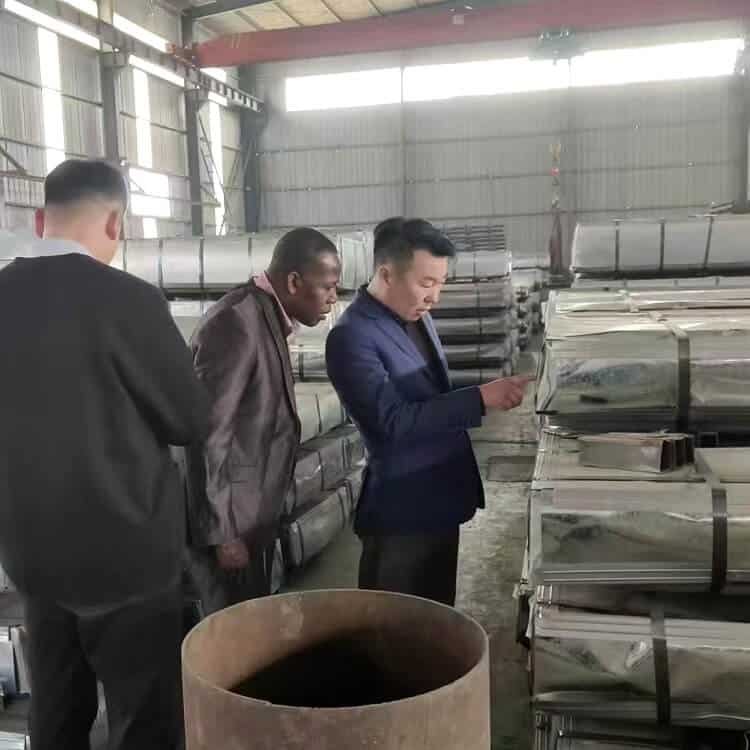
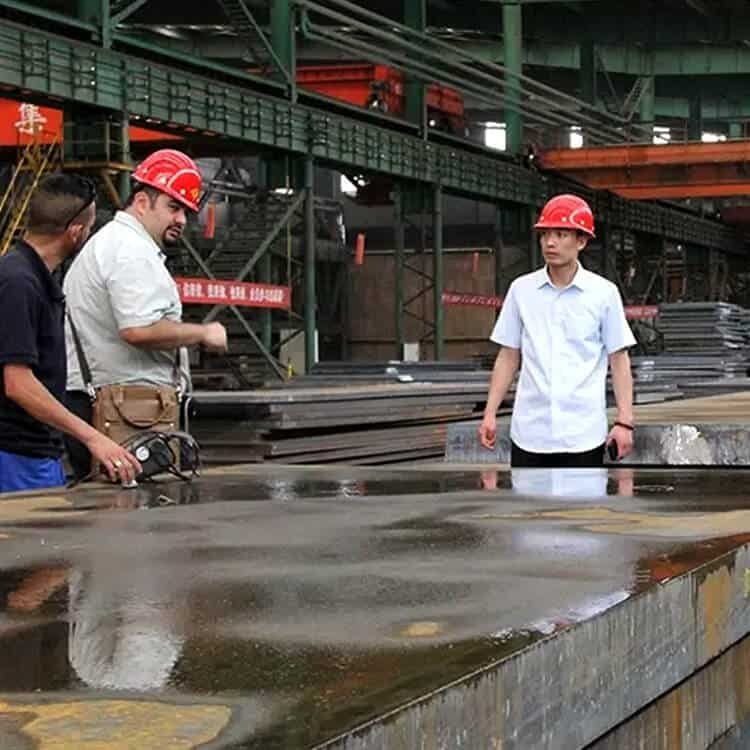
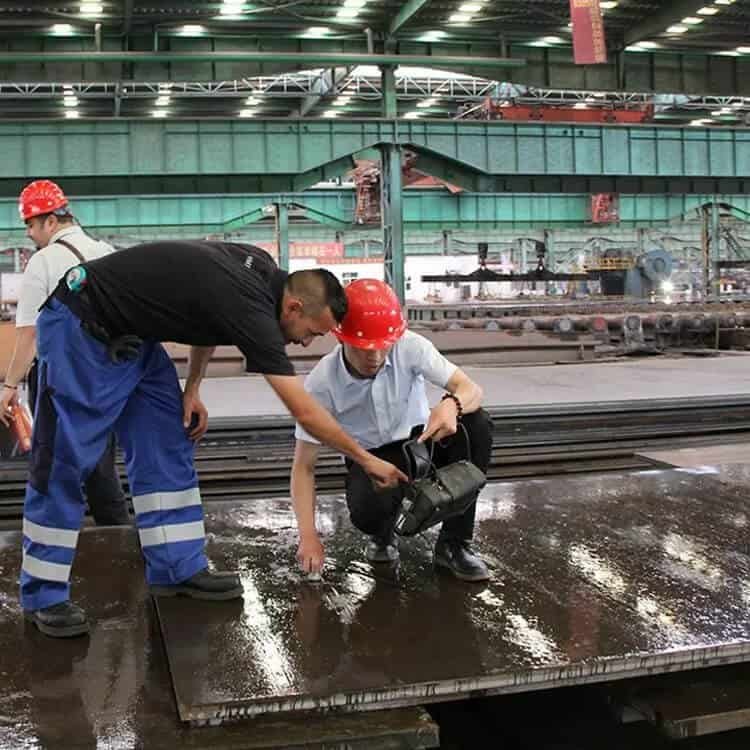
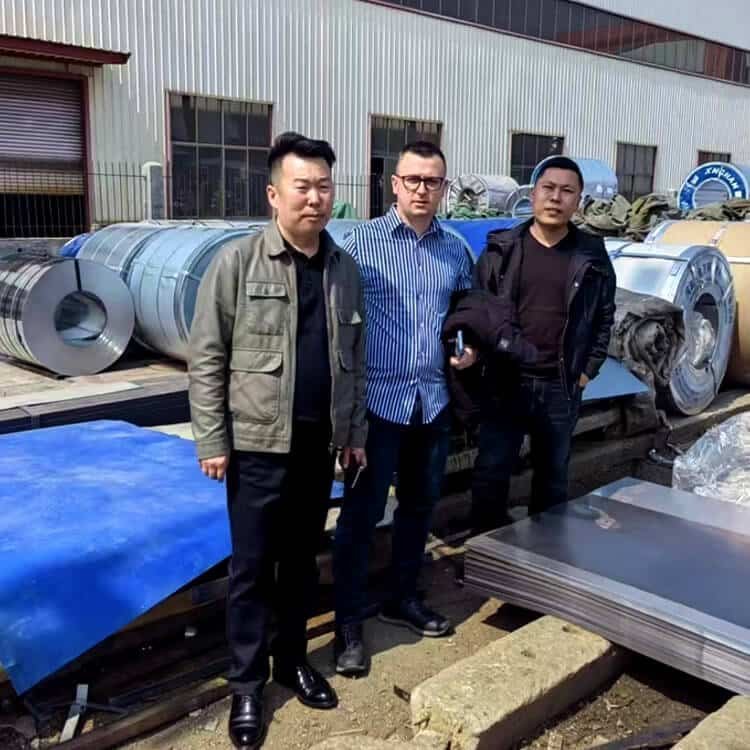
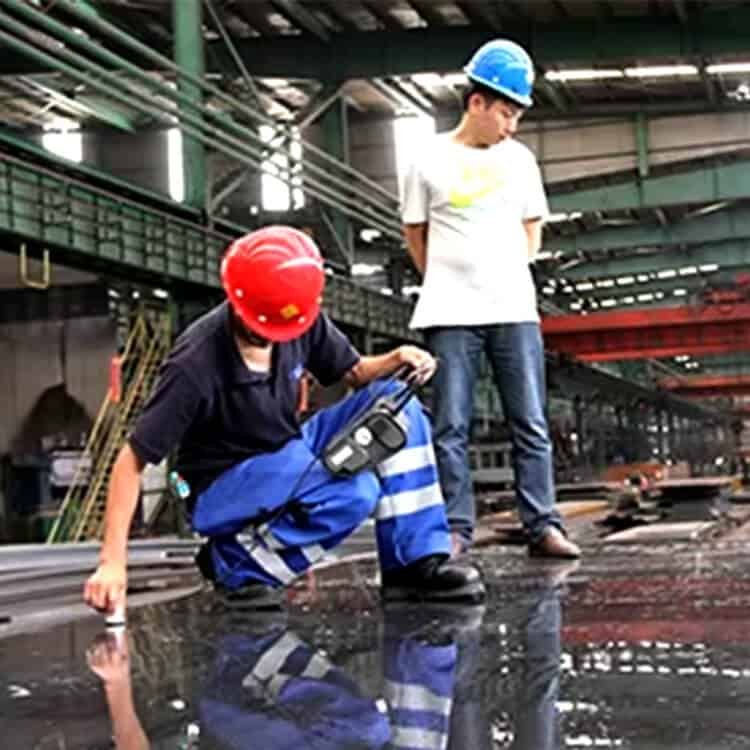
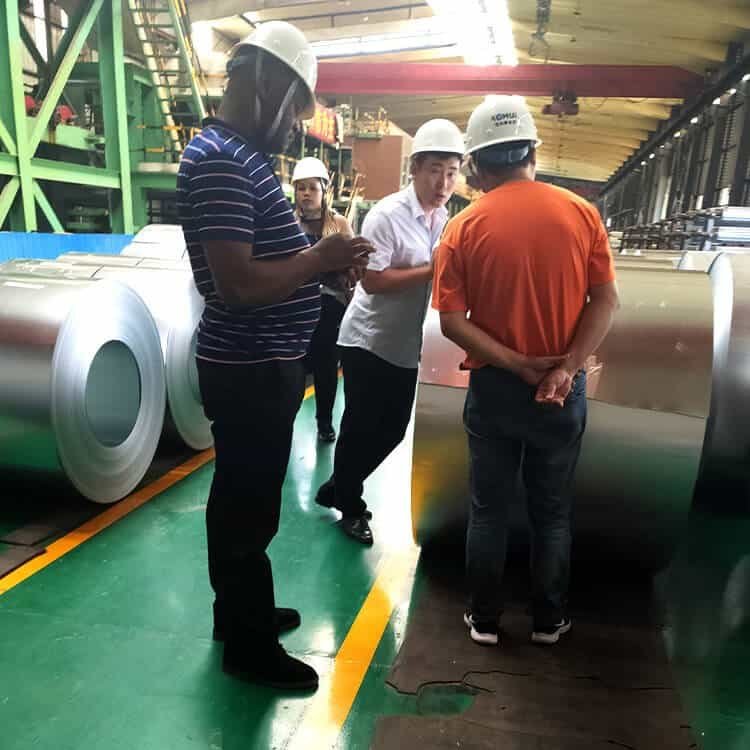
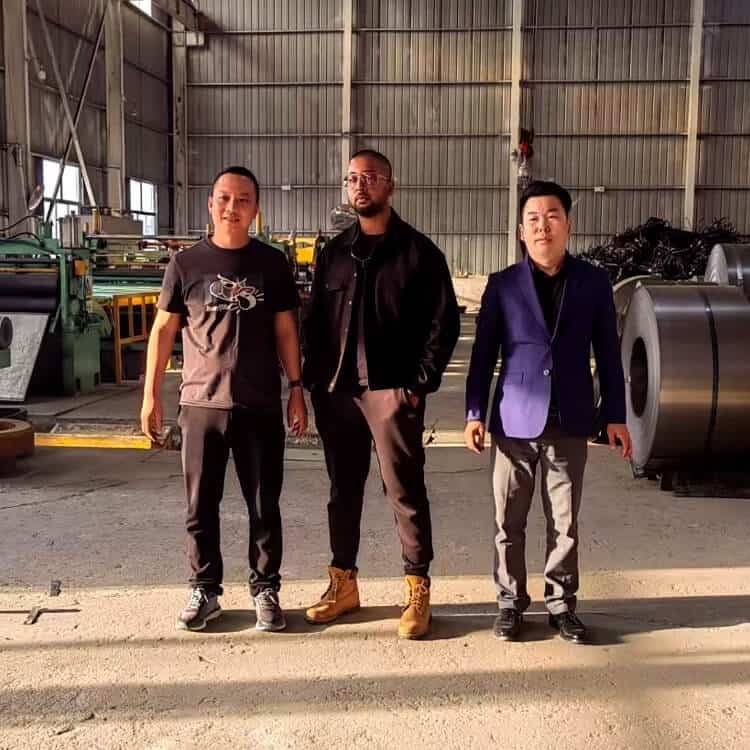
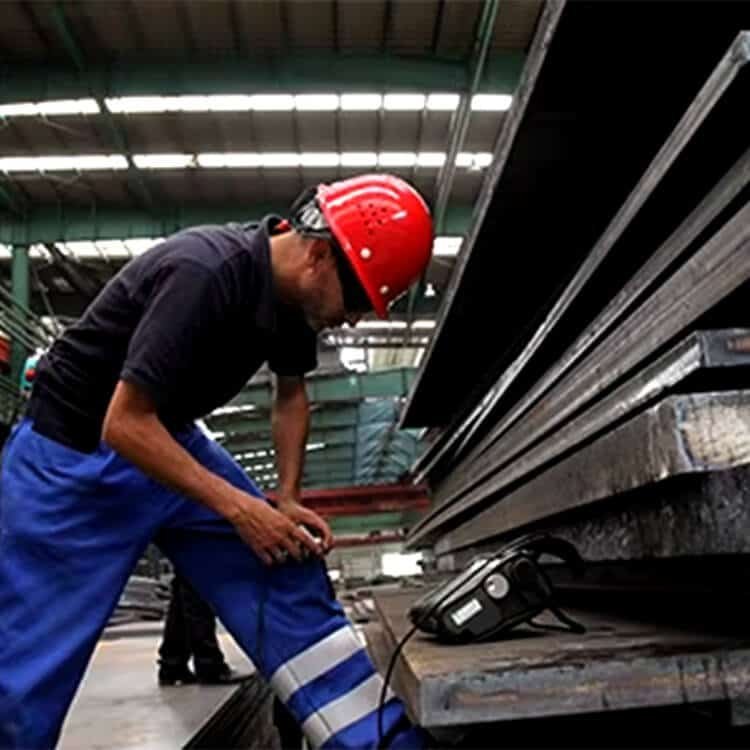
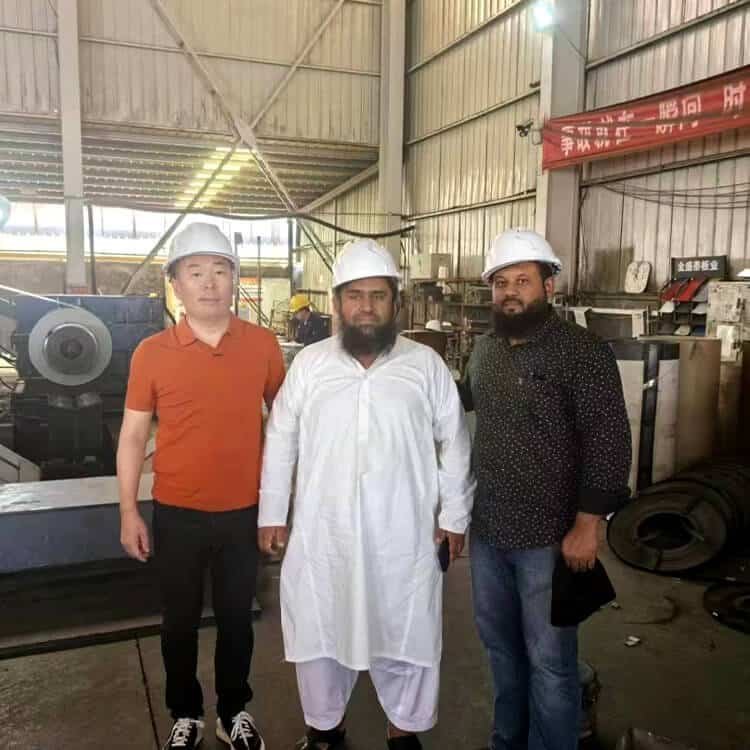
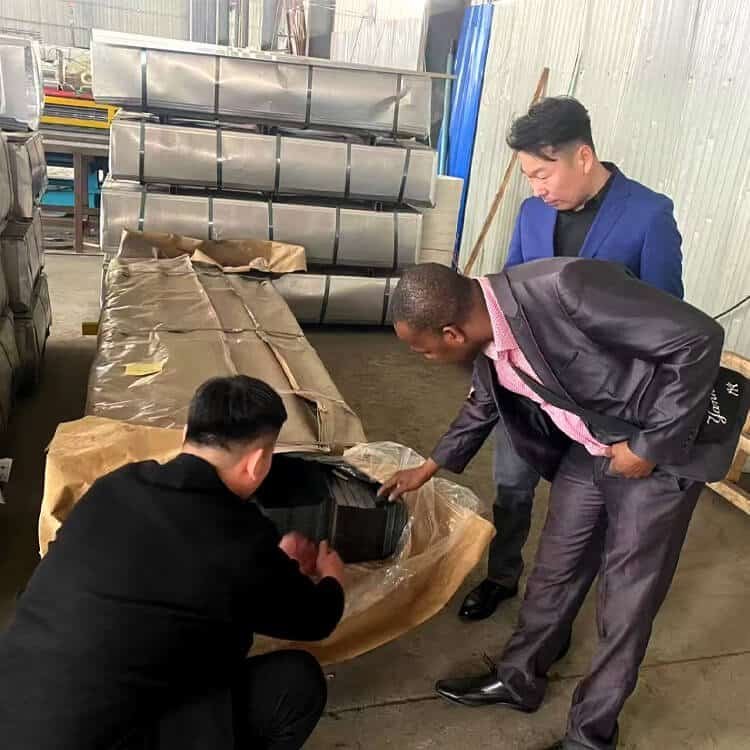
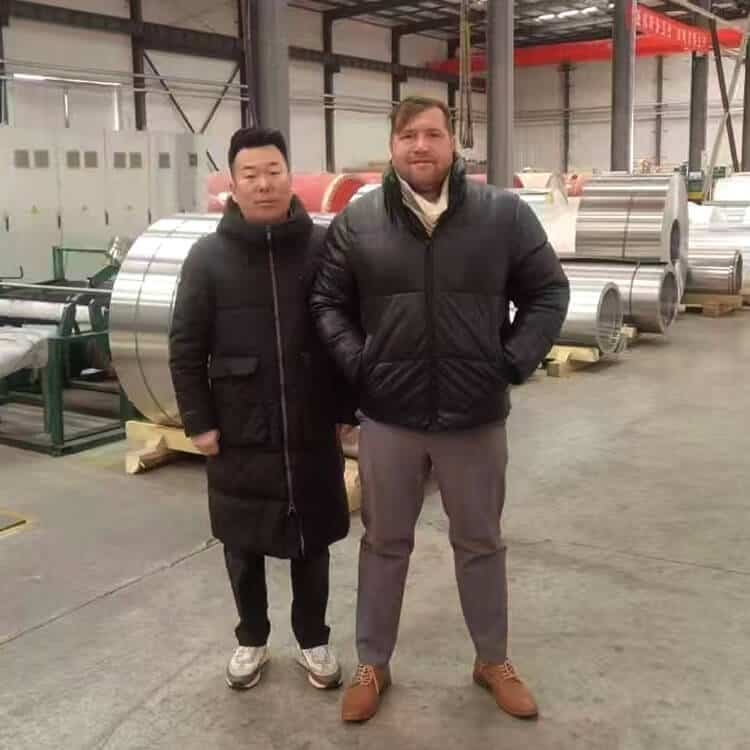
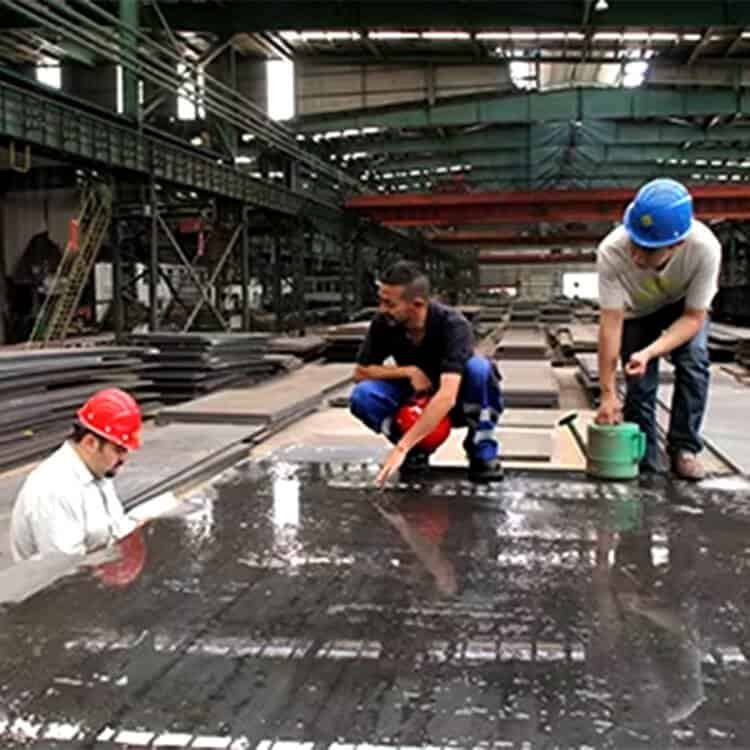
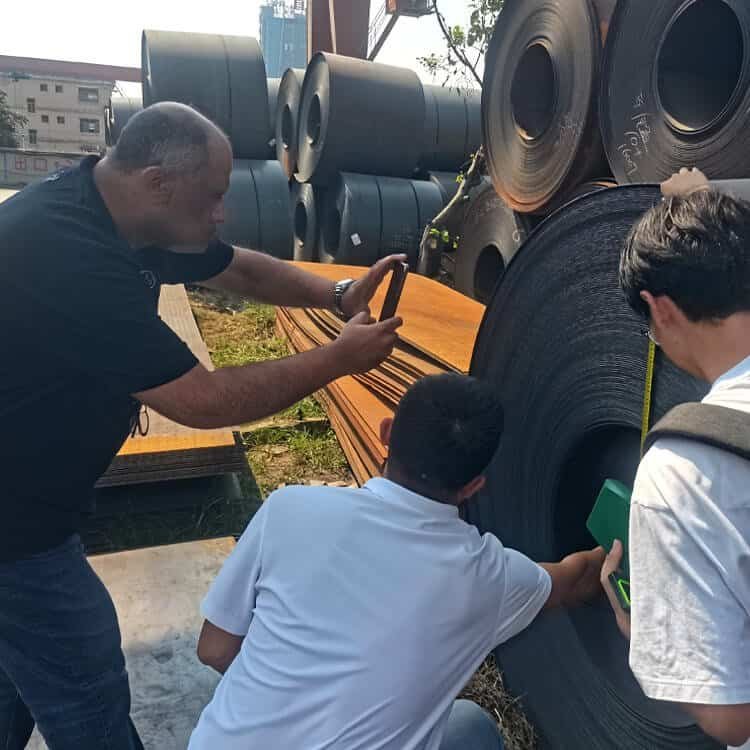
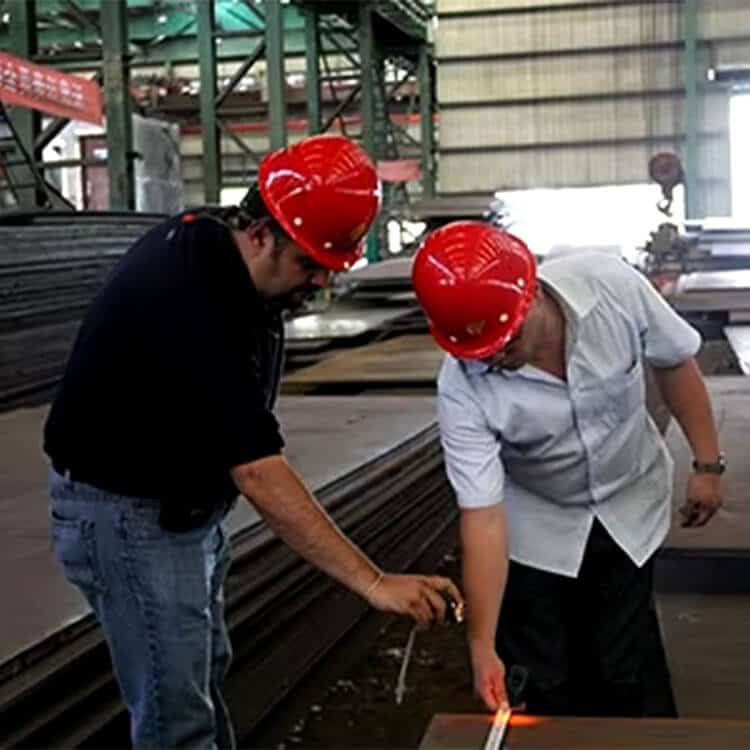




よくある質問.
よくあるご質問をいくつかリストアップしました. 製品に関するお問い合わせがございましたら, お問い合わせを送信して私たちに連絡することができます.
はい, アルミニウムは腐食に対して自然に耐性があります, 長期的な耐久性を確保します.
はい, サイズの完全なカスタマイズオプションを提供しています, 厚さ, そして仕上げます.
内部に在庫品を出荷します 5 内部の日とカスタムオーダー 15-25 日.
はい, テストと評価用の無料サンプルを提供しています.
はい, 注文にカスタムパッケージと印刷ロゴを提供できます.
0.1mmから200mmまでの幅広い厚さを提供します.
aluminium roll sheetaluminium roll sheetaluminium roll sheetaluminium roll sheetaluminium roll sheetaluminium roll sheetaluminium roll sheetaluminium roll sheetaluminium roll sheetaluminium roll sheetaluminium roll sheetaluminium roll sheetaluminium roll sheetaluminium roll sheetaluminium roll sheet
aluminium roll sheetaluminium roll sheetaluminium roll sheetaluminium roll sheetaluminium roll sheetaluminium roll sheetaluminium roll sheetaluminium roll sheetaluminium roll sheetaluminium roll sheetaluminium roll sheetaluminium roll sheetaluminium roll sheetaluminium roll sheetaluminium roll sheetaluminium roll sheet
その他の売れ筋商品
アルミニウムシートに加えて, Yuanchiは、アルミニウムコイルの生産もサポートしています, ストリップ, フォイル, ロッド, チューブ, および穿孔アルミニウムプレート, 多様な高品質のアルミニウム製品を提供しています.
Introduction to Aluminum Sheets: プロパティ, アプリケーション, and Advantages
What is Aluminum Sheet?
Aluminum sheets are versatile, thin, flat metal products made from aluminum. They are manufactured through a rolling process, where aluminum is passed through a series of rollers to reduce its thickness. Aluminum sheets can be found in various thicknesses, からの範囲 0.006 inches to several inches thick, depending on the intended application. Due to their durability, 強さ, and excellent resistance to corrosion, aluminum sheets are widely used across various industries, including automotive, 航空宇宙, 工事, 梱包, もっと.
Properties of Aluminum Sheets
Aluminum sheets possess a unique combination of properties that make them suitable for a wide range of applications. Some of the key properties of aluminum sheets include:
-
軽量: Aluminum has a low density, making it much lighter than many other metals. This property is especially useful in industries like aerospace, where weight reduction is crucial for fuel efficiency and performance.
-
耐食性: Aluminum naturally forms a thin oxide layer on its surface when exposed to air, which provides excellent resistance to rust and corrosion. This makes aluminum sheets ideal for outdoor applications and in environments prone to moisture, such as marine or chemical industries.
-
Malleability and Ductility: Aluminum is highly malleable and ductile, meaning it can be easily shaped, bent, and stretched into different forms without cracking or breaking. This characteristic is vital for applications that require custom designs and precise dimensions.
-
Strength-to-Weight Ratio: 軽量であるにも関わらず、, aluminum has a high strength-to-weight ratio, making it strong enough to support heavy loads while maintaining minimal weight. This property is particularly valuable in the manufacturing of vehicles, aircraft, and machinery.
-
Excellent Conductivity: Aluminum has high thermal and electrical conductivity. It is often used in heat exchangers, radiators, and electrical wiring because of its ability to quickly transfer heat and electricity.
-
Recyclability: One of the most significant advantages of aluminum is its recyclability. Aluminum sheets can be recycled repeatedly without losing any of their original properties, making aluminum one of the most sustainable materials available.
-
審美的な魅力: Aluminum sheets have a sleek, modern appearance, which makes them popular in the design and construction of products that require an aesthetic appeal, アプライアンスなど, 自動車部品, and architectural cladding.
Types of Aluminum Sheets
Aluminum sheets are categorized based on their alloy content, which influences their properties and suitability for different applications. The most common types of aluminum alloys used in sheet production are:
-
Series 1xxx (Pure Aluminum): The 1xxx series is made up of 99% or higher pure aluminum. These sheets are known for their excellent corrosion resistance, high electrical conductivity, and good workability. しかし, they have lower strength compared to other alloys, which limits their use to non-structural applications.
-
Series 2xxx (Copper-Alloyed Aluminum): These aluminum sheets are alloyed with copper to increase strength. They are often used in aerospace and military applications where strength is crucial. しかし, they are more prone to corrosion compared to other alloys, so protective coatings are often applied.
-
Series 3xxx (Manganese-Alloyed Aluminum): Aluminum sheets in the 3xxx series contain manganese, which enhances strength and resistance to corrosion. These sheets are widely used in the manufacturing of roofing, サイディング, および HVAC システム.
-
Series 5xxx (Magnesium-Alloyed Aluminum): The 5xxx series aluminum sheets are alloyed with magnesium, offering excellent strength, 耐食性, and weldability. They are commonly used in marine environments, 自動車製造, and structural applications.
-
Series 6xxx (Silicon and Magnesium-Alloyed Aluminum): Aluminum sheets in the 6xxx series offer a balance of strength, 耐食性, and ease of fabrication. They are often used in the production of structural components, including frames, ビーム, and scaffolding.
-
Series 7xxx (Zinc-Alloyed Aluminum): The 7xxx series is alloyed with zinc to create extremely strong aluminum sheets. These sheets are commonly used in aerospace, military, and sporting equipment, where strength is a critical factor.
-
Series 8xxx (Other Elements Alloyed Aluminum): The 8xxx series is primarily used for specialized applications and can contain alloys of other elements such as lithium, iron, or other rare elements. These are often used for packaging, battery production, and other specific uses.
Manufacturing Process of Aluminum Sheets
The production of aluminum sheets involves several steps, each designed to ensure the final product meets the required specifications for strength, 厚さ, and surface finish. The process includes the following:
-
Bauxite Mining and Refining: Aluminum production begins with the extraction of bauxite, a natural ore rich in aluminum oxide. Bauxite is refined using the Bayer process, which separates aluminum oxide from other impurities.
-
Smelting: The aluminum oxide is then subjected to an electrolytic process called smelting, where it is dissolved in molten cryolite and subjected to a direct current. This process results in the production of pure aluminum metal.
-
Rolling: Once the aluminum is extracted, it is melted and cast into large ingots. These ingots are then passed through a series of rollers to reduce their thickness and create flat sheets. The rolling process also helps to refine the material’s surface and achieve the desired thickness.
-
Annealing: 転がった後, aluminum sheets may be heated in an annealing furnace to relieve internal stresses and improve their formability. This step also increases the material’s ductility, making it easier to work with.
-
Finishing: Aluminum sheets are often subjected to various finishing processes such as coating, anodizing, or painting to improve their appearance and durability. These finishes also enhance the corrosion resistance of the material.
Applications of Aluminum Sheets
Aluminum sheets are used in a vast array of industries and applications. Below are some of the most common uses:
-
自動車産業: Aluminum sheets are increasingly used in the manufacturing of vehicles due to their lightweight and high strength. Aluminum is used for body panels, hoods, doors, および構造コンポーネント, as it helps reduce vehicle weight and improve fuel efficiency.
-
航空宇宙: In the aerospace industry, the need for materials that are both lightweight and strong is paramount. Aluminum sheets are used extensively in the construction of aircraft, spacecraft, and satellite components, where they provide strength, 耐久性, and resistance to corrosion.
-
建設と建築: Aluminum sheets are often used in the construction of buildings and infrastructure. They are used for roofing, サイディング, curtain walls, and window frames due to their durability, 軽量, and ability to withstand harsh weather conditions.
-
包装: Aluminum sheets are used for the production of food and beverage containers, including cans, foil, and wraps. Aluminum’s non-reactive properties make it ideal for packaging perishable goods, preserving their quality and extending shelf life.
-
Electrical and Electronics: The high conductivity of aluminum makes it ideal for use in electrical wiring, heat exchangers, and electrical enclosures. Aluminum sheets are also used in the production of circuit boards, batteries, and other electronic components.
-
Marine Industry: Due to their resistance to corrosion, aluminum sheets are commonly used in shipbuilding, offshore oil rigs, and boat manufacturing. Aluminum’s strength and resistance to saltwater corrosion make it an ideal material for marine applications.
-
Household Products: Aluminum sheets are used in the production of various household items, 家電も含めて, cooking utensils, and furniture. The material’s aesthetic appeal and ease of fabrication make it a popular choice in interior design and product manufacturing.
Advantages of Using Aluminum Sheets
-
費用対効果が高い: Aluminum sheets are generally cost-effective, especially when considering their durability and long lifespan. They offer a competitive price point compared to other metals, making them an attractive choice for a wide range of industries.
-
Sustainability: Aluminum is one of the most sustainable materials available. It is fully recyclable, and the process of recycling aluminum requires only a fraction of the energy needed for primary production, making it an environmentally friendly option.
-
Ease of Fabrication: Aluminum sheets are easy to cut, 形, and weld, making them ideal for custom designs and quick manufacturing. Their malleability allows for a wide range of fabrication techniques, including bending, stamping, and punching.
-
耐久性: Aluminum sheets are highly durable and can withstand exposure to the elements without rusting or degrading. This makes them suitable for both indoor and outdoor applications, where longevity and reliability are essential.
-
Aesthetic Flexibility: The versatility of aluminum sheets allows them to be used in a wide range of aesthetic applications. Their smooth, reflective surface can be easily anodized, 塗装, or coated to achieve various finishes, including matte, glossy, or textured.
Conclusion
Aluminum sheets are a vital component in modern manufacturing and construction. Their unique combination of lightweight, 強さ, 耐食性, and sustainability makes them an ideal choice for a wide variety of industries, from aerospace and automotive to construction and packaging. As industries continue to demand more sustainable and efficient materials, the use of aluminum sheets is expected to grow, further solidifying their role in shaping the future of manufacturing and product design.