
Choosing steel without understanding its strengths and weaknesses can increase costs and risks. Learn how to make smarter purchasing decisions with this comprehensive guide.
The advantage and disadvantage of steel depend on its type and application. Steel offers high strength, 耐久性, recyclability, and cost efficiency, but it may corrode, weigh more than alternative materials, and require maintenance. Understanding these characteristics helps buyers select the right steel for construction, 製造, および産業プロジェクト.
Let’s explore every important aspect of steel before making your next purchasing or engineering decision.
What Are the Main Advantages of Steel?
Steel’s combination of strength, 信頼性, and adaptability has made it one of the most reliable engineering materials in the world. Steel constantly provides dependable performance whether it is utilized in infrastructure, 製造, 交通機関, or building. Knowing the advantages of steel enables consumers to select materials that satisfy technical specifications while keeping long-term expenses under control.
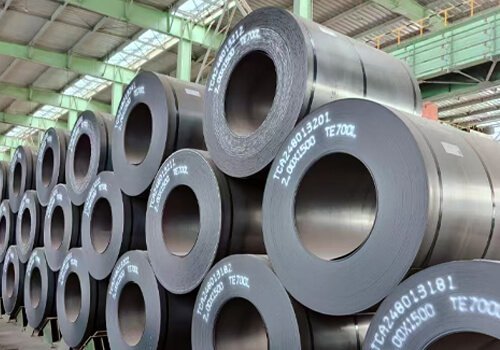
Steel’s remarkable strength-to-cost ratio is one of its biggest benefits. When correctly maintained, steel can sustain large loads, withstand impact, and retain structural stability for many years. It is a useful material for projects requiring both performance and sustainability because it is also simple to construct, weld, and recycle.
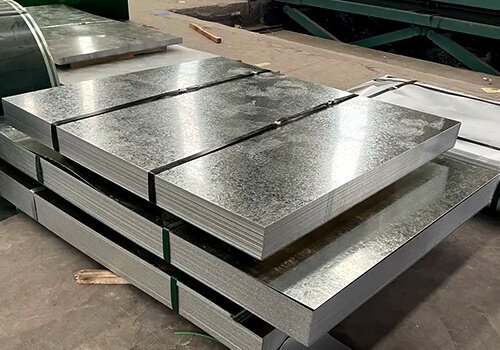
Another important benefit is the wide application of steel across industries. その強度と手頃な価格のため、, 炭素鋼 is frequently used for pipelines, 機械, と構造フレームワーク. Because of its superior resistance to corrosion, stainless steel is favored in chemical plants, 医療機器, and food processing. While alloy steels are designed for demanding applications like automobile parts, 橋, and heavy industrial machinery, galvanized steel offers extra protection in outdoor settings. These choices enable engineers and procurement managers to choose materials that best fit performance requirements, 財政的制約, and environmental conditions. When evaluating the advantage and disadvantage of steel, versatility is often one of its strongest competitive advantages.

What Are the Main Disadvantages of Steel?
Even though steel performs exceptionally well, buyers should also understand the disadvantages of steel before making a purchase. Understanding the limitations of each engineering material can lower maintenance costs, prevent unplanned failures, and enhance project planning.
The most frequent disadvantages of steel include thermal conductivity, 腐食, and its comparatively high weight. Without sufficient surface protection, standard carbon steel can rust when exposed to moisture, 化学薬品, or maritime environments. さらに, in order to prolong their service life, steel structures typically need coatings, galvanizing, or routine inspections.
Another factor to take into account is weight, particularly in comparison to lightweight materials like aluminum. For some building projects, heavier materials may result in higher foundation requirements, installation difficulty, and transportation costs. Because steel conducts heat well, structures that are subjected to extremely high or low temperatures may need to install more insulation. Notwithstanding these disadvantages, a number of them can be reduced with careful material selection, protective surface treatments, and routine maintenance. Instead of concentrating on just one component, engineers can assess the full advantages and disadvantages of steel by comprehending both its strengths and shortcomings.
Why Is Steel So Popular in Construction?
Modern cities would not exist without steel. From skyscrapers and airports to warehouses, 橋, and industrial buildings, steel provides the structural strength necessary to support large-scale construction projects. Its known mechanical qualities and production uniformity have made it the ideal material for engineers worldwide.
One important reason for its appeal is the outstanding balance of strength, 柔軟性, and construction efficiency. The advantages and disadvantages of steel structures are carefully addressed throughout project planning, although the benefits frequently outweigh the limits. Steel components are fabricated with high precision, allowing speedier installation, shorter construction schedules, and cheaper labor costs.
Another key advantage is design freedom. Steel beams, 列, and frames may span longer distances while preserving structural integrity, enabling open interior areas with fewer supporting columns. Because of its ductility, steel also functions well during seismic occurrences, allowing structures to absorb energy rather than fail abruptly. さらに, steel is extremely recyclable, enabling sustainable building techniques and lowering environmental effects. While engineers must handle corrosion protection and fire resistance, contemporary coatings, galvanized finishes, and fireproofing systems significantly improve long-term performance. These features explain why the advantages and disadvantages of steel structures continue to favor steel for commercial, residential, and industrial construction around the world.
How Does Steel Compare with Aluminum?
Steel and aluminum are two of the most extensively used engineering materials, yet each serves various functions. Buyers typically compare them while buying materials for building, 交通機関, 製造, or industrial equipment. Understanding these variances helps decrease costs while ensuring the material meets performance standards.
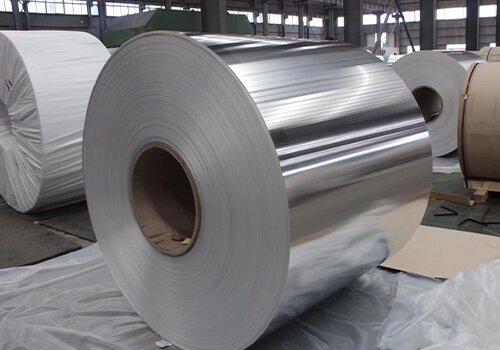
When analyzing the advantage and disadvantage of steel, strength is one of its main advantages over aluminum. Steel generally provides higher tensile strength, superior wear resistance, and greater load-bearing capacity. 一方で, aluminum is much lighter and naturally develops an oxide layer that increases resistance to corrosion. This makes aluminum a great choice for aerospace, maritime, and lightweight transportation applications.
Cost is another crucial aspect. Carbon steel is usually cheaper than aluminum, making it the favored alternative for large construction projects and heavy machinery. Steel is also easier to weld in many structural applications and gives higher stiffness under heavy loads. アルミニウム, 一方で, reduces transportation weight and enhances fuel economy in automobiles. Engineers should analyze mechanical qualities, 環境状況, maintenance requirements, and project budgets before making a selection. Comparing both materials objectively allows organizations to assess whether steel or aluminum gives the best long-term value for their specific application of steel or alternative material requirements.
How Does Stainless Steel Solve Corrosion Problems?
One of the most important considerations when choosing metal materials is corrosion, particularly for projects situated near the coast, in humid regions, or in chemical processing settings. In order to address this difficulty, stainless steel was created, which offers exceptional mechanical strength together with superior resistance to rust and chemical assault.
In contrast to carbon steel, stainless steel has a minimum of 10.5% クロム, which interacts with oxygen to form a thin passive layer on the surface. The risk of corrosion is greatly decreased by this invisible protective barrier, which continuously repairs itself when damaged. Because cleanliness and durability are crucial, stainless steel is used extensively in food processing equipment, pharmaceutical manufacturing, hospitals, 水処理施設, and maritime engineering.
Even while stainless steel is often more expensive than carbon steel, its fewer maintenance needs frequently result in cheaper life-cycle costs. Because different grades of stainless steel, のような 304, 316, and duplex, are made for different situations, engineers can combine corrosion resistance with cost considerations. Selecting the right grade reduces repair costs and downtime while guaranteeing dependable long-term performance. For consumers weighing the advantages and disadvantages of steel, stainless steel shows how cutting-edge metallurgy may successfully overcome one of the material’s conventional drawbacks without compromising sustainability, 強さ, or durability.
Is Carbon Steel Better Than Stainless Steel?
The question of whether carbon steel is superior to stainless steel cannot be answered universally because the best option depends solely on the intended usage. Both materials have special benefits, and choosing the incorrect one could result in higher expenses or worse product performance.
Carbon steel is prized for its exceptional machinability, 高強度, and affordable price. When corrosion resistance is not the main issue, it is frequently utilized in structural beams, パイプライン, pressure vessels, 機械, and automotive components. しかし, stainless steel is perfect for hygienic and corrosion-sensitive industries because of its exceptional resistance to moisture, 化学薬品, and harsh conditions.
Engineers often evaluate these two materials based on environmental exposure, maintenance expectations, and total ownership cost when assessing the advantages and disadvantages of steel structures. Stainless steel typically requires significantly less care over the course of its service life than carbon steel, which frequently needs painting, galvanizing, or protective coatings to prevent rust. While long-term installations exposed to severe weather or corrosive chemicals frequently justify the extra investment in stainless steel, budget-conscious projects may profit from carbon steel due to its cheaper initial cost. Successful procurement specialists concentrate on choosing the material that offers the optimum mix of performance, 耐久性, maintenance, and total project value rather than asking which material is generally superior.
What Factors Affect Steel Performance?
Steel’s basic composition is not the only factor that affects its performance. Price comparison alone may cause buyers to miss crucial elements that affect long-term dependability, 強さ, 耐久性, および腐食抵抗. Knowing these factors makes it easier to make sure the chosen material works as intended for the duration of its useful life.
One of the most important elements influencing performance is the chemical makeup of steel. While alloying elements like chromium, ニッケル, モリブデン, そして マンガン enhance corrosion resistance, 靭性, and heat resistance, carbon content directly affects hardness and strength. The final mechanical characteristics of steel products are also significantly influenced by manufacturing methods such as controlled cooling, heat treatment, cold rolling, and hot rolling.
Another important factor is surface treatment. Corrosion resistance is significantly increased by galvanizing, painting, 粉体塗装, and other protective treatments, especially in outdoor or maritime situations. Performance is also impacted by product quality, 寸法精度, welding techniques, and adherence to international standards like ASTM, で, JIS, or ISO certifications. When engineers weigh the advantages and disadvantages of steel, they recognize that material quality is influenced by production technique, 品質管理, and appropriate application in addition to the steel grade itself. したがって, choosing the right steel specification is just as crucial as choosing a trustworthy supplier with constant production standards.

How Can You Prevent Steel from Rusting?
One of the most frequent issues with carbon steel is rust, yet contemporary engineering provides a number of efficient ways to reduce corrosion and greatly increase the steel products’ service life. Choosing the appropriate material for the specified environment is the first step towards proper protection.
Galvanizing, which covers the steel surface with zinc to provide a barrier against moisture and oxygen, is one of the best alternatives. In industrial and coastal settings, painting, epoxy coatings, powder coatings, and specific anti-corrosion treatments all offer superior protection. The chance of corrosion occurring over time is further decreased by routine cleaning and preventive maintenance.
The selection of materials should constantly be influenced by environmental factors. Stainless steel or 亜鉛メッキ鋼 may offer more long-term value than untreated carbon steel in extremely corrosive environments like chemical plants or maritime facilities. Corrosion prevention also involves minimizing long-term water buildup, adequate ventilation, and good drainage design. Engineers may create structures that maximize longevity and minimize maintenance costs by being aware of the advantages and disadvantages of steel as a structural material. Steel can withstand difficult operating conditions for decades if the right safeguards are in place.
How Do You Choose the Right Steel for Your Project?
It takes more than just comparing costs and product details to select the best steel. Every project has different financial constraints, 環境要因, and technological specifications. Performance, 耐久性, 認証, ロジスティクス, and long-term operating expenses are all balanced in a well-informed purchase.
Determining the needs for the application is the first stage. While food processing equipment usually requires corrosion-resistant stainless steel, structural constructions may require high-strength carbon steel. Galvanized steel is frequently advantageous for outdoor infrastructure due to its extra defense against weather exposure. さらに, buyers should confirm surface polish, dimensional tolerances, mechanical qualities, and adherence to accepted international standards.
Evaluation of サプライヤー is similarly crucial. Skilled producers offer dependable logistics support, comprehensive material certifications, third-party inspection reports, various payment alternatives, 一貫した製品品質. These services help prevent expensive project delays and lower procurement risks. Procurement managers should take into account supplier experience, production capacity, delivery performance, and after-sales assistance in addition to the material itself when weighing the advantages and disadvantages of steel structure. A reliable supplier develops into a long-term business partner who can provide dependable goods and expert technical help for upcoming projects.
Is Steel Still the Best Material for Modern Industries?
Steel is still one of the most crucial engineering materials in the modern world, even with the development of sophisticated composite materials and lightweight alloys. It is still essential in many different industries due to its special blend of strength, 手頃な価格, recyclability, and manufacturing flexibility.
Today’s application of steel extends far beyond traditional construction. Bridges, high-rise buildings, autos, railroads, energy infrastructure, oil and gas pipelines, home appliances, 造船, agricultural machinery, and renewable energy projects all make extensive use of steel. Advanced high-strength steels, weathering steels, and specialty alloys that satisfy ever-tougher engineering requirements have also been developed as a result of ongoing innovation.
The overall advantages and disadvantages of steel continue to support its use in the majority of industrial applications. Modern coatings, enhanced alloy technology, and sophisticated production techniques have greatly diminished these constraints, even though corrosion and weight are still important factors. Because steel can be recycled repeatedly without losing its vital qualities, it also promotes sustainable growth by lowering resource use and its negative effects on the environment. Steel is anticipated to continue to be a top choice for engineers, 請負業者, manufacturers, distributors, and international consumers for many years to come as sectors continue to demand stronger, より安全な, and more affordable materials.
まとめ
Buyers may choose the best material, lower project risks, increase durability, and optimize long-term value for each application by being aware of the advantage and disadvantage of steel.