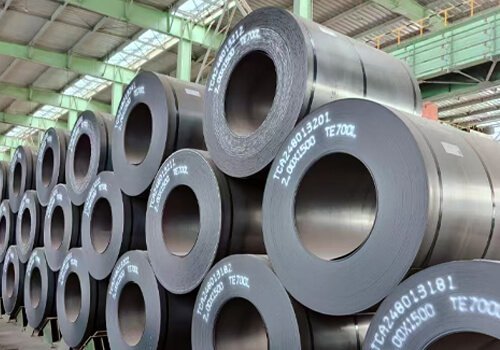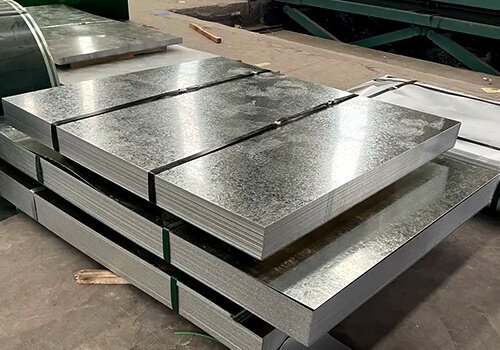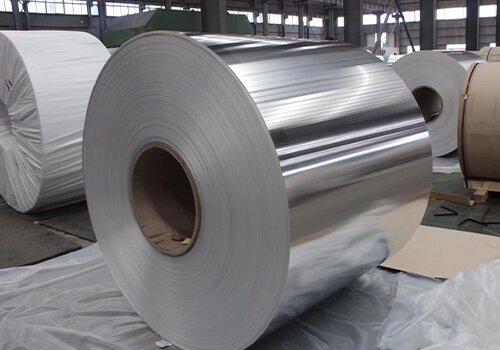
A lot of importers have trouble understanding the PPGI sheet specification. Making the wrong choices can cost a lot in shipping and installation. Let’s fix that with a guide that is easy to read and follow.
The standard PPGI sheet specification includes thickness (0.12–1.2 mm), larghezza (600–1250 mm), coating weight (40–275 g/m²), and color finish. Buyers should check ASTM, JIS, or EN standards and confirm corrosion resistance before purchase. This ensures durability, lower maintenance, and consistent PPGI sheet quality across projects.
Ora, let’s look at each important part of PPGI and PPGL sheets so you can make better choices when you buy them.
What Are PPGI Sheets?
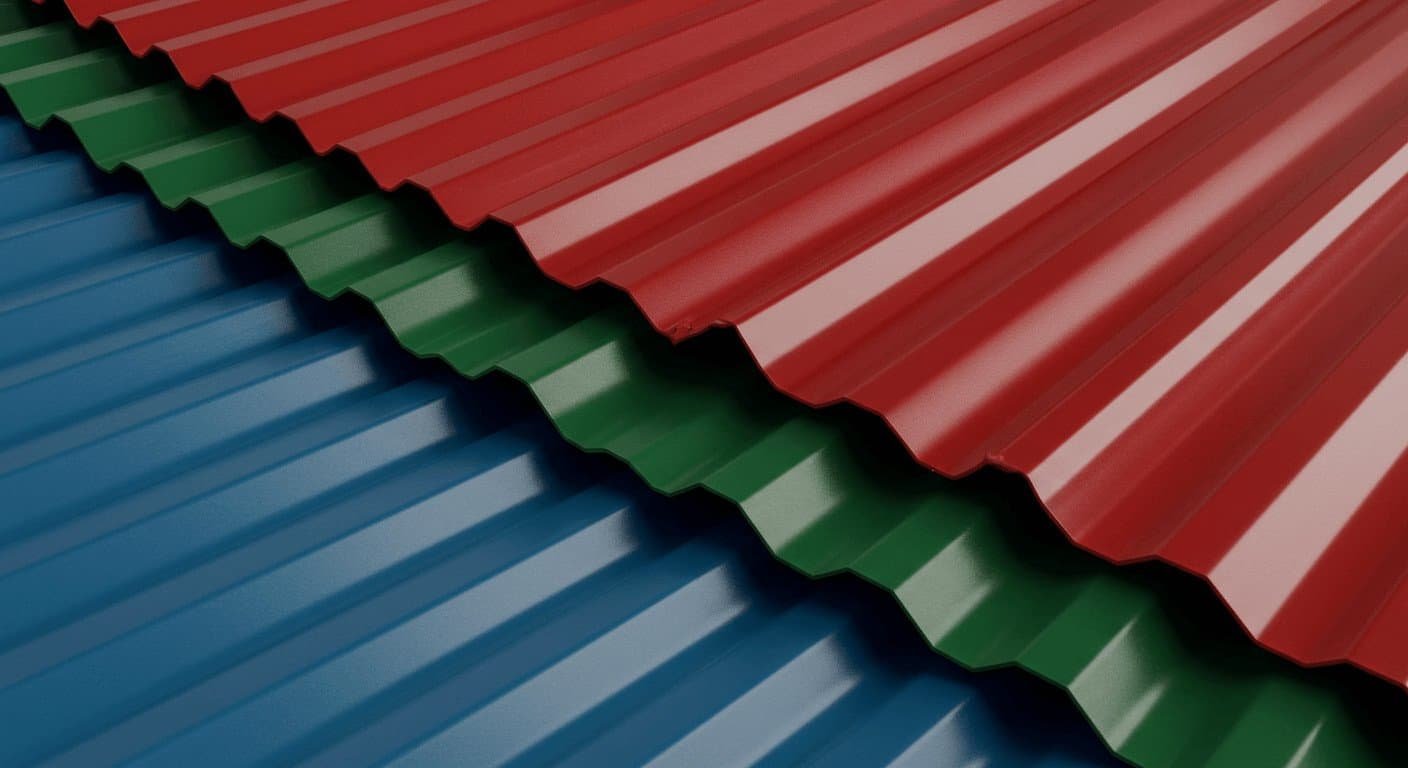
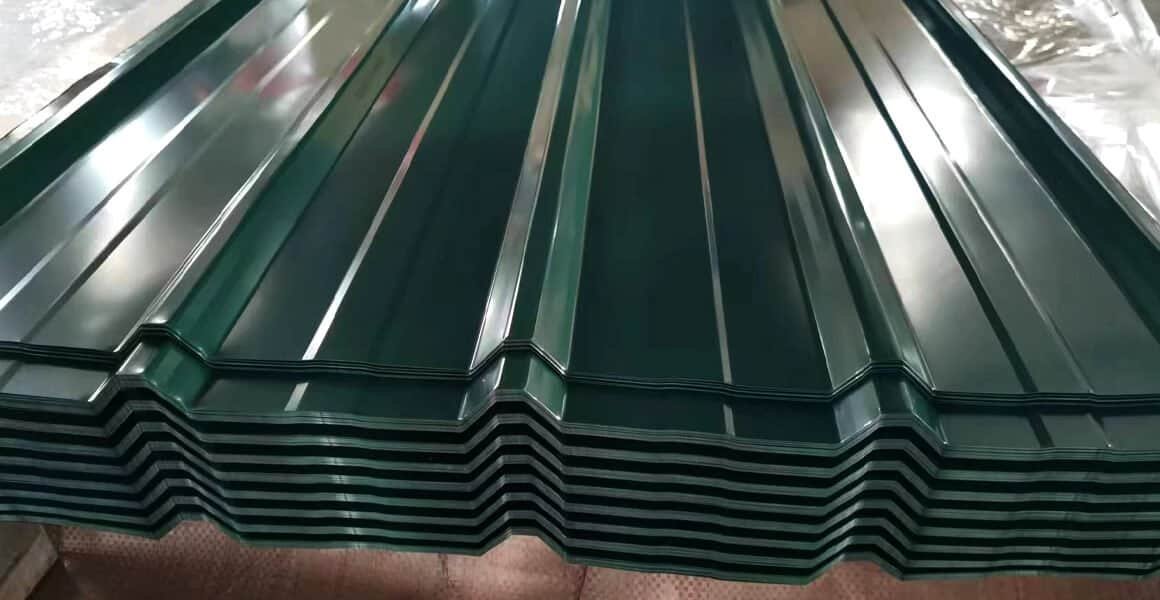
The full form of PPGI sheet is Pre-Painted Galvanized Iron. This means that it is made of galvanized steel that has been painted to protect it. These sheets are more than just pretty colors; they combine the strength of galvanized iron sheets with the beauty of modern architecture. A PPGI roof is strong and looks good, making it a great choice for homes, businesses, and factories.
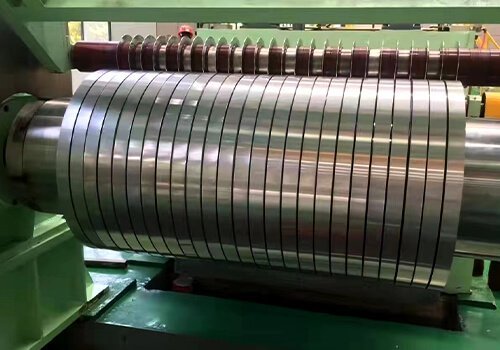
A process called continuous hot-dip galvanizing and coil coating makes PPGI sheets. The base steel gets a zinc layer to keep it from rusting, and then several layers of paint to keep it safe from the weather. This mix makes it stronger than either galvanized corrugated sheet or galvanized tin roofing sheets on their own.
Color-coated corrugated board and galvanized corrugated roofing are common roofing materials in construction, but PPGI and PPGL sheets are better at keeping their color and resisting rust. When people compare PPGI and PPGL sheets, they often choose PPGI because it is cheaper and has brighter colors.
These materials can take the place of regular corrugated galvanized metal or galvanized corrugated iron if they have the right ppgi sheet specification. Galvanized roof panels, galvanized steel roofing panels, and galv corrugated roof sheets are all examples of PPGI roof sheets. They are all strong enough to withstand bad weather and look good at the same time.
What Is The Standard Thickness Of A PPGI Sheet?
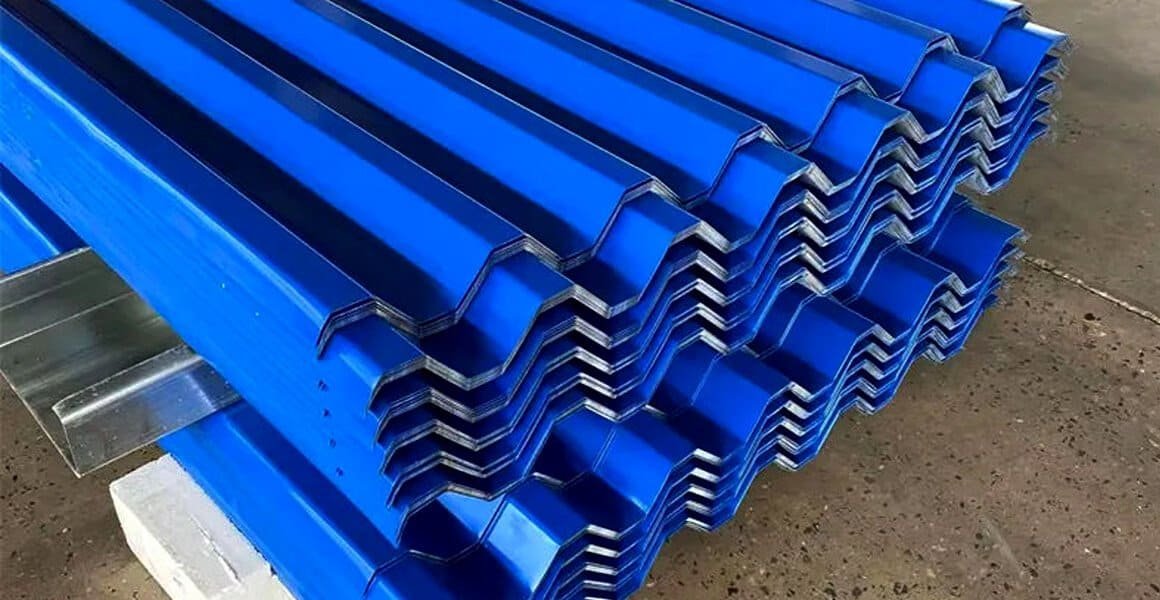
The standard thickness has a direct impact on the strength and price of ppgi sheets. It usually ranges from 0.3 mm a 1.5 mm, but this depends on how it will be used. For roofing, sheets that are 0.4 A 0.6 mm thick are common, but for structural uses, sheets that are 1.0 mm or thicker may be needed. Thinner sheets are lighter, which makes ppgi sheets lighter, but they might not be able to hold heavy loads.
The weight and thickness of PPGI sheets also affect the cost of shipping and installing them. It’s easier to work with a lighter galvanized steel corrugated roof panel, but it won’t hold up as well in high winds. Thicker galvanized corrugated steel sheets or galvanized steel roof sheets are better for protecting warehouses, factories, and infrastructure projects. They also last longer.
When comparing ppgi roof to galvanized tin roof sheets, the thickness of the zinc coating (measured in gsm) is very important. The thicker the coating, the more resistant it is to corrosion. Buyers can also choose the type of paint layer (like PE, SMP, or PVDF) that works best for the environment.
In short, the right thickness for you depends on how well it holds its shape, the local climate, and how long you expect it to last. If the galvanized roofing sheet is too thin, it will cost more to keep up. If it is too thick, the price will go up for no reason. Always make sure that the thickness of the sheet matches the project’s technical and financial needs.
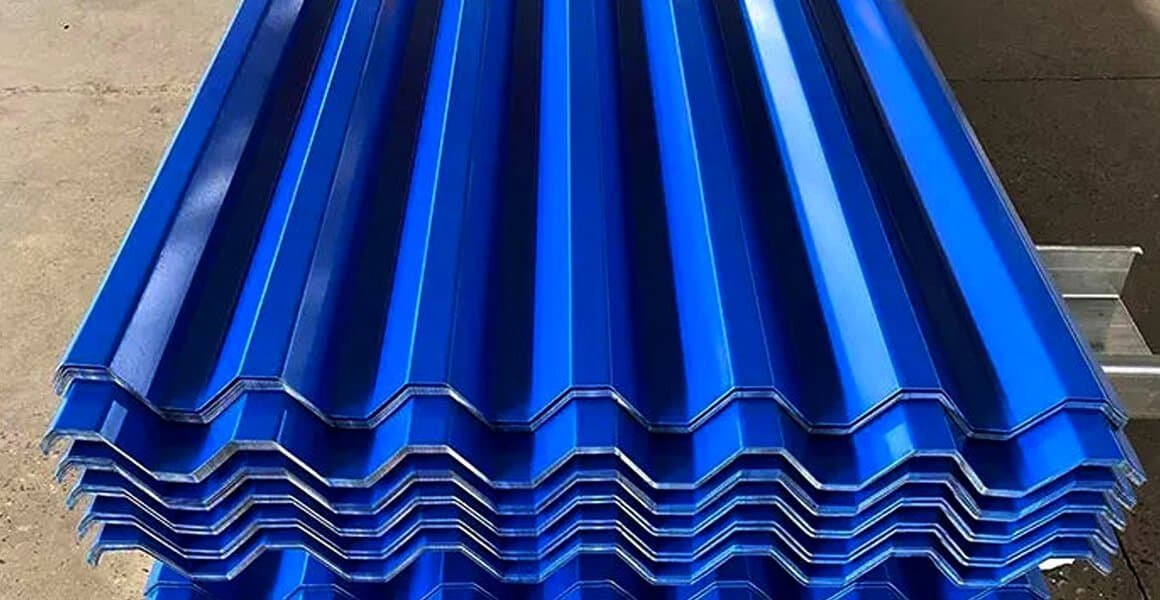
Which Is Better — PPGI Or PPGL Sheet?
The argument between PPGI and PPGL sheets is one of the most common ones among international buyers. They both use similar methods to make things, but the coating composition is the main difference. PPGI is made of pure zinc, but PPGL sheet (Pre-Painted Galvalume) has zinc, alluminio, and silicon in it. Because of this difference, PPGL color-coated sheets are better at resisting heat and corrosion.
If you want a good return on investment over time, PPGL roof and PPGL roofing sheet options work better in areas with a lot of humidity or near the coast. But PPGI is still popular because it has a wider range of colors and a lower price for ppgi sheets. Color-coated corrugated board made of PPGI works great for at least ten years in places that aren’t near the coast, with only a little bit of repainting needed.
PPGI and PPGL sheets both have smooth finishes that look great in modern offices and warehouses. But in terms of technology, PPGL profile sheet materials have better reflectivity, which means they absorb less heat. The price of ppgl sheets is higher, but the cost of maintenance is lower, so the overall investment is balanced.
When making a choice, buyers should think about the environment, how long the product will last, and how much they can spend on maintenance. Galvanized corrugated steel roofs and galvanized corrugated metal sheets can both be used as bases for PPGI or PPGL coating. Choosing the right option means better protection, less upkeep, and a higher resale value for the property.
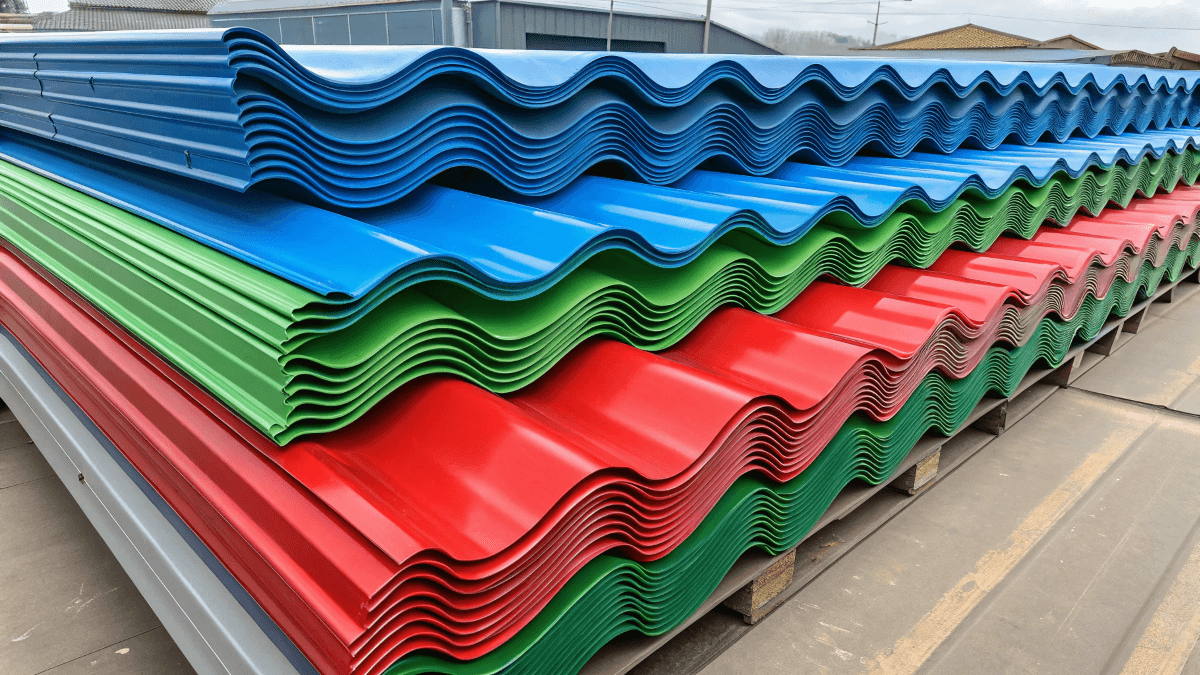
How To Check PPGI Sheet Quality Before Buying?
Quality control is an important step to take before placing an order. Unverified materials can cause galvanized corrugated roofing to fail, which can cost a lot of money. Always check the mill test certificates, coating weight reports, and supplier credentials (ISO, SGS) first.
To see how well the coating sticks, bend the sheet to see how well it holds up. A good galv roofing sheet won’t have any cracks or peeling. Look at the gloss and evenness of the surface. Flaws are often a sign of bad painting or curing.
Look at the differences in coating weights between samples of gi corrugated sheet and corrugated galvanized iron sheet. A good galvanized steel roofing panel should have at least 90 gsm of zinc coating. If you’re buying something online, ask for pictures of the packaging and shipping.
Tests of environmental durability, such as salt spray exposure, help make sure that something is resistant to corrosion. High-quality galvanized corrugated roofing sheets and panels can last more than 500 hours without rusting.
Finally, check the supplier’s reputation. Experienced exporters who have been in the steel business for 18 years will make sure that the price of GI roof sheets is clear and that the quality is always good. A reliable manufacturer makes sure that your galvanized corrugated sheet or galvanized steel panels for walls meet international standards like ASTM A755 or EN10169.
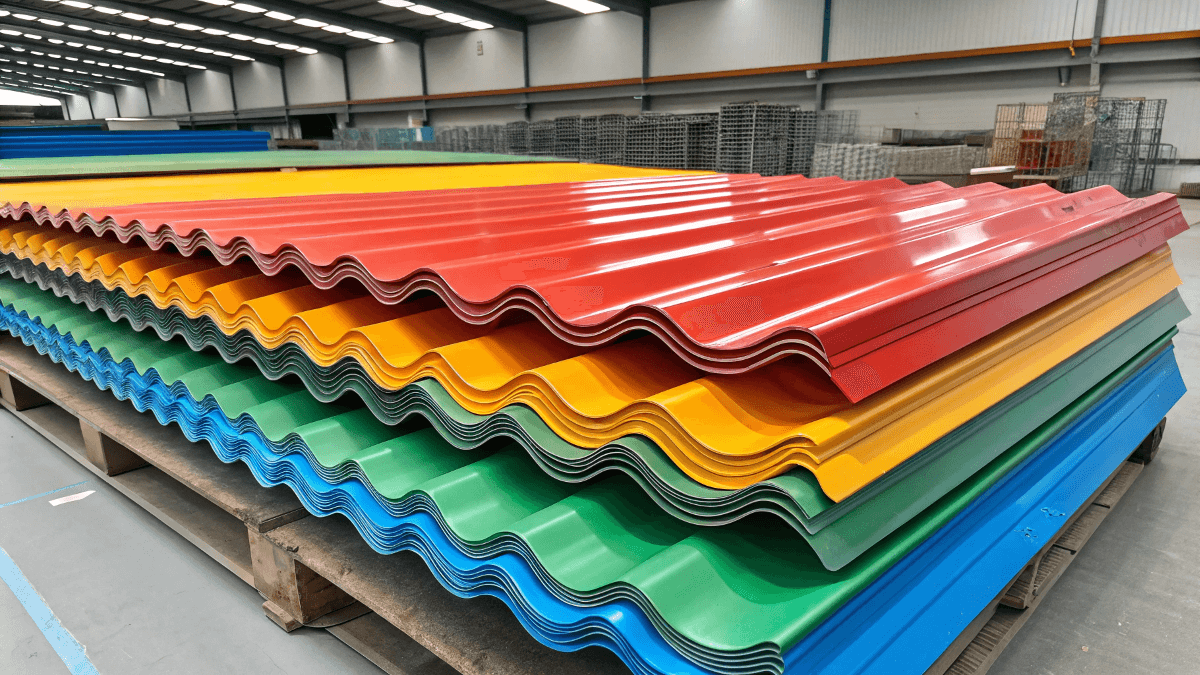
How Long Do PPGI Sheets Last?
The quality of the coating, l'ambiente, and how well you take care of PPGI sheets all affect how long they last. They last 15 A 25 years on average. Humidity and chemicals make things less durable in coastal or industrial areas. Aluminum-zinc coating on PPGL sheet alternatives can make them last up to 30 years longer.
Cleaning and checking them on a regular basis will make them last longer. Don’t let dust or moisture build up on galvanized metal roof panels or galvanized iron roofing. Water that gets stuck there will cause corrosion. Adding an extra layer of protection every few years can make a galvanized corrugated tin roof last 5 A 10 years longer.
Picking the right base metal and coating is the most important thing. The best performance for galvanized corrugated metal roofing, galvanized ribbed steel roof panels, and curved galvanized roof sheets happens when the zinc coating is more than 150 gsm.
Buyers also need to make sure that the installation is done correctly, because using the wrong fasteners can cause microcracks. Ad esempio, the price of a 10-foot galvanized steel corrugated roof panel or a 12-foot galvanized steel roof panel might seem good, but without proof of quality, the risk of it failing early goes up.
Galvanized roof panels or curved roofing sheets that are well taken care of can last for decades, saving you money in the long run and keeping your building safe.
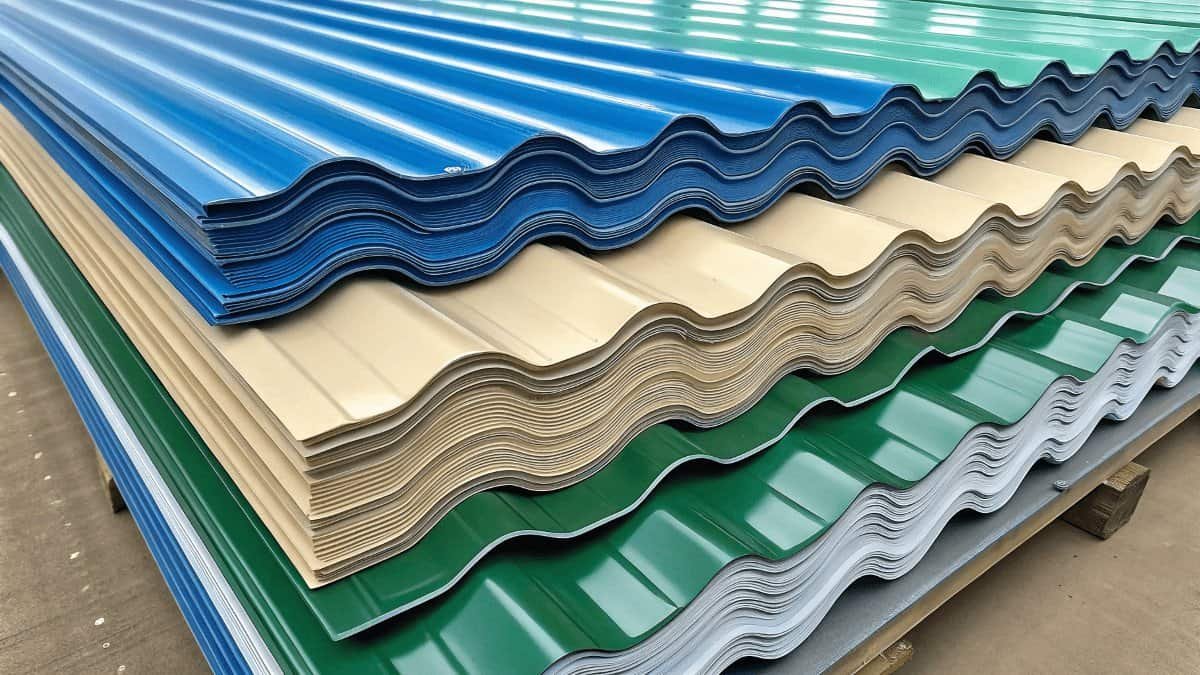
What Are Common Applications Of PPGI Sheets?
PPGI and PPGL sheets are used in many industries, such as roofing, wall panels, prefabricated buildings, and making appliances. In the construction industry, lighter and more colorful PPGI roof and PPGL roof alternatives are taking the place of galvanized metal roofing sheets, galvanized steel roofing sheets, and corrugated galvanized steel sheets.
Galvanized corrugated metal panels and corrugated galvanized iron sheets are still popular for industrial buildings because they are strong. But color-coated corrugated board and galvanized corrugated sheet options give modern designs a more attractive finish.
For warehouses and logistics centers in South America and the Middle East, galvanized steel roofing panels and galvanized corrugated steel structures are very important. Customers like PPGI and PPGL sheets because they are easy to install and can be recycled.
People still use galvanized tin roof panels and galvanized tin roofing for homes, but galvanized corrugated steel panels with paint last longer. Buyers also look at the price of galvanized roofing sheets, comparing the price of galvanized roofs per ton with how long the whole project will last.
Galvanized tin sheets, galvanized corrugated metal roofing, and PPGI roof panels are the best choice for performance, price, and looks, whether you’re building factories, malls, or homes.

Riepilogo
By knowing the PPGI sheet specification, you can find better sources, keep the price of PPGI sheets stable, make them last longer, and make sure they work better in both the construction and export markets.