
Many steel buyers face corrosion problems, quality risks, and high maintenance costs. Choosing the right material can protect projects and improve long-term value.
What is a galvanized plate and why is it important for steel applications? A galvanized plate is a steel plate coated with zinc to improve corrosion resistance, durabilité, and service life. It protects steel from rust and is widely used in construction, fabrication, and industrial applications because it offers reliable performance with lower maintenance costs.
Knowing the features and benefits of galvanized plates helps buyers select the right products and suppliers.
What Is a Galvanized Plate and How Does It Work?
A lot of consumers look up what a assiette galvanisée est. because they require steel components that offer greater protection and a longer lifespan.
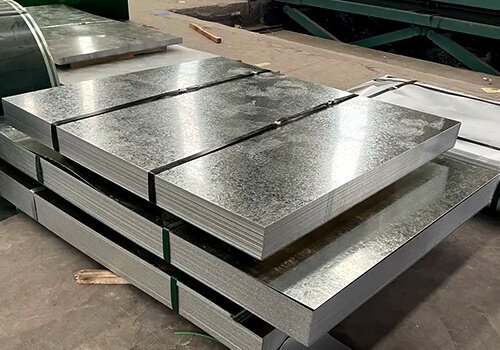
A steel plate that has had a zinc coating added via a galvanizing process is known as a galvanized plate. By preventing corrosion on the steel surface, the zinc coating helps the material remain strong and resilient in a variety of settings.
Customers typically want to know how a galvanized plate differs from regular steel when they ask what it is. Initially, a galvanized plate is just a regular steel plate. The steel surface is cleaned and coated with zinc during manufacture. The steel is shielded from outside elements, including moisture, oxygène, and chemicals, by this coating.
Corrosion resistance is the main benefit. Galvanized plates have a longer service life and can lessen rust issues compared to untreated steel. They are therefore appropriate for infrastructure projects, machines industrielles, and outdoor building. Galvanized plates are well-liked by foreign consumers because they combine zinc protection with steel strength. For businesses that want dependable materials without raising future maintenance expenses, they provide a workable answer.
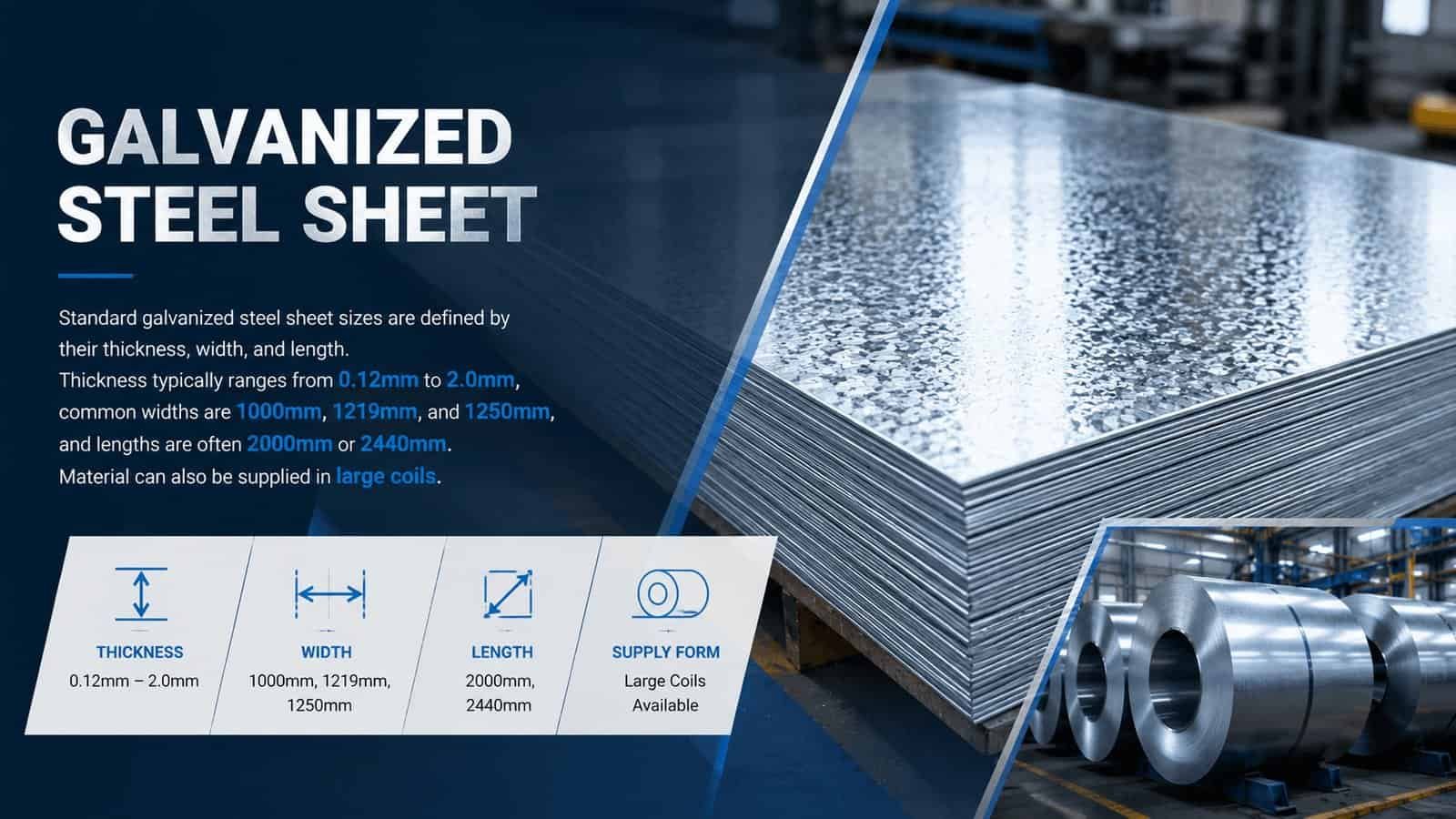
What Are the Main Advantages of Using Galvanized Plates?
Buyers of steel typically prioritize affordability, durabilité, and quality. Long-term project performance is supported by the benefits of galvanized plates.
Résistance à la corrosion, haute résistance, durabilité, ease of maintenance, and extended service life are the primary benefits of galvanized plates. These characteristics make them appropriate for manufacturers, distributeurs, wholesalers, and construction firms.
The first significant benefit of galvanized plates is their resistance to corrosion. Particularly in regions with high humidity or outdoor exposure, the zinc coating shields the steel from environmental deterioration. Durability is an additional advantage. When utilized properly, galvanized products can continue to function for many years. This lowers replacement costs and aids businesses in managing project budgets.
The key characteristics of steel, like strength, soudabilité, and recyclability, are also retained in galvanized plates. They can be processed with dependable performance for a variety of uses.Selecting galvanized plates can increase customer satisfaction for purchasers who import steel items because the end users get a product with superior protection and a longer lifespan.
How Is a Galvanized Plate Manufactured?
Avant de passer des commandes, buyers can assess supplier capability and product quality by being aware of the manufacturing process.
Steel is cleaned and coated with zinc, and quality checks are completed to create a galvanized plate. For improved corrosion protection, the galvanizing process forges a solid bond between zinc and steel.
The quality of galvanized plates is directly impacted by the manufacturing process. Steel surfaces are first cleaned to get rid of contaminants, poussière, and grease. This process guarantees that the zinc will adhere to the steel correctly. Hot-dip galvanizing is the most popular technique. In order to allow the zinc coating to adhere to the steel surface, the steel plate is submerged in molten zinc.
Manufacturers have control over key elements like mechanical performance, surface quality, and coating thickness throughout production. Because different applications call for different specifications, buyers should also consider the thickness of the galvanized plate. In contrast to equipment or industrial applications, a construction project could require a different thickness. Reputable vendors typically offer quality certificates and inspection reports to attest to the items’ compliance with client specifications.
What Are Galvanized Plates Used for?
Because they offer robust protection and consistent performance in a variety of settings, galvanized plates are utilized in numerous sectors.
Because they are strong and resistant to corrosion, galvanized plates are used extensively in building, toiture, automobile parts, machinerie, electrical equipment, et projets d'infrastructures.
One of the most common uses for plaques galvanisées is in construction. They are frequently utilized for construction components, structural elements, et systèmes de toiture. Galvanized plates are utilized in the manufacturing sector for machine parts, storage systems, and equipment. Their capacity to withstand corrosion contributes to increased product longevity.
Because automobiles require materials that can withstand prolonged exposure to various weather conditions, automakers also utilize galvanized steel. Galvanized plates are appealing to distributors and wholesalers because they may be used in a variety of industries. They are able to satisfy various consumer requests thanks to a consistent supply of various sizes and specifications.
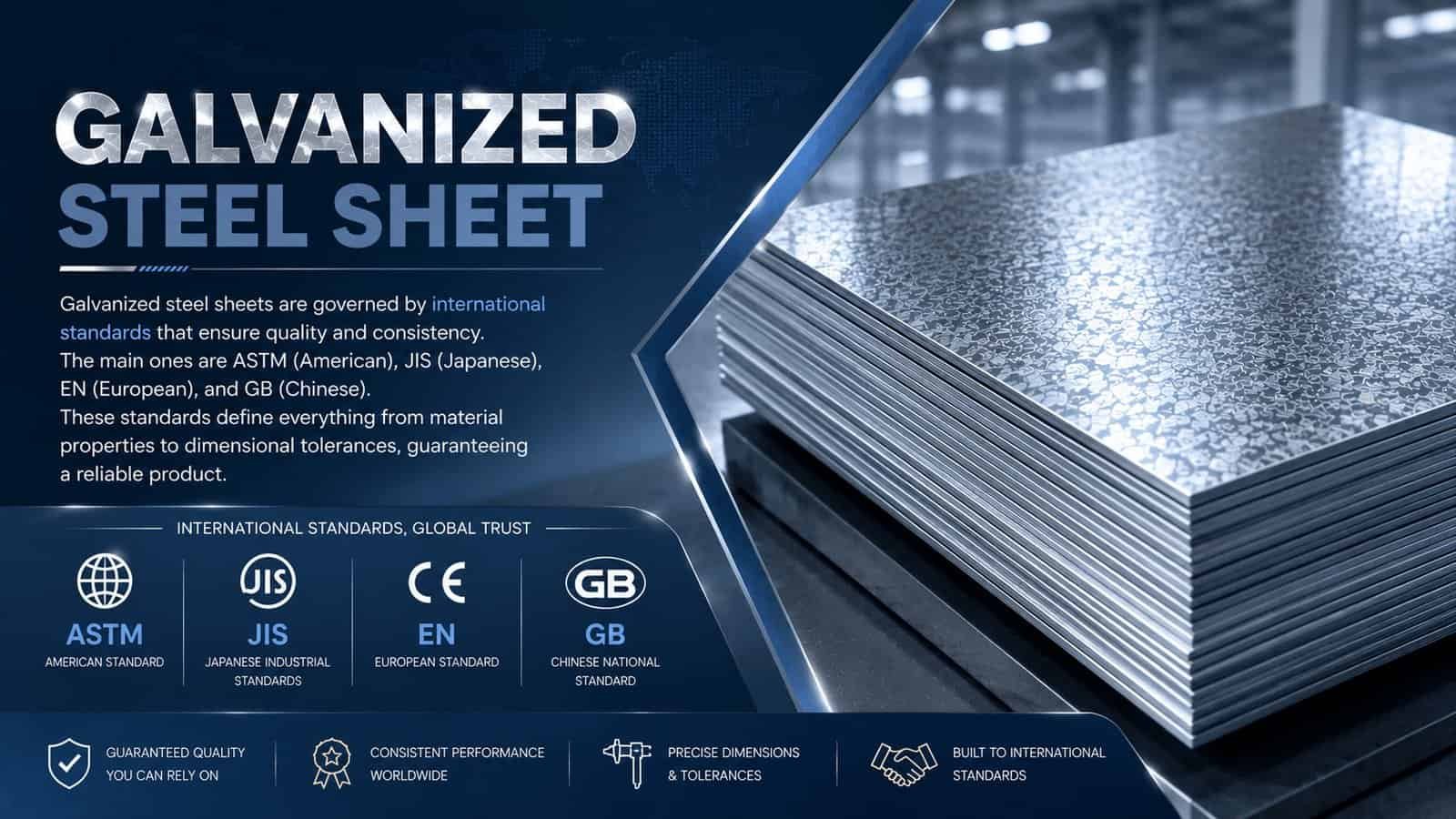
What Is the Difference between Galvanized Plate and Regular Steel Plate?
Before making a purchase, many consumers contrast galvanized plates with ordinary steel. Protection and long-term performance are the primary distinctions.
The zinc coating distinguishes galvanized steel plate from ordinary steel plate. Regular steel needs extra treatment to avoid rust, while galvanized plates offer further protection contre la corrosion.
Because of its strength and affordability, regular steel is utilized extensively. Cependant, when it comes into contact with moisture, it rusts fast. By including a zinc protective layer, galvanized plates address this issue. They are therefore better suited for long-term and outdoor applications. Galvanized plates may cost more up front, but because they require less upkeep, they frequently offer greater value overall. Product dependability is crucial for companies that import steel because subpar products might harm future sales and client connections.
How Do I Choose the Right Galvanized Plate Supplier?
Because product quality and delivery performance have a direct impact on company outcomes, selecting a trustworthy supplier is crucial.
A reputable supplier of galvanized plates should offer dependable logistics services, production experience, appropriate certifications, inspection support, et une qualité constante.
Before cooperating, foreign buyers should thoroughly assess suppliers. Check your export experience first. Suppliers with years of experience doing business internationally typically have a thorough understanding of various market demands. Examine quality control systems second. Expert providers must have inspection protocols that address dimensions, coating quality, et caractéristiques des matériaux. Troisième, think about your capacity for logistics. Inventory and sales plans may be impacted by delayed shipments, particularly during significant market seasons. A trustworthy provider should support clients with consistent quality and expert service in addition to offering competitive pricing.
What Certifications Should I Check When Buying Galvanized Plates?
When buying steel abroad, certificates assist consumers in verifying product quality and lowering risks.
When buying galvanized plates, buyers should verify product performance and dependability by looking through material certificates, inspection reports, and related quality documentation.
Documentation is crucial when buying steel abroad. Material certificates display details including product specifications, mechanical characteristics, and chemical composition. Before a product is shipped, inspection reports offer more proof of its quality. This documentation is necessary since many distributors and construction businesses need evidence that the products fulfill project or client requirements. The certification procedure is made simpler and more effective by collaborating with seasoned exporters.

How Can I Ensure Galvanized Plate Quality Before Shipment?
Delays and monetary losses might result from quality issues. Before purchasing goods, buyers require efficient examination techniques.
By examining coating thickness, dimensions, surface condition, and inspection records prior to shipment, buyers may guarantee the quality of galvanized plates.
During the entire purchasing process, quality inspections must to take place.Steel grade, size accuracy, surface appearance, and zinc coating performance are all crucial inspections.Because it influences application outcomes and product strength, the proper thickness of galvanized plates is particularly crucial.For further assurance prior to shipment, a lot of foreign purchasers often select third-party inspection services.
What Factors Affect Galvanized Plate Prices?
Although price is a significant consideration when making a purchase, consumers should be aware of the factors that affect the cost of galvanized plates.
The cost of steel, zinc, product requirements, order quantity, market conditions, and transportation costs all affect the pricing of galvanized plates.
One of the main elements influencing the cost of galvanized plates is the price of raw materials. Final quotes may be impacted by shifts in the zinc and steel markets. Product parameters are important as well. Production costs may vary depending on the sizes, épaisseur, and coating needs. Because larger orders typically result in improved manufacturing efficiency, order quantity can have an impact on pricing. When figuring out total purchasing expenses, importers should also take shipping and payment terms into account.
Why Should International Buyers Import Galvanized Plates from China?
China’s industrial capacity, supply chain advantages, and export experience have made it a significant exporter of steel.
Because Chinese fournisseurs offer reasonable pricing, enormous production capacity, quality control systems, and global shipping experience, foreign buyers select China for galvanized plates.
China boasts robust industrial resources and a well-established steel sector. Many Chinese exporters have years of expertise serving clients in Southeast Asia, le Moyen-Orient, and South America. The most crucial element for purchasers is locating a reliable supplier. A professional exporter should offer dependable delivery, consistent quality, and transparent communication. Supplier dependability has a direct impact on profit and customer satisfaction for businesses who buy steel coils and galvanized goods to resell. International buyers can obtain competitive items while upholding quality standards by selecting a seasoned Chinese supplier.
Résumé
Galvanized plates offer long-term value, durabilité, et résistance à la corrosion. Selecting the appropriate supplier enables customers to attain consistent delivery, dependable quality, and improved business expansion.