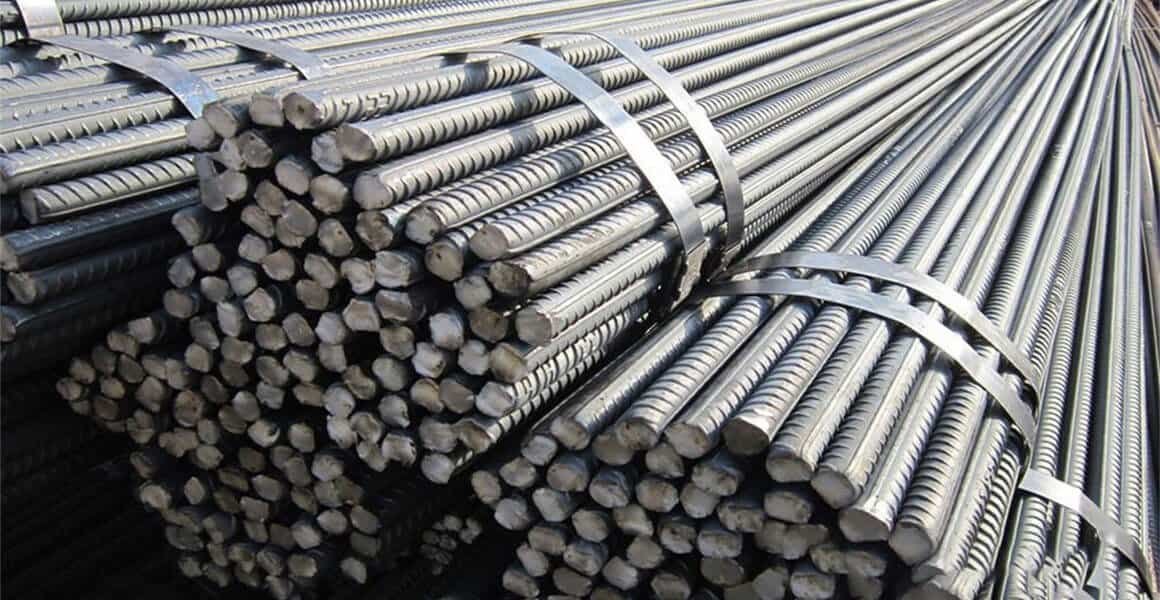
Choosing the wrong rebar size can weaken structures and increase costs. Many buyers struggle to understand steel reinforcement bar sizes and industry standards.
Standard steel reinforcement bar sizes typically range from 6 mm à 50 mm in diameter. Engineers choose specific sizes based on load requirements, structural design, and local building codes. Using a reliable rebar size chart, rebar diameter chart, or rebar size table helps contractors and buyers select the correct reinforcement steel bars sizes for foundations, poutres, colonnes, and slabs.
Understanding common rebar standards and applications helps buyers choose the right reinforcement for every construction project.
What Are the Most Common Steel Reinforcement Bar Sizes?
When working with reinforced concrete, construction professionals often come across various bar size criteria. These dimensions establish a structure’s strength and capacity to support loads. Engineers, entrepreneurs, and importers can prevent costly design errors and make proper purchasing decisions by knowing the most popular steel reinforcement sizes.
The most popular steel reinforcement bar sizes are usually between 6 et 32 mm in diameter. Each rebar diameter is intended for particular structural loads and reinforcement needs, and these rebar sizes in millimeters are frequently utilized in residential, commercial, et projets d'infrastructures.
Steel rebar diameters of 6 mm, 8 mm, 10 mm, 12 mm, 16 mm, 20 mm, 25 mm, et 32 mm are often utilized in several international construction markets. These dimensions correspond to various load capabilities and structural functions. Par exemple, slabs and small beams frequently utilize 10 mm et 12 mm reinforcing bars, whereas major structural components like columns and foundations typically employ 16 mm à 25 mm bars.
To rapidly determine the proper bar diameter and weight, contractors frequently use a rebar sizes chart. By providing optimum structural applications, weight per meter, and sizes of reinforcing steel bars, these tables make material planning easier. When working across international construction standards, using standardized charts helps to minimize confusion.
How Are Steel Reinforcement Bar Sizes Measured?
Engineers and consumers who need to guarantee precise material specifications must comprehend how rebar sizes are measured. The diameter and weight of steel reinforcement bars are commonly used to classify them, and these factors have a direct impact on structural strength and reinforcement performance.
The diameter of steel reinforcement bars is the primary measurement, and it is often given in millimeters or inches. The precise rebar thickness, poids, and structural application for each bar size can be found using a rebar diameter chart or rebar size table.
When categorizing reinforcement materials, the diameter of the bars is the most crucial factor. Bar diameters in millimeters, as 10 mm ou 16 mm bars, are typically used to identify bars in metric systems. Cependant, in the US, bars are frequently marked with numbers that indicate a certain diameter, tel que #3, #4, ou #5.
These numbering systems are translated into actual weights and measurements using a rebar diameter chart. This table is used by engineers to determine the ratio of reinforcement required for concrete structures. UN #5 bar in the U.S. system, for instance, generally translates to a 16 mm rebar diameter in metric systems.
Manufacturers and exporters often include a rebar chart or rebar size table in their product specifications. These references help buyers verify standard reinforcing bar sizes before placing large orders.
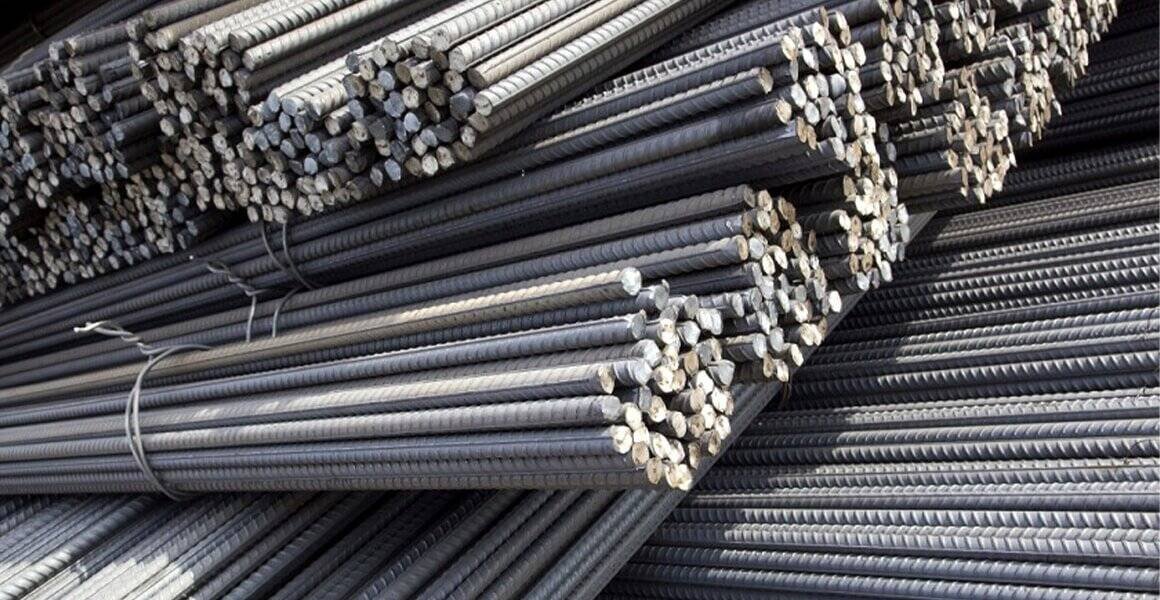
What Steel Reinforcement Bar Sizes Are Used for Foundations?
A building’s foundation bears all of its structural weight. To guarantee durability, stability, and resistance to soil pressure or ground movement, the right steel reinforcing bar sizes must be chosen.
Depending on the structural load requirements, popular rebar diameters for foundations range from 12 mm à 25 mm. When determining the proper rebar diameter and spacing for reinforced concrete foundations, engineers usually refer to a rebar size chart.
In order to distribute loads equally, 12 mm ou 16 mm bars are frequently used in grids for foundation reinforcement in residential construction. Engineers may select thicker bars, such 20 mm ou 25 mm, for larger structures or industrial facilities.
By forming a structural framework inside the concrete, these reinforcing bars greatly increase its tensile strength. Concrete constructions may fracture or collapse under high loads if they are not properly reinforced.
A rebar sizes chart that displays the spacing, épaisseur des barres d'armature, and layout pattern is part of a well-designed foundation reinforcing plan. Avant de couler le béton, contractors utilize these charts to guarantee precise installation.
To increase seismic resilience and long-term durability in large infrastructure projects, several reinforcing steel bar sizes may be used to add extra layers of reinforcement.
What Steel Reinforcement Bar Sizes Are Suitable for Beams and Columns?
The primary structural elements that distribute loads across a building are beams and columns. These components can securely withstand lateral and vertical forces thanks to the appropriate steel reinforcing sizes.
For beams and columns, typical barbe à barres en acier sizes fall between 12 et 32 mm. By consulting a rebar size chart and computing load capacity and reinforcing ratios, structural engineers ascertain the necessary rebar diameter.
Because columns support the vertical loads of the entire structure, they typically need thicker reinforcing. In multi-story buildings, columns are frequently reinforced with bars that range in size from 16 à 32 mm.
Conversely, depending on span length and load requirements, beams frequently employ combinations of 12 mm, 16 mm, ou 20 mm bars. To choose the proper reinforcing arrangement, engineers consult a rebar diameter chart.
Stirrups and longitudinal bars are part of a well-designed reinforcing layout. In addition to maintaining the proper distance between reinforcing steel bar diameters, the stirrups offer shear strength.
Contractors can guarantee uniform installation and structural dependability across the whole building structure by adhering to a common rebar chart.
What Is the Difference Between Metric and Imperial Rebar Sizes?
Various nations have various criteria for construction. For foreign consumers purchasing steel reinforcement from international providers, it is crucial to comprehend the distinction between metric and imperial rebar sizes.
Imperial systems utilize bar numbers like #3 ou #5, but metric systems use millimeters to represent steel reinforcing bar sizes. These numbers can be converted for precise comparison using a rebar diameter or size chart.
Rebar sizes in millimeters are common in nations that use the metric system, such China and the majority of Europe. Par exemple, depending on their diameter, bars may be labeled as 10 mm, 12 mm, ou 16 mm.
The United States uses a numbering system based on eighths of an inch. Par exemple:
- #3 bar ≈ 9.5 mm diameter
- #4 bar ≈ 12.7 mm diameter
- #5 bar ≈ 15.9 mm diameter
Because these systems differ, importers often consult a rebar size table to convert dimensions and ensure compatibility with local building codes.
This comparison helps buyers identify equivalent reinforcing steel bars sizes when sourcing materials internationally.
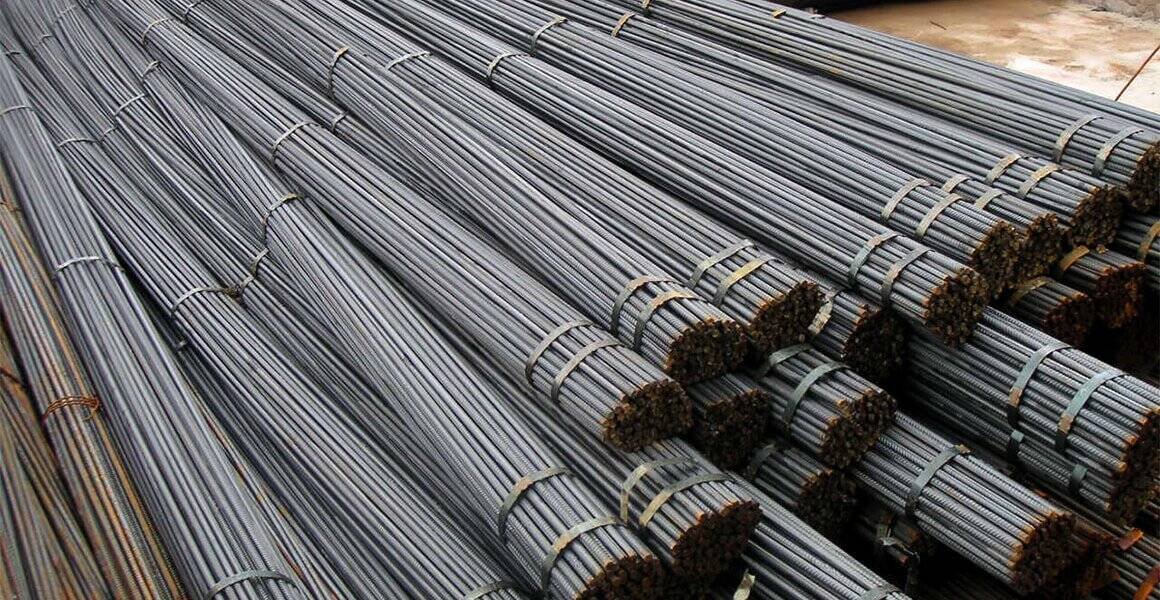
How Do Engineers Choose the Right Steel Reinforcement Bar Sizes?
Careful engineering study is necessary to choose the appropriate steel reinforcing bar sizes. Selecting bars that can sustain anticipated loads and climatic conditions is essential to structural safety.
By examining structural loads, building codes, and reinforcement spacing, engineers may calculate the proper rebar sizes. The proper rebar diameter for each structural component can be confirmed with the aid of a rebar sizes chart or rebar chart.
The choice of reinforcing bars is influenced by a number of factors. The loads that the structure must support, including dead loads, live loads, and environmental pressures, are first determined by engineers.
They then go over building codes that outline the typical sizes of reinforcing bars for various uses. These codes guarantee that buildings adhere to building codes and safety requirements.
When selecting the types and sizes of reinforcing bars, engineers also take durability, résistance à la corrosion, and installation efficiency into account.
Engineers can identify the ideal bar diameter and spacing combination to produce the necessary structural strength by using a comprehensive rebar diameter table.
What Steel Reinforcement Bar Sizes Are Used in Residential Construction?
When opposed to huge commercial structures, residential buildings usually require less reinforcing. To guarantee durability and safety, it is still crucial to select the right steel reinforcement sizes.
The majority of residential buildings employ rebar that ranges in size from 8 à 16 mm. When choosing the proper rebar thickness for slabs, poutres, and minor foundations, builders frequently consult a rebar size table.
Reinforcement bars are frequently used in concrete slabs, colonnes, poutres, and retaining walls while building a home. Floor slabs and light structural components sometimes employ smaller dimensions, comme 8 mm ou 10 mm.
Larger bars like 12 mm ou 16 mm provide additional strength in columns and load-bearing beams. Contractors often consult a rebar size table to verify the correct reinforcement configuration.
Using appropriate reinforcement steel bars sizes improves crack resistance and extends the lifespan of residential buildings.
What Steel Reinforcement Bar Sizes Are Used in Large Infrastructure Projects?
Heavy-duty reinforcement materials are needed for infrastructure projects including roads, ponts, and dams. Larger steel rebar diameters are frequently required for these projects in order to handle heavy weights and environmental stressors.
Infrastructure construction commonly uses steel reinforcement bar sizes between 20 mm et 50 mm. Engineers reference a rebar sizes chart or rebar diameter chart to select the correct diameter of reinforcement bars for high-load structures.
Heavy traffic, dynamic loads, and environmental factors like wind and earthquakes must all be tolerated by large infrastructure facilities. These factors necessitate the use of thicker reinforcement bars.
Par exemple, 32 mm or larger bars are frequently used in bridge piers to ensure structural stability. Similar to this, several layers of big-diameter bars may be used to strengthen enormous concrete sections during dam construction.
To create reinforcement schemes that adhere to stringent safety regulations, engineers use thorough rebar charts.
These designs guarantee that the diameters of the chosen reinforcing steel bars offer enough durability and strength for long-term infrastructure performance.

Do Steel Reinforcement Bar Sizes Affect Structural Strength?
The strength of reinforced concrete structures is directly impacted by the size and arrangement of reinforcement bars. For structural safety, selecting the appropriate steel reinforcing bar sizes is crucial.
En effet, structural strength is greatly impacted by rebar diameters. Tensile capacity is increased by larger rebar diameter, and optimal load distribution within reinforced concrete elements is ensured by appropriate rebar thickness and spacing.
Concrete has a low tensile strength but a high compressive strength. By offering more tensile resistance, reinforcement bars make up for this deficiency.
Greater load-bearing capacity is usually provided by larger bars, but they must be properly balanced with the right concrete cover and spacing. The best reinforcing design is found by engineers using a rebar diameter chart and rebar size table.
The building can collapse under large pressures if the bars are too narrow. Concrete placing may be challenging if they are too big or not spaced correctly.
For safe construction, it is crucial to adhere to engineering rules and specified reinforcing bar sizes.
How to Choose the Right Steel Reinforcement Bar Sizes When Importing from China?
International purchasers must pay close attention to requirements, normes, and quality control when acquiring the appropriate steel reinforcement bar sizes from foreign suppliers.
When importing reinforcement bars, buyers should verify rebar sizes, material grades, and certifications. Reviewing a supplier’s rebar size chart, rebar diameter chart, and quality inspection reports ensures the reinforcing steel bars sizes meet project requirements.
One of the biggest manufacturers and exporters of reinforced steel worldwide is China. Because Chinese manufacturers have great manufacturing capacity and cheap prices, many foreign contractors purchase steel reinforcement sizes from them.
Before placing orders, purchasers should carefully consider a number of criteria. D'abord, confirm that the fournisseur provides accurate rebar size tables showing rebar diameter, weight per meter, and manufacturing standards.
Secondly, confirm quality certificates like ISO, GV, or reports from third-party inspections. These records attest to the types and sizes of reinforcement bars meeting international construction requirements.
Packaging and logistics are also crucial factors. During shipment, damage can be avoided and standard reinforcing bar sizes can be accurately identified with proper packing, labeling, and shipping paperwork.
Buyers can minimize delays, guarantee consistent quality, and obtain dependable delivery schedules by working with seasoned exporters.
Résumé
Builders and purchasers may select the appropriate rebar sizes, guarantee structural safety, and effectively finish construction projects of any size by having a thorough understanding of steel reinforcement bar sizes.