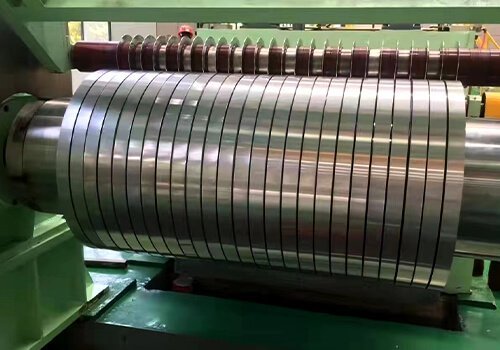
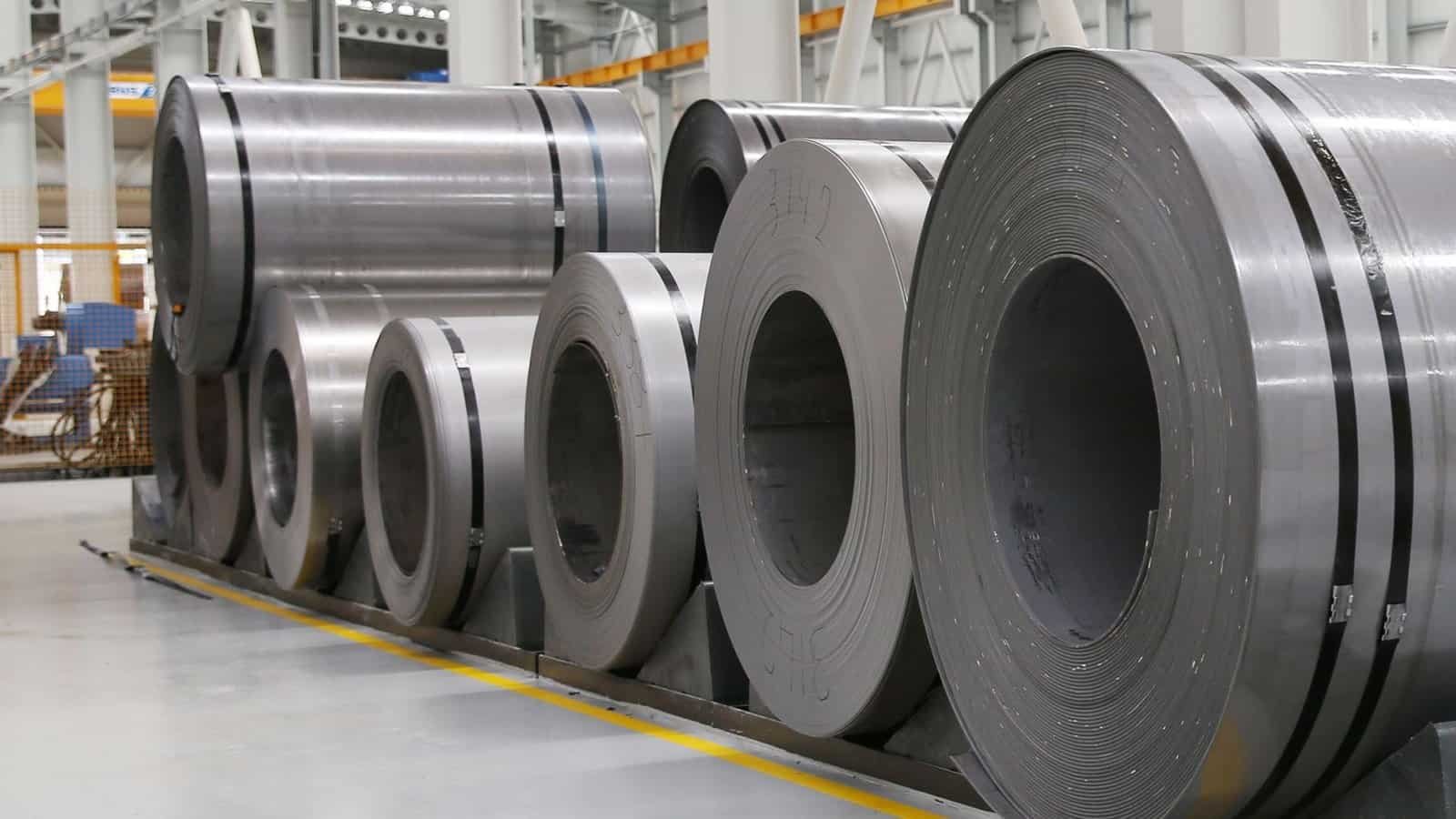
Poor-quality coils can cause production delays, rejected shipments, and lost sales. By understanding how carbon steel coils are made, we can evaluate suppliers more confidently.
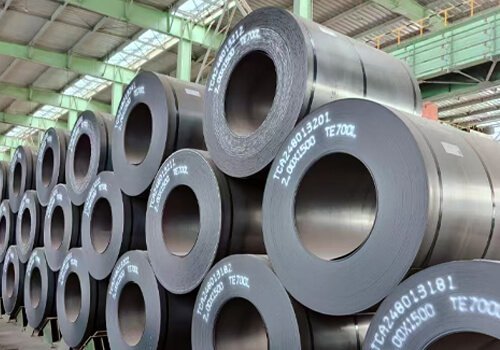
How carbon steel coil is made? Carbon steel coils are made by melting iron-based raw materials, adjusting the chemical composition, continuously casting molten steel into slabs, reheating and hot rolling the slabs, and then coiling the finished strip. Depending on the required grade and application, further processing such as pickling, cold rolling, annealing, and temper rolling may follow before inspection and shipment.
Let’s follow each manufacturing stage and see how it affects the quality buyers receive.
What Raw Materials Are Used to Make Carbon Steel Coil?
Carefully chosen iron-based raw materials are the first step in the manufacturing process. These materials could be recycled scrap steel, pig iron, direct reduction iron, or iron ore turned into iron, depending on the steel mill. The production path, available resources, steel grade, and necessary product qualities can all affect the precise raw-material mix. This beginning point is important to buyers since the final coil is ultimately influenced by the chemical makeup of the raw materials.
One important factor is carbon content in steel. A crucial component that influences weldability, ductilité, force, and hardness is carbon. But carbon isn’t the only important component. Controlling manganese, silicium, sulfur, phosphorus, and other elements in accordance with the necessary grade is also necessary. Chemical analysis and process controls are used by a trustworthy mill to maintain the composition within the authorized range.
Donc, we need to consider factors other than the selling price while assessing carbon steel coils. The stated grade, chemical composition, relevant standard, and inspection records must be verified. Important details regarding the true chemical and mechanical characteristics of a shipment can be found in a Mill Test Certificate (MTC). The selection of raw materials by itself does not ensure quality, but controlled steelmaking in conjunction with consistent input materials strengthens the basis for dependable products.
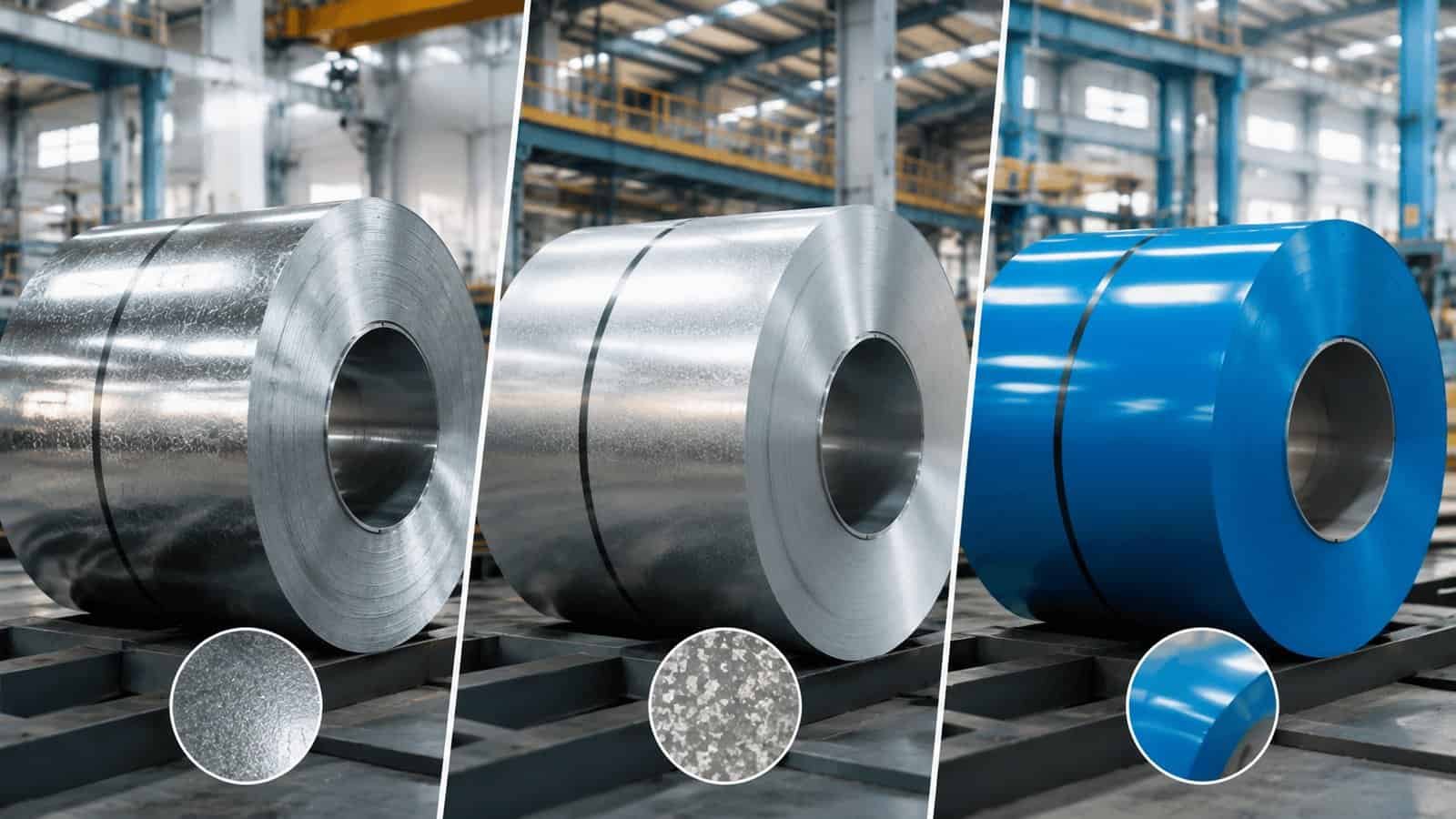
How Is Carbon Steel Made Before It Becomes a Coil?
The chosen raw materials must be transformed into molten steel before steel can be coiled. Although the entire production process might differ between companies, modern steel mills typically employ either an four à arc électrique (AEP) or a basic oxygen furnace (BOF). Temperature and chemical composition are closely watched during the steelmaking process since both can affect how well the finished product performs.
The raw ingredients are melted and purified during the steelmaking process, and undesirable components are either eliminated or regulated. The necessary grade may subsequently be attained by adding alloying additives. The goal is to create steel with a controlled chemical composition and predictable qualities, not just liquid metal. When clients need particular tensile strength, limite d'élasticité, élongation, or weldability, c'est particulièrement crucial.
Steelmaking is one of the unseen processes that affect the final coil price from the buyer’s point of view. If the composition or production controls of two products are uneven, they may appear similar after rolling but perform differently. Donc, before placing an order, we advise verifying the material grade, applicable standard, MTC, and inspection requirements. The uniformity that consumers expect from industrial steel products is established through effective process control at the steelmaking stage.
How Does Continuous Casting Turn Molten Steel Into Steel Slabs?
The molten steel is moved to continuous casting equipment once it reaches the necessary temperature and composition. The liquid steel enters a copper mold that has been cooled by water, where it starts to solidify. Steel that has partially solidified is continuously removed, cooled, and then cut into slabs that are the right size for the following stage of production.
Because it establishes a reasonably effective link between rolling and steelmaking, continuous casting is crucial. The mill must carefully regulate casting speed and cooling conditions during solidification. The quality of the final product and downstream processing can be impacted by issues with inclusions, segregation, cracks, or surface flaws. À cause de ça, even though purchasers would never witness this step firsthand, casting conditions and slab quality should be taken into consideration.
Slabs are examined and made ready for rolling after casting. The effectiveness of ensuing operations may be impacted by their size, surface condition, and interior quality. It’s important to keep in mind that a coil’s final appearance doesn’t always reveal the whole picture when evaluating a source. A crucial basis for manufacturing reliable carbon steel products is provided by stable casting, regulated cooling, and suitable inspection.
How Does Hot Rolling Produce Carbon Steel Coil?
The process of turning a steel slab into a long, thin strip that can eventually be twisted into a coil is known as hot rolling. In order to decrease the slab effectively, it must first be reheated to an appropriate temperature. After that, it goes through roughing and finishing mills, where it is shaped to the necessary width and its thickness is reduced through a series of controlled reductions.
This technique produces a carbon steel hot rolling coil that must adhere to certain metallurgical and dimensional specifications. The mill regulates rolling temperature, reduction, strip speed, épaisseur, and width throughout the rolling process. Following completion, the heated strip is cooled under carefully monitored conditions before being twisted into a coil. These controls aid in achieving the necessary dimensional tolerances and mechanical qualities.
Because downstream processing can be directly impacted by thickness tolerance, breadth tolerance, coil weight, surface condition, and mechanical qualities, hot rolling is particularly crucial for purchasers. Hot-rolled carbon steel coils can be supplied for manufacturing, industriel, structural, and other uses. Because different grades and end applications demand varied processing conditions, it is always important to ensure the exact specification before making a purchase.

What Is the Difference Between Hot-Rolled and Cold-Rolled Carbon Steel Coil?
Although both hot-rolled and cold-rolled carbon steel products are significant, they cannot be used interchangeably in all situations. Hot rolling, which occurs at high temperatures, is frequently utilized to effectively generate thicker material. Depending on the particular production process, cold rolling is typically carried out after hot rolling and entails further reduction at or close to room temperature.
Compared to conventional hot-rolled material, cold rolling can produce a smoother, more uniform surface and better dimensional control. Through deformation, it can also alter the mechanical characteristics of the material. Cependant, in order to achieve the ideal balance of strength and formability, cold-rolled materials frequently need extra procedures like annealing. Inversement, when highly smooth surfaces and extremely tight dimensions are not the main requirements, hot-rolled goods may be appropriate.
Instead of just picking the product with the cheapest price, we should start with the application when deciding between the two. Hot-rolled coil may be suitable if a customer requires material for heavy industrial components, structural fabrication, or applications where a hot-rolled surface is acceptable. Cold-rolled material might be a preferable option for applications that call for improved surface finish and dimensional accuracy.
Is Pickling or Cold Rolling Required for Carbon Steel Coil?
The post-rolling treatment needed for each carbon steel coil varies. The grade, surface specifications, dimensions, mechanical characteristics, and intended use all influence the necessary procedure. Par exemple, pickling can be used to remove mill scale from hot-rolled strip, but cold rolling can be necessary if the customer wants a different surface quality or tighter thickness control.
Pickling is the process of removing oxide scale off the surface of steel using an acidic solution. The strip may have a cleaner surface after pickling, making it better suited for further processing. The cleaned strip goes through rolling machinery to further reduce thickness if cold rolling is necessary. Annealing and temper rolling can then be employed to modify surface features, form, and mechanical qualities, depending on the product.
Whether one process is always superior is not the most important question for buyers. Whether the procedure complies with the final specification is a more pertinent concern. Avant de passer une commande, we need to verify the necessary mechanical characteristics, application, épaisseur, and surface condition. Clear technical standards assist in guaranteeing that the given product operates as planned and save needless processing.
How Is the Quality of Carbon Steel Coil Tested?
Instead of depending just on visual inspection, quality testing typically takes into account a number of factors. A mill may test chemical composition, résistance à la traction, limite d'élasticité, élongation, dimensions, surface condition, and other pertinent parameters according to the grade and purchase specifications. These tests aid in confirming whether the final coil satisfies the established technical specifications.
Because it demonstrates how the material behaves under load, mechanical testing is especially helpful. While yield strength shows the stress level connected to permanent deformation, tensile strength quantifies the highest stress the material can sustain during a tensile test. Ductility can be inferred from elongation. En plus, dimensional checks verify that width and thickness stay within the designated tolerances.
Documentation is similarly necessary for buyers from other countries. Important mechanical and chemical test findings for the given material are often documented in a Mill Test Certificate (MTC). Buyers may also ask for pre-shipment inspections, inspections par des tiers, or other certificates, depending on the terms of the contract. Rather than attempting to address quality concerns after shipment, we advise settling on the inspection standard and documentation required prior to production starting.

What Standards and Certifications Should Buyers Check?
Depending on the destination market, use, and client needs, international carbon steel products can be produced in accordance with various standards. ASTM, DANS, IL, and GB are examples of common standard systems. Without verifying the pertinent grade and technical standards, a buyer should not presume that goods created to one standard are inherently similar to those made to another.
The steel grade, standard, dimensions, surface condition, tolérances, quantity, and necessary inspection documentation should all be carefully specified when placing an order. Verifying the provided material against the purchase specification might be aided by a mill test certificate. Buyers may also schedule an independent inspection to verify dimensions, apparence, quantity, conditionnement, and specific material attributes for projects with stringent quality needs.
The end-use industry and destination countries may also have an impact on certification criteria. Pour cette raison, rather than depending on a generic certificate once the goods are finished, we should verify documents prior to manufacturing. Misunderstandings between the buyer, fournisseur, inspection firm, customs broker, and end user are decreased by clear paperwork.
How Can Buyers Choose a Reliable Carbon Steel Coil Supplier?
There should be more to selecting a provider than just comparing quotes. If the material passes inspection, the measurements are irregular, or the shipment arrives too late for the customer’s manufacturing plan, a low unit price could become costly. Production capacity, quality-control methods, technical communication, inspection assistance, packing, and export experience should all be assessed collectively.
The product grade, applicable standard, épaisseur, largeur, tolérances, coil weight, surface requirements, and anticipated lead time should all be easily verified by a trustworthy source. What inspection documentation is available should also be explained by the fournisseur. Before production, the commercial and technical confirmation should address any unique needs the buyer may have, such as a third-party inspection or particular packaging.
Another crucial factor for foreign buyers is delivery performance. Production, inspection, packing, inland transit, port handling, and ocean shipping are just a few of the processes that steel coils frequently have to go via. Sales and inventory planning might be impacted by delays at any point. Donc, rather of focusing solely on the manufacturing pricing, we advise evaluating the supplier’s communication and logistics coordination.
How Does Carbon Steel Coil Reach International Buyers?
Coils must be ready for transportation following production and inspection. During storage and transportation, proper packaging helps shield the steel from handling damage, humidité, and other hazards. Containers or other appropriate ocean-freight techniques may be used to ship coils, depending on the destination, amount, vessel configuration, and customer needs.
There is more to export logistics than just loading a ship with steel. Coordinating packaging standards, coil loading, shipment paperwork, customs details, port schedules, and delivery plans may be necessary between the supplier and the buyer. Because steel is a heavy material, loading and securing techniques are crucial. The necessary delivery date and potential variations in transit time should also be taken into account in the logistics plan.
Reliable production and logistics might be as crucial for foreign consumers. Even a technically flawless coil that is delivered too late could pose a significant marketing challenge. Donc, before placing an order, we should verify the production lead time, expected shipment schedule, packaging technique, and necessary export paperwork. Preventable delays can be minimized by maintaining clear communication throughout the process.
Résumé
Before placing an overseas purchase, customers can assess quality, caractéristiques, inspections, fournisseurs, and logistics by knowing how carbon steel coils are manufactured.