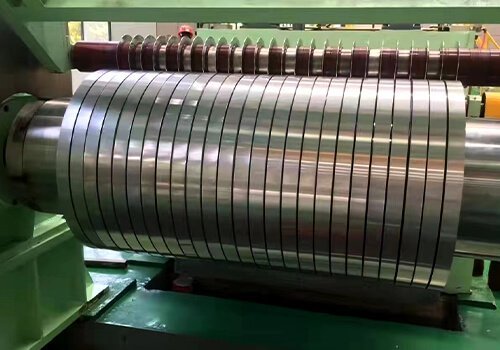
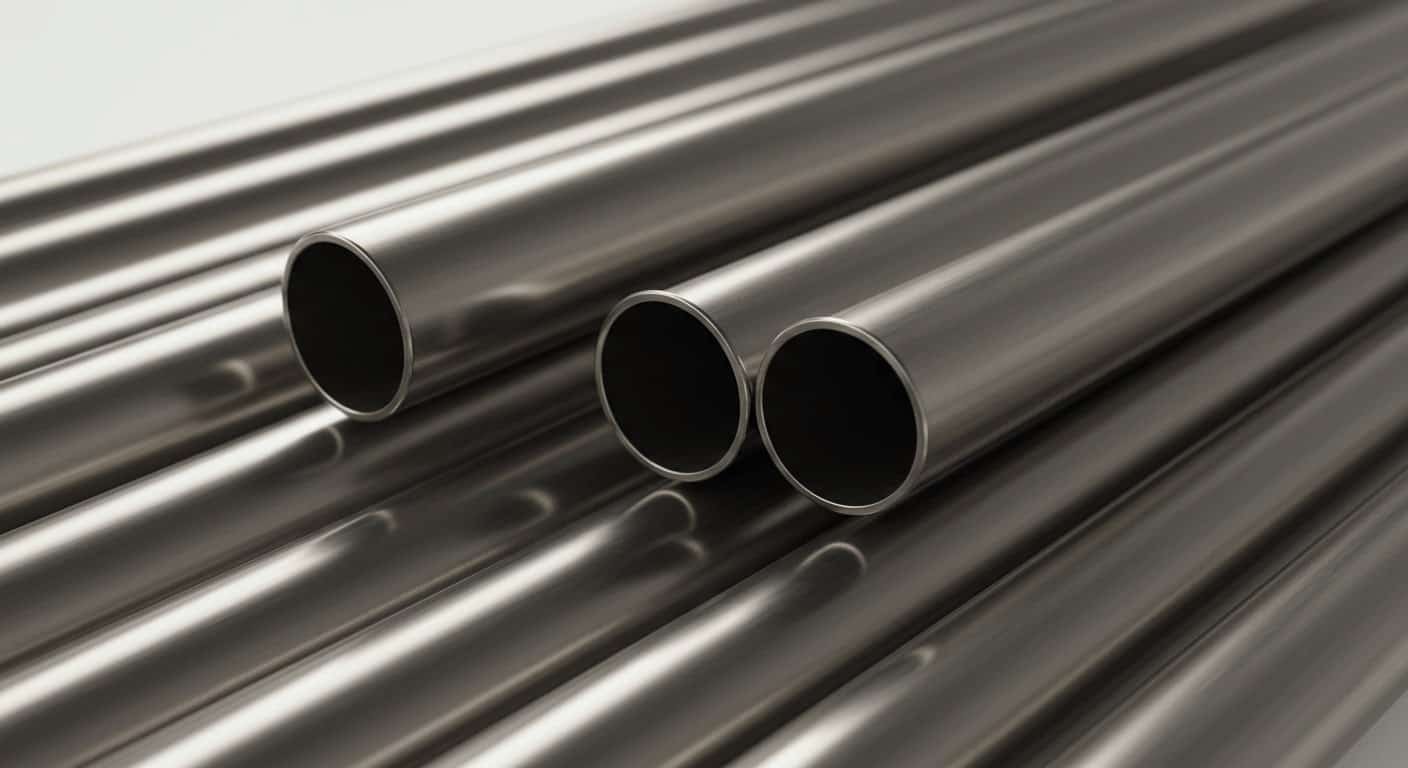
Pannes de pipelines, corrosion, et l'augmentation des coûts de maintenance résulte souvent d'une mauvaise sélection de matériaux. Une conception appropriée des tuyaux en acier améliore la sécurité, durabilité, et la performance du projet à long terme.
La conception des tuyaux en acier améliore la résistance à la pression, corrosion protection, and operational efficiency by selecting suitable materials, épaisseur de paroi, and coatings. Well-designed steel pipes reduce maintenance costs, extend service life, and improve safety in construction, pétrole et gaz, et applications industrielles.
Understanding modern pipe engineering helps buyers choose durable and cost-effective solutions for global industrial projects.
What Materials Are Commonly Used in Steel Pipe Design?
One of the most crucial aspects of steel pipe design is material selection since it has a direct impact on strength, durabilité, résistance à la corrosion, and project cost.
Because each material has unique benefits in terms of performance and cost-effectiveness, carbone, alloy steel, tuyau en acier inoxydable, and galvanized steel pipe products are frequently utilized in industrial applications.
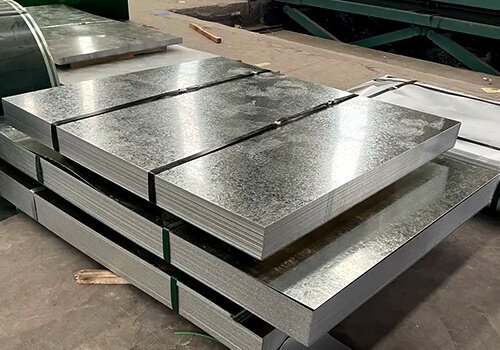
Because carbon steel combines great strength with a competitive steel pipe prix, it continues to be one of the most popular materials. Transportation systems, industrial pipes, and building structures all frequently employ it. Chemical facilities, maritime engineering, and food processing can all benefit from the superior corrosion resistance and hygienic performance of stainless steel pipes. Galvanized steel pipes are perfect for outdoor settings and water transportation systems because they use a zinc coating to prevent rust. Knowing the many kinds of steel pipes enables consumers to select goods that meet project specifications while keeping long-term expenses under control.
How Does Wall Thickness Affect Steel Pipe Performance?
Pressure resistance, structural safety, transportation costs, and the general longevity of industrial pipe systems utilized in harsh settings are all impacted by wall thickness.
Thinner walls in steel pipe design save weight and installation costs for lower-pressure applications, but thicker walls increase durability and pressure resistance.
Schedule numbers like SCH40 and SCH80 are frequently used to measure wall thickness. Stronger pressure resistance and thicker walls are characteristics of pipes with higher schedule numbers. Because internal pressure can reach very high levels in oil and gas transportation systems, larger pipes are frequently needed. Thinner pipes can be used in construction and water transportation projects to lower material costs and make installation easier. To determine the necessary wall thickness based on temperature, pression, et facteurs environnementaux, engineers often use steel pipe design illustrations. Correct wall thickness selection improves operational safety while avoiding unnecessary increases in steel pipe price caused by overdesign.
Why Is Corrosion Resistance Important in Steel Pipe Design?
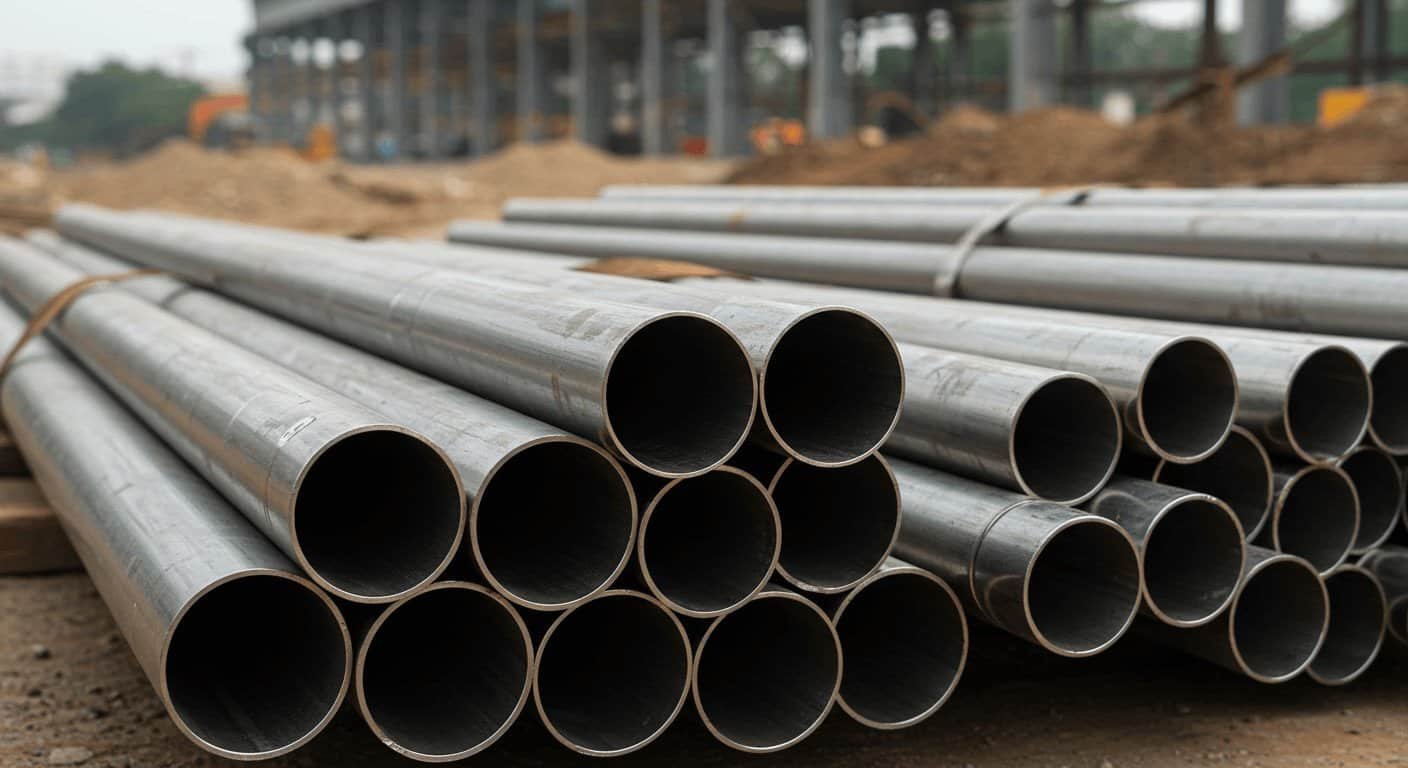
Pipelines can be harmed by corrosion, which can also disrupt operations and raise maintenance costs. Pipelines with strong corrosion resistance can continue to operate steadily for many years.
Because it guards against rust, leaks, contamination, and structural damage in challenging working conditions, corrosion resistance is crucial in the design of steel pipes.
Many companies are curious about the utilization of steel pipe in corrosive environments. In offshore engineering, traitement chimique, water transportation, and industrial production systems where moisture exposure is inevitable, steel pipes are extensively utilized. Chrome, which is present in stainless steel pipes, creates a corrosion-resistant coating. In humid and toxic situations, this greatly increases service life. Because of its zinc coating, a galvanized steel pipe further enhances corrosion protection. In order to further minimize maintenance needs, modern stainless steel pipe designs frequently incorporate cutting-edge surface treatment methods. Buyers can lessen operational hazards and long-term replacement costs by selecting corrosion-resistant materials.
How Do Manufacturers Test Steel Pipe Quality?
Low-quality pipes may malfunction while in use and pose major safety threats to infrastructure systems and industrial projects if stringent testing protocols are not followed.
To guarantee the quality and dependability of their products, manufacturers test steel pipes using hydrostatic testing, ultrasonic inspection, chemical analysis, and dimensional measurements.
Hydrostatic testing determines whether pipelines can withstand internal pressure without leaking. Ultrasonic testing finds structural flaws or concealed fissures in the steel. In order to confirm that the steel satisfies international production requirements, manufacturers also conduct chemical composition analysis. Before shipment, many customers ask for comprehensive quality certificates and third-party examinations.
Expert exporters frequently showcase their manufacturing capabilities and quality control processes with production films and steel pipe design photos. In international marketplaces, dependable testing procedures boost suppliers’ long-term business partnerships and boost customer confidence.
What Are the Main Types of Steel Pipes Used in Construction?
Depending on the pressure requirements, installation techniques, and environmental factors in different industrial applications, different pipe structures are needed for construction projects.
Euh, seamless, LSAW, and SSAW pipes are the primary varieties of steel pipes used in construction; each has unique benefits.
Electric resistance welding is utilized in the production of ERW pipes, which are popular due to their consistent quality and reasonably priced steel pipe. Seamless pipes have superior pressure resistance for oil and gas systems because they are made without welded seams. Large-diameter transportation projects, including water supply infrastructure, can benefit from LSAW pipes. SSAW pipes are frequently chosen for lower-pressure fluid transportation systems and employ spiral welding technology.Before manufacturing starts, engineers produce comprehensive steel pipe design images during project planning to assess material performance, installation techniques, and pressure requirements.
How Does Steel Pipe Design Influence Pressure Resistance?
Because weak pipe systems may fail under high-pressure industrial operating situations and pose significant operational dangers, pressure resistance is essential for pipeline safety.
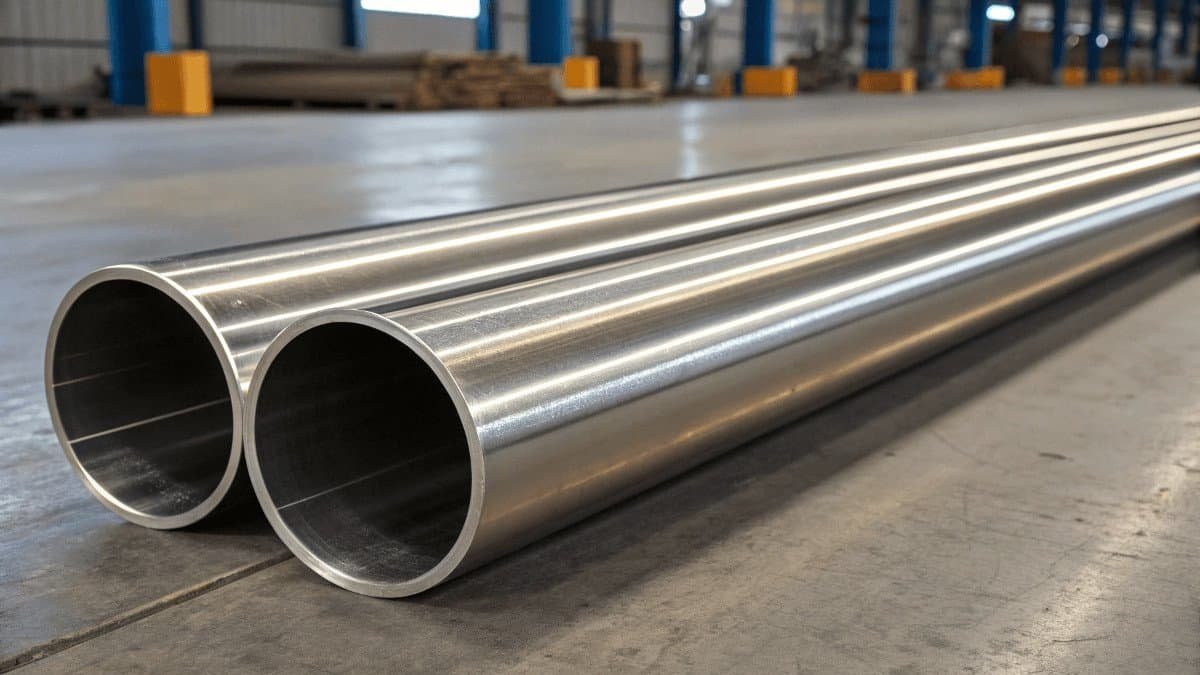
In order to guarantee safe industrial operation, steel pipe design affects pressure resistance through wall thickness, material strength, diamètre, and manufacturing quality.
Because pipelines frequently run under extremely high internal pressure, oil and gas transportation systems need to have significant pressure resistance. While thicker walls enhance structural stability, smaller pipe sizes typically offer better pressure performance. Because shoddy welding can undermine the entire pipeline system, manufacturing quality is particularly crucial. A properly engineered stainless steel pipe design performs effectively in high-pressure and corrosive environments. Before production begins, engineers detect stress areas and maximize structural performance using sophisticated software and steel pipe design graphics. Strong pressure resistance lowers the possibility of unplanned pipeline failures and enhances operational safety.
What Certifications Should Buyers Check Before Importing Steel Pipes?
Because technical standards have a direct impact on pipeline quality, safety performance, and import compliance requirements, foreign purchasers must carefully check product certificates.
Buyers can verify that steel pipes fulfill global quality and production requirements for industrial applications with the use of ASTM, API, ISO, and EN certificates.
While API certification is crucial for oil and gas projects, ASTM standards are frequently used in American and South American markets. A manufacturer’s adherence to worldwide quality management systems is proven by ISO certification. In European building and industrial projects, EN standards are frequently mandated. Before shipment, reputable suppliers offer comprehensive documentation, such as mill test certifications and inspection reports. Although certified items may cost more for steel pipe, they can lower operating hazards and long-term maintenance costs, so buyers should carefully examine certifications. Selecting authorized suppliers enhances international business collaboration and increases project reliability.
How Can Steel Pipe Design Reduce Long-Term Maintenance Costs?
Regular pipeline repairs disrupt production and raise operating costs. Businesses may increase profitability and decrease the frequency of maintenance using high-quality plumbing systems.
By improving corrosion resistance, strengthening structural performance, and extending operational service life, advanced steel pipe design lowers maintenance expenses.
Over the course of industrial projects, maintenance costs frequently surpass the initial purchase price. Because the zinc coating shields the steel surface from environmental exposure, galvanized steel pipes require fewer repairs due to rust. In humid conditions, a stainless steel pipe also reduces contamination and corrosion issues. In order to make future maintenance simpler and less costly, modern steel pipe design focuses on increasing installation efficiency and inspection accessibility.
Higher-quality materials frequently offer more long-term value by lowering maintenance frequency, operational downtime, and replacement costs, even if they may initially cost more for steel pipes.
What Industries Commonly Use Advanced Steel Pipe Design?
Durable piping systems are essential to modern businesses for infrastructure development, fabrication, transport, and building in international industrial markets.
The oil and gas, construction, water transportation, power generating, and chemical processing industries all make extensive use of advanced steel pipe design.
Because steel pipes are so strong and long-lasting, construction companies utilize them for huge commercial buildings, ponts, and structural support systems. For the safe transfer of petroleum products, the oil and gas sectors rely on pipelines that can withstand pressure. Stainless steel pipe systems are frequently used in water treatment plants because they are resistant to contamination and preserve purity. Because they work well in outdoor settings, galvanized steel pipe products are frequently used in agricultural irrigation projects.Modern stainless steel pipe design is also important in chemical plants and power stations where high temperatures and corrosive materials are present. These applications clearly demonstrate what is steel pipe used for in today’s industrial economy.
How Can Buyers Choose a Reliable Steel Pipe Supplier?
Selecting the incorrect supplier can lead to poor product quality, delayed shipments, and financial losses that undermine long-term business operations and client confidence.
Before buying steel pipes abroad, buyers should consider certifications, export experience, production capacity, quality control systems, and delivery performance.
Before production starts, reputable fournisseurs typically offer comprehensive technical paperwork, inspection certificates, and thorough quotes. Skilled exporters help buyers lower shipping risks by understanding international quality standards, logistics management, and customs regulations. Before placing big orders, many customers ask for photos of steel pipe designs, factory audits, and customer references. Stable steel pipe pricing structures and expert communication throughout the transaction procedure are other qualities of a reliable provider.
Businesses with a lot of export experience in Southeast Asia, le Moyen-Orient, and South America frequently have a deeper understanding of local market demands and can offer more dependable long-term partnership options.
Résumé
In addition to lowering maintenance costs and industrial project risks, proper steel pipe design increases durability, sécurité, résistance à la corrosion, and long-term operational efficiency.