Choosing the right material for your project can be difficult, especially when balancing cost, durabilité, et performances. Let’s compare galvanized steel vs stainless steel to help you decide.
What is the difference between galvanized steel vs stainless steel costs? Understanding the difference between galvanized steel and stainless steel is essential for selecting the best option for your needs. Factors such as cost, manufacturing processes, and long-term performance can significantly impact your decision. This article breaks down the galvanized vs stainless steel cost comparison and guides you through the factors to consider when choosing between these two popular materials.
Let’s explore how galvanized steel and stainless steel compare in terms of cost and other crucial factors.
Is Galvanized Steel Cheaper Than Stainless Steel?
One of the first queries that come up when comparing galvanized and stainless steel is if the former is more affordable. Dans la plupart des cas, the response is “yes.” Because it uses less expensive ingredients and has a simpler manufacturing method, galvanized steel is more reasonably priced.
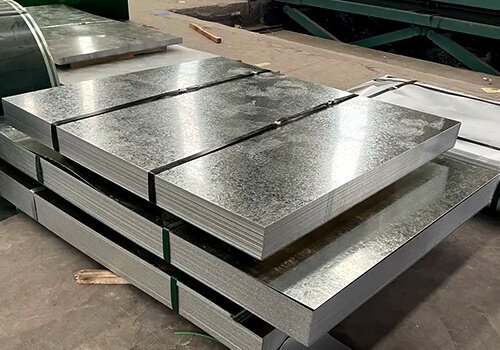
Acier au carbone is coated with zinc to generate galvanized steel. This method is effective and reasonably priced. Acier inoxydable, d'autre part, is an alloy of steel that contains metals like nickel and chromium. Because of its complicated composition and manufacturing requirements, stainless steel is more costly.
Galvanized steel might not always be the most economical choice over time, despite its initial cheaper cost. It might need greater upkeep in challenging conditions, which might eventually result in higher expenses. Acier inoxydable, d'autre part, is more expensive initially but lasts longer and requires less upkeep, particularly in high-temperature or corrosive settings.
What Affects Galvanized Steel Cost?
The price of raw materials, the coating method, and the steel’s thickness all affect how much galvanized steel costs. Although the price of galvanized steel is usually less than that of stainless steel, the ultimate cost depends on the particulars of your project.
Par exemple, electro-galvanizing, which employs an electrical method to connect the zinc to the steel surface, is less expensive than hot-dip galvanizing, which submerges the steel in molten zinc to form a thick and permanent coating. The process you select will affect the material’s durability as well as its initial cost.
En outre, steel gauge is also very important. Since more materials are needed and the coating process may need more manpower, thicker galvanized steel coils or sheets will inevitably cost more.
What Affects Stainless Steel Cost?
Stainless steel is more expensive due to a number of important considerations, the most important of which being its composition. Chrome, nickel, and molybdenum are among the elements added to steel to create stainless steel. Although these alloys provide stainless steel its exceptional durability and resistance to corrosion, they also raise the cost of the material.
Stainless steel necessitates a more intricate manufacturing process in addition to the alloying components. Stainless steel requires several phases of alloying, melting, et finir, in contrast to galvanized steel, which just requires a zinc coating. Stainless steel is more expensive as a result of these extra procedures.
Another important determinant of cost is the grade of stainless steel. Par exemple, 316 acier inoxydable, which contains more nickel and molybdène, is more costly because of its improved corrosion resistance and better performance in hostile settings, mais 304 stainless steel is extensively used for general purposes.
How Does the Manufacturing Process Impact the Cost of Galvanized Steel vs Stainless Steel?
One of the main factors influencing the price difference between stainless steel and galvanized steel is the manufacturing method. The production of galvanized steel is rather easy. Compared to the intricate process of making stainless steel, coating carbon steel with zinc (either by electroplating or hot-dip galvanizing) uses less energy and materials.
En revanche, raw elements such as iron, chrome, nickel, and other alloys must be melted to create stainless steel. Before being processed into sheets or coils, these materials are combined at high temperatures in electric arc furnaces. Stainless steel is more costly than galvanized steel because to the intricacy of this procedure.
In order to improve the material’s resistance to corrosion, stainless steel is also polished or passivated during the finishing phases. This increases processing time and personnel costs, which eventually affects the cost.

What Are the Maintenance Costs for Galvanized Steel Compared to Stainless Steel?
Even while galvanized steel could be less expensive initially, it usually requires more upkeep over time, particularly in severe settings. Au fil du temps, the zinc coating on galvanized steel may erode, causing corrosion and necessitating a new coating. This implies that during the course of its lifetime, acier galvanisé may require more maintenance depending on the environment.
Cependant, in terms of upkeep, stainless steel has a big benefit. Stainless steel requires little upkeep because of its natural resistance to rust and corrosion. You will save money on long-term maintenance because you won’t need to repair or re-coat it as frequently due to its resistance to corrosion in high-humidity settings, produits chimiques, et des températures extrêmes.
Which Material Offers Better Value for Money in Harsh Environmental Conditions?
Stainless steel is typically more cost-effective in challenging environmental circumstances, such as exposure to moisture, sea, or extreme heat. Because of its exceptional resistance to corrosion, stainless steel is a great option for projects that will be subjected to harsh conditions for prolonged periods of time, even though its initial cost is higher.
Stainless steel’s inherent resistance is more resilient than galvanized steel’s zinc covering, even if the latter may function well in mild weather. Galvanized steel may rust or deteriorate over time, necessitating further upkeep or recoating. Because of its durability and low maintenance, stainless steel turns out to be a more economical choice over time in sectors including construction, traitement chimique, and the maritime industry.
How Do Steel Prices Fluctuate and Affect Galvanized Steel vs Stainless Steel Costs?
The cost of galvanized vs stainless steel is mostly determined by the pricing of raw commodities like iron ore, nickel, and zinc. Particularly important for stainless steel is nickel, whose price might fluctuate. Because of this, stainless steel is more prone to price swings and frequently costs more than galvanized steel.
Even though galvanized steel is often less expensive, changes in the price of zinc might still have an impact. The price of galvanized steel may rise in response to an increase in zinc; cependant, this effect is often less pronounced than the price swings of stainless steel caused by nickel.
For businesses looking to forecast costs, it’s essential to keep an eye on global commodity markets and how zinc and nickel prices influence galvanized steel vs stainless steel cost.
Is It Worth Investing in Stainless Steel Over Galvanized Steel for Long-Term Projects?
Despite its higher initial cost, stainless steel is frequently a superior investment if you’re working on a long-term project. Although galvanized steel may be less expensive at first, it can deteriorate with time, especially in corrosive conditions, increasing maintenance and replacement expenses over time.
Because stainless steel is so durable, it can save money over time by requiring fewer repairs or replacements. Investing in acier inoxydable could end up being more cost-effective in the long run if your project calls for durable materials or high-end uses.
Which Material Is Better for Your Project’s Budget?
The budget and long-term objectives of your project should be taken into account when choosing between galvanized steel vs stainless steel. When corrosion is not a big concern, galvanized steel is perfect for short-term or low-budget applications. Cependant, the increased cost of stainless steel could be justified for projects requiring long-term performance and endurance.
The decision between galvanized steel vs stainless steel ultimately boils down to weighing upfront expenses, upkeep requirements, and longevity
Résumé
The choice between galvanized vs stainless steel depends on your project’s needs.Although stainless steel may be more expensive initially, it requires less upkeep and is more durable over time. Before making a decision, take everything into account.