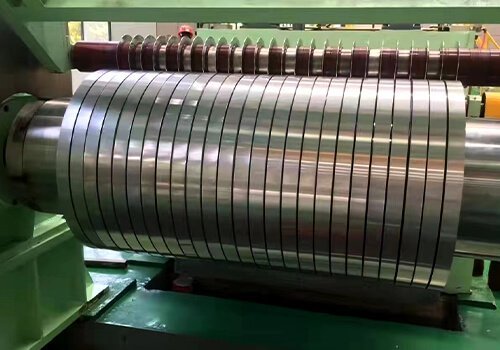
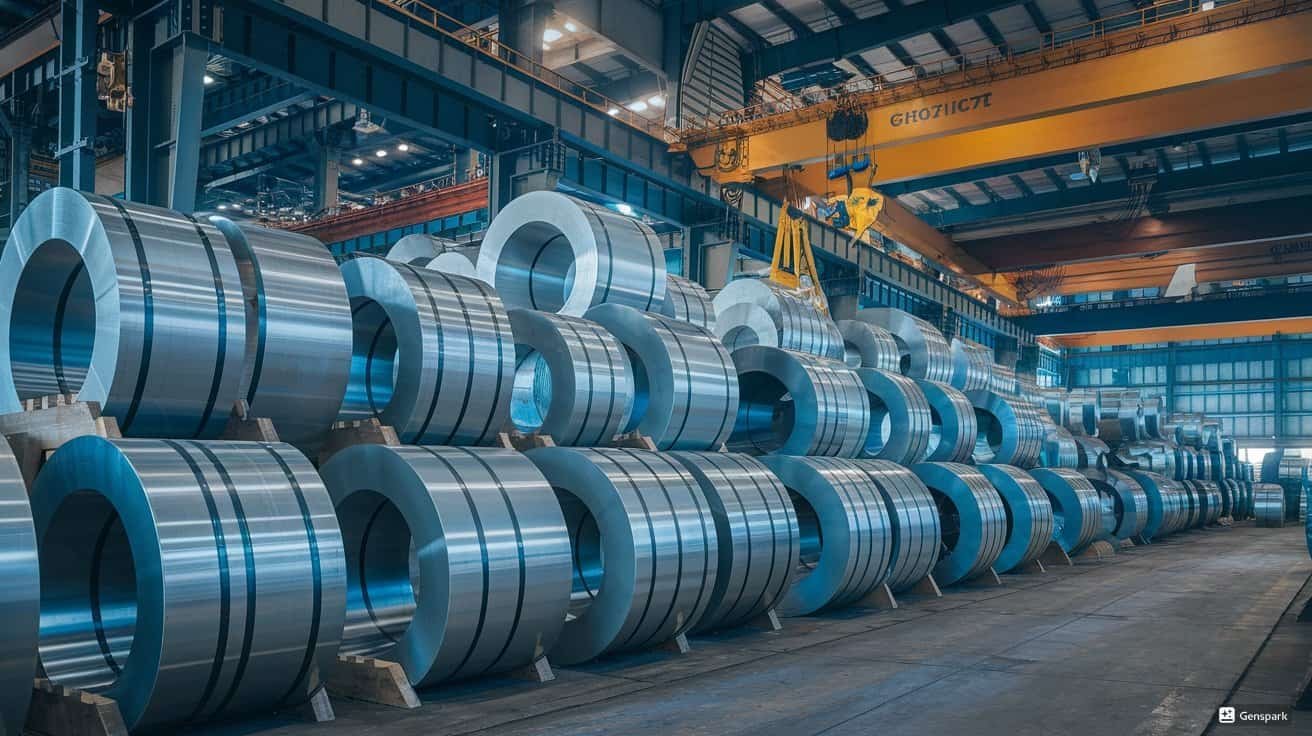
Steel rusts quickly when exposed to moisture and oxygen. Without protection, structures weaken over time. Galvanizing solves this problem by coating steel with protective zinc.
Why is zinc used in galvanizing steel instead of other metals? Zinc is used in galvanizing because it provides sacrificial corrosion protection, strong adhesion to steel, y durabilidad duradera. When steel is coated with zinc, the zinc corrodes first and protects the underlying metal. This process greatly extends the lifespan of steel used in construction, infrastructure, y fabricación.
To understand the advantages of galvanizing, it helps to explore how zinc protects steel.
Why Is Zinc Used in Galvanizing Steel?
Why zinc is utilized in galvanization rather than other protective metals is a common question from engineers and steel buyers. Although steel is robust and adaptable, it can corrode when exposed to air, humidity, and environmental pollutants.
Because zinc creates both a sacrificial layer and a protective barrier, it is utilized in galvanizing. Zinc corrodes first and keeps shielding the steel underneath even when the coating is damaged.
Steel is often submerged in molten zinc during the hot-dip galvanizing process. Strong zinc-iron alloy layers are created when the zinc and iron on the steel surface react.
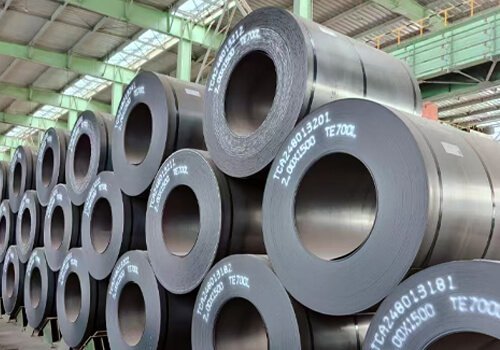
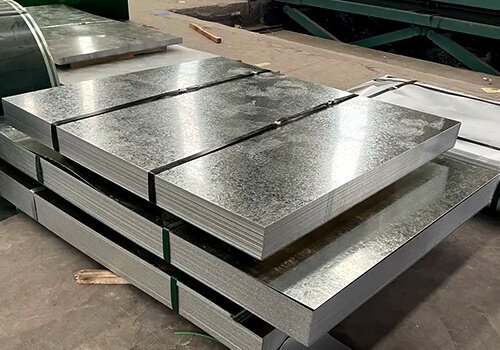
These layers provide incredibly long-lasting defense. In contrast to paint, the coating integrates into the metal. For this reason, zinc galvanized steel is frequently utilized in the manufacturing of steel coils, tuberías, sistemas de techado, and building materials.
Zinc’s ability to form a persistent protective coating after oxidation, which further delays corrosion, is another significant factor in its use in galvanization.
How Does Zinc Protect Steel From Corrosion?
Iron reacts with water and oxygen to cause corrosion. Knowing this chemical mechanism makes it easier to understand why zinc protects steel surfaces so well.
Steel is shielded by zinc through sacrificial shielding. Zinc corrodes first when exposed to moisture because it is more reactive than iron, which keeps rust from developing on the steel.
Zinc has a higher chemical activity than steel in the galvanic series of metals. Zinc becomes the anode and corrodes first when both metals are exposed to moisture.
Even when the surface is scraped, this electrochemical protection is maintained. The exposed steel is shielded from harm by the surrounding zinc.
Many people also ask does zinc rust. Zinc does not rust like iron. En cambio, it forms a protective oxide layer that slows further corrosion and keeps the steel underneath safe.

What Makes Zinc Ideal for the Galvanizing Process?
Steel cannot be adequately protected by galvanizing all metals. Zinc is particularly well suited for industrial coating processes due to a number of distinctive physical and chemical characteristics.
Because of its great resistencia a la corrosión, strong adherence to steel, and comparatively low melting temperature, zinc is perfect for galvanizing. During galvanizing, these characteristics enable the formation of long-lasting coatings.
Zinc can be effectively coated during hot-dip galvanizing since it melts at about 419°C. This temperature is safe for the majority of steel goods while still being high enough for a solid binding.
The creation of zinc-iron alloy layers during the coating process is an additional benefit. These layers offer remarkable impact resistance and durability.
The creation of zinc-iron alloy layers during the coating process is an additional benefit. These layers offer remarkable impact resistance and durability.
Zinc is also more affordable and plentiful than many other metals. The most practical corrosion-protection technology is still galvanized with zinc because of this balance of protection, disponibilidad, and affordability.
Why Is Zinc Better Than Other Metals for Galvanizing?
Although steel can be protected by a number of metals, zinc has emerged as the most popular option for galvanizing because it provides the finest combination of protection, asequibilidad, and usefulness.
Because it offers sacrificial protection and produces robust alloy layers with steel while yet being economically feasible for large-scale production, zinc outperforms several alternative metals.
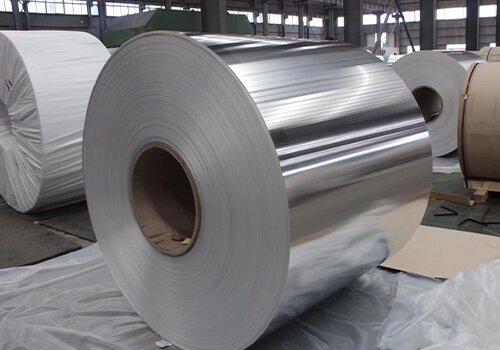
Zinc offers sacrificial protection, whereas aluminum coatings offer robust barrier protection. Rust may start to appear on exposed steel if aluminum coatings are compromised.
Although significantly more costly, coatings made of nickel and chromium are incredibly durable. They are mostly employed in specialized industrial or decorative applications.
Por otro lado, zinc offers both affordable and efficient corrosion prevention. For this reason, it is still the material of choice for galvanizing coils, tubería, hojas, and structural steel.
What Happens If Steel Is Not Galvanized?
Without coatings or treatments, steel structures are extremely susceptible to corrosion, particularly in industrial, humid, or coastal settings.
Steel surfaces that have not been galvanized react with oxygen and moisture to produce rust. Corrosion degrades the metal over time and reduces the structure’s lifespan.
When iron combines with oxygen and water to generate iron oxide, rust is created. This process results in flaking or scaling and increases the metal’s surface area.
The steel gets thinner and weaker structurally as corrosion persists. Corrosion can result in expensive repairs for major infrastructure projects like buildings and bridges.
By shielding the metal from environmental exposure, using zinc galvanized steel significantly lowers this risk.
¿Cuánto dura el acero galvanizado??
Environmental variables, coating thickness, and the particular galvanizing technique employed all affect how long galvanized steel lasts.
In many conditions, galvanized steel usually lasts 20 a 50 años. Con el tiempo, the zinc covering protects the steel beneath while gradually corroding.
Galvanized steel can endure over 50 years in rural areas with low pollution levels. Because of the harsher environment, the lifespan may be reduced in industrial or coastal settings.
The thickness of the coating is also crucial. Compared to electroplating, hot-dip galvanizing creates thicker coatings that are more durable.
Galvanized steel is utilized extensively in manufacturing equipment, transportation infrastructure, and construction due to its long lifespan.
What Is the Difference Between Galvanizing and Zinc Plating?
Because both processes entail coating steel with zinc, galvanizing and zinc plating are sometimes confused.
El término “galvanizado” typically refers to hot-dip galvanizing, in which thick protective layers are created by submerging steel in molten zinc. Electroplating is used in zinc plating to create thinner coatings.
Multiple layers of zinc-iron alloy are produced by hot-dip galvanizing, which forms a strong link with steel and offers long-term protection.
Electric current is used in zinc plating, also known as electro-galvanizing, to apply a thin layer of zinc to the surface. Pernos, sujetadores, and smaller parts are frequently made using this method.
When discussing coated steel items, some consumers often inquire as to whether zinc is galvanized. Galvanizing is actually the process of coating steel with zinc.
What Are the Advantages of Galvanized Steel?
Because it combines long-term protection, asequibilidad, y durabilidad, galvanized steel has emerged as one of the most popular corrosion-resistant materials.
Strong corrosion resistance, extended service life, reduced maintenance needs, and comparatively inexpensive cost are the primary benefits of galvanized steel.
Even in outdoor settings, galvanized coatings offer long-lasting protection. When being transported or installed, the coating is both mechanically robust and abrasion-resistant.
Sustainability is an additional benefit. Because zinc and steel can be recycled, galvanized products are eco-friendly.
Zinc galvanized steel is extensively utilized in the manufacturing, infrastructure, and building sectors due to these advantages.
Where Is Galvanized Steel Commonly Used?
Because it can endure severe weather conditions without losing structural integrity, galvanized steel is utilized in a wide range of industries.
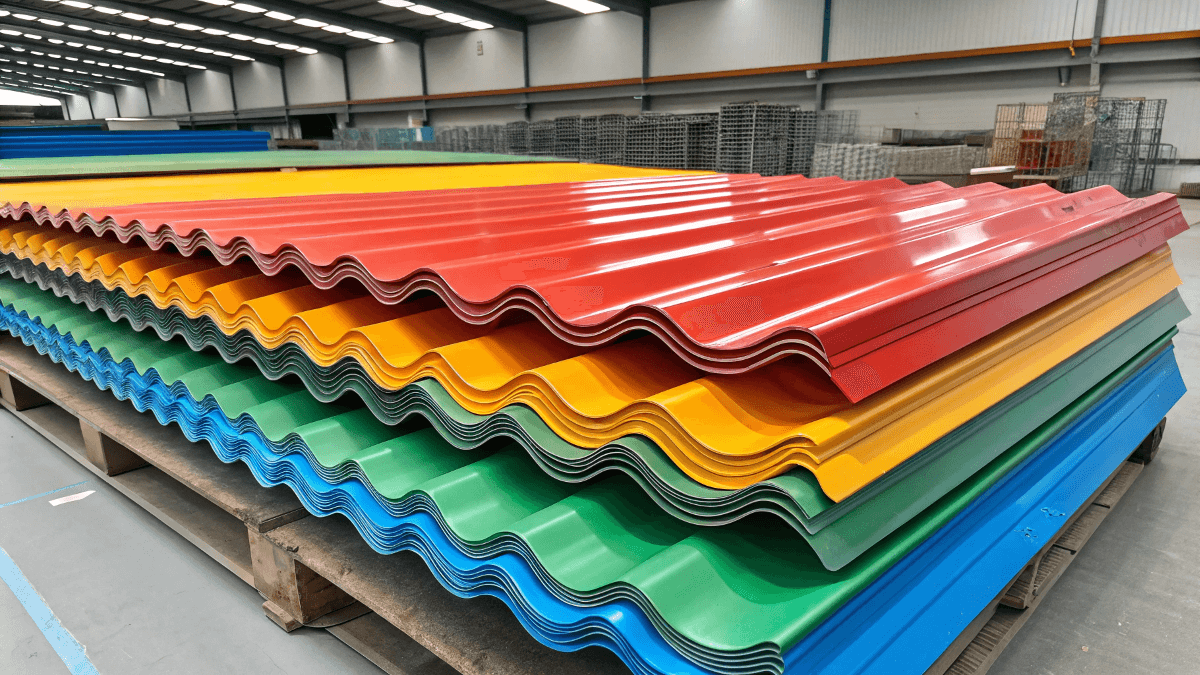
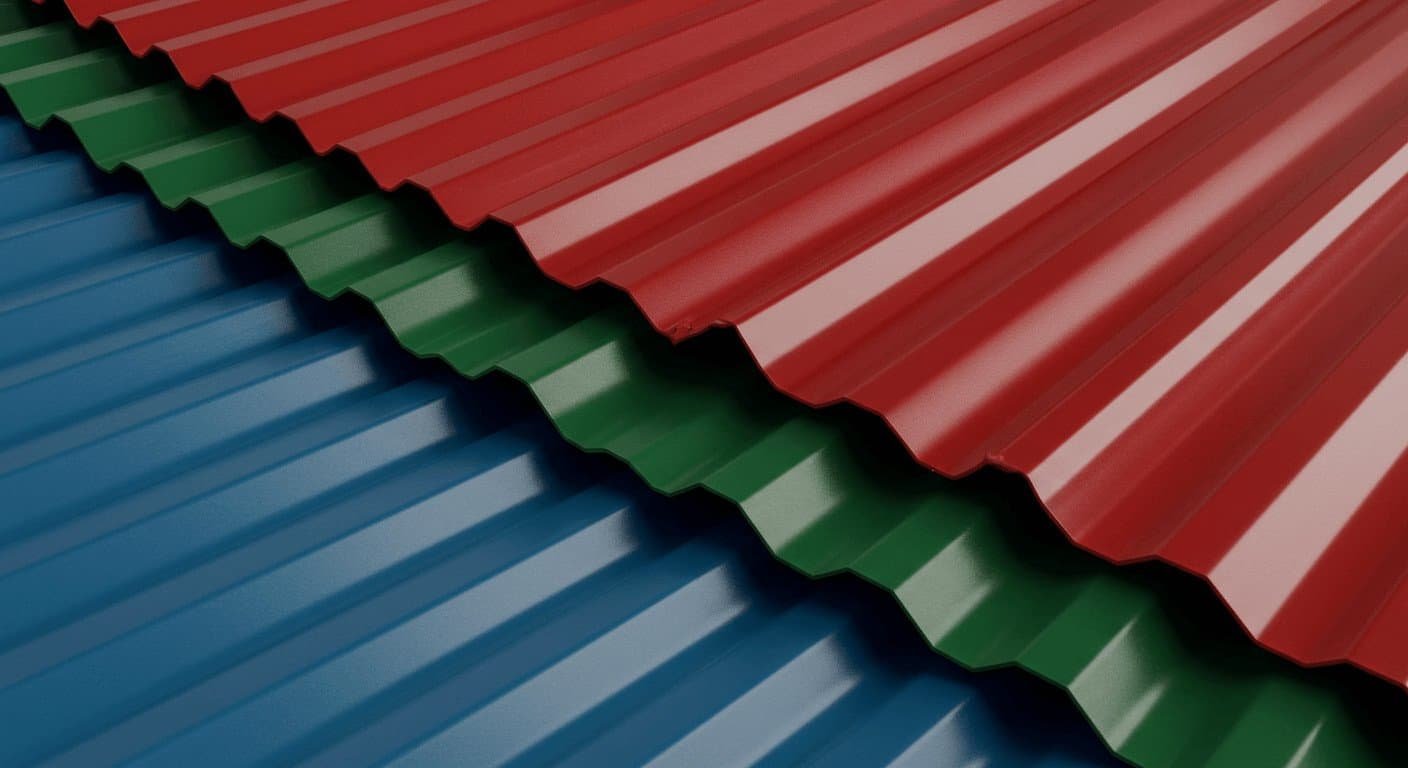
Construction materials, roofing sheets, tuberías, puentes, guardrails, and steel coils are typical uses for galvanized steel.
Galvanized steel is frequently utilized in the building sector for fencing, structural frames, and roofing systems.
For a long service life, galvanized components are essential to infrastructure projects like bridges and highways.
Zinc galvanizing spray products can also be used by maintenance teams to fix damaged galvanized surfaces. Corrosion protection is restored by the zinc-rich coatings in these sprays.
Is Galvanized Steel Better Than Stainless Steel for Some Applications?
Although both stainless steel and galvanized steel are corrosion-resistant materials, their uses vary based on structural needs, costo, and environmental factors.
For many industrial and construction applications, galvanized steel offers superior corrosion resistance at a lower cost than stainless steel.
Cromo, which is present in stainless steel, creates a passive barrier. Because of this, it is much more costly but also very resistant to corrosion.
Galvanized steel is a useful substitute for major constructions, including buildings, puentes, y tuberías. It offers dependable security at a much reduced price.
Zinc is still widely employed in galvanization due to this economic benefit.
Resumen
Zinc offers steel long-lasting toughness, excellent bonding, and sacrificial corrosion prevention. These benefits help to explain why zinc galvanization is still one of the most effective ways to prevent corrosion.