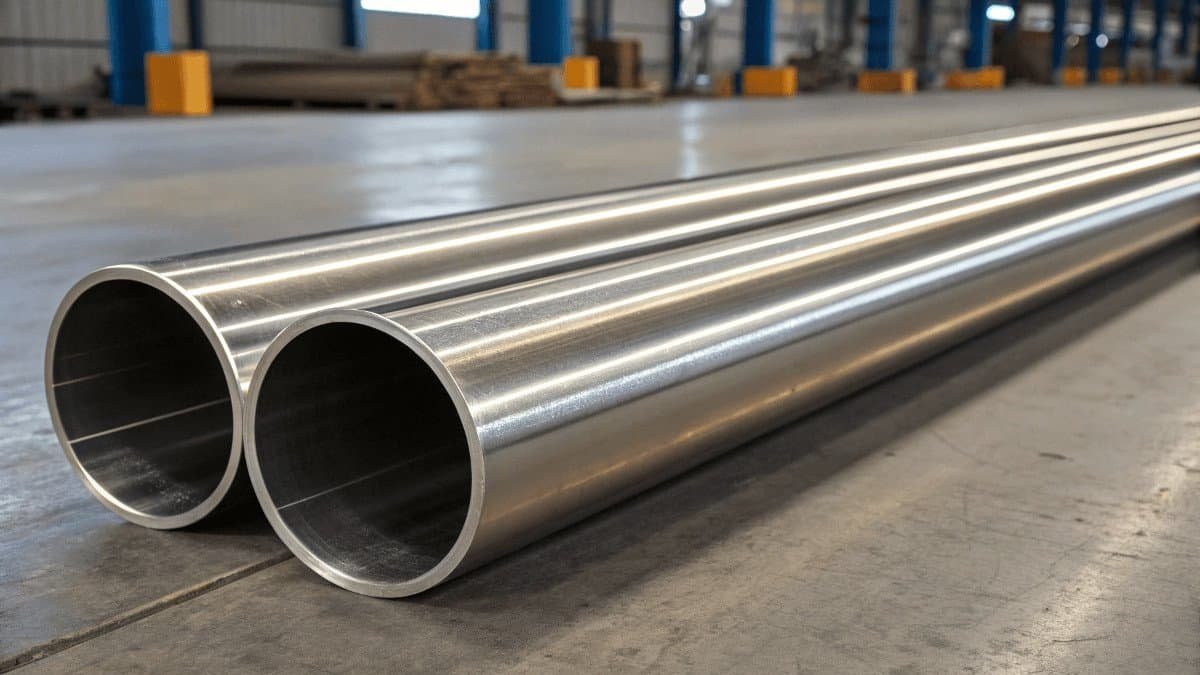
Confusing stainless steel ratings often lead buyers to choose the wrong material, causing failures and financial loss. I show a simple, clear path to making the right decision.
How do buyers choose the right stainless steel ratings? Choosing the right stainless steel ratings requires understanding corrosion resistance, fortaleza, costo, and application needs. Buyers can evaluate common options like 304, 316, y 201 by comparing performance against environmental exposure, durability requirements, y presupuesto. A simple ratings-based approach helps buyers select the best grade for long-term reliability.
Let’s break down each important rating so you can choose with total confidence.
What Are the Different Stainless Steel Ratings?
When buyers first learn about acero inoxidable, they quickly realize that there are numerous stainless steel grades available, each designed for a different environment and performance requirements. Understanding these differences is the first step toward making the right decision.
Stainless steel ratings describe each grade’s chemical composition, resistencia a la corrosión, y fuerza. Common options include 304 acero inoxidable, 316 acero inoxidable, y 201 acero inoxidable, each with its own set of advantages. These ratings assist buyers in matching materials to specific weather, chemical, carga, and temperature conditions.
Buyers frequently ask, “What are the 3 grades of stainless steel?” Stainless steel is classified as austenitic (304/316), ferritic (430 serie), or martensitic (410/420).These major types of stainless steel determine hardness, resistencia a la corrosión, y soldabilidad. A full stainless steel rating chart lists dozens of grades, but a buyer only needs to consider the few that are appropriate for their application and required stainless steel strengths.
How to Tell the Difference in Stainless Steel Grades?
Many buyers are overwhelmed by the number of different grades of stainless steel, especially since the names are similar. Sin embargo, learning to distinguish between grades is much easier than most people believe.
The content of chromium, níquel, y carbón can be used to distinguish between different types of stainless steel grades. Higher nickel and chromium levels typically indicate improved corrosion resistance, whereas higher carbon levels frequently indicate increased hardness and strength.
Grades can be identified simply by looking at stainless steel numbers such as 304, 316, o 201. These numbers represent precise chemical formulas. Por ejemplo, 304 stainless steel contains approximately 18% cromo y 8% níquel, whereas 316 stainless steel contains molybdenum to increase corrosion resistance. By understanding these differences, buyers can easily interpret acero inoxidable grades explained tables and avoid guessing.

How Do Buyers Choose the Right Stainless Steel Rating?
Choosing the appropriate grade is primarily determined by the environment, expected lifespan, and strength requirements. Every project has unique requirements, so a “one-size-fits-all” approach never works.
Buyers should compare stainless steel ratings according to corrosion exposure, mechanical load, temperature range, y presupuesto. 316 is required in highly corrosive environments, whereas 304 is suitable for general industrial applications. Indoor applications that are cost-sensitive may benefit from using 201.
The best approach is to compare performance and cost. Por ejemplo, outdoor or marine environments necessitate superior stainless steel strengths, whereas indoor decorative applications may only necessitate basic stainless steel level durability. When reviewing a stainless steel ratings explained guide, consider whether the grade corresponds to your actual working conditions (humidity, chemicals, de agua salada, or high temperature).
What Grade of Stainless Steel Is Best?
Many buyers prefer a single “best” calificación, but the best option depends entirely on the application. No grade is universally perfect.
Because of its high corrosion resistance, 316 is frequently cited as the “best” stainless steel ratings. Sin embargo, 304 is the best choice for general use, while 201 is ideal for low-cost indoor applications.
In the professional industry, the best stainless steel ratings are determined by their performance in real-world situations. 316 is ideal for marine and chemical exposure. 304 is the ideal combination of cost, soldabilidad, y durabilidad. 201 is still acceptable for interior, low-moisture environments. To evaluate these options, you must first review accurate stainless steel ratings chart data.
Which Stainless Steel Rating Offers the Best Corrosion Resistance?
When corrosion is the primary concern, buyers frequently compare multiple grades and look for credible data rather than marketing claims.
316 stainless steel has the highest corrosion resistance of any common stainless steel types due to its molybdenum content, which protects it from saltwater, chemicals, and acidic environments.
Corrosion resistance is heavily influenced by chromium, níquel, and molybdenum content. Even surface finishing influences performance. For harsh industrial or marine environments, 316 outperforms 304 y 201. That’s why a professional stainless steel ratings explained guide always mentions how 316’s composition makes it the best choice for long-term durability.
What Is the Cheapest Grade of Stainless Steel?
Not every project requires maximum strength or corrosion resistance. Sometimes buyers simply want the cheapest option.
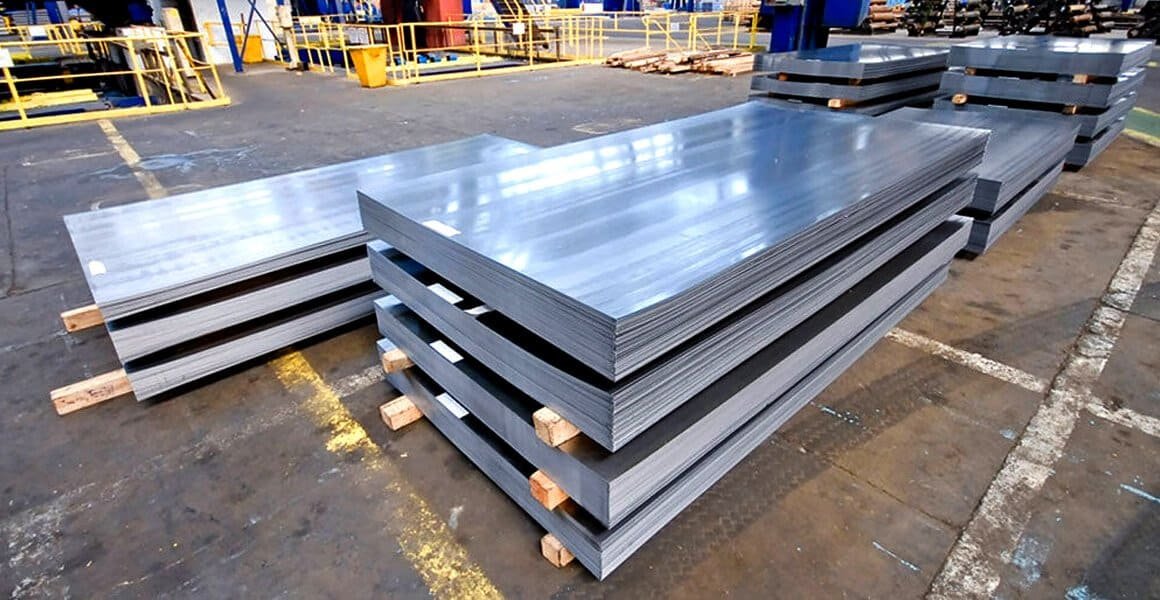
The cheapest widely used grade is 201 acero inoxidable, which replaces some nickel with manganese to save money. It’s ideal for indoor, low-corrosion environments.
A pesar de 201 stainless steel is the least expensive option, buyers should exercise caution because it has significantly lower corrosion resistance than 304 o 316. It may discolor faster or fail sooner outside. It is still widely used for low-budget, decorativo, or non-structural applications. Any reliable stainless steel ratings chart will clearly show the cost-performance difference.
What Is the Difference Between 304 y 316 Acero inoxidable?
El 304 vs. 316 comparison is the most frequently asked question among global buyers.
Both are austenitic types of stainless steel, pero 316 contains molybdenum, which increases corrosion resistance. 304 is more affordable and suitable for general-purpose applications.
When comparing stainless steel numbers, 304 is frequently labeled as “18/8,” whereas 316 may be labeled as “18/10” due to its slightly higher nickel content. The marine, chemical, and food-processing industries typically use 316, whereas architecture, maquinaria, and household manufacturing rely on 304 for versatility and price balance.
How Should Buyers Compare Stainless Steel 304 vs 316?
Understanding the technical differences is not sufficient. Buyers must align each grade with real-world conditions.
Buyers should compare 304 y 316 based on corrosion exposure, calor, strength requirements, y costo. 316 excels in harsh environments, whereas 304 is ideal for general industrial use.
A stainless steel ratings chart or stainless steel comparison table can be used to compare lifespan expectations, maintenance requirements, and environmental conditions. If your environment contains saltwater, ácidos, chlorine, or high humidity, 316 offers better long-term reliability. For general machinery, piezas automotrices, equipo de cocina, y construcción, 304 is still the preferred material.
What Does a Stainless Steel Grade Chart Show?
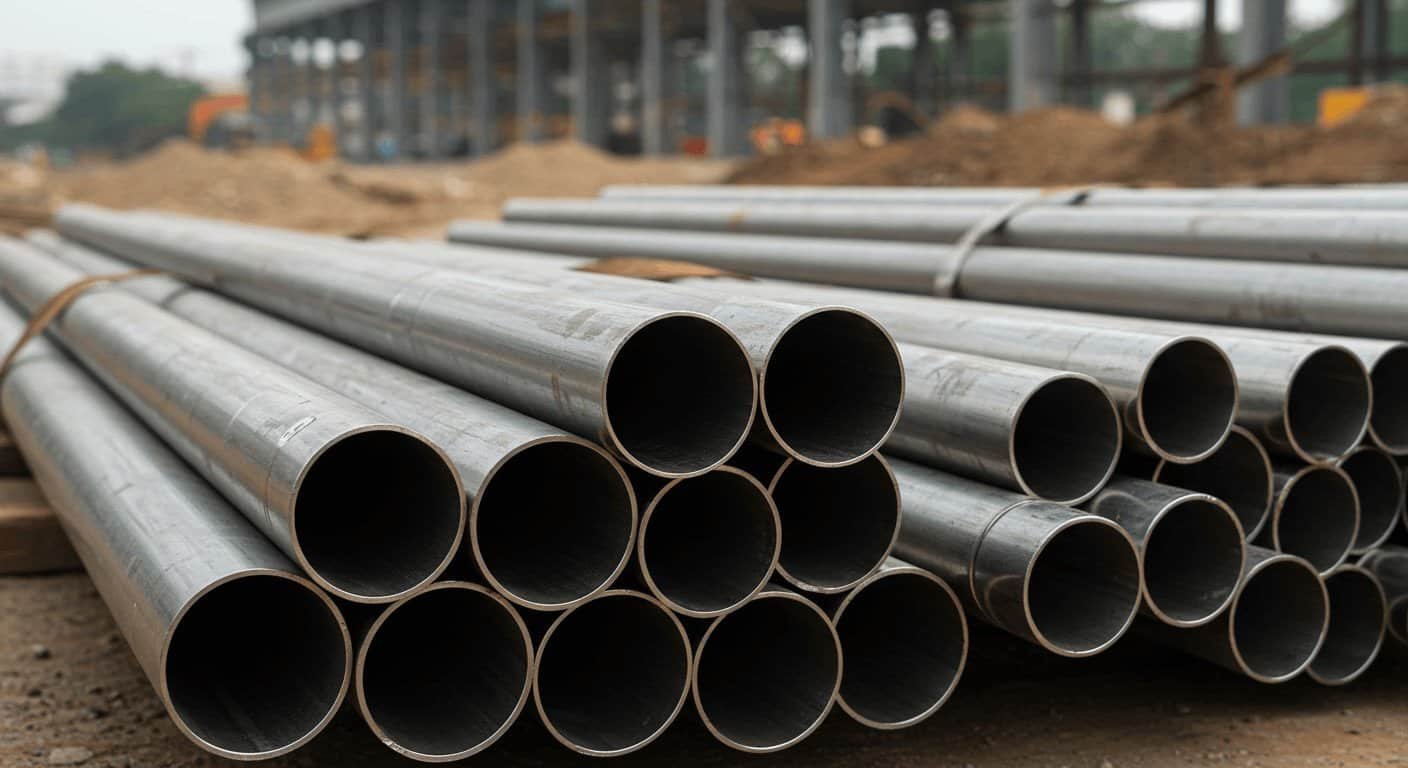
A proper stainless steel ratings chart enables buyers to compare differences visually and quickly, eliminating guesswork.
A grade chart specifies chemical composition, resistencia a la corrosión, resistencia mecánica, hardness, and common applications. It is the fastest way to compare stainless steel ratings explained clearly.
Charts frequently include categories such as austenitic, ferritic, and martensitic types stainless steels, as well as performance indicators such as tensile strength, yield strength, and hardness. These visual comparisons enable buyers to make decisions based on stainless steel strengths, durabilidad, and working conditions.
How Do Buyers Make Stainless Steel Material Selection Efficiently?
Efficient selection necessitates a systematic decision-making process that eliminates confusion.
Buyers should take a straightforward approach: define the environment, compare grade properties, assess corrosion risks, and match the grade to budget and lifespan expectations.
Buyers can avoid costly mistakes by using standardized tools such as a stainless steel ratings chart, corrosion-resistance guide, or types of stainless steel grades reference. Listing your application requirements before comparing options allows for faster and more accurate decisions.
Resumen
Understanding corrosion resistance, fortaleza, and cost makes it easy to select the appropriate stainless steel ratings. Use this guide to select the best grade with confidence.