El tamaño de la barra de refuerzo que elija puede hacer o deshacer su proyecto de construcción.. Descubra cómo el tamaño correcto de barras de refuerzo puede garantizar que cada estructura de hormigón sea segura, rentable, y fuerte por mucho tiempo.
el estandar tamaño de la barra de refuerzo varía según el país y el tipo de proyecto. Los diámetros comunes incluyen 10 mm., 12milímetros, 16milímetros, 20milímetros, y 25mm, según las normas ASTM y BIS. Elegir los tamaños correctos de refuerzo de acero garantiza que su estructura cumpla con la seguridad, actuación, y objetivos económicos cumpliendo con los estándares internacionales.
Veamos cómo los tamaños de las barras de refuerzo de acero afectan el costo., durabilidad, y ejecución de proyectos de construcción en todo el mundo.
¿Cuáles son los diferentes tamaños de barras de refuerzo??
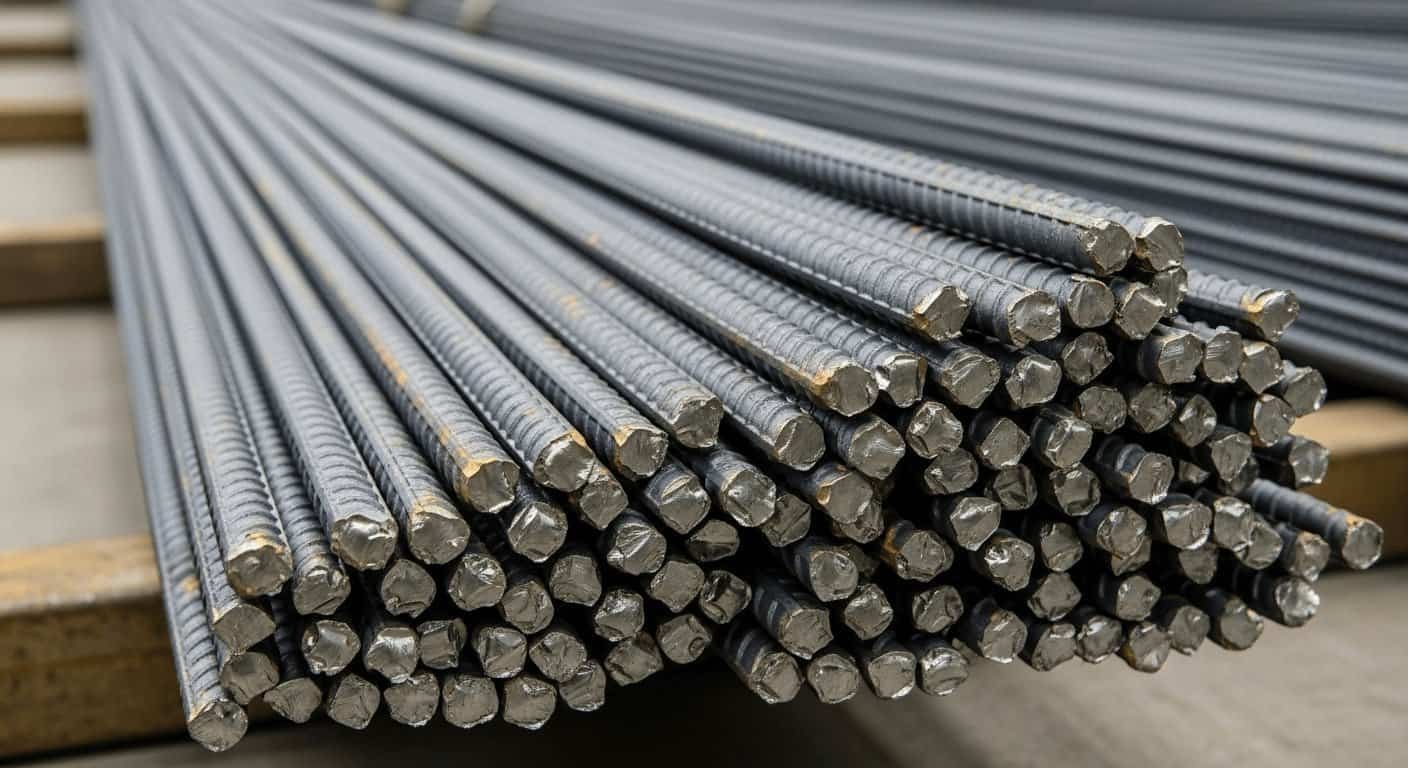
Para cualquier ingeniero estructural o civil., elegir los tamaños apropiados de barras de refuerzo es esencial. Cuando el hormigón por sí solo fracasaría, estas barras, que conforman la estructura de hormigón armado, proporcionar resistencia a la tracción. Comprender los tamaños de barras de refuerzo estándar garantiza que su proyecto pase las inspecciones y evite errores costosos.
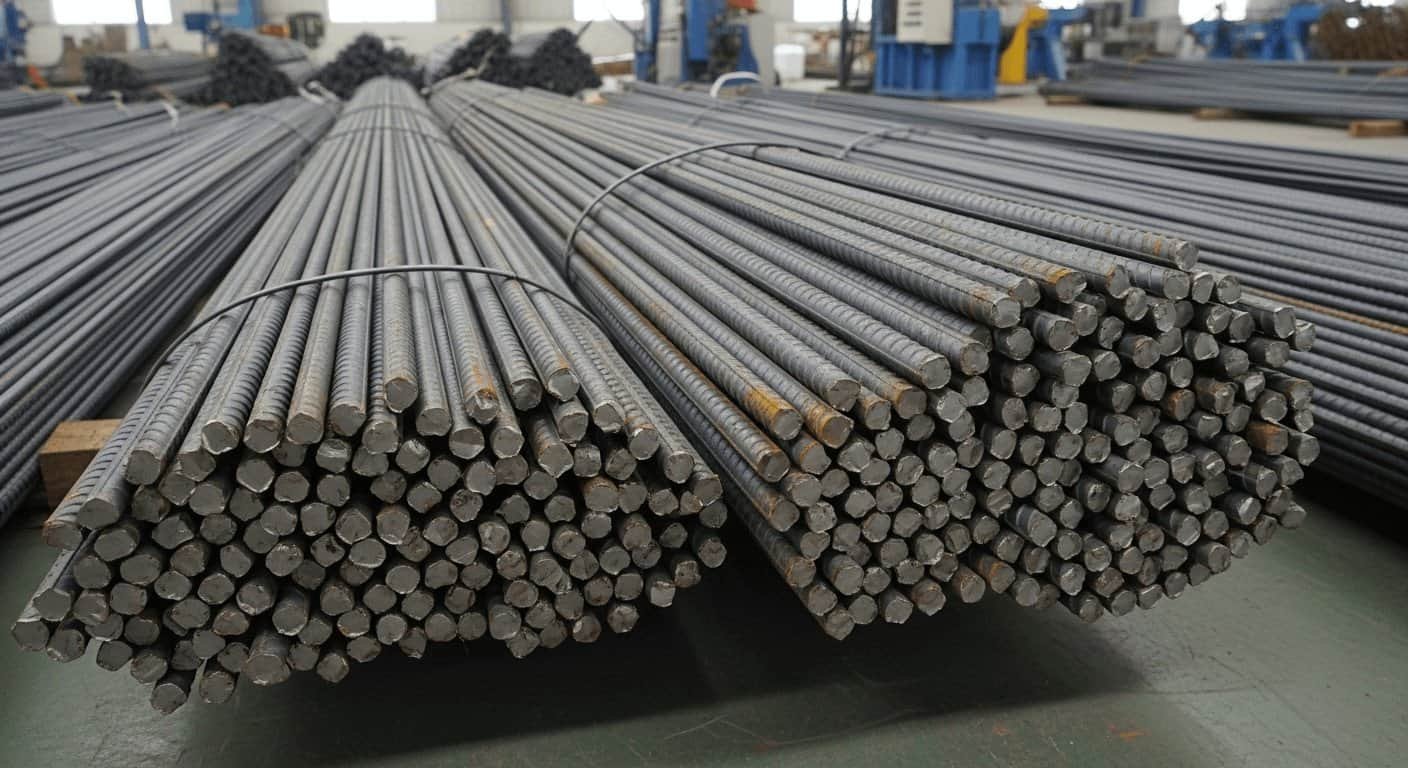
10 milímetros, 12 milímetros, 16 milímetros, 20 milímetros, 25 milímetros, 28 milímetros, 32 milímetros, 36 milímetros, y 40 mm son tamaños de barras de refuerzo estándar. Cada diámetro de barra de refuerzo tiene un requisito de carga correspondiente.. Por ejemplo, Las losas y caminos de acceso suelen utilizar barras de refuerzo de acero de 10 mm o 12 mm., mientras que las columnas, vigas, y los cimientos suelen utilizar barras de refuerzo de acero de 25 mm o 32 mm.
Los dos principales sistemas utilizados en todo el mundo son el imperial. (tamaños de barras de refuerzo en pulgadas) y métrico (tamaños de barras de refuerzo en milímetros). Números de barra (#3 a #11) indicar el diámetro de las barras de refuerzo utilizadas en los Estados Unidos. Por ejemplo, el diámetro de un #4 la barra de refuerzo mide ½ pulgada (12.7milímetros). Por conveniencia, Muchos ingenieros también se refieren a los tamaños de barras de acero en milímetros y pulgadas indistintamente..
El rendimiento de unión y flexión del hormigón se ve directamente afectado por el tamaño de cada barra de acero de refuerzo.. Aunque son más difíciles de cortar y darles forma, barras más gruesas (espesor de la barra de refuerzo) aumentar la capacidad estructural. La estabilidad general de la estructura aumenta mediante barras deformadas con nervaduras superficiales., que mejoran el agarre entre las barras de refuerzo y el hormigón.
Los contratistas de hoy pueden elegir tamaños precisos de barras de refuerzo en milímetros para cualquier construcción de barras con facilidad gracias a los gráficos que enumeran las barras de refuerzo de acero en unidades métricas e imperiales..
Es #4 O #5 Barra de refuerzo más grande?
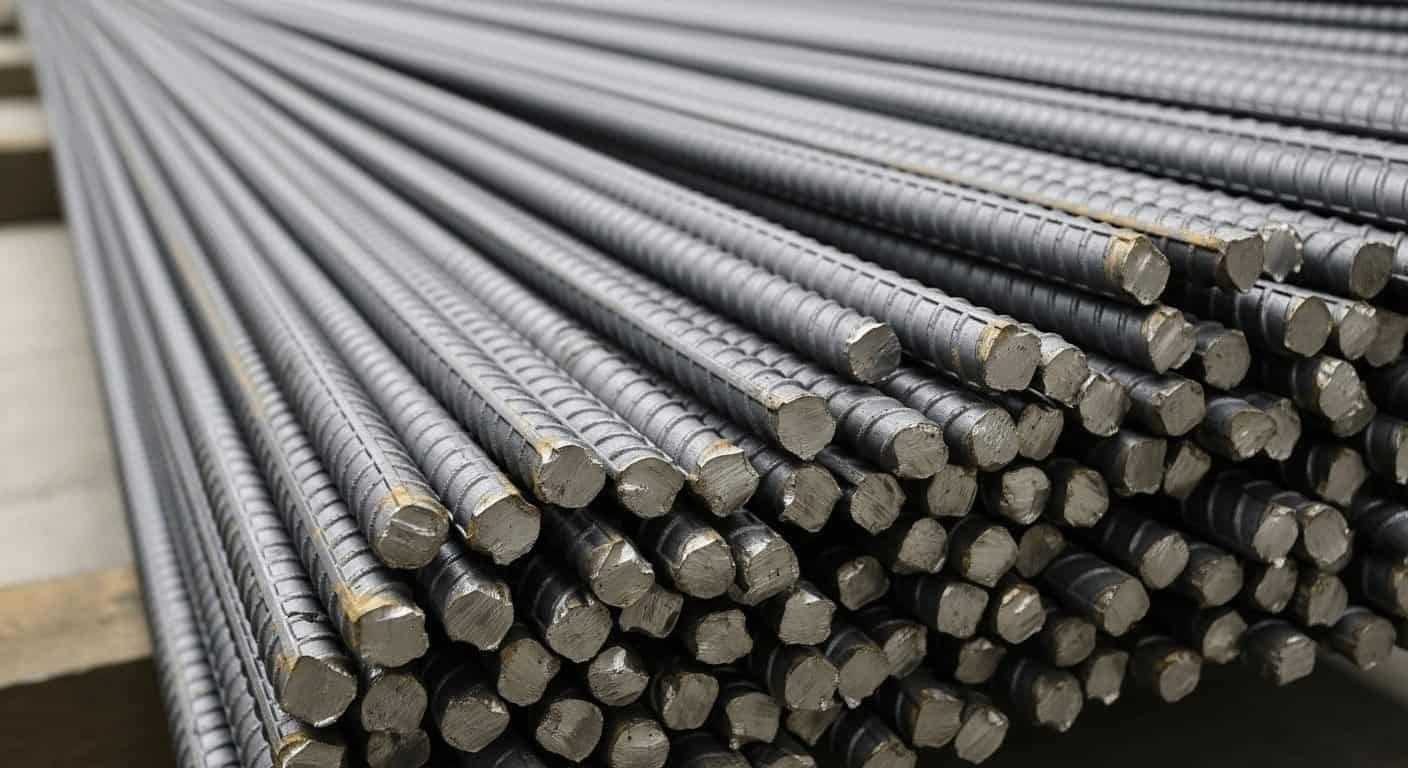
Los tamaños estándar de las barras de refuerzo pueden resultar confusos, particularmente cuando se utiliza el sistema imperial. El diámetro de la barra de refuerzo está representado por el número de tamaño en incrementos de 1/8 de pulgada..
Cada número representa un octavo de pulgada. De este modo, a #5 la barra de refuerzo de acero mide ⅝ de pulgada (15.9milímetros), mientras que un #4 la barra de refuerzo mide ½ pulgada (12.7milímetros). Por su mayor tamaño, el #5 La barra tiene una mayor resistencia a la tracción y capacidad de carga..
#4 refugio, también conocido como 12mm barra de refuerzo, es adecuado para proyectos de pequeña escala como entradas de vehículos y patios. Sin embargo, los constructores prefieren #5 o #6 barras de refuerzo para proyectos pesados como vigas, losas, o columnas. Los tamaños más grandes de barras de refuerzo de acero reducen la flexión bajo tensión, lo cual es crucial en áreas con cargas pesadas.
El costo del proyecto también se ve afectado por la diferencia.. Debido al mayor contenido de acero, El costo de las barras de refuerzo aumenta con el tamaño de la barra.. Por otro lado, El tiempo de instalación podría reducirse utilizando menos barras grandes.. Para los grados necesarios de barras de refuerzo de acero., Consulte siempre los códigos locales..
Para facilitar la unión de barras más grandes, Los contratistas también deberían pensar en utilizar barras de refuerzo y acoplamientos soldables para sistemas de refuerzo de acero.. Cuando se trabaja con barras de refuerzo de 20 pies o con barras de refuerzo de 20 pies de longitud, esto es especialmente útil. En estructuras de barras de hormigón armado, la técnica de acoplamiento adecuada evita desalineaciones y grietas.
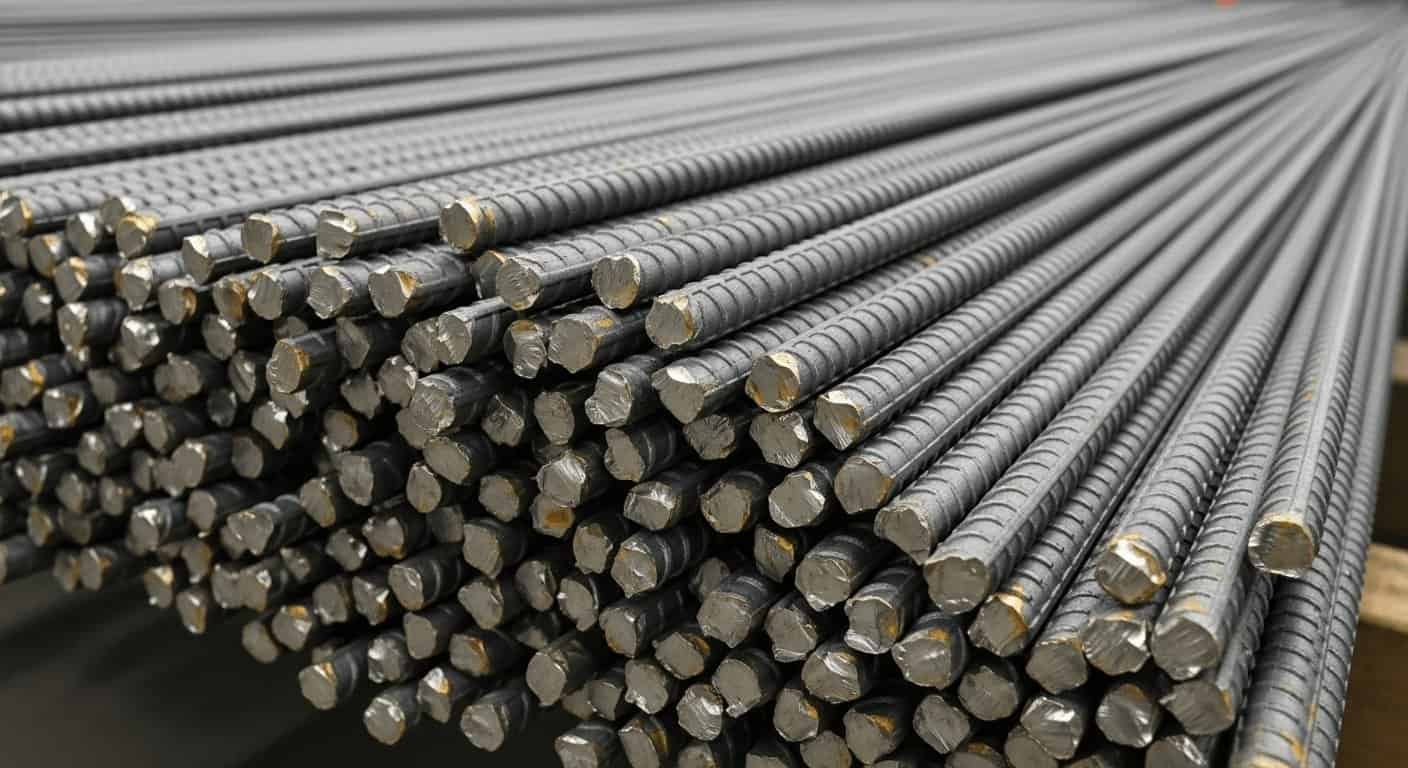
¿Podemos utilizar una barra de refuerzo de 8 mm en una losa de hormigón??
Aunque puede ser peligroso, Muchos constructores intentan ahorrar dinero utilizando barras más delgadas., como barras de refuerzo de 8 mm o 6 mm.
Los componentes de carga grandes no deben utilizar barras de 8 mm.; en cambio, Deben usarse para estructuras que no soporten carga, como escaleras., losas pequeñas, o malla de refuerzo de ladrillo. Dependiendo de la carga y el espacio, Las losas estructurales necesitan un mínimo de 10 milímetros o 12 mm de barra de refuerzo.
Aunque menos costoso y más flexible, Los tipos más delgados de barras de refuerzo no son lo suficientemente fuertes para concreto pesado.. El uso de barras de tamaño insuficiente en la construcción de barras de refuerzo reforzadas podría provocar deflexiones o grietas inducidas por la tensión.. Usar fórmulas de diseño que tengan en cuenta la luz, carga, y el estrés, Los ingenieros suelen determinar el diámetro de las barras de refuerzo..
Sin embargo, 8refuerzo mm El acero puede ser útil para paredes no estructurales., dinteles, y soleras residenciales. El ahorro de costes puede ser significativo en estas situaciones.. Incluso las varillas de refuerzo más delgadas pueden ayudar a controlar las grietas en la superficie cuando se combinan con refuerzo de malla de acero..
Usar tamaños de barras de refuerzo en milímetros según códigos como ASTM o BIS es esencial cuando el control de calidad es un problema.. Los contratistas deben garantizar la calidad y las certificaciones constantes de las barras de refuerzo de acero cuando se abastecen de proveedores extranjeros de barras de refuerzo..
Simplemente busca “barra de refuerzo cerca de mí” o “barras de refuerzo para la venta” para localizar proveedores confiables que proporcionen tamaños de refuerzo de acero estándar apropiados para losas si busca localmente.
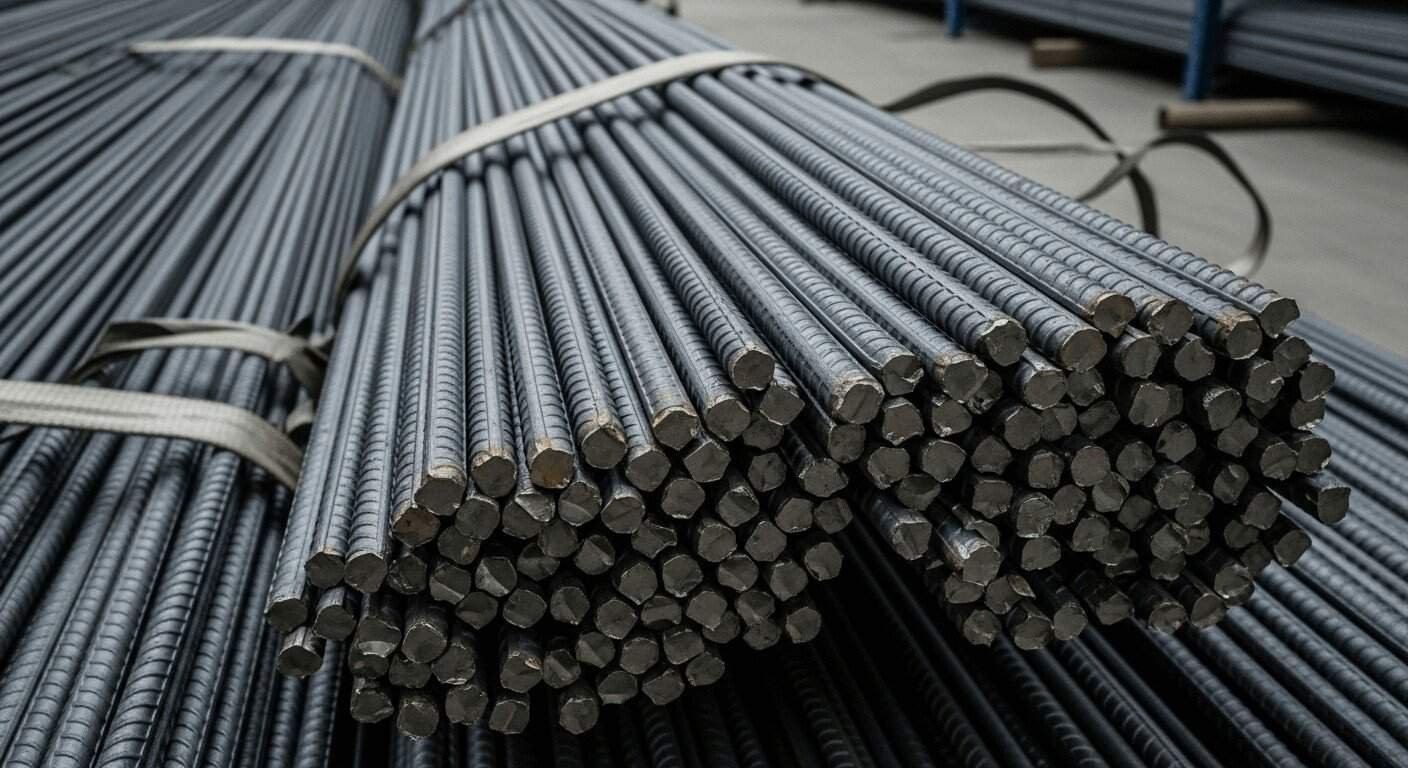
¿Cómo afectan los tamaños de las barras de refuerzo al costo y la resistencia??
Tanto la integridad estructural como el costo general se ven afectados por las barras de refuerzo de acero que seleccione. Aunque añade peso y gasto, un diámetro de barra de refuerzo más grande mejora la resistencia. Aunque pueden ahorrar material, Las barras más pequeñas requieren más mano de obra porque se necesitan más piezas..
Aunque son más caras, Los tamaños más grandes aumentan la resistencia y disminuyen la cantidad necesaria.. La eficiencia se garantiza logrando un equilibrio entre el tamaño y los requisitos estructurales.. Analizando la carga de diseño, grado de concreto, y la tensión de flexión es necesaria para determinar el tamaño ideal de la barra de refuerzo..
Por ejemplo, Las losas de piso suelen utilizar barras de refuerzo de 12 mm., Mientras que las vigas y columnas son más adecuadas para barras de acero de refuerzo de 16 mm a 25 mm.. 32milímetros o 36barras de refuerzo de acero mm es necesario para proyectos más pesados, como puentes o cimientos industriales.
Tenga en cuenta los precios de la mano de obra y del acero al calcular el coste de las barras de refuerzo.. Las barras más grandes acortan el tiempo necesario para cortar, doblando, y atando, Aunque el costo del acero reforzado aumenta con el tamaño de la barra.. El ahorro total de costos es frecuentemente el resultado de este equilibrio..
Para mejorar la alineación y reducir el desperdicio, Los constructores también pueden unir barras largas utilizando sistemas de barras de refuerzo de acoplamiento.. Otra opción asequible para el refuerzo de superficies es el refuerzo de malla de acero..
Por último, comparar barras de refuerzo para grados de construcción (Calificación 40, 60, o A706 soldable) al realizar una compra. Para ayudar a los ingenieros a planificar de forma eficaz, Los proveedores acreditados de barras de refuerzo enumeran todos los tamaños de refuerzo de acero en pulgadas y milímetros..

Puede oxidarse las barras de refuerzo?
En efecto, La barra de refuerzo puede oxidarse si entra en contacto con la humedad o con concreto de mala calidad.. El acero sin recubrimiento reacciona con el agua y el oxígeno para formar óxido en las barras de refuerzo, lo que hace que el hormigón circundante se expanda y agriete. Barra de refuerzo de acero inoxidable, acero recubierto de epoxi, o el acero galvanizado prolonga la vida estructural al prevenir la corrosión..
Las barras de refuerzo de acero para hormigón siempre corren el riesgo de corroerse en zonas húmedas o costeras.. la respuesta? Para ubicaciones cruciales como puentes y muelles, utilizar barras de refuerzo de acero inoxidable, barra de refuerzo recubierta de epoxi, o barras de refuerzo de acero galvanizado. Las barras de refuerzo de acero están protegidas del contacto directo con la humedad añadiendo una cubierta de hormigón suficiente. (al menos 40 milímetros).
La resistencia se ve comprometida por las barras corroídas, que disminuyen el espesor efectivo de la barra de refuerzo. Antes de verter hormigón, Los ingenieros deben verificar las tolerancias de tamaño del barras de acero de refuerzo. En circunstancias severas, Puede ser necesaria una protección catódica para evitar que las barras de hormigón armado se oxiden..
Las vías de corrosión también se reducen mediante el acoplamiento para refuerzo de acero y el sellado adecuado de las juntas.. La longevidad de los sistemas de barras de refuerzo de acero se mantiene mediante inspecciones y mantenimiento de rutina..
Seleccione proveedores de barras de refuerzo que proporcionen barras prerrevestidas o tratamientos anticorrosión al realizar el abastecimiento.. Más duradero, Estructuras más seguras y costos de reparación reducidos hacen que valga la pena el mayor costo inicial de las barras de refuerzo..
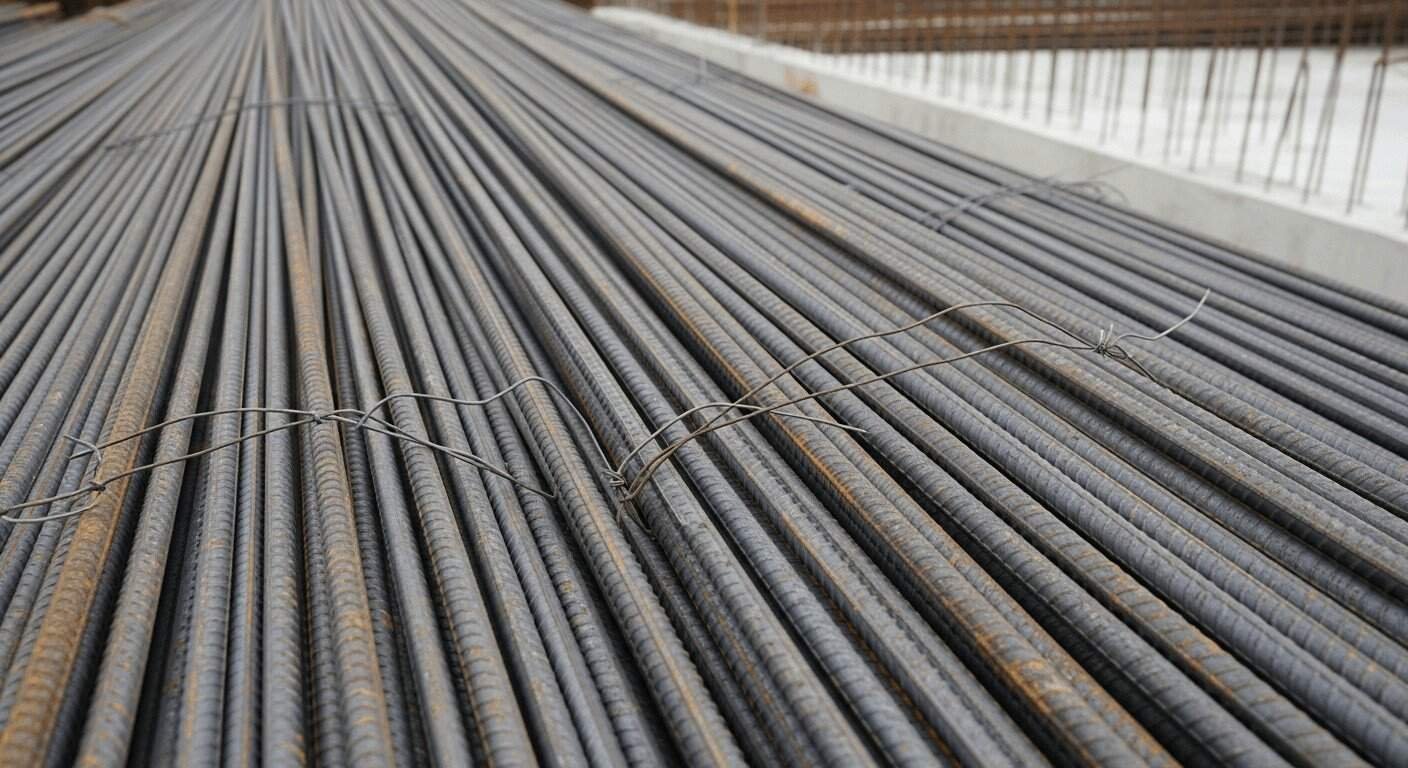
¿Cuáles son los errores comunes en la instalación de barras de refuerzo??
Una instalación inadecuada puede provocar problemas estructurales incluso cuando se utilizan las barras de refuerzo de acero adecuadas.. Los errores comunes incluyen el uso de un grado de acero incorrecto., cubierta de concreto inadecuada, mala alineación, y espaciado incorrecto. Estos debilitan el vínculo, resultando en fracturas y colapso estructural temprano.
Las zonas débiles en el hormigón aumentan con un espaciamiento inadecuado.. Las barras de refuerzo para losas o columnas de concreto siempre deben espaciarse según el diseño.. Las barras se desplazan cuando se omiten los espaciadores o las sillas., exponiéndolos a la humedad y a la posible oxidación..
Cortar esquinas con superposiciones de barras es otro problema común. Dependiendo del diámetro del refugio, Las longitudes mínimas de traslape para la construcción de barras de refuerzo suelen ser 40 veces el espesor de la barra. Los traslapos más cortos hacen que las uniones estructurales se debiliten.
antes de verter, Los contratistas también deben asegurarse de que las barras estén limpias.. Pintar, óxido, o el aceite pueden dificultar la adhesión adecuada del hormigón y las barras de refuerzo.. Para evitar retrabajos futuros, utilizar cálculos de precios para acero reforzado que incorporen controles de calidad.
Para facilitar las instalaciones y aumentar la seguridad, Los proyectos modernos también utilizan mallas de refuerzo para ladrillos y barras de refuerzo soldables.. Su combinación de barras de refuerzo y acero logrará la máxima vida útil y rendimiento de diseño si se siguen los procedimientos de instalación adecuados..
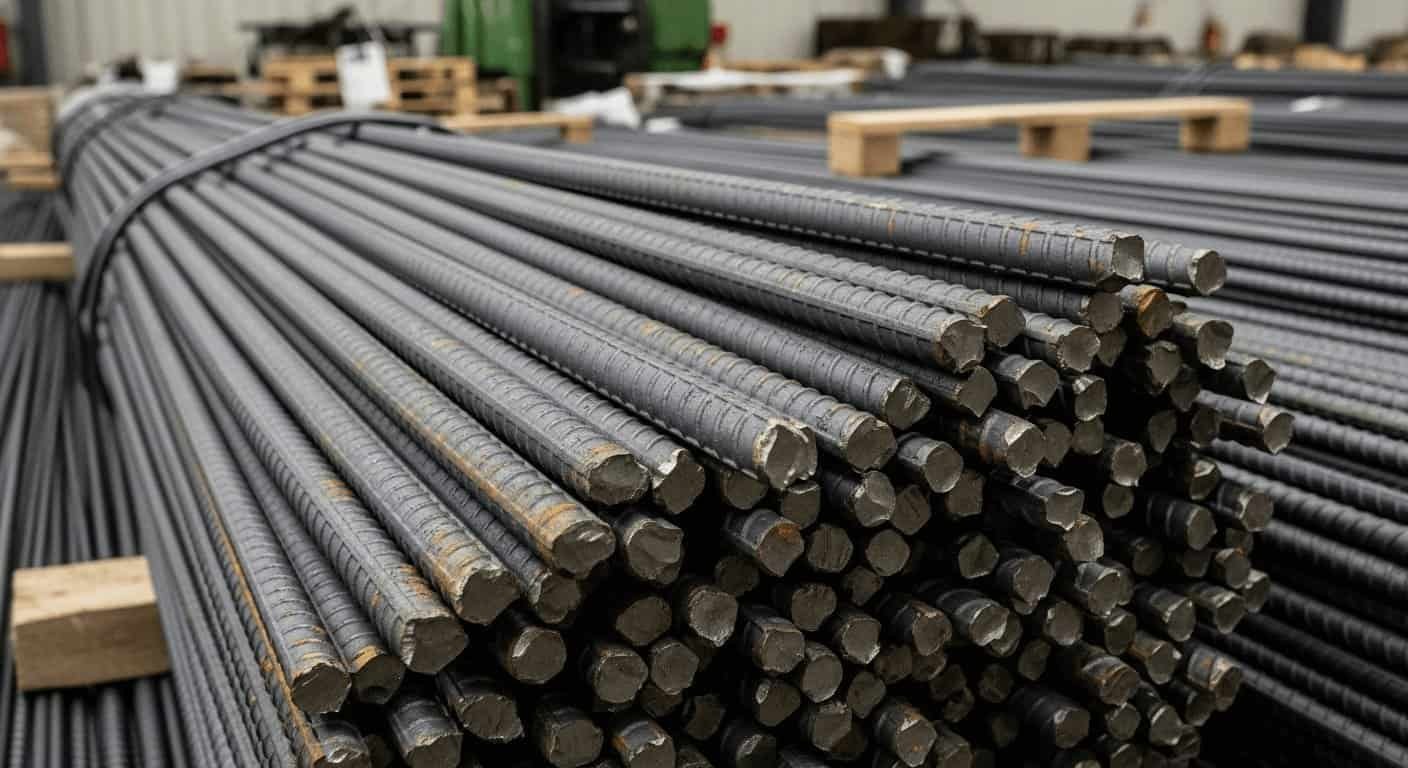
Resumen
Globalmente, más fuerte, más seguro, y se garantizan estructuras de hormigón más asequibles al comprender los tamaños de las barras de refuerzo de acero., métodos de instalación, y control de corrosión.