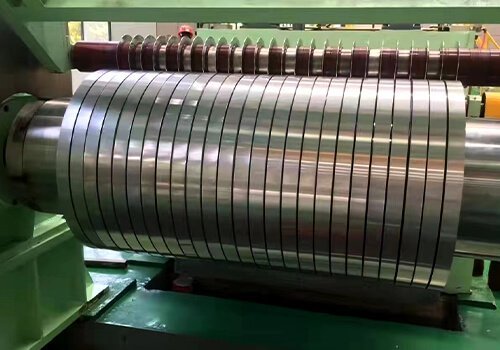
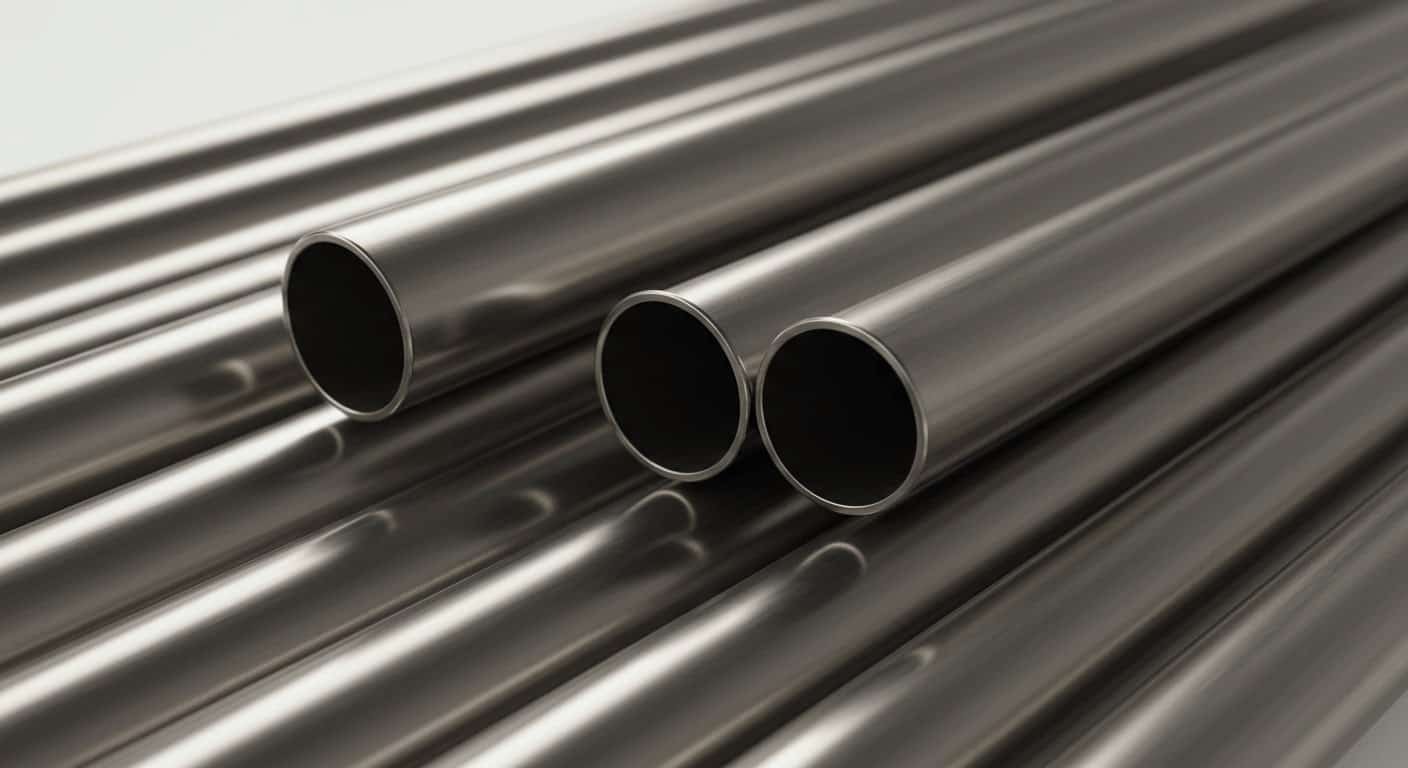
Uncertainty in choosing the right pipe often leads to project failures. Understanding the stainless steel process pipe production helps buyers avoid risks and make smarter sourcing decisions.
How is stainless steel pipe made? Stainless steel pipes are made by melting raw materials, casting billets, shaping them into seamless or welded pipes, applying heat treatment, surface finishing, and strict quality testing. This process ensures durability, Stärke, und Korrosionsbeständigkeit, making stainless steel pipes ideal for industries such as construction, oil and gas, food, and healthcare.
Now let’s explore each step and answer common questions buyers often ask about how is stainless steel manufactured.
What Raw Materials Are Used to Make Stainless Steel Pipe?
The quality of any pipe begins with the raw materials. Without the right blend of metals, the pipe cannot achieve corrosion resistance or long-lasting performance.
Stainless steel pipes mainly use iron ore, Chrom, Nickel, und Molybdän, along with trace elements that strengthen the structure and prevent rust.
Zum Beispiel, chromium forms a protective oxide layer that resists corrosion, while nickel adds toughness and ductility. How is stainless steel manufactured? It depends largely on these raw ingredients. Buyers must always check mill certificates to verify the material content before purchase. This ensures that the stainless steel process pipe will deliver the expected strength and durability in real-world applications.
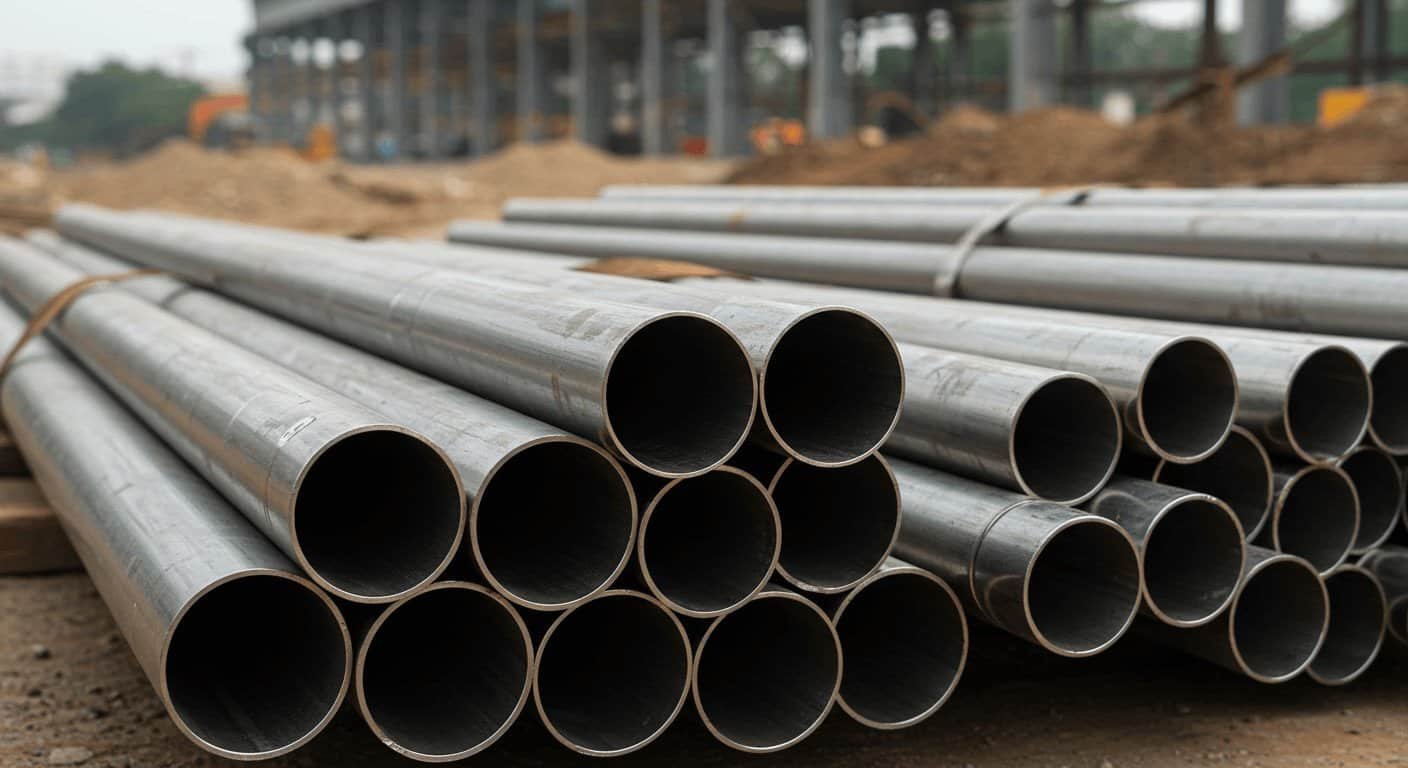
What Is the Standard Material for Stainless Steel Pipes?
Buyers who trade internationally often demand standard grades to ensure consistency and compatibility with global projects.
Common standards include ASTM A312, ASTM A213, und EN 10216, with grades such as 304, 316, Und 321 stainless steel widely recognized worldwide.
Grad 304 stainless steel is the most popular and versatile, often used in household and commercial projects. Grad 316 contains molybdenum, which improves resistance against chloride corrosion, making it a favorite for chemical and marine environments. When evaluating what is stainless steel pipe used for, the chosen standard is directly tied to project safety and cost-efficiency.
How Are Stainless Steel Billets Formed?
Billets are the backbone of pipe production. Weak billets lead to cracks, leaks, or uneven dimensions.
Billets are made by melting raw metals in an Elektrolichtbogenofen, refining impurities, and casting the liquid steel into rectangular or round shapes.
The billet-making stage is where how is steel pipe made begins. High-quality casting ensures uniform density and fewer inclusions. For industries like oil, gas, and high-pressure systems, buyers should request information about billet quality. Advanced casting technology improves not only durability but also reduces the risks associated with extreme working conditions.
What Is the Difference Between Seamless and Welded Stainless Steel Pipe Production?
Many customers ask: how is seamless stainless steel pipe made compared to welded ones?
Seamless pipes are produced by heating solid billets, piercing them, and extruding into hollow shapes. Welded pipes are rolled from flat sheets and welded along the seams.
Seamless stainless steel pipes are essential in industries that require high-pressure resistance, such as oil pipelines, chemical plants, and power generation. Welded pipes, Jedoch, are more cost-effective and suitable for decorative applications, general plumbing, and low-pressure systems. Understanding how are steel pipes made helps buyers choose the right type for their project.
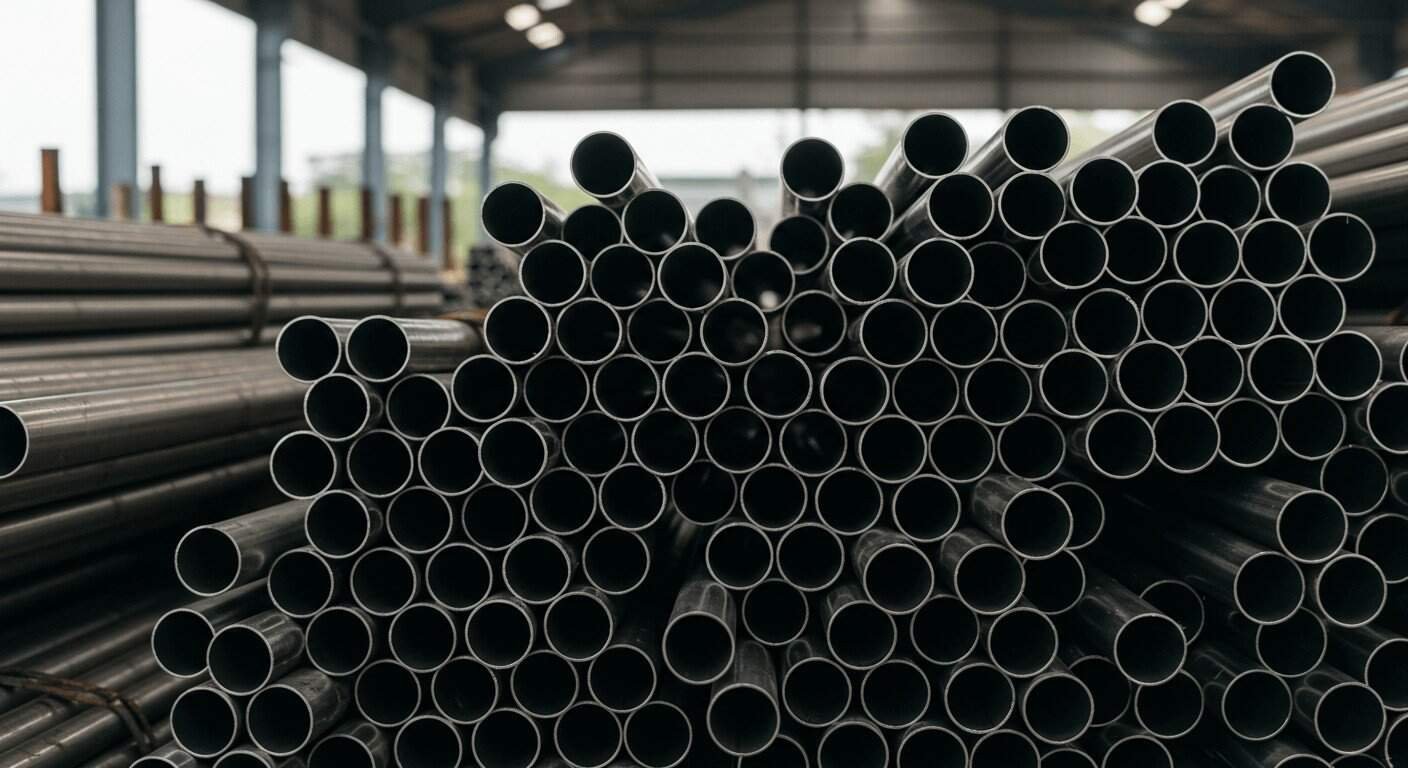
How Does Heat Treatment Improve Stainless Steel Pipe Quality?
The properties of stainless steel pipes don’t only come from composition—they are also shaped by heat treatment.
Heat treatment involves heating the pipe to controlled temperatures, then cooling it to relieve stress, enhance ductility, and restore corrosion resistance.
Processes like annealing improve toughness, while solution treatment is critical for food-grade pipes to prevent contamination. Without proper heat treatment, how is stainless pipe made would not meet industry requirements. Buyers in medical, Chemikalie, and food industries must ensure their suppliers follow correct procedures to avoid performance issues.
Why Is Surface Finishing Important in Stainless Steel Pipe Manufacturing?
The pipe’s surface is more than appearance—it influences hygiene, Haltbarkeit, und Korrosionsbeständigkeit.
Finishing processes such as pickling, Polieren, and passivation remove scale, smoothen the surface, and enhance rust protection.
For industries like pharmaceuticals and food processing, a polished finish is mandatory because contamination risks are high. Decorative applications, such as architectural projects, may prefer mirror finishes. Industrial users may settle for matte finishes for practicality. Buyers must consider where is stainless steel pipe used before choosing a finishing method.
How Is Stainless Steel Pipe Quality Tested Before Shipping?
Without quality testing, even the best-made pipes could fail.
Tests include dimensional checks, Zugfestigkeit, hydrostatic pressure, hardness testing, and non-destructive inspections like ultrasonic or eddy current scanning.
Reliable Lieferanten provide certifications from ISO, ASTM, or EN standards. For buyers sourcing in bulk, third-party inspections can be invaluable. This reduces the risk of defects and ensures compliance with international requirements. If you’re wondering how are steel pipes made to guarantee safety, strict quality control is the final step.
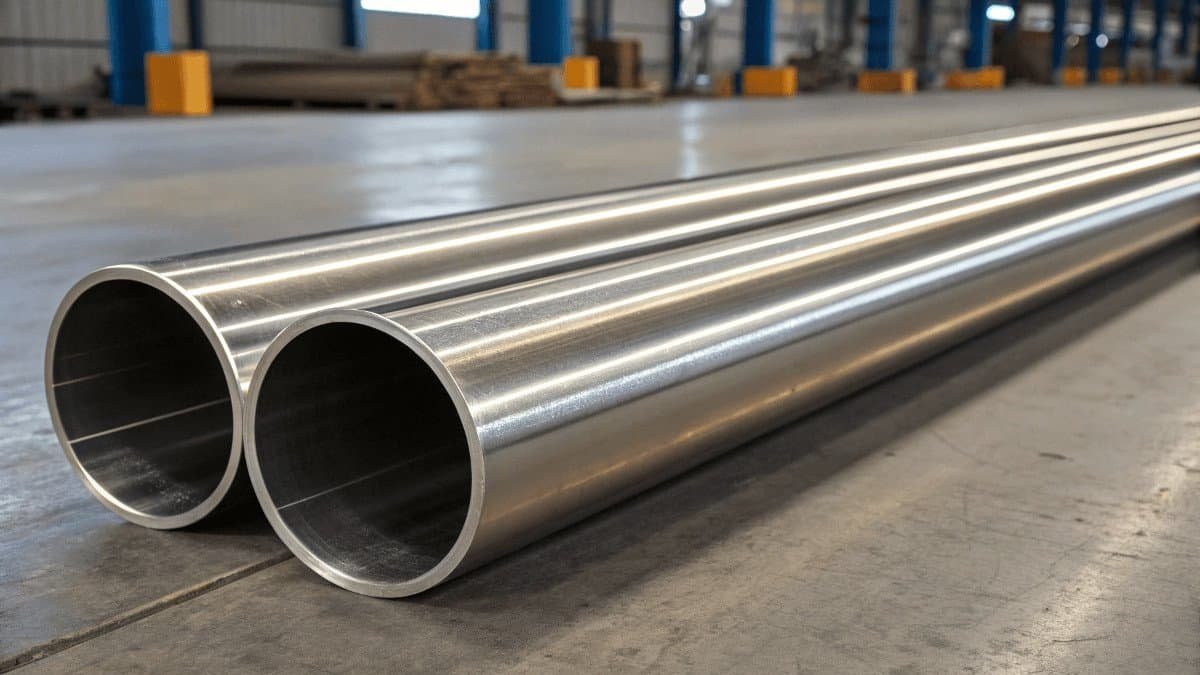
What Is the Difference Between Stainless Steel and Steel Pipes?
A common buyer question is: what is stainless steel pipe compared to regular steel?
Stainless steel pipes contain chromium and nickel, which give corrosion resistance, während Kohlenstoffstahlrohre are cheaper but rust easily.
Zum Beispiel, how is stainless steel tubing made differs because of the alloying process. Stainless steel is ideal for marine, medical, and food applications, while carbon steel dominates in construction and heavy industries. Buyers must balance budget constraints with long-term durability when choosing between these two options.
Was sind die Nachteile von Edelstahlrohren??
Even the best materials have limitations.
Stainless steel pipes are more expensive, harder to machine, and may suffer from stress corrosion cracking under certain extreme conditions.
This is why, in price-sensitive projects, some buyers opt for carbon steel or galvanized pipes. Jedoch, the long-term cost of repairs and replacements often outweighs the initial savings. For buyers who prioritize performance and safety, understanding these drawbacks is crucial when assessing how is stainless pipe made for specific projects.
What Is the Lifespan of Stainless Steel Pipes?
Durability is one of the strongest selling points of stainless steel.
With proper installation and maintenance, stainless steel pipes can last 50–100 years, depending on environmental conditions.
Pipes exposed to marine environments may experience reduced lifespan due to chloride exposure, while indoor applications can last nearly a century. When considering where is stainless steel pipe used, the expected lifespan makes it a smart investment, especially in industries requiring reliability over decades.
Zusammenfassung
From raw materials to finishing, stainless steel pipes undergo strict processes. Understanding how are steel pipes made helps buyers choose wisely and avoid costly sourcing mistakes.