Die Wahl der falschen Dicke der Aluminiumspule kann die Stabilität von Strukturen beeinträchtigen, Kosten erhöhen, und Projekte verlangsamen. Erfahren Sie noch heute, wie Sie die richtige Dicke für Ihre Anforderungen auswählen.
The ideal Aluminiumspule thickness depends on the application. For roofing, 0.5–1.2mm works well; for automotive parts, 0.8–2.0mm is optimal. Industrial equipment may require thicker rolled aluminum coil up to 6mm. Selecting the right thickness ensures durability, cost efficiency, and compliance with technical standards.
Let’s look at the most important factors and uses that will help you pick the right thickness for your alu coil.
How to Measure Aluminum Coil Thickness Accurately?
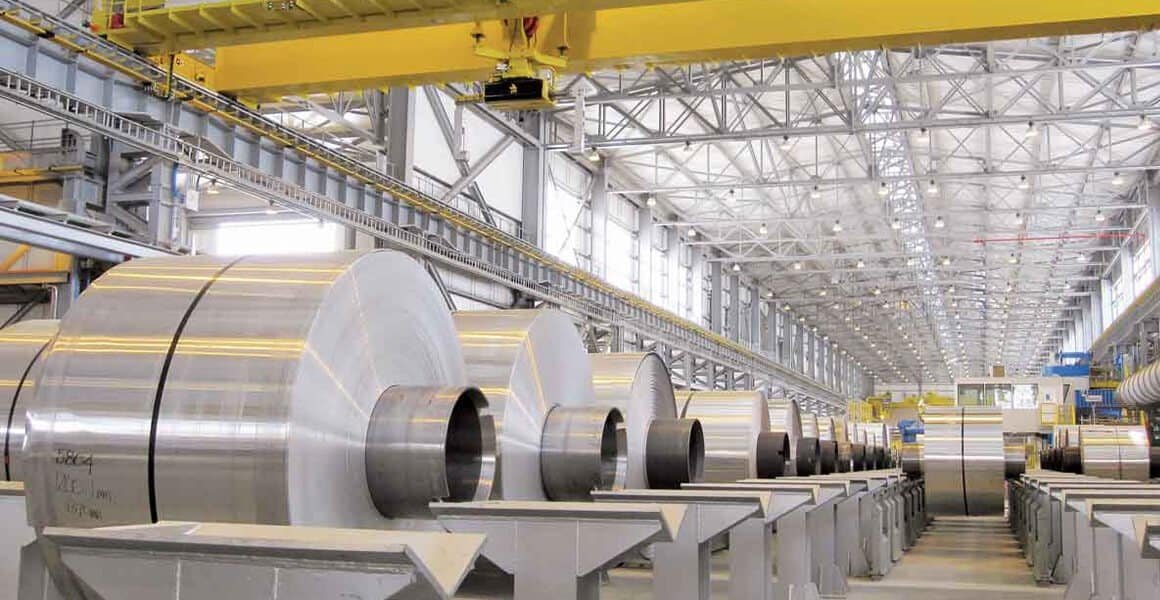
To keep costs down, make sure the project is on track, and make sure the quality is high, it’s important to measure the thickness of aluminum coils accurately. Using the right tools makes sure that your aluminum coil stock meets the requirements without you having to pay too much or risk structural problems.
To get an accurate measurement of aluminum coil roll, use calipers, Mikrometer, or laser thickness gauges. To avoid deviations, check several points along the coil’s width and length. Consistent measurements cut down on mistakes in production and save money on rework.
It takes a lot of work to measure Aluminiumspule. Choose trustworthy tools first, like digital calipers or laser gauges that don’t touch the surface. To find inconsistencies, measure the coil’s edges and center. Remember that pre-painted and embossed aluminum coil surfaces may change readings a little, so make sure to follow the manufacturer’s instructions.
For coated aluminum coil, the thickness may include both the base metal and the coating layer. This is very important for roofing and industrial uses. To make sure they are accurate, it is best to calibrate measuring tools on a regular basis. Companies that work with a lot of aluminum coil stock often use automated measuring systems to get data faster and more accurately.
To get the right prices for aluminum coil stock, you also need to know the exact thickness, since prices often change with weight per meter or kilogram. When you learn how to measure things correctly, you cut down on waste and make sure that your products are always the same, whether they are colored aluminum coil or standard rolled aluminum coil.
What Thickness of Aluminum Coil Is Best for Roofing?
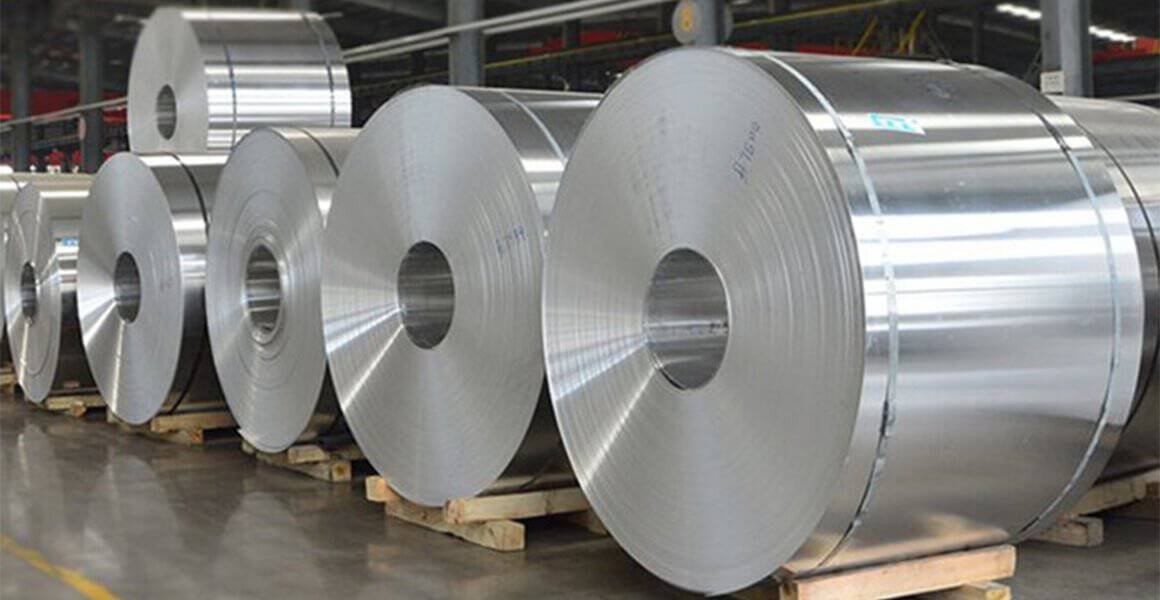
The right aluminum coil for roofing strikes a balance between cost, Gewicht, und Haltbarkeit. If the coil is too thin, it can bend, and if it is too thick, it can make installation harder and cost more.
It is usually best to use aluminum roofing coil that is 0.5 Zu 1.2 mm dick. This thickness makes sure that the aluminum coil stock is strong, resistant to rust, and lasts a long time, all while keeping prices low.
Think about how the aluminum coil will be exposed to the environment when you choose it for roofing. Coastal areas need aluminum coil that is more resistant to corrosion, so coated or painted aluminum coil is a good choice. Aluminum painted coil and pre-painted aluminum coil look good and protect the metal. Thickness also affects thermal expansion. Thinner coils may ripple when heated, while thicker coils are harder to deform but are heavier to move and install.
For balance, many roofing contractors like aluminum coil roll that is 0.7 Zu 1.0 mm dick. Colored aluminum coil also lets you customize the look of a building without affecting its performance. The price per kg of aluminum coil varies depending on the thickness and type of coating. Always double-check the specifications from your supplier for aluminum coil stock, aluminum coil for sale, or aluminum coil roll to make sure your project doesn’t get delayed. Choosing the right roof will make sure it can handle extreme weather and look good for decades.

Which Aluminum Coil Thickness Works for Automotive Manufacturing?
For lightweight, strong parts, automotive manufacturing needs alu coil with the right thickness. If the aluminum coil is the wrong thickness, it can make things less safe and cost more to make.
For cars, a roll of aluminum coil that is 0.8 Zu 2.0 mm thick is common. This thickness is strong but light, so it can support body panels, heat shields, and structural parts, making production safer and more efficient.
The automotive industry has very high standards. Rolled aluminum coil must be able to handle a lot of stress, not rust, and be easy to weld. Manchmal, embossed aluminum coil is used for parts inside, and pre-painted aluminum coil makes the outside look better. The thickness of the aluminum coil you choose will affect the weight, fuel efficiency, and durability of the vehicle.
Suppliers often give prices for aluminum coils based on their thickness and coating. It’s very important to measure the thickness because if it’s too thin, it could dent easily, and if it’s too thick, it adds extra weight. Coated and colored aluminum coils give you more design options and protect against rust.
When looking for aluminum coil stock or aluminum coil for sale, ask for detailed datasheets and certifications to make sure they meet automotive standards. Choosing the right thickness is very important in any automotive supply chain because it affects cost, efficiency, und Leistung.

How to Choose Aluminum Coil Thickness for Industrial Applications?
Aluminum coil roll with the right thickness is needed for industrial equipment, Maschinen, and piping systems to handle mechanical stress, thermal cycles, and chemical exposure.
Depending on the load, Haltbarkeit, and corrosion resistance needs, 1.0–6.0mm rolled aluminum coil is usually used in industrial settings. The right thickness makes sure that the product will last for a long time and save money.
When choosing the right thickness of aluminum coil roll for industrial use, you need to find a balance between strength and cost. Coated aluminum coil keeps chemical plants from rusting, while aluminum painted coil and pre-painted aluminum coil make things look better or help people find them. Embossed aluminum coil can make things easier to hold on to or stronger.
Think about how the machine will work: pressure, temperature, and load all affect the minimum safe thickness. Suppliers often list the prices of aluminum coil, aluminum coil price, or aluminum coil stock prices by thickness, which makes it easy to plan your budget. Check that the coating and strength of aluminum coil for roofing that has been used in industrial settings are still good.
Choosing the right thickness lowers maintenance costs and stops things from breaking down too soon. Colored aluminum coil and coil-coated aluminum can protect things and help with branding. Always ask your suppliers for thickness certificates to make sure they are following the rules and are trustworthy.
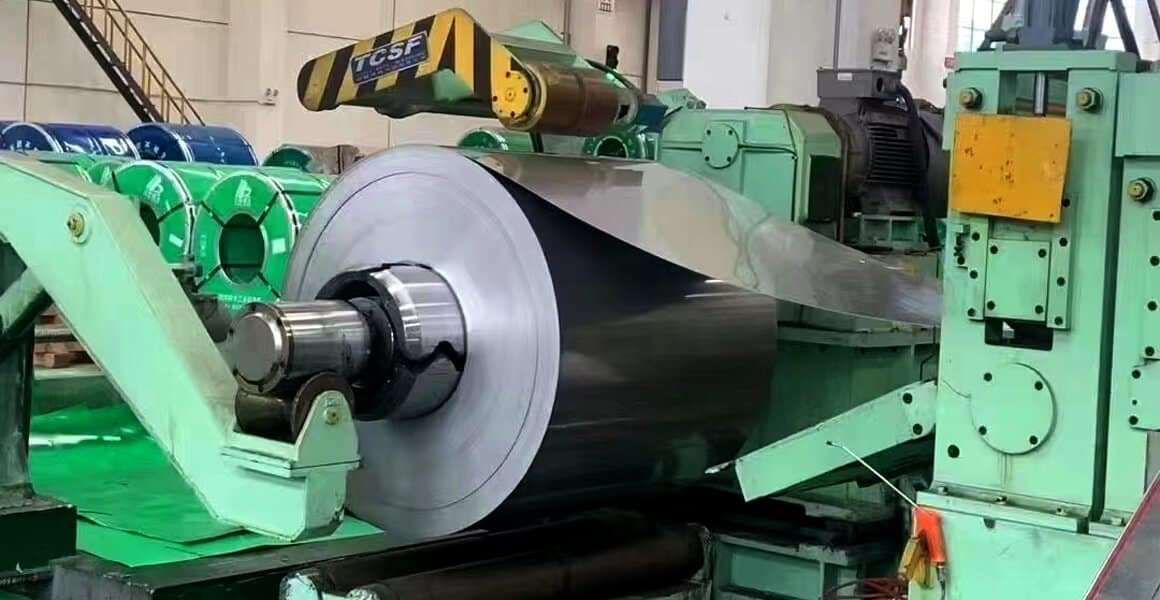
What Are the Common Mistakes When Selecting Aluminum Coil Thickness?
Choosing the wrong thickness of aluminum coil is a common mistake that can lead to structural failure, high costs, or delays in the project.
Ignoring environmental factors, overestimating strength needs, or underestimating thermal expansion are all common mistakes. To avoid these problems, make sure to check the specs for aluminum coil roll, coated aluminum coil, and painted aluminum coil.
A lot of people only think about the price of aluminum coil per kg or aluminum coil, not how well it works. Aluminum coil rolls that are too thin may bend, and coils that are too thick make aluminum coil stock prices go up for no reason. Using the wrong coatings, such as aluminum painted coil when uncoated rolled aluminum coil is enough, can cause peeling or corrosion.
To keep their looks and function, colored aluminum coil and embossed aluminum coil need to be carefully chosen for their thickness. Another mistake is not measuring. If the thickness of the aluminum coil stock is wrong, it can cause problems with machinery or construction. Check with suppliers to make sure they have aluminum coil for sale and ask for test reports.
Long-term dependability comes from knowing the standards for aluminum roofing coil, the specs for pre-painted aluminum coil, and how coil-coated aluminum performs. Avoid these mistakes to save money, avoid delays, and keep the quality high.
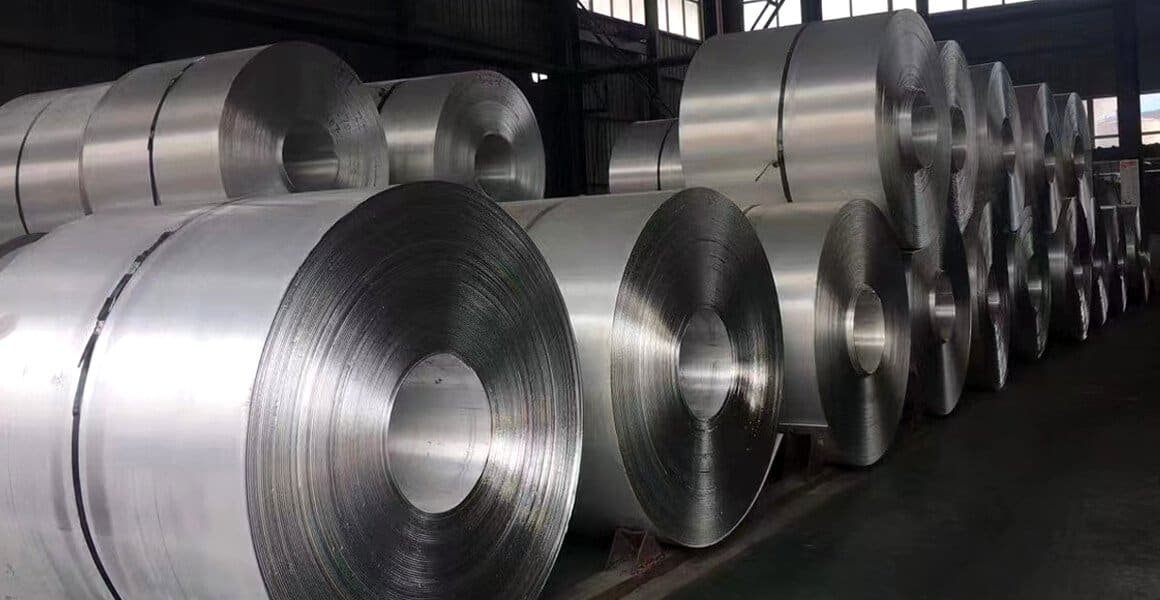
Zusammenfassung
Choosing the right thickness of aluminum coil makes sure that it lasts, works well, and is cheap. Get in touch with reliable suppliers to find the right aluminum coil roll for your project.