
Importing GI coils with the wrong HS code can trigger delays, penalties, and lost peak-season sales. One small customs mistake can quietly destroy your entire profit margin.
What is the GI coil HS code and how can you classify it correctly for import and export? The gi coil hs code generally falls under HS 7210 for zinc-coated flat-rolled iron or non-alloy steel. Final classification depends on thickness, coating weight, processing level, and alloy content. Confirming specifications and matching them with the correct tariff schedule ensures accurate duty calculation, smooth customs clearance, and reduced compliance risk.
Lakin, correct classification requires more technical understanding than most buyers expect.
Is GI Coil Always Classified Under HS Code 7210?
A common misconception among importers is that all galvanized products fall under the same customs category. Before verifying the final gi coil hs code, customs agents typically review intricate technical details, and minor variations may result in alternative subheadings.
The majority of coils of sinklənmiş polad are covered by HS 7210, which also applies to flat-rolled iron and zinc-coated non-alloy steel. Lakin, depending on the coating technique and degree of finishing, changes in alloy composition or additional processing may bring items to different categories, such 7212.
In general, flat-rolled iron or non-alloy steel items that have been plated or coated with zinc fall under HS code 7210. This encompasses a wide range of goods that are frequently referred to in international trade as galvanized steel coil hs code.
Customs may classify the product differently, though, if it is narrower, has undergone further processing, or has unique alloy properties. Steel strips, for instance, can belong to a different subcategory if they are within a specific width range. The categorization may completely change if the material has alloy elements that are higher than those found in karbonlu polad.
Technical documents are important because of this. The mechanical qualities, coating thickness, and composition of the base metal are all explicitly stated in a mill test certificate (Mtc). Without it, there is a greater chance of reclassification since customs inspectors might depend on conjecture. Based on my eighteen years of exporting expertise, thorough documentation shields purchasers from unforeseen duty modifications and avoids needless port delays.
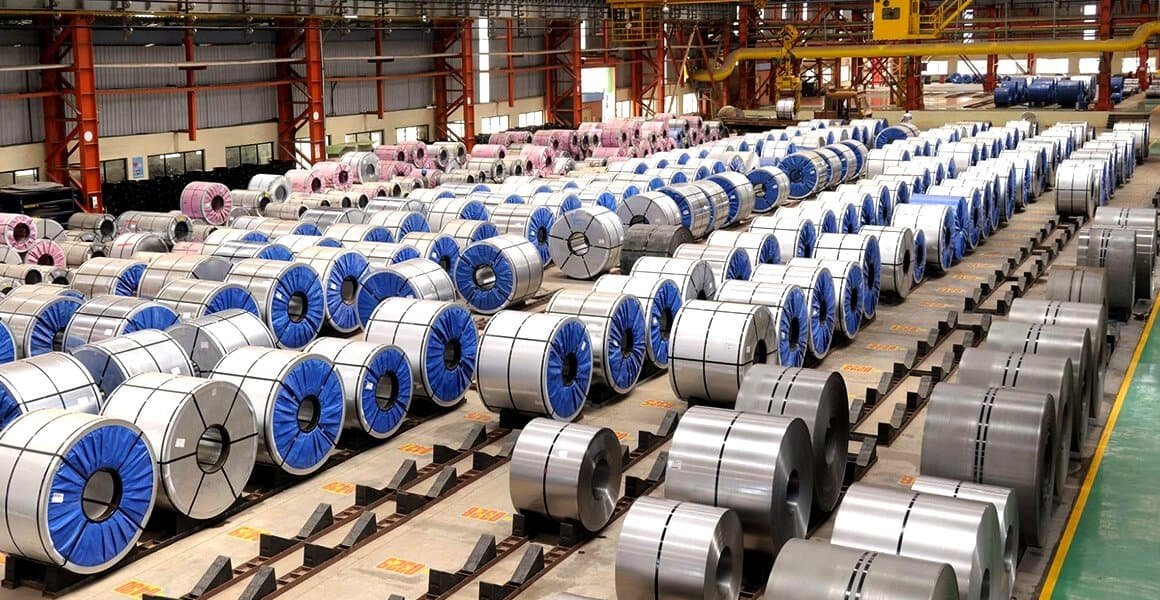
What Factors Affect the GI Coil HS Code Determination?
Product names are not the only criteria used by customs officials to categorize goods. Due to their reliance on quantifiable criteria, both importers and exporters may be at risk for noncompliance.
The base metal type, zinc coating weight (Z60, Z120, Z275), thickness, geniştəhər, and processing condition are important aspects that affect the HS code for galvanized steel coil. Customs reclassification hazards are greatly decreased by accurate technical papers and inspection certifications.
Several technical elements directly affect the final steel coil hs code:
- Base Metal Composition: Alloy steel and carbon steel are not the same. Classification may be impacted by even slight variations in chemical content.
- Coating Weight: The zinc coating weight, which is measured in grams per square meter (g/m2), affects subcategories and establishes corrosion resistance.
- Thickness and Width: HS codes use thickness thresholds to differentiate between flat-rolled items.
Surface Treatment: Surfaces that have been oiled, passivated, or chromated could need a more explicit declaration.
Processing Level: Corrugated or pre-formed sheets are not the same as galvanized coils.
Verifying these criteria prior to shipment is crucial for importers sourcing from underdeveloped nations. The technical sheet and the commercial invoice description should always line up, in my opinion. When paperwork are consistent, customs inspectors are less likely to suspect something.
Why Is the Correct GI Coil HS Code Important for Importers?
The hassle of paperwork is not the only consequence of incorrect HS classification. Seasonal sales performance, delivery schedules, and landed costs are all directly impacted.
In addition to avoiding shipment detention and customs fines, using the correct GI steel coil HS code guarantees precise duty payment. Profit margins are safeguarded by proper classification, particularly when exporting to tariff-sensitive regions like Brazil, Argentina, and Mexico.
Steel products are frequently subject to particular tariff regulations in South American nations. Məsələn, Brazil employs the NCM system, which adds eight digits to the international six-digit HS code. A minor misclassification may lead to:
- Higher import duties
- Anti-dumping reassessment
- Port storage fees
- Delayed customs clearance
Even a 2–5% unforeseen duty hike can drastically lower your resale margin if you buy steel in China and resell it in Brazil.
Financial planning is also aided by accurate classification. Banks regularly evaluate product descriptions when evaluating documented collections or letters of credit (L/C). Payment release may be delayed if the declared HS code for the coil and the supporting documentation differ.
For technical directors and CEOs, earnings stability is correlated with compliance accuracy.
How Can You Verify the GI Coil HS Code Before Shipment?
Expert exporters don’t wait for categorization decisions from customs. They lower risk at destination ports by confirming HS codes prior to products leaving the production.
Examine the destination country’s most recent tariff schedule, study official customs tariff databases, and collaborate with authorized customs brokers to verify the proper gi coil hs code. Pre-shipment verification avoids expensive post-arrival reclassification.
I suggest the following useful verification steps:
- Check National Customs Websites – Many countries publish searchable tariff systems.
- Consult Customs Brokers – Local experts understand recent policy changes.
- Align All Documents – Commercial invoice, packing list, bill of lading, and MTC must use consistent product descriptions.
- Confirm Destination Code Extensions – For example, Brazil’s NCM adds extra digits beyond the international HS system.
Exporters with experience can guide buyers through this process. In my company, we double-check the declared galvanized steel coil hs code before finalizing shipping documents. Prevention is always cheaper than correction.

Does Zinc Coating Weight Change the GI Coil HS Code?
Customers sometimes haggle coating weight for durability without considering the implications for customs. But occasionally, the thickness of zinc affects how tariffs are interpreted.
Zinc coating weight by itself often doesn’t alter the basic 7210 heading, but under some national tariff systems, it might have an impact on subclassification or duty rates. Providing precise Z-grade requirements guarantees openness throughout the customs inspection process.
Total coating mass per square meter is represented by zinc coating grades like Z60, Z120, and Z275. A higher coating weight increases the product’s resistance to corrosion, making it appropriate for infrastructure and construction projects.
Some nations utilize distinct tariff lines based on technical factors, even though the international HS framework places greater emphasis on product shape than coating thickness. Customs may doubt the product’s actual worth or use if it is declared incorrectly.
Doubt is removed by presenting a clear mill test certificate that indicates coating weight. Əlavə olaraq, it fosters trust with customers who are worried about durability over the long run. Technical openness promotes reputation and compliance in marketplaces that are competitive.
Is the GI Coil HS Code Different in Brazil, Argentina, or Mexico?
Global trade is standardized under the Harmonized System, but local additions are implemented in each nation. For exporters entering several markets, this frequently leads to misunderstanding.
Internationally standardized, the gi coil hs code’s first six digits are usually less than 7210. Lakin, to ascertain exact tax rates and regulatory obligations, nations like Brazil employ extended codes like NCM.
Məsələn:
- Brazil (NCM) – 8-digit code system based on HS.
- Argentina – Uses MERCOSUR-aligned classification.
- Mexico – Applies its own tariff extensions.
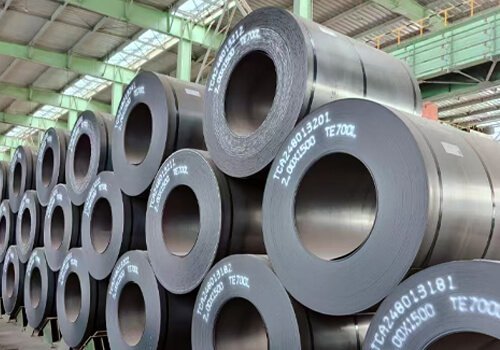
Galvanized items and hot rolled steel coils fall under distinct sections (usually 7210 for galvanized and 7208 for hot rolled), as can be seen when comparing their HS codes. Tariff charges are greatly impacted by this differential.
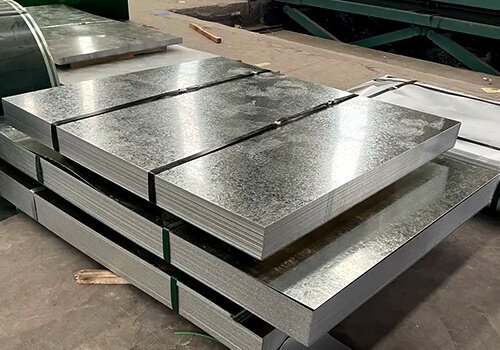
Comprehending destination-specific regulations, such as gi sheet hs code versus coil categorization, helps prevent confusion between comparable products. Despite being galvanized, they may differ in form and processing.
Prior to delivery, always confirm local extensions.
Can a Wrong GI Coil HS Code Cause Anti-Dumping Investigations?
One of the commodities with the strictest regulations in global trade is steel. Anti-dumping measures frequently target coated and flat-rolled products.
Indeed. If customs suspects misclassification, declaring an inaccurate steel coil HS code may result in an anti-dumping review. Authorities have the authority to investigate compliance, impose greater tariffs, or detain items.
Certain imports of steel are subject to anti-dumping duties in certain South American nations. Customs systems may automatically identify a goods if it is incorrectly declared under a lower-duty category.
Consequences include:
- Retroactive duty payments
- Financial penalties
- Long-term compliance monitoring
Accurate classification protects not only immediate profit but also your company’s compliance record. Long-term import credibility matters, especially for companies operating large-volume steel businesses.
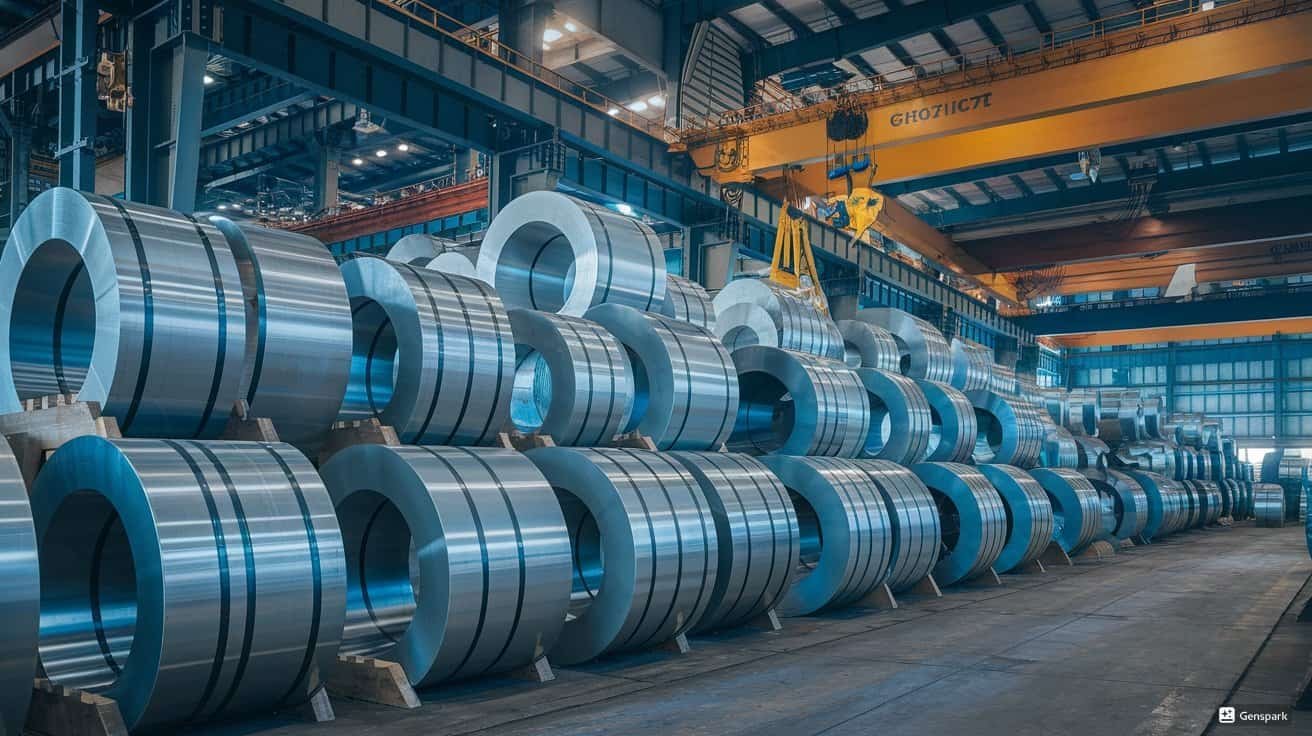
What Documents Are Required to Declare the GI Coil HS Code?
Accurate documentation is equally as crucial as accurate products. Paperwork is used by customs officers to support their classification decisions.
You usually require a commercial invoice, packing list, bill of lading, mill test certificate, and comprehensive product specification document in order to declare the correct HS code for galvanized steel coil.
Each document plays a role:
- Commercial Invoice – Must clearly state product description and HS code.
- Packing List – Confirms quantity and weight.
- Bill of Lading – Verifies shipment details.
- Mill Test Certificate – Proves chemical and mechanical properties.
Confusion is avoided when documents are consistent. The same idea applies to unrelated products as well, such as the HS codes for heating coils and valve guides: accurate description guarantees proper classification.
Customs clearance is quicker and easier when all paperwork is in order.
How Do Thickness and Processing Affect the GI Coil HS Code?
Many believe that everything is determined by the coating. In actuality, classification can be greatly impacted by the product form and processing stage.
The product typically stays under 7210 as long as it is flat-rolled and zinc-coated. It might, however, go to a different HS category with more shaping, corrugation, or fabrication.
Məsələn, bare coils and corrugated roofing sheets could be subject to separate codes. It may also be necessary to classify cut-to-length sheets separately.
Declaration errors can be avoided by being aware of the differences between coil classification and gi sheet hs code. Under customs law, processing modifies the identity of the product.
Make sure your product is still a simple flat-rolled coil or if it has evolved into a manufactured building element.
How Can Exporters Help Buyers Avoid GI Coil HS Code Mistakes?
Skilled exporters know that long-term relationships are strengthened by customs compliance. Technical errors harm a company’s reputation and financial success.
Reputable vendors provide thorough technical documentation, work with brokers to ensure a seamless customs clearance process, and confirm the gi coil hs code prior to shipment.
After exporting steel products for eighteen years, including galvanized materials, copper products, alüminium boil, paslanmayan polad, and carbon steel, I’ve come to the important conclusion that most customs issues may be avoided with proactive communication.
A professional exporter should:
- Provide clear technical specifications
- Confirm classification with buyers
- Align invoice wording with tariff codes
- Offer inspection support
- Monitor policy changes
Risks are greatly reduced when importers and exporters work together openly. In the cutthroat international steel markets, accurate HS classification preserves margins, prevents delays, and fosters confidence.
Xülasə
Accurate duties, seamless clearing, and steady profit are guaranteed when the gi coil hs code is correctly identified. Your shipments, reputation, and long-term success in international trade are all safeguarded by accurate classification.