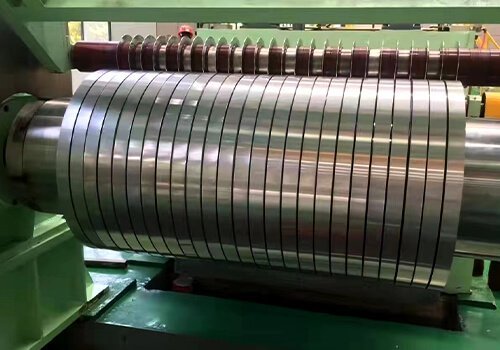

Are you tired of worrying about rust ruining your steel structures? Galvanized steel offers a simple yet effective solution. Learn why it’s a game-changer for construction, avtomobil, and more.
What does galvanized steel mean and why is it important? Galvanized steel refers to steel coated with a protective layer of zinc, which prevents rust and corrosion. It’s a durable and cost-effective material, ideal for construction, avtomobil, and infrastructure projects exposed to harsh environments. Discover why it’s a must-have material!
Now that we’ve introduced sinklənmiş polad, let’s dive deeper into what it is, why it’s so important, and its applications across various industries.
What Is Galvanized Steel?
Galvanized steel is a type of steel that has been coated with a thin layer of zinc using a process called galvanizing. This coating’s purpose is to protect the steel from rust and corrosion, which can shorten the material’s lifespan and reduce durability.
Galvanizing steel typically uses two methods: hot-dip galvanizing and electroplating. The most common method is hot-dip galvanizing, which involves dipping steel into molten zinc. This results in a thick, protective zinc layer that firmly adheres to the steel. Electroplating, on the other hand, applies an electrical current to the steel to deposit a thin layer of zinc. While electroplating creates a thinner coating, it is commonly used in applications that require precision and a smoother finish.
Galvanized steel provides an effective barrier against environmental elements that would normally cause rust by coating the steel’s surface with zinc. This process is critical for industries where steel is exposed to moisture, harsh weather, or corrosive materials, making galvanized steel metal an excellent choice for a variety of applications.
Why Is Galvanized Steel Important?
Galvanized steel is an essential material in many industries due to its superior resistance to rust and corrosion. Its significance stems from its ability to increase the life of structures and reduce maintenance costs over time. Without proper protection, untreated steel is vulnerable to the damaging effects of moisture and environmental elements, causing it to degrade quickly. Galvanizing steel helps to prevent degradation by creating a long-lasting barrier against these harmful elements.
Galvanized steel is commonly used in the construction of outdoor structures such as bridges, roofs, and fences. It is also commonly used in automotive parts where the vehicle body must withstand weathering and exposure to moisture. Galvanized steel pipes are used in plumbing and other water-based systems to provide long-term resistance to water damage and corrosion.
Bundan əlavə, galvanized steel provides cost savings for businesses. Because it requires less maintenance than non-coated steel, galvanized steel metal has a lower overall lifetime cost, making it an affordable option for many projects.
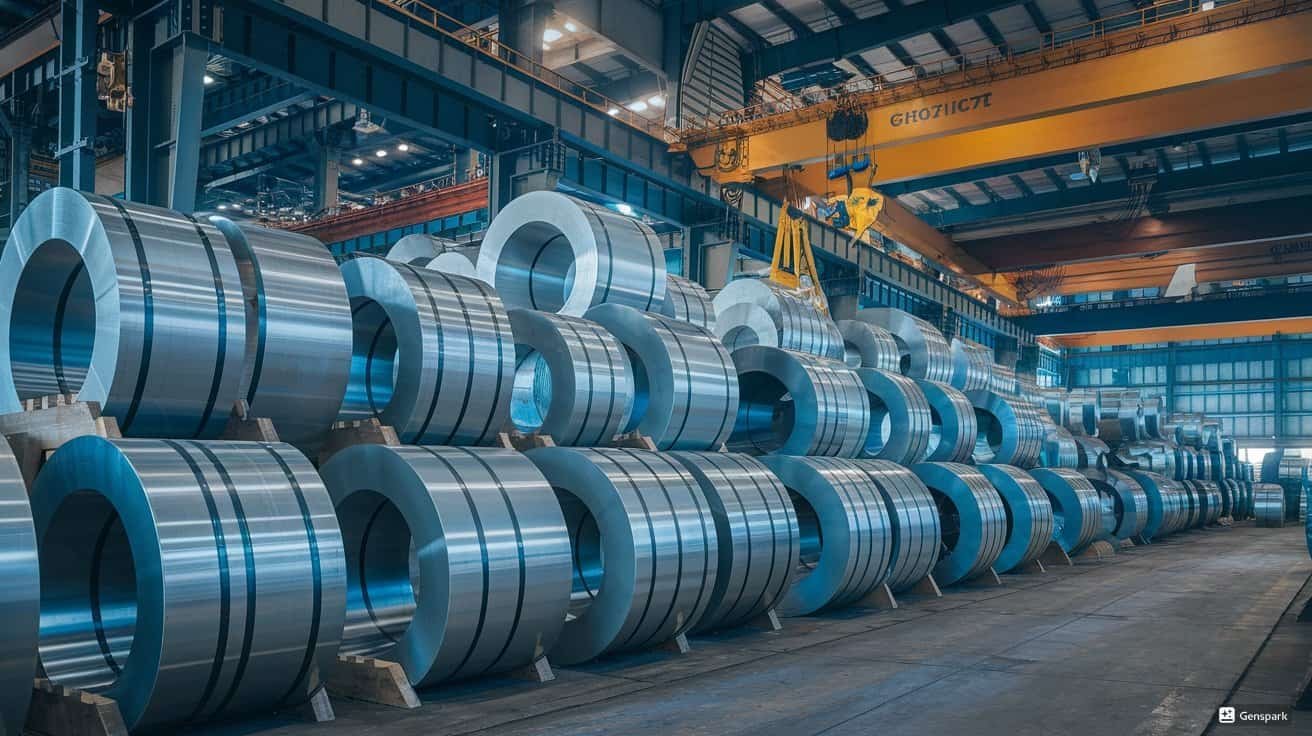
What Are the Applications of Galvanized Steel in Various Industries?
Galvanized steel is a versatile material that is used in a variety of industries. Galvanized steel metal is used in a variety of industries, including construction and automotive manufacturing, due to its unique combination of strength, durability, and corrosion resistance.
Galvanized steel is commonly used in the construction industry for structural elements such as beams, columns, and roofing. Its corrosion resistance ensures that buildings and infrastructure can withstand environmental exposure without degrading significantly over time. Galvanized steel pipes are also widely used in plumbing systems, ensuring long-term functionality in water delivery systems.
Galvanized steel is also useful in the automotive industry for weather-resistant body parts like hoods, doors, and undercarriages. Galvanized steel pipe is especially useful in exhaust systems, where corrosion resistance is essential due to constant exposure to moisture and heat.
Bundan əlavə, galvanized steel is used in the production of industrial equipment and machinery, where it is subjected to harsh and abrasive conditions. Its resistance to rust and wear allows machinery to operate for longer periods of time with minimal maintenance. Galvanized steel is also used in consumer products such as outdoor furniture and gardening tools.
What Are the Key Benefits of Using Galvanized Steel?
There are several significant advantages to using galvanized steel in a variety of applications. One of the most significant advantages is corrosion resistance, which prevents steel from rusting due to exposure to moisture, kimyəvi maddələr, or salty air. The zinc coating creates a protective barrier that keeps water from reaching the steel surface, ensuring that the steel remains intact even in harsh conditions.
Another benefit of galvanized steel is its long-term durability. The protective coating is difficult to peel off, even in extreme environments, because the galvanizing process tightly bonds the zinc layer to the steel. This durability makes galvanized steel metal ideal for structures that must last for many years without frequent repairs or replacements.
Əlavə olaraq, galvanized steel is a low-maintenance material. Once zinc-coated, the steel requires little maintenance. Unlike untreated steel, which may require frequent painting or rust treatments, galvanized steel typically only requires periodic inspections to ensure that the zinc layer remains intact.
Nəhayət, galvanized steel is an eco-friendly option. The material is 100% təkrar edilə bilən, which means it can be reused at the end of its life cycle, reducing the need for new resources and minimizing waste.
Does Galvanized Steel Rust?
Despite its excellent rust resistance, galvanized steel is not completely rustproof. The zinc coating acts as a protective layer, but if it is damaged—either through physical abrasion, scratches, or chemical exposure—the steel beneath may be exposed to moisture, resulting in rust formation.
While galvanized steel is far more corrosion resistant than untreated steel, extreme conditions, such as exposure to saltwater or highly acidic environments, can still damage the zinc layer. If the galvanized steel is subjected to continuous wear, the coating may thin out, reducing its ability to prevent rust.
As a result, it is critical to inspect galvanized steel on a regular basis, especially in environments with high mechanical stress or harsh chemicals that can wear away the zinc layer.

What Are the Disadvantages of Galvanized Steel?
While galvanized steel has many benefits, it does have some limitations. One of the main disadvantages is that it can be more expensive initially than non-coated steel. Lakin, when it comes to long-term cost savings from reduced maintenance and increased durability, galvanized steel is often the more cost-effective option.
Another disadvantage is that galvanized steel may be more difficult to work with than untreated steel. Welding galvanized steel requires special precautions because the zinc coating can emit toxic fumes when heated. This is especially important in industries where steel is welded frequently.The zinc layer can also make it more difficult to perform certain types of repairs or modifications because the galvanized steel may need to be re-coated after the work is completed.
Əlavə olaraq, galvanized steel can have aesthetic limitations. While some applications, such as industrial structures, benefit from its utilitarian appearance, the metallic finish may not be visually appealing in some consumer-facing products, necessitating additional coatings or finishes to improve its appearance.
Is Galvanized Steel OK for Outdoor Use?
Bəli, galvanized steel is an excellent material for outdoor use, particularly in moist environments. Its resistance to corrosion makes it an excellent choice for outdoor fences, roofs, and street furniture. The zinc coating acts as a barrier, keeping moisture from penetrating the steel and causing rust.
Lakin, in extremely harsh outdoor environments—such as coastal regions with saltwater contamination or areas with high levels of industrial pollution—galvanized steel may require additional protection or a thicker zinc coating to ensure its longevity. Regular inspections and maintenance are recommended to keep the galvanized steel in good condition.
How Can You Tell If Steel Is Galvanized?
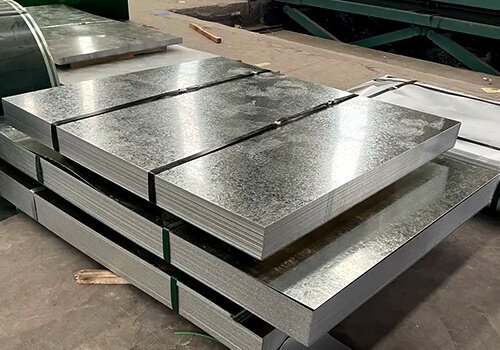
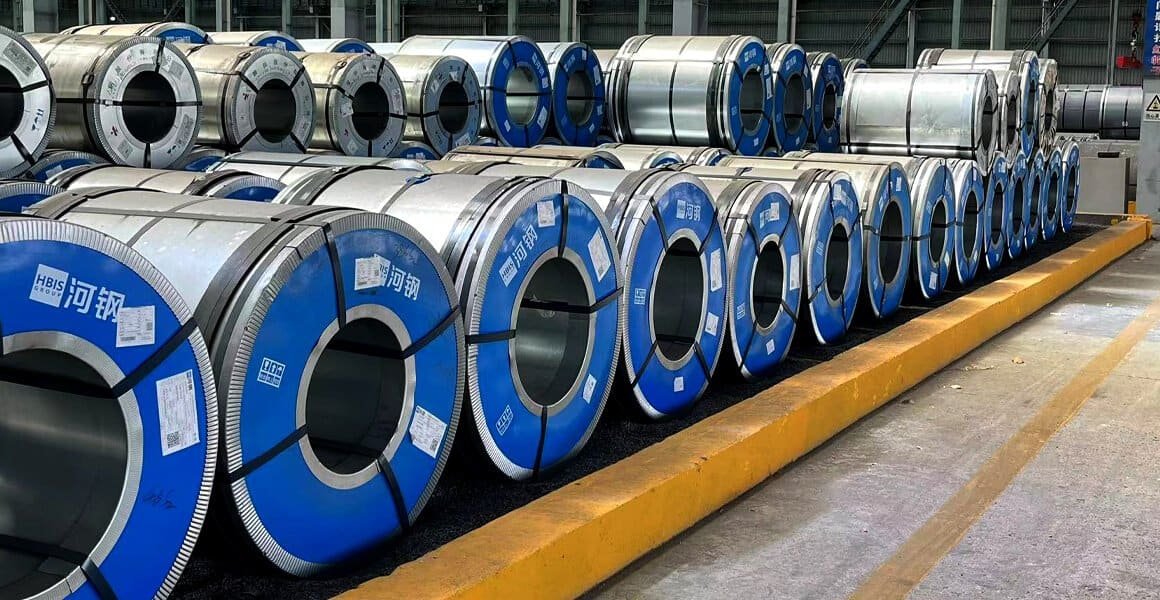
Galvanized steel can be easily identified because it has a distinct appearance. Galvanized steel typically has a shiny, metallic finish with a slightly textured or spangled surface. Depending on the galvanizing method used, the zinc coating may produce a visible shine or a reflective surface.
A scratch test can also be used to determine whether or not steel is galvanized. If the steel is galvanized, the exposed metal beneath will often appear silver or shiny because the zinc coating is thin but strong.
What Is Better, Stainless Steel or Galvanized?
Stainless steel and galvanized steel are both excellent corrosion-resistant materials, but they have different applications. Paslanmayan polad is ideal for applications that require high corrosion resistance, such as the food industry or medical fields. It is more expensive, but it offers better protection against rust and corrosion.
Galvanized steel, on the other hand, is frequently a more cost-effective option for construction and industrial applications requiring corrosion protection but not extreme levels of resistance. The main difference is the zinc coating on galvanized steel, which makes it less expensive but less resistant to harsh environments than stainless steel.
Both materials have advantages depending on the application, but galvanized steel strikes an excellent balance of durability, cost-effectiveness, and corrosion resistance.
Xülasə
Galvanized steel has excellent corrosion resistance, durability, and low maintenance requirements, making it ideal for construction, avtomobil, and infrastructure applications. Its cost-effectiveness ensures long-term performance across a variety of industries.