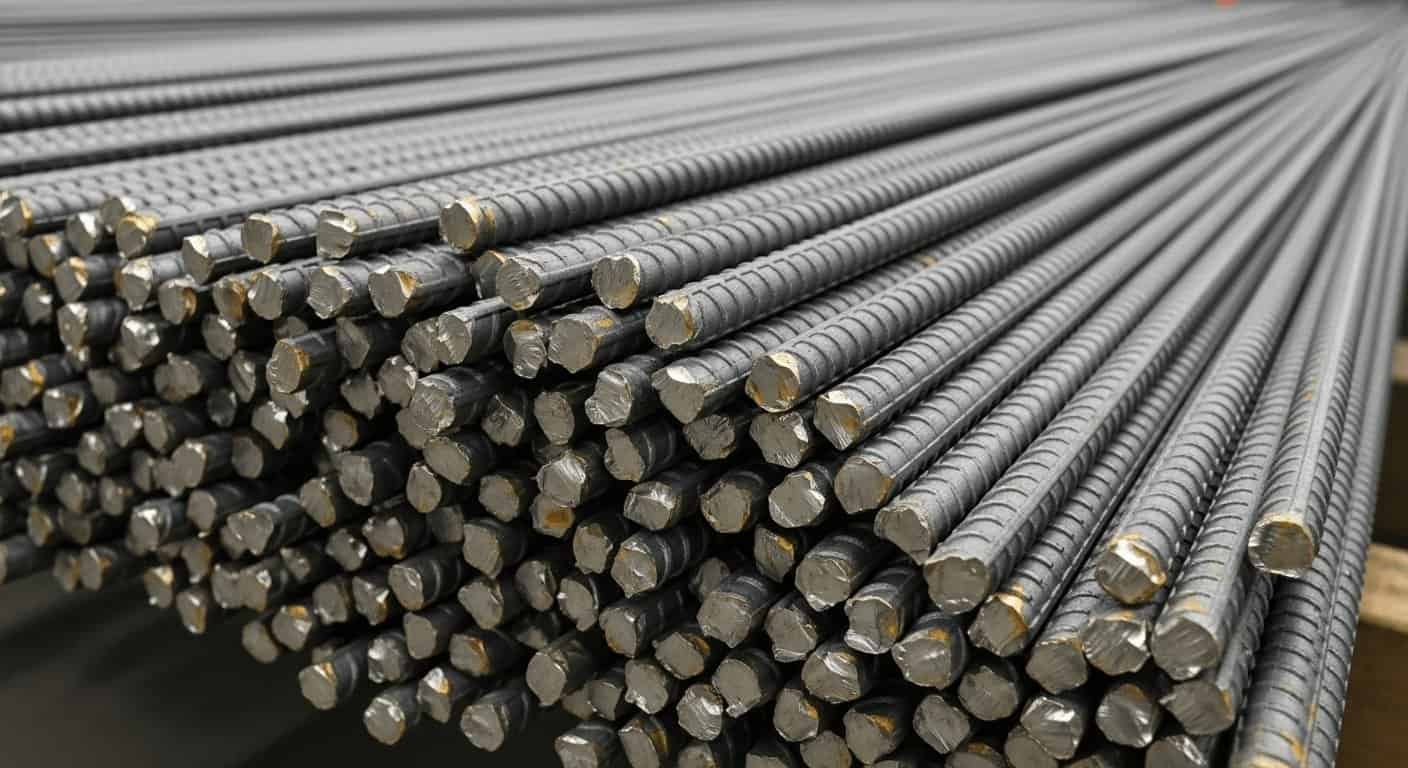
Your structure may collapse or crack if you choose the incorrect thickness of rebar. Many buyers experience confusion, but this issue is easily resolved by knowing the sizes of steel reinforcement bars.
Standart qurumaq thickness ranges from #3 üçün #10, equal to 3/8 üçün 1 ¼ inches (10 mm–32 mm). Each bar size matches a specific strength level for different projects. Builders choose #4 və ya #5 steel rebar sizes for residential foundations, while commercial projects use thicker reinforcing steel bars sizes to handle higher loads safely.
To assist you in choosing the ideal reinforcing bar, let’s now examine each frequently asked question regarding rebar sizes, materials, and errors.
How Thick Is Standard Rebar?
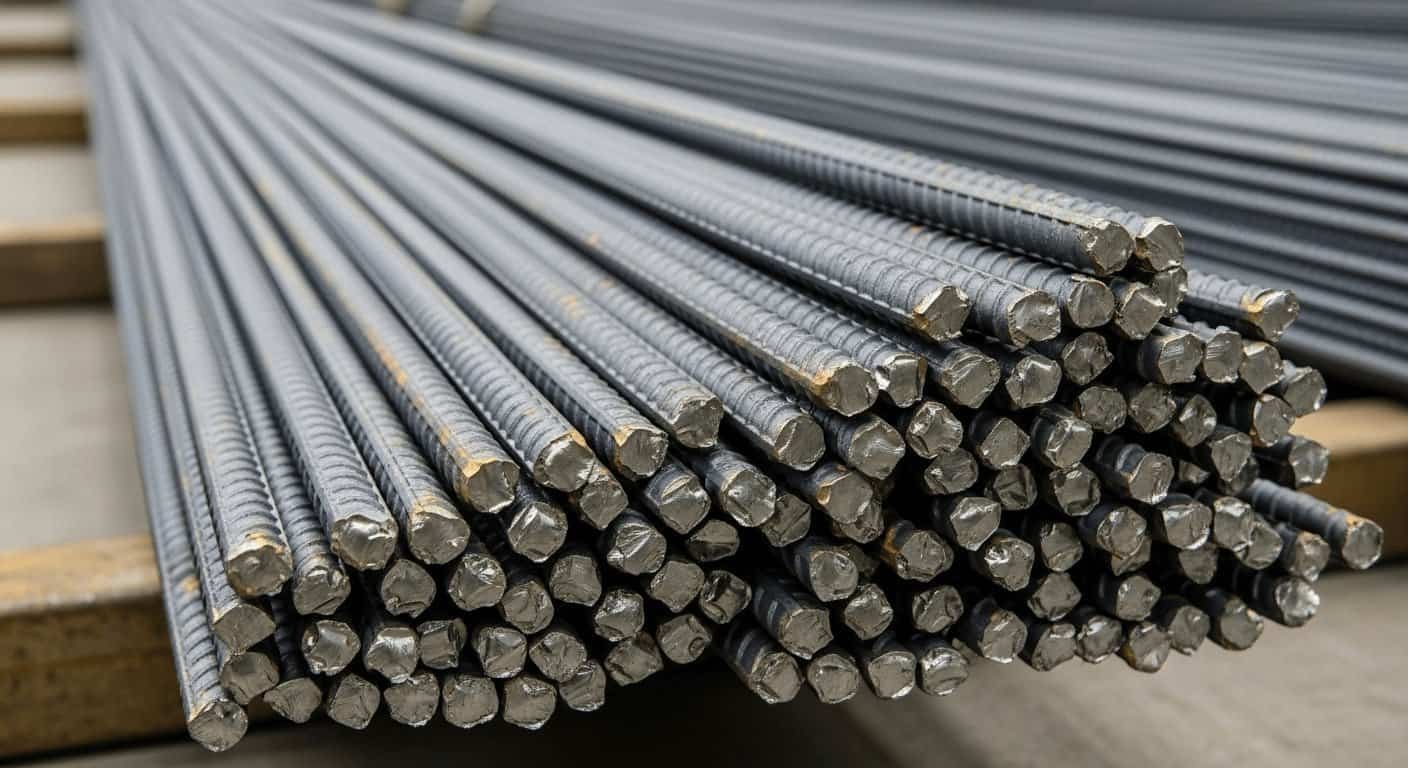
When planning rebar and concrete work, many contractors are curious about what constitutes a “standart” rebar thickness. Strength and durability are ensured by choosing the appropriate diameter.
The typical diameter of rebar is #4, or roughly 1/2 kərtiş (12 mm). For home slabs, columns, and driveways, this qurumaq size offers sufficient tensile strength without incurring needless rebar costs.
The thickness of reinforcement bars varies according to numbering: #3 rebar is 3/8 kərtiş (10 mm), #4 rebar is 1/2 kərtiş (12 mm), #5 rebar is 5/8 kərtiş (16 mm), və #8 rebar is 1 kərtiş (25 mm). The rebar grades 40, 60, və 75 are represented by these rebar sizes in millimeters. The strength of the bar increases with the number of reinforcing steel.
#4 və ya #5 work best for the majority of rebar construction projects, such as rebar for concrete slabs. To assist customers in selecting from a variety of steel reinforcement rebar options, suppliers frequently offer a rebar thickness chart.
Which Is Thicker, #3 Və ya #4 Qurumaq?
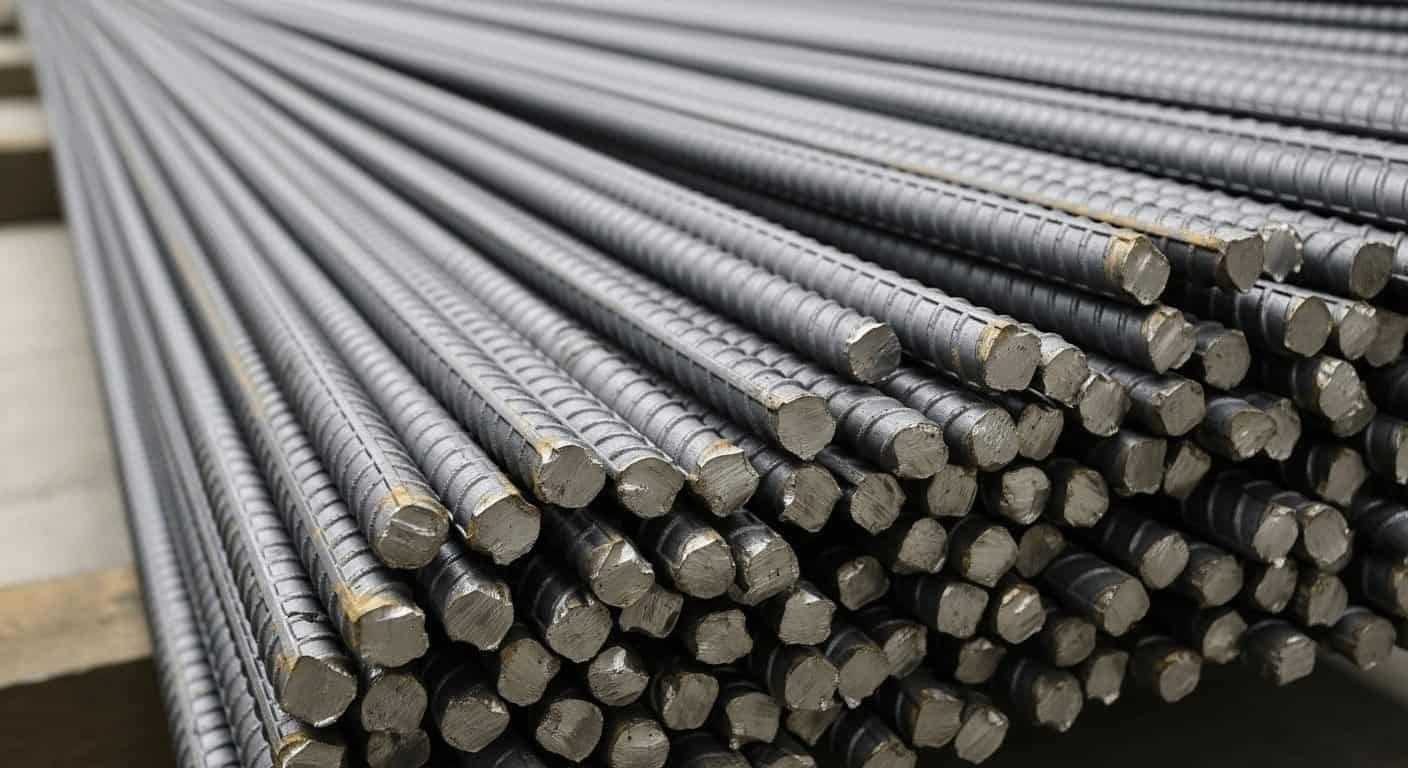
Beginners comparing steel rebar sizes are frequently perplexed by this question. Comprehending numbering aids in preventing structural mistakes. With a diameter of 1/2 kərtiş (12 mm) as opposed to 3/8 kərtiş (10 mm), #4 rebar is thicker than #3. Heavy loads are handled by thicker bars.
Every step up in standard rebar sizes results in a 1/8-inch increase in rebar diameter. While #4 rebar thickness is appropriate for slabs and beams, #3 qurumaq thickness is appropriate for small walls and sidewalks. It is better to use #5 və ya #6 steel rebar for bridges or heavy foundations.
Selecting thicker reinforcing steel rebar increases its resistance to bending, but it also slightly increases its cost. Before placing a bulk order for rebar for sale, astute consumers check the prices offered by steel reinforcement suppliers.
Var #4 Və ya #5 Rebtar daha böyük?
When planning medium-load projects, a lot of construction buyers compare #4 və #5 poladovu. Budget and safety are both impacted by the response.
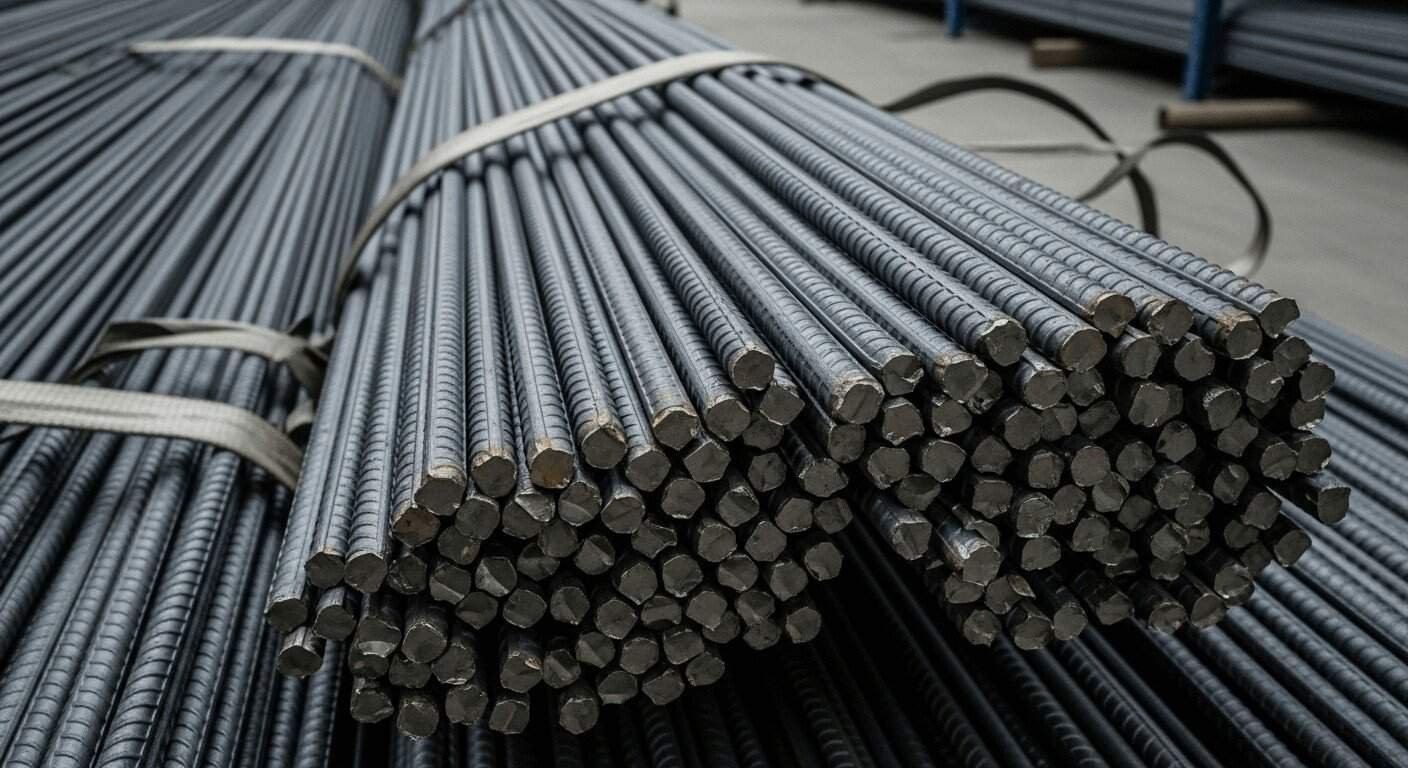
#4 rebar thickness (1/2 inch or 12 mm) is smaller and weaker than #5 rebar thickness (5/8 inch or 16 mm). #5 is perfect for reinforced columns and commercial slabs.
#5 qurumaq is used in reinforced concrete rebar designs, such as bridges and tunnels, due to its greater load capacity. #4 qurumaq, on the other hand, is appropriate for driveways and residential slabs. Both are available in steel reinforcement bars with various rebar grades and finishes, including galvanized, epoksi örtülmüş, and black.
International rebar sizes in millimeters are equivalent to the rebar sizes in inches system. Prior to installation, always confirm the proper steel reinforcement sizes by consulting steel reinforcement suppliers and checking project specifications.

What Is The Most Commonly Used Rebar Size?
One size of steel reinforcement bar is the most popular worldwide for light commercial and residential projects. The most popular bar size is #4, which has a typical rebar diameter of 1/2 kərtiş (12 mm). Strength, workability, and rebar cost are all expertly balanced.
Because #4 rebar is so simple to handle and weld, it is the most popular type of rebar in the world. #4 guarantees dependable bonding with qurumaq and concrete in numerous rebar and steel applications, such as rebar for concrete slabs or small columns. Because it is lightweight, accessible, and reasonably priced, builders appreciate it.
Əlavə olaraq, it works with steel reinforcement bars that are used in imperial (rebar sizes in inches) and metric (rebar sizes in millimeters) systems. Make sure the 4 rebar diameter fits your engineering plan whether you’re looking for steel rebar for sale online or sourcing it locally.
Does Rebar Rust?
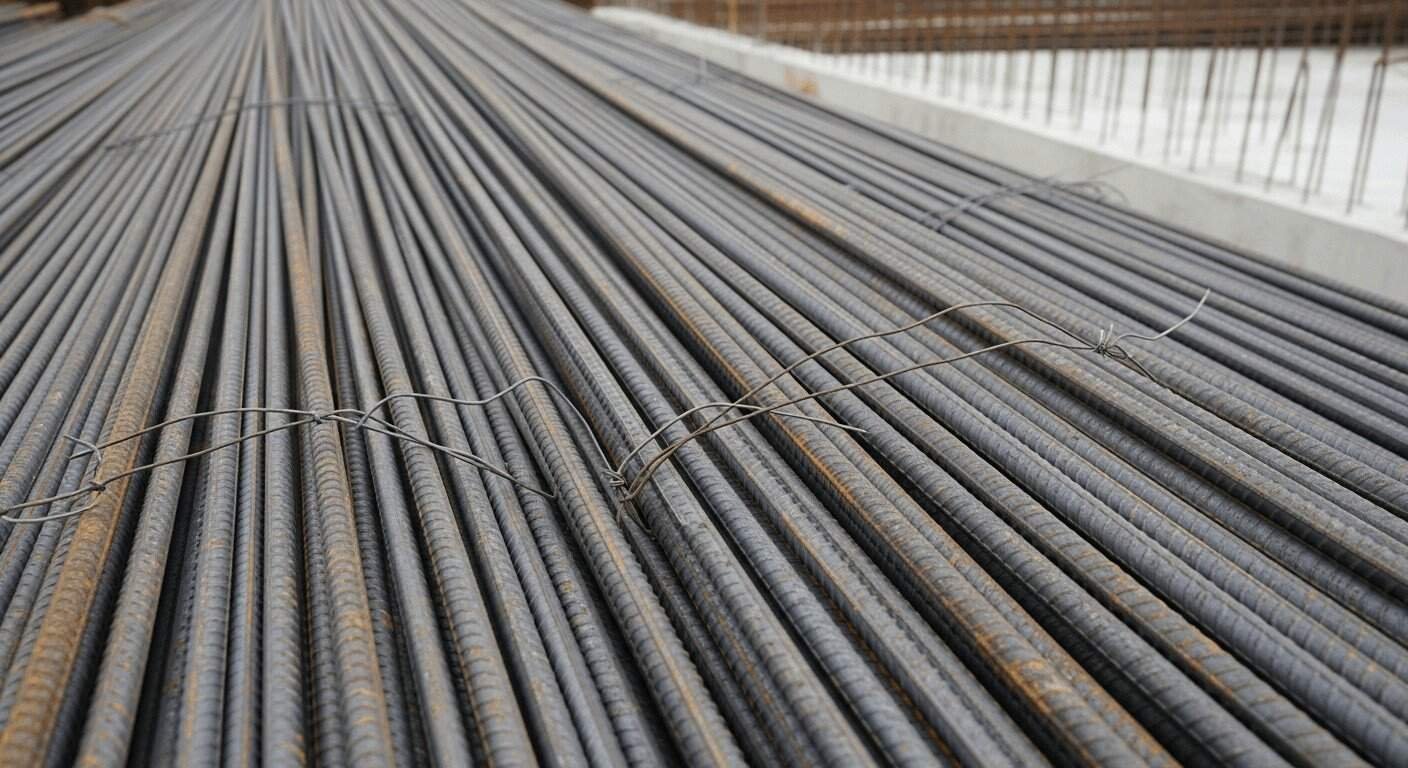
Whether reinforcement steel corrodes over time when exposed to moisture is a common worry for engineers and buyers. Regular steel rebar is susceptible to rusting. Lakin, reinforcing steel rebar that has been epoxy-coated, sinklənmiş, or stainless steel resists corrosion and greatly increases the lifespan of the structure.
When concrete and rebar come into contact, the alkalinity of the concrete initially shields the steel, but oxidation is triggered by cracks or exposure to water. Cracking results from the expansion of rust. It is beneficial to use steel reinforcement rebar with coatings. For waterproofing, construction companies also use sealants and additives.
Rusting before use is avoided with proper site storage. Engineers frequently specify reinforced rebar types that satisfy corrosion-resistant rebar grades for important projects. When working with foreign rebar suppliers, always verify storage, shipping, and inspection procedures.
What Are Common Rebar Installation Mistakes?
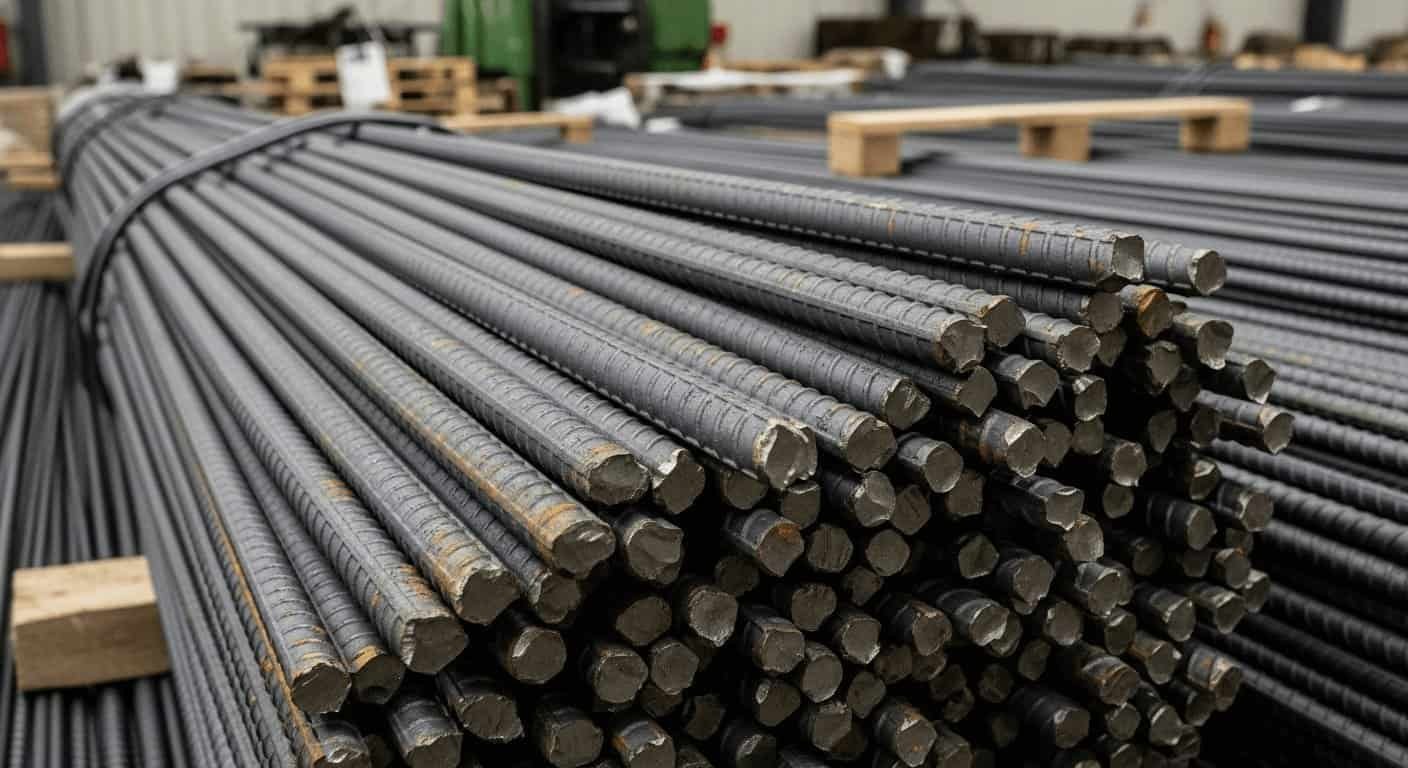
Inadequate installation can compromise structural integrity even when the proper steel reinforcement sizes are selected. Incorrect spacing, inadequate anchoring, bending errors, and skipping supports beneath reinforcing steel rebar during pouring are common mistakes.
Cracks develop after concrete cures if reinforcement steel is improperly tied or spaced. The load capacity is decreased by misaligned steel reinforcement bars. Always adhere to charts and codes for rebar standard sizes. Make sure rebar construction crews check each joint, use spacers, and maintain cover depth.
Even with premium steel reinforcement bars, poor installation can result in financial waste. Choose reputable steel reinforcement suppliers who offer technical assistance to steer clear of these problems. Recall that choosing the right rebar sizes and confirming each rebar diameter are just as important as proper installation.
Xülasə
Knowing the thickness of rebar and the sizes of steel reinforcement bars guarantees the longevity, cost-effectiveness, and safety of your project, always select reliable rebar suppliers and the appropriate reinforcing bar.