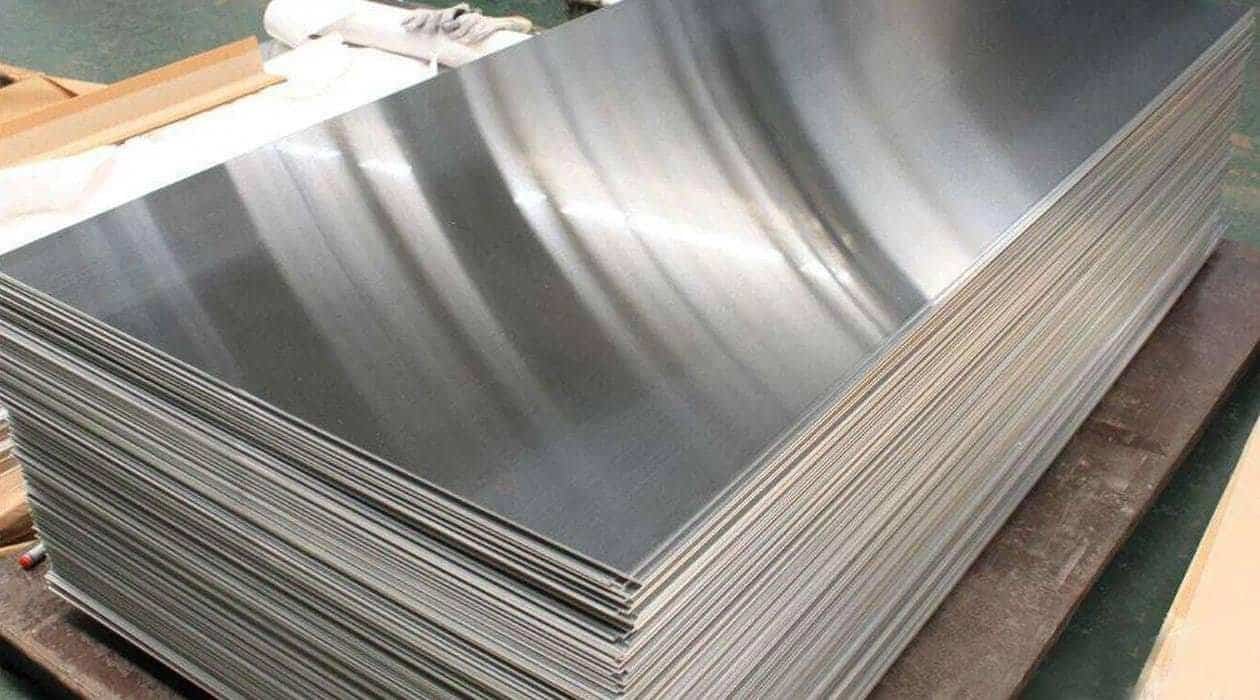
Choosing the wrong aluminum sheet thickness increases costs, causes fabrication problems, and shortens product life. This guide helps you make the right decision.
The right aluminum sheet metal thickness depends on your application, required strength, وزن, fabrication process, مقاومة التآكل, and industry standards. مقارنة المواصفات, understanding tolerances, and selecting the proper alloy ensure better performance, lower costs, and longer service life for construction, تصنيع, مواصلات, and industrial projects.
Let’s explore every factor that affects aluminum sheet thickness selection and practical purchasing decisions.
What Is Aluminum Sheet Metal Thickness?
The distance between an aluminum sheet’s two surfaces is referred to as its metal thickness. Because thickness has a direct impact on strength, المرونة, وزن, fabrication performance, والتكلفة, it is one of the most crucial factors that customers take into account before placing an order. Depending on the market, manufacturers typically specify thickness in millimeters, بوصة, or gauge numbers.
بالإضافة إلى ذلك, different measurement methods are used in different nations. While millimeters are frequently used in European and Asian markets, gauge numbers are frequently used by North American consumers. على سبيل المثال, when converting gauge numbers into metric measurements, many consumers look for an aluminum sheet thickness gauge in mm. Buyers can minimize purchasing errors and connect with suppliers more precisely by being aware of certain measurement techniques.
When choosing materials, a lot of engineers also use an ورقة الألومنيوم metal thickness chart. These charts make it simpler to select the appropriate material for fabrication, بناء, مواصلات, or manufacturing applications by comparing gauge numbers with their actual thickness values. Make sure the provider is using gauge, بوصة, or millimeters before getting a quote.
Why Is Aluminum Sheet Metal Thickness Important?
Nearly every element of aluminum sheet performance is influenced by thickness. While a thinner sheet is lighter and quicker to manufacture, a thicker sheet often gives greater strength and better impact resistance. Inadequate thickness selection may lead to high material costs or structural failure while in use.
Another important factor is weight. Reducing weight increases fuel efficiency and lowers operational costs in sectors like transportation, الفضاء الجوي, and automotive manufacture. لكن, excessive thickness reduction could reduce the product’s ability to support loads or shorten its useful life. The mechanical requirements of the application determine the optimal balance.
Manufacturing efficiency is also impacted by thickness. Materials in particular thickness ranges are needed for laser cutting, الانحناء, stamping, and welding. Manufacturers can improve dimensional accuracy, increase production efficiency, cut waste, and maintain consistent product quality throughout the manufacturing process by choosing the appropriate standard aluminum sheet metal thickness.
What Are the Standard Aluminum Sheet Metal Thickness Sizes?
To meet the needs of various industrial applications, aluminum sheets come in a variety of standard thicknesses. 0.3 مم, 0.5 مم, 0.8 مم, 1 مم, 2 مم, 3 مم, 5 مم, and even thicker aluminum plates are typical thicknesses. The intended application and engineering requirements determine which option is best.
Numerous sectors adhere to globally accepted standards, such as ISO, في, and ASTM. When buying materials for structural purposes, buyers often ask for standard aluminum plate thickness because standardized dimensions make manufacturing, ضبط الجودة, and inventory management easier. بالإضافة إلى ذلك, standard sizes increase compatibility with downstream processing equipment and lower manufacturing costs.
Some consumers buy aluminum based on gauge measurements rather than metric ones. على سبيل المثال, in industrial fabrication projects that call for modest structural strength, 12-gauge aluminum sheet metal thickness is frequently specified. To avoid ordering the wrong materials, purchasers should always check the actual thickness rather than depending only on gauge numbers because gauge values vary amongst metals.
How Do You Measure Aluminum Sheet Metal Thickness Accurately?
For quality assurance and product approval, precise thickness measurement is crucial. Digital calipers, ميكرومتر, ultrasonic thickness gauges, and coordinate measuring devices for high-precision applications are the most often used instruments. Depending on the demands of production, each instrument provides varying degrees of accuracy.
Measurements should be made at several locations across the sheet during inspection because rolling may create small variances. Results can also be affected by temperature, surface treatments, and measurement methods. To ascertain whether the material satisfies contractual criteria, qualified inspectors compare actual measurements with the designated aluminum sheet metal thickness tolerance.
An aluminum sheet metal thickness tolerance standard is used by international standards to specify permissible dimensional variances. Based on nominal thickness, alloy type, and production process, these standards define permissible variances. قبل الشحن, buyers should always ask for mill test certificates and inspection reports to confirm compliance, particularly for projects with stringent technical requirements.
How Does Aluminum Sheet Metal Thickness Affect Strength and Weight?
One of the first things engineers consider when choosing aluminum sheets is the link between thickness, قوة, والوزن. على العموم, stiffness, impact resistance, and load-bearing capacity all increase with thickness. But it also raises the weight of the materials, the cost of transportation, والتكلفة الإجمالية للمشروع. Achieving both cost effectiveness and performance requires striking the correct balance.
When combined with the appropriate alloy, thinner aluminum sheets can dramatically reduce overall weight without compromising performance for lightweight applications like trailers, car bodywork, shipping containers, واللوحات المعمارية. في المقابل, thicker materials are frequently needed for industrial machinery, الجسور, and heavy-duty equipment in order to endure greater loads and challenging operating conditions. Buyers can choose the specification that best fits their technical needs by comparing many possibilities using an aluminum sheet metal thickness chart.
Experienced purchasers consider the anticipated operating conditions, safety considerations, manufacturing specifications, and long-term maintenance costs rather than just selecting the thickest material on the market. A well-chosen thickness reduces superfluous weight while preserving adequate structural integrity, which lowers production costs and boosts operational effectiveness.
Which Aluminum Sheet Metal Thickness Is Best for Construction Projects?
Aluminum sheets that are easy to install, مقاومة للتآكل, and long-lasting are needed for construction projects. Whether it’s roofing, تكسية الجدران, curtain walls, السقوف, ornamental panels, or structural elements, the proper thickness depends on the particular application. The selection of materials is influenced by the unique performance requirements of each application.
Since ornamental panels and interior finishes are primarily used for aesthetic purposes, relatively thin sheets are frequently adequate. In order to withstand wind loads, weather exposure, and mechanical damage, thicker materials are typically needed for outside wall systems and roofing applications. Standard aluminum plate thickness is often specified by engineers to guarantee compliance with building codes and streamline project design.
بالإضافة إلى ذلك, local temperature conditions, installation techniques, and anticipated service life should be taken into account by construction businesses. Thicker, مقاومة للتآكل aluminum alloys are frequently needed for coastal projects in order to withstand humidity and salt spray. Working with a knowledgeable supplier ensures that the chosen material maintains long-term dependability while meeting budgetary and engineering constraints.
How Do You Choose the Right Aluminum Sheet Metal Thickness for Fabrication?
The optimal thickness of aluminum sheets is directly influenced by fabrication techniques. There are suggested thickness ranges for processes including laser cutting, CNC machining, الانحناء, stamping, punching, and welding. Choosing materials outside of these limits could lead to dimensional errors during manufacture, increased tool wear, or decreased productivity.
Because thin aluminum sheets are typically simpler to bend and stamp, they can be used for intricately shaped components. Although thicker sheets offer more structural strength, they also call for more potent machinery and meticulous process control. Before creating production plans, manufacturers frequently examine both the standard aluminum sheet metal thickness and the necessary alloy to guarantee consistent fabrication quality.
Dimensional consistency is another crucial factor. To ensure precise assembly and consistent manufacturing outcomes, each production batch must adhere to the specified aluminum sheet metal thickness tolerance. Strict quality checks are carried out during the rolling and finishing processes by dependable suppliers, guaranteeing that each shipment satisfies customer requirements and lowers production risks.
What Aluminum Alloys Work Best with Different Thicknesses?
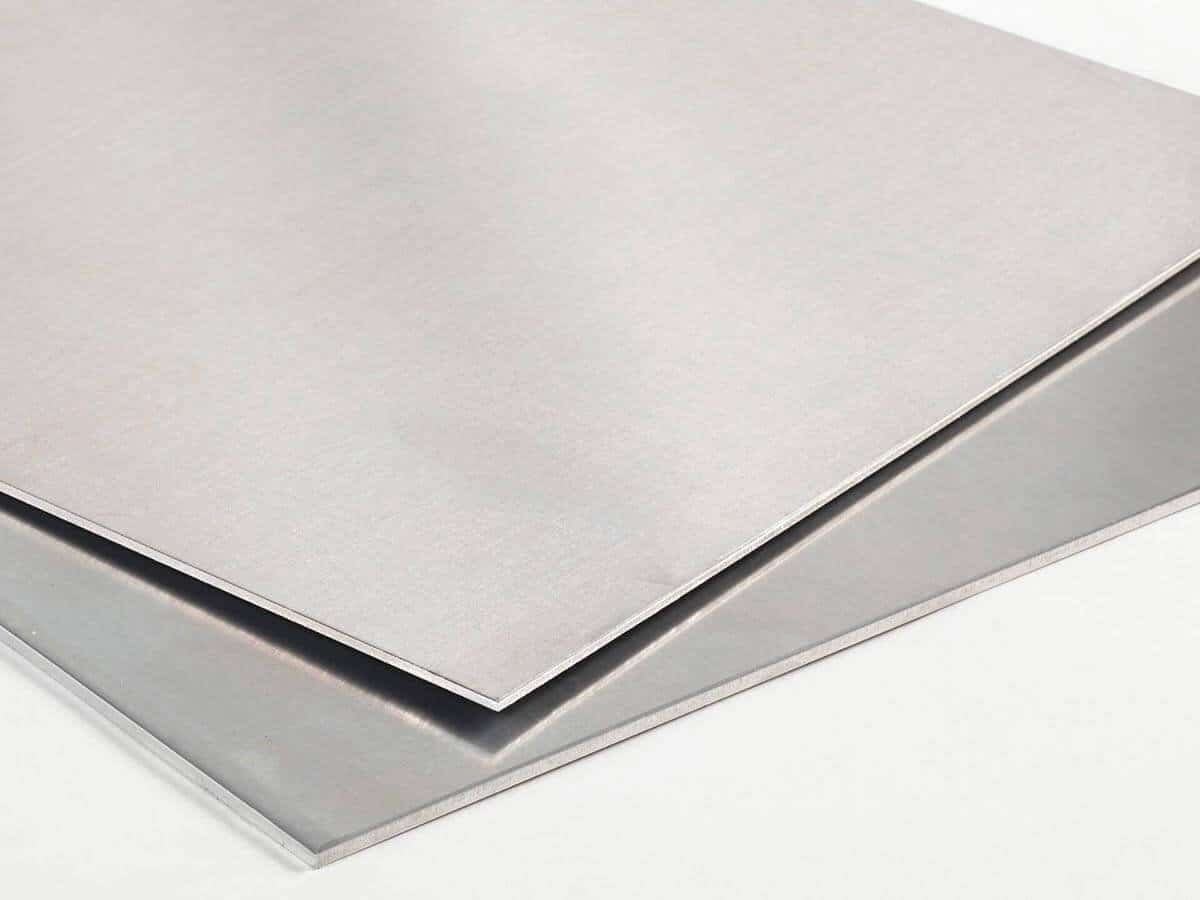
Just as crucial as choosing the proper thickness is choosing the appropriate alloy. Unique combinations of strength, مقاومة التآكل, weldability, and formability are offered by various aluminum alloys. Selecting the right alloy guarantees that the chosen thickness will provide the desired mechanical performance in the intended use.
على سبيل المثال, 1100 aluminum is frequently utilized for decorative and chemical equipment due to its exceptional resistance to corrosion. Because of its exceptional formability and increased strength, 3003 aluminum is widely used for storage tanks and roofing panels. بينما 6061 aluminum offers greater strength for structural and engineering purposes, 5052 aluminum is frequently employed in maritime situations due to its exceptional corrosion resistance. Before making a purchase, buyers frequently examine alloy characteristics in conjunction with an aluminum sheet metal thickness chart.
Buyers should confirm compliance with the relevant aluminum sheet metal thickness tolerance standard and obtain supporting paperwork, such as mill test certificates and inspection reports, regardless of the alloy they choose. By ensuring that alloy composition and dimensional precision fulfill project specifications, this extra verification lowers the possibility of quality issues following delivery.
What Common Mistakes Should You Avoid When Choosing Aluminum Sheet Metal Thickness?
When buying aluminum sheets, price is a major consideration for many consumers. Competitive pricing is crucial, but choosing materials only on the basis of price frequently results in costly issues down the road. A too-thick sheet raises material, shipping, and processing expenses without adding value, whereas an overly thin sheet may deform during manufacturing or fail in use.
Misunderstanding measurement systems is another frequent error. Some consumers believe that gauge standards are the same for all metals, or they mix gauge numbers with real thickness values. على سبيل المثال, the thickness of 12-gauge steel and aluminum sheet metal is different. Similarly, ordering materials that don’t match project specifications can happen if an aluminum sheet thickness gauge is not accurately converted to millimeters.
بالإضافة إلى ذلك, buyers should focus on dimensional correctness rather than only the nominal thickness. The necessary aluminum sheet metal thickness tolerance should be specified in each order, together with the relevant aluminum sheet metal thickness tolerance standard. Purchasing risks are significantly decreased, and consistent product performance is ensured by working with suppliers who offer mill test certifications, third-party inspections, and comprehensive quality documentation.
Where Can You Buy High-Quality Aluminum Sheet Metal Thickness Products?
Just as crucial as choosing the appropriate aluminum sheet thickness is finding a trustworthy source. In addition to providing a large selection of goods, an experienced manufacturer also offers reliable shipping, stringent quality control, and technical assistance. For long-term projects, these elements assist purchasers in lowering procurement risks and preserving steady supplier chains.
Inquire about available alloys, القدرة الإنتاجية, الشهادات, inspection protocols, packaging techniques, and export expertise while assessing الموردين. Reputable producers usually offer a variety of options for standard aluminum sheet metal thickness and standard aluminum plate thickness and supply goods in accordance with international standards. بالإضافة إلى ذلك, they ought to be able to describe their quality control procedure and offer thorough documentation upon request.
Reliable delivery and prompt communication are equally crucial for foreign consumers. Long-distance shipping protective packaging, customs paperwork, and destination market needs are all understood by suppliers with a lot of export experience. You may make sure you obtain items that precisely match your specifications and project expectations by requesting an aluminum sheet metal thickness chart, verifying the necessary aluminum sheet metal thickness tolerance, and checking inspection reports prior to shipment.
ملخص
قوة, وزن, تصنيع, and cost must all be considered when selecting the appropriate aluminum sheet metal thickness. For the greatest long-term outcomes, work with an experienced supplier, check specifications, and always confirm standards and tolerances before placing an order.